
소득공제
베스트셀러
외서
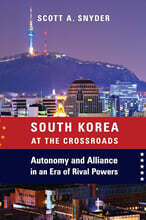
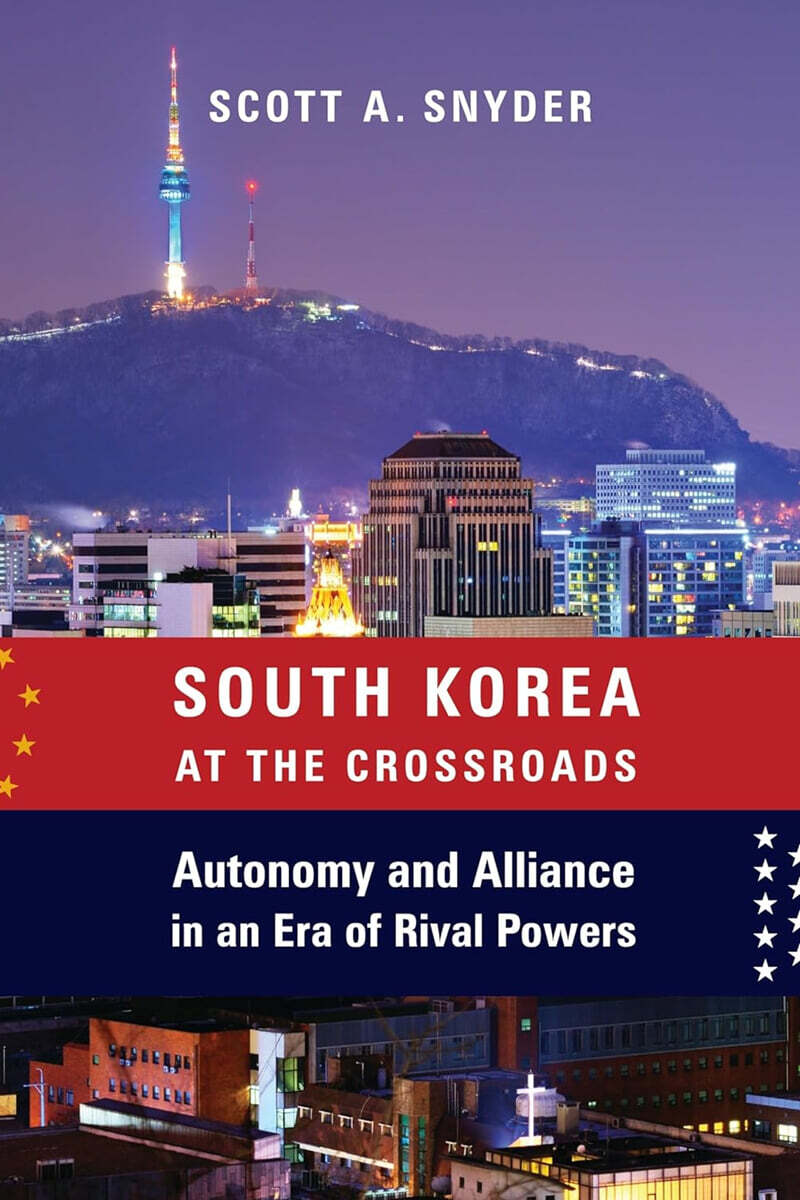
South Korea at the Crossroads
Autonomy and Alliance in an Era of Rival Powers
Paperback
Columbia University Press
2020.03.17.
이미 소장하고 있다면 판매해 보세요.
- 국내배송만 가능
- 문화비소득공제 가능
책소개
목차
|
List of Figures and Tables xiii
Preface to the Paperback Edition xv Acknowledgments xvii 1. South korea's strategic choices 1 2. Strategic choices under authoritarian rule 20 3. Roh Tae-woo and kim young-sam: nordpolitik and democratization 53 4. Kim Dae-jung and the sunshine policy 83 5. Roh Moo-hyun's balancer policy 114 6. Lee Myung-bak's global korea policy 143 7. Park geun-hye's asian paradox 170 8. The paradox of south korea's middle-power status 192 9. Korea between the united states and china 212 10. Unification and korean strategic choices 237 Epilogue: south korean strategic choices and the U.S.-South korea alliance 262 Select Source Documents 275 1. Mutual Defense Treaty Between the United States and the Republic of Korea, 1953 275 2. Joint Statement of North and South, 1972 276 3. Inter-Korean Agreement on Reconciliation, Non-aggression, and Exchanges and Cooperation Between South and North Korea, 1991 278 4. South-North Joint Declaration, 2000 282 5. Declaration on the Advancement of South-North Korean Relations, Peace, and Prosperity, 2007 283 6. Joint Vision for the Alliance of the United States of America and the Republic of Korea, 2009 287 7. Joint Declaration in Commemoration of the 60th Anniversary of the Alliance Between the Republic of Korea and the United States of America, 2013 289 Chronology of Important Events in South Korean Strategic History 293 Notes 309 Select Bibliography 341 Index 343 |
품목정보
- 발행일
- 2020년 03월 17일
- 쪽수, 무게, 크기
- 376쪽 | 155*229*20mm
- ISBN13
- 9780231185493
리뷰/한줄평0
상품정보안내
직수입외서의 경우, 해외거래처에서 제공하는 정보가 부족하여 제목, 표지, 가격, 유통상태 등의 정보가 미비하거나 변경되는 경우가 있습니다. 정확한 확인을 원하시는 경우, 일대일 상담으로 문의하여 주시면 답변 드리겠습니다.
(판형과 판수 등이 다양한 도서는 찾으시는 도서의 ISBN을 알려 주시면 보다 빠르고 정확한 안내가 가능합니다.)
해외거래처에서 품절인 경우, 2차 거래선을 통해 유럽과 미국 출판사로 직접 수입이 진행될 수 있습니다.
수입 진행 시점으로 부터 2~3주가 추가로 소요되며, 해외에서도 유통이 원활하지 않은 도서는 품절 안내가 지연될 수 있습니다.
해당 경우, 문자와 메일로 별도 안내를 드리고 있사오니 마이페이지에서 휴대전화번호와 메일주소를 다시 한번 확인해주시기 바랍니다.
(판형과 판수 등이 다양한 도서는 찾으시는 도서의 ISBN을 알려 주시면 보다 빠르고 정확한 안내가 가능합니다.)
해외거래처에서 품절인 경우, 2차 거래선을 통해 유럽과 미국 출판사로 직접 수입이 진행될 수 있습니다.
수입 진행 시점으로 부터 2~3주가 추가로 소요되며, 해외에서도 유통이 원활하지 않은 도서는 품절 안내가 지연될 수 있습니다.
해당 경우, 문자와 메일로 별도 안내를 드리고 있사오니 마이페이지에서 휴대전화번호와 메일주소를 다시 한번 확인해주시기 바랍니다.
30,000원
총 1개
30,000원
