
소득공제
수입
직수입양서
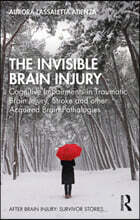
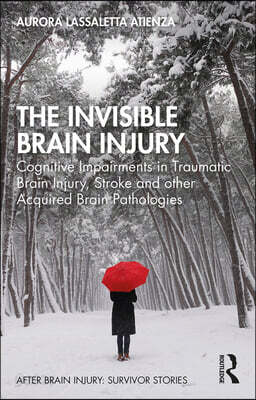
Invisible Brain Injury
Cognitive Impairments in Traumatic Brain Injury, Stroke and other Acquired Brain Pathologies
Paperback, 1st Edition
Lassaletta Atienza, Aurora
Routledge
2019.11.14.
- 주문 제작 (POD) 도서로 제본 및 인쇄 품질이 다소 미흡할 수 있습니다 (해당 사유 반품 불가)
이미 소장하고 있다면 판매해 보세요.
- 국내배송만 가능
- 해외 거래처 사정에 의하여 품절/지연 가능
- 도서 정보 중 미표기 사항 안내?
- 문화비소득공제 가능
After Brain Injury: Survivor Stories
-
 Neuropsychological Consequences of COVID-19 이동Neuropsychological Consequences of COVID-1910% 348,270원
 -
Neuropsychological Consequences of COVID-19 이동Neuropsychological Consequences of COVID-1910% 50,590원
-
Blossoming Into Disability Culture Following Traumatic Brain Injury 이동Blossoming Into Disability Culture Following Traumatic Brain Injury10% 295,620원
-
Blossoming Into Disability Culture Following Traumatic Brain Injury 이동Blossoming Into Disability Culture Following Traumatic Brain Injury10% 50,590원
-
Reconstructing Identity After Brain Injury 이동Reconstructing Identity After Brain Injury10% 348,270원
-
Reconstructing Identity After Brain Injury 이동Reconstructing Identity After Brain Injury10% 56,670원
-
Embracing Hope After Traumatic Brain Injury 이동Embracing Hope After Traumatic Brain Injury10% 348,270원
-
Embracing Hope After Traumatic Brain Injury 이동Embracing Hope After Traumatic Brain Injury10% 56,670원
-
Sibling Relationship After Acquired Brain Injury 이동Sibling Relationship After Acquired Brain Injury10% 348,270원
-
Sibling Relationship After Acquired Brain Injury 이동Sibling Relationship After Acquired Brain Injury10% 56,670원
-
Life After a Rare Brain Tumour and Supplementary Motor Area Syndrome 이동Life After a Rare Brain Tumour and Supplementary Motor Area Syndrome10% 56,670원
-
Life After a Rare Brain Tumour and Supplementary Motor Area Syndrome 이동Life After a Rare Brain Tumour and Supplementary Motor Area Syndrome10% 295,620원
책소개
목차
|
List of contributors About the author Note Preface PART 1: THE INVISIBLE BRAIN INJURY 1. The invisible brain injury - Aurora Lassaletta Introduction The history of the book PART 2: COGNITIVE SYMPTOMS 2. Cognitive symptoms related to attention - Aurora Lassaletta and Amor Bize Neurological fatigue: continuous energy calculations Attention difficulties Just one intense thing a day! The saturated hard drive Brain sluggishness. Orders take time to arrive. 3. Cognitive symptoms related to executive functions - Aurora Lassaletta and Amor Bize Need for external guidance with organisation Complicated decision-making Difficulty adapting to changes Impaired creativity 4. Cognitive symptoms related to memory - Aurora Lassaletta and Amor Bize Memory difficulty: the need for "cognitive crutches" Slow learning curve Not learning from experience, nor remembering it 5. Cognitive symptoms related to thinking - Aurora Lassaletta and Amor Bize Difficulty summarising Concrete thinking 6. Cognitive symptoms related to lack of awareness - Aurora Lassaletta and Amor Bize Lack of awareness of the real situation PART 3: BEHAVIOURAL, EMOTIONAL AND PHYSICAL SYMPTOMS 7. Behavioural symptoms - Aurora Lassaletta and Amor Bize Impulsivity and verbal incontinence Tendency to passivity Loss of improvisation 8. Emotional symptoms - Aurora Lassaletta and Amor Bize Affective flattening and emotional inexpressiveness 9. Physical symptoms - Aurora Lassaletta and Susana Pajares Body awareness and sensitivity Sleep disturbance and loss of satiety sensation Loss of balance Hypersensitivity to medications Asymmetry Auditory and optical hypersensitivity, diplopia, hyposalivation PART 4: LONG-TERM ADJUSTMENT AND CONCLUSIONS 10. Identity reconstruction - Aurora Lassaletta and Christian Salas Long term emotional adjustment following an ABI Awareness of deficits and integrating the new me Internalising compensatory tools 11. Concluding remarks - Aurora Lassaletta References Index |
관련 분류
품목정보
- 발행일
- 2019년 11월 14일
- 쪽수, 무게, 크기
- 138쪽 | 212g | 140*220mm
- ISBN13
- 9780367254070
사락 별점0
혜택 및 유의사항밑줄0
혜택 및 유의사항상품정보안내
직수입외서의 경우, 해외거래처에서 제공하는 정보가 부족하여 제목, 표지, 가격, 유통상태 등의 정보가 미비하거나 변경되는 경우가 있습니다. 정확한 확인을 원하시는 경우, 일대일 상담으로 문의하여 주시면 답변 드리겠습니다.
(판형과 판수 등이 다양한 도서는 찾으시는 도서의 ISBN을 알려 주시면 보다 빠르고 정확한 안내가 가능합니다.)
해외거래처에서 품절인 경우, 2차 거래선을 통해 유럽과 미국 출판사로 직접 수입이 진행될 수 있습니다.
수입 진행 시점으로 부터 2~3주가 추가로 소요되며, 해외에서도 유통이 원활하지 않은 도서는 품절 안내가 지연될 수 있습니다.
해당 경우, 문자와 메일로 별도 안내를 드리고 있사오니 마이페이지에서 휴대전화번호와 메일주소를 다시 한번 확인해주시기 바랍니다.
(판형과 판수 등이 다양한 도서는 찾으시는 도서의 ISBN을 알려 주시면 보다 빠르고 정확한 안내가 가능합니다.)
해외거래처에서 품절인 경우, 2차 거래선을 통해 유럽과 미국 출판사로 직접 수입이 진행될 수 있습니다.
수입 진행 시점으로 부터 2~3주가 추가로 소요되며, 해외에서도 유통이 원활하지 않은 도서는 품절 안내가 지연될 수 있습니다.
해당 경우, 문자와 메일로 별도 안내를 드리고 있사오니 마이페이지에서 휴대전화번호와 메일주소를 다시 한번 확인해주시기 바랍니다.
62,740원
총 1개
62,740원