
- 본 도서의 개정판이 출간되었습니다.
이미 소장하고 있다면 판매해 보세요.
- 국내배송만 가능
- 문화비소득공제 가능
책소개
목차
|
Chapter 1. Basics of Accounting
Section 01 Definition of Accounting and Accounting Information User Section 02 Statement of Financial Position and Statement of Earnings Section 03 Account Section 04 Accounting Transaction and Dual Effect of Accounting Section 05 Journal and Journal Entry Section 06 Posting and General Ledger Exercise Chapter 2. Closing and Financial Statements Section 01 Closing Section 02 Year-end Adjusting Entry Section 03 Estimated Item-Depreciation Section 04 Closing Cycle Case Section 05 Trial Balance Section 06 Year-end Adjusting Entry and Adjusted Trial Balance Section 07 Closing the Book Section 08 Preparing Financial Statements Section 09 Work Sheet Exercise Chapter 3. Merchandising Operation Section 01 Merchandising Operation Section 02 Inventory System Section 03 Merchandising Operation Case Section 04 Net Sales & Net Purchase Exercise Chapter 4. Accounting Theory and Financial Statements Section 01 Financial Accounting and Managerial Accounting Section 02 Generally Accepted Accounting Principle and External Audit Section 03 Financial Accounting Theory-Conceptual Framework Section 04 Financial Statements Exercise Chapter 5. Inventory Section 01 Inventory Cost Section 02 Ending Inventory Section 03 Ending Inventory-Estimation Section 04 Shrinkage and Write-down of Inventory Exercise Chapter 6. Property, Plant and Equipment and Intangible Asset Section 01 Nature of Property, Plant and Equipment Section 02 Depreciation of Property, Plant and Equipment Section 03 Disclosure and Disposal of Property, Plant and Equipment Section 04 Intangible Asset Exercise Chapter 7. Financial Asset(Ⅰ)-General Section 01 Financial Asset Section 02 Cash and Cash Equivalent Section 03 Checking Account and Note Receivable Section 04 Receivable Section 05 Bad Debt Exercise Chapter 8. Financial Asset(Ⅱ)-Security Section 01 Financial Asset-Security Section 02 Time Value of Money Section 03 Trading Security Section 04 Available-for-Sale Security Section 05 Held-to-Maturity Security Exercise Chapter 9. Liability-General and Bond Payable Section 01 Definition and Classification of Liability Section 02 Bond Exercise Chapter 10. Liability-Other Section 01 Classification of Liability Section 02 Current Liability Section 03 Contingent Liability and Provision Exercise Chapter 11. Equity and Dividend Section 01 Equity Section 02 Capital Stock Section 03 Additional Paid-in Capital Section 04 Retained Earnings Section 05 Capital Adjustment and Other Comprehensive Income Section 06 Statement of Changes in Equity Exercise Chapter 12. Revenue and Expense Section 01 Revenue and Expense Section 02 Revenue Recognition Section 03 Expense Recognition Exercise Chapter 13. Statement of Cash Flows Section 01 Characteristic and Usefulness of Statement of Cash Flows Section 02 Preparation of Statement of Cash Flows Section 03 Comprehensive Case Exercise Chapter 14. Financial Analysis Section 01 Definition and Usefulness of Financial Analysis Section 02 Classification of Financial Analysis Section 03 Financial Ratio Analysis Section 04 Limitation of Financial Analysis Exercise Appendix Appendix A 회계용어사전(한영/영한) Appendix B 현재가치표(Present Value Tables) Appendix C 재무제표 양식-일반기업회계기준(KAS-NPEs) Appendix D 일반기업회계기준(KAS-NPEs) 목차 |
저자 소개 2
연세대학교 경제학과 졸업, University of Southern California, MBA, 공인회계사(한국/미국), 세무사, 삼일회계법인 근무. 금융감독원 근무, 중앙회계법인 근무하였다. 현재 우리회계법인 부대표, 연세대학교 경제대학원 비전임교수이다.
심요순의 다른 상품
연세대학교 경제학과 졸업, 공인회계사/세무사, 영화회계법인 근무, 한영회계법인 근무, 현대증권 근무, 선진회계법인 근무, 서대문구의회 예산검사위원, 웅지세무대학 교수를 역임했다. 현재 나무경영아카데미 대표이사, GARAGE 경영어드바이스그룹 대표나무경영아카데미 강사이다.
저서로 『IFRS회계원리』, 『원가관리회계』, 『객관식 원가관리회계』, 『원가관리회계연습』, 『세무사 원가관리회계연습』, 『감평회계학 원가관리회계』, 『감평회계학 객관식 원가관리회계』, 『Accounting Principles』, 『용감한 회계Start』, 『용감한 전산회계1급』, 『용감한 전산회계2급』, 『
연세대학교 경제학과 졸업, 공인회계사/세무사, 영화회계법인 근무, 한영회계법인 근무, 현대증권 근무, 선진회계법인 근무, 서대문구의회 예산검사위원, 웅지세무대학 교수를 역임했다. 현재 나무경영아카데미 대표이사, GARAGE 경영어드바이스그룹 대표나무경영아카데미 강사이다.
저서로 『IFRS회계원리』, 『원가관리회계』, 『객관식 원가관리회계』, 『원가관리회계연습』, 『세무사 원가관리회계연습』, 『감평회계학 원가관리회계』, 『감평회계학 객관식 원가관리회계』, 『Accounting Principles』, 『용감한 회계Start』, 『용감한 전산회계1급』, 『용감한 전산회계2급』, 『용감한 전산세무2급』, 『실무자를 위한 근로소득 연말정산』, 『실무자를 위한 부가가치세법 정복하기』 등이 있다.
저서로 『IFRS회계원리』, 『원가관리회계』, 『객관식 원가관리회계』, 『원가관리회계연습』, 『세무사 원가관리회계연습』, 『감평회계학 원가관리회계』, 『감평회계학 객관식 원가관리회계』, 『Accounting Principles』, 『용감한 회계Start』, 『용감한 전산회계1급』, 『용감한 전산회계2급』, 『용감한 전산세무2급』, 『실무자를 위한 근로소득 연말정산』, 『실무자를 위한 부가가치세법 정복하기』 등이 있다.
김용남의 다른 상품

관련 분류
품목정보
- 발행일
- 2020년 07월 13일
- 쪽수, 무게, 크기
- 652쪽 | 188*257*35mm
- ISBN13
- 9791186913215
출판사 리뷰
|
30년 전 캠퍼스에서 만나 함께 공인회계사에 도전하였고 다행히 합격하여 같은 영역에서 사회생활을 시작하였다. 때로는 함께 그리고 때로는 각자 회계사의 길을 걸어오면서 꾸준히 교감했던 시간들이 이 책의 출발점이다.
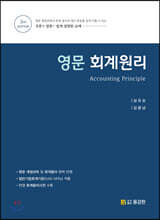
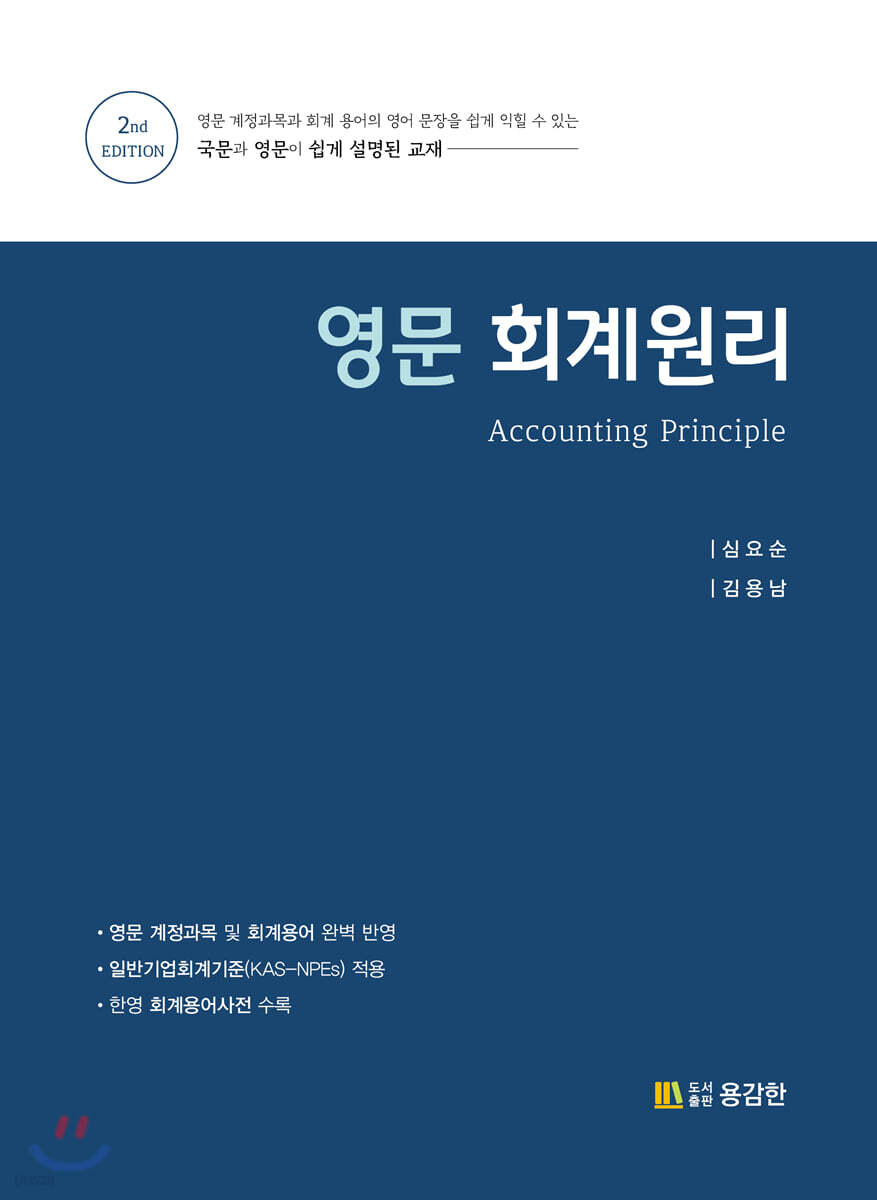
회계법인의 임원으로서, 회계를 가르치는 사람으로서 회계사나 세무사 수험서가 아닌 일반 대학생이나 직장인을 위한 회계원리에 대한 추천 요청을 수없이 받아왔다. 이에 마땅한 대안을 제시하지 못해 아쉬웠던 기억들이 이 책을 출간하기로 마음먹게 된 이유이다. 이 책의 가장 큰 특징은 회계원리의 기본에 충실하되 일반기업회계기준(KAS-NPEs)을 중심으로 기술되었다는 것과 모든 계정과목과 회계용어에 대하여 영문 표현을 병기하였다는 것이다. 우선 국제회계기준은 원칙 중심으로 기술되어 소수의 회계 전문가를 제외하고는 이해와 활용이 매우 어려운 것이 현실이다. 게다가 우리나라의 경우 상장법인 및 금융기관을 제외한 대부분의 기업들은 일반기업회계기준을 따르고 있다는 점에 착안하였다. 또한 한국 그리고 한국 기업의 국제적 위상이 높아지고 동시에 국제 거래가 활발해짐에 따라 우리나라 기업의 회계정보를 해외에게 전달하거나 외국 기업의 회계정보를 활용해야 하는 경우가 빈번하게 발생하고 있어 모든 회계용어에 대하여 영문 표현을 추가하였다. 이와 같은 방향으로 기술된 이 책 ‘영문 회계원리’는 구체적으로 다음과 같은 사항에 역점을 두고 집필되었다. 첫 째, 회계를 처음 공부하는 사람도 쉽게 이해할 수 있도록 하였다. 즉, 회계학에 입문하는 사람에게 필요한 내용만을 포함시켜 대부분의 사람들에게 생소한 과목인 회계학에 대한 학습 부담을 완화시켰다. 둘 째, 회계정보 생산자가 아닌 회계정보 이용자의 입장에서 기술하였으며 따라서 추상적인 회계이론이나 복잡한 계산과정에 대한 설명보다는 재무제표를 전체적으로 이해하고 해석하는 능력을 기르는데 초점을 맞추었다. 셋 째, 회계원리는 재무회계의 기초에 해당하는 과목이며 따라서 회계기준에 상관없이 공통되는 내용이 대부분이다. 그러나 구체적인 회계처리방법에 차이가 있는 경우에는 일반기업회계기준(KAS-NPEs)을 기준으로 기술하되, 필요한 경우 한국채택국제회계기준(K-IFRS)의 내용을 간략하게 비교설명 하였다. 넷 째, 모든 계정과목과 회계용어에 대하여 영문 표현을 병기하였다. 더불어 각 단원의 시작과 함께 해당 단원에서 공부할 회계용어(국문/영문)를 가나다순으로 표시하였으며 마지막 부분에 해당 단원에서 공부한 영문회계용어를 abc 순으로 표시하여 학습의 길잡이를 제시하였다. 또한 객관식 연습문제를 영문으로 구성하여 영문 시험에 대한 연습을 할 수 있도록 하였다 다섯 째, 부록(Appendix)으로 첨부된 회계용어사전(한영/영한)은 이 책에서 다룬 용어는 물론 그 외에도 회계를 공부하는 사람에게 필요하다고 판단되는 용어를 광범위하게 포함하였다. 부록에서는 이외에도 일반기업회계기준 표준 재무제표 양식(국문/영문)과 일반기업회기준의 전체 목차를 수록하였으니 참고하기 바란다. 저자는 이 책이 회계 관련 시험을 준비할지 혹은 기업 실무로 진출할지 아직 진로를 정하지 못한 대학생에게 회계학의 기초를 다질 수 있는 지침서가 될 것으로 믿는다. 더불어 외국계 기업 준비생, 유학 준비생 또한 미국공인회계사(AICPA) 등의 해외 자격시험을 준비하는 사람들에게도 도움이 될 것으로 믿는다. 회계는 기업의 언어라고도 하며, 영어는 이미 전 세계 공통의 언어이니 현대 사회를 살아가는 경제인으로서 이 책 ‘영문 회계원리’를 공부할 이유는 이미 충분하다고 판단된다. 의미 있는 한 권의 회계원리를 만들겠다는 다짐으로 한 문장 한 문장을 다듬고 또 다듬는 노력을 다하였으나 여전히 부족한 것이 사실이다. 저자는 이 책의 출간 이후에도 지속적으로 보완해 나갈 것을 약속드린다. 끝으로 까다로운 요구사항과 계속되는 수정 작업에도 묵묵히 고생해준 유서영 차장에게 깊은 감사를 드린다. 항상 일을 우선으로 살아가고 있는 남편과 아빠가 이번에는 집에서도 책 쓰기에 전념하는 또 다른 불성실을 보였음에도 응원을 보내준 가족에게도 고마움을 전한다. 그리고 평생 크나큰 사랑을 베풀어만 주시고서는 오늘도 그저 먼발치에서 응원해 주시는 부모님께도 송구한 감사의 말씀을 올린다. |
