
이미 소장하고 있다면 판매해 보세요.
- 국내배송만 가능
- 문화비소득공제 가능
책소개
목차
|
Preface
Chapter 1 KOREAN GINSENG, REPRESENTATIVE COMMERCIAL CROP OF KOREA Ginseng: A Gift from Nature Emergence and Evolution of Ginseng: When, Where, How? The Origin of Ginseng: A Plant of Araliaceae Taxonomical Naming of Ginseng by Carl von Linne Taxonomical Naming of Korean Ginseng and Correlation with American Ginseng Regional Bias of Ginseng Habitats: Natural Habitats of Korean Ginseng and North American Ginseng Chapter 2 KOREAN PEOPLE: THE FIRST GROUP OF HUMANS TO HAVE GINSENG AS FOOD Origin of the Korean Han People: Human Migration and Northern Mounted Nomads Etymology of Korean Ginseng Chapter 3 SECRET OF THE PANACEA: FROM FOOD TO MEDICINE East Asian View of the World and History of Civilization Influence of the Yin-Yang and Five Phases Hypothesis Ginseng and Medical Classics: Bibliographic Studies Traditional Medicines and Intellectual Property Ginseng and Intellectual Property Rights over Traditional Medicines Chapter 4 GREAT INVENTIONS: CULTIVATION AND PREPARATION OF RED GINSENG A Backdrop for the Beginning of Ginseng Industry Ginseng Cultivation: The Transplantation of Ginseng Seedlings Outflow of Cultivation Technology to Japan and the U.S.A. The Recent Situation of Korean Ginseng Cultivation in Japan The Cultivation of American Ginseng in the U.S.A., Canada, and Europe Invention of the Red Ginseng Preparation Method Chapter 5 THE GINSENG BUSINESS AND TRADE OF THE JOSEON DYNASTY The Early Period (1392-1600) Evils of the Tribute and Extinction of Wild Ginseng The Middle Period (1600-1800) Chapter 6 ESTABLISHMENT OF JOSEON’S GINSENG INDUSTRY 1800-1945 Dawn of Modernization (1800-1863) Modernization of the Ginseng Business The Japanese Colonial Era (1910-1940) The Exportation of American Ginseng and Korean Ginseng Cultivated in Japan during the 19th-20th Century Continued Ordeal for Korean People U.S. Military Government Period (September 8, 1945-August 15, 1948) Chapter 7 GOVERNMENT-LEAD GINSENG INDUSTRY AND PRIVATIZATION Launch of the Monopoly Office and Korean War Milestone of Ginseng Science Epilogue Further Readings Index |
저자 소개 1
張日武
장일무 서울대학교 명예교수는 과학자이자 인문학 애호가, 만능 스포츠맨, 창의와 실천력을 겸비한 원로 학자이자 경륜의 행정가이다. 세계보건기구(WHO) 전통의약 Panel 멤버, 국제표준기구(ISO) 한의약 전문위원으로 활동하며 한국 통합과학으로서의 ‘천연물과학’ 세계 건설에 정진하고 있다. 한국인삼공사의 한국인삼연구원 원장을 역임하면서 이제까지 발간된 고려인삼에 관한 저술은 역사 속에서 고려인삼의 위치와 인삼산업의 발전 흐름을 일관성 있게 맥을 짚어 이해하는 데 어려움이 있다고 보고 독자가 인삼에 대해 이해하고 후속 연구에 징검다리 역할이 할 수 있기를 바라면서 『한국인삼산업사』
장일무 서울대학교 명예교수는 과학자이자 인문학 애호가, 만능 스포츠맨, 창의와 실천력을 겸비한 원로 학자이자 경륜의 행정가이다. 세계보건기구(WHO) 전통의약 Panel 멤버, 국제표준기구(ISO) 한의약 전문위원으로 활동하며 한국 통합과학으로서의 ‘천연물과학’ 세계 건설에 정진하고 있다. 한국인삼공사의 한국인삼연구원 원장을 역임하면서 이제까지 발간된 고려인삼에 관한 저술은 역사 속에서 고려인삼의 위치와 인삼산업의 발전 흐름을 일관성 있게 맥을 짚어 이해하는 데 어려움이 있다고 보고 독자가 인삼에 대해 이해하고 후속 연구에 징검다리 역할이 할 수 있기를 바라면서 『한국인삼산업사』를 저술하였다. 또한 2019년 『조선인삼예찬』을 번역감수하는 등 인삼에 대한 지속적인 저술활동을 펼치고 있다.
장일무의 다른 상품

품목정보
출판사 리뷰
|
AN INTELLECTUAL JOURNEY INTO
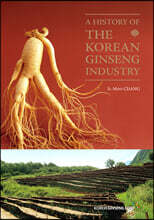
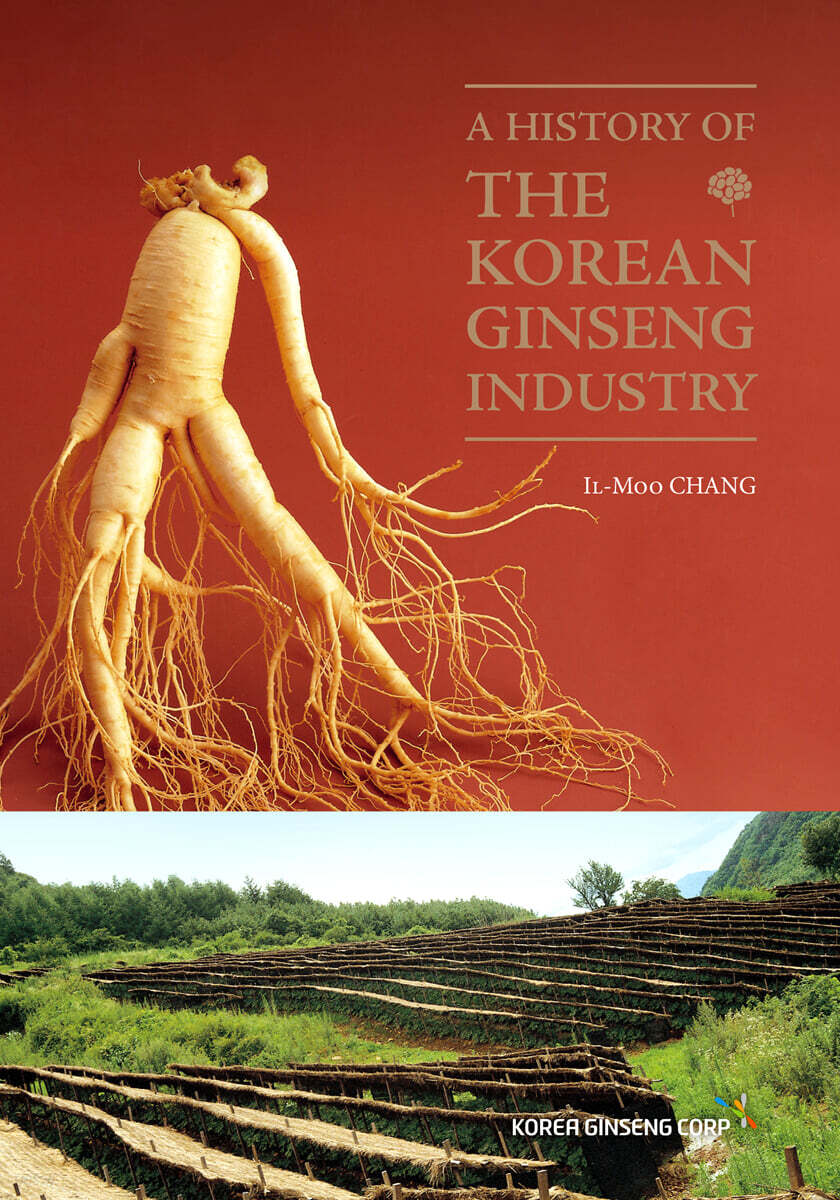
KOREAN GINSENG The name “insam (ginseng),” the commercial crop representing Korea, is quite familiar to every Korean. I believe that most Koreans have had the experience of having one or two ginseng products in their life. It is a blessing given to them for being born in Korea, the suzerain of ginseng. There have been many books and press reports about ginseng. However, most of them are fragmentary information, unofficial content, or overly academic. Ordinary people reading these materials could be misled by the overly mystical or exaggerated information about Korean ginseng, fail to see the facts, or otherwise have difficulties understanding the content at all for it being too academic. I decided to write this book, “A HISTORY OF THE KOREAN GINSENG INDUSTRY,” in a way that ordinary readers would understand and ginseng experts to use as a reference. It is only my wish, and I am not sure whether it turned out the way I intended. I will leave that up to readers. Still, I would like to frankly confess and ask for an excuse that it was beyond my capacity despite my efforts to make it reader-friendly by combing through the works of writers from various fields, journalists, and experts in other areas for the terms, words, and sentences familiar to readers, as I have primarily been an author of scientific papers. The books on the history of Korean ginseng that have been published until today are the “History of Ginseng,” which comprises seven volumes were written by a group of experts over a decade during the period under Japanese rule. The whole series was published by the Monopoly Bureau of the Governor-General of Korea in 1935 (editor: Tomo Iwamura, 今村?) and the “History of Korean Ginseng” in two volumes, written by several domestic experts of ginseng in 2002 (The History of Korean Ginseng Compilation Committee). These two books are indeed quite essential reading materials in terms of the history of ginseng science and academic aspects. However, they are difficult to understand in terms of the status of Korean ginseng and the direction in which the Korean ginseng industry has evolved within the context of the 500-year history of the Joseon Dynasty and of the world’s history of ginseng with a sense of coherence and by pointing out essential aspects. Until Korean ginseng gained its reputation, there were tremendous efforts made by the great ginseng industry people (蔘業人) of past generations who invented the “artificial cultivation method for ginseng” and a “method for manufacturing red ginseng,” enabling the industrialization of ginseng regardless of the Joseon Dynasty’s ignorance against the preciousness of ginseng, the continuous exploitation of people, and the suppression of commerce. I want to stress the fact that the industrialization of ginseng was entirely achieved by the sweat and wisdom of grassroots people without any help from the Joseon Dynasty at all. Modern science and technology were applied to ginseng cultivation and the development of ginseng products at the end of the Joseon Dynasty era and under Japanese rule through the Residency - General and Governor - General to facilitate exploitation. It is an “uncomfortable truth” that this was when the modernization of the ginseng industry began. However, the ginseng industry people pioneered the ginseng market on their own with the techniques they learned under Japanese rule. I neither added nor subtracted the circumstances of the times in which they had to live. Writing this book gave me the chance to enjoy the intellectual pleasure of reading and learning from the works of various experts in Korea and outside, which helped me enormously. Instead of listing their assistance one-by-one, I would like to keep my gratitude in my heart and express it whenever I have the chance. Also, I would like to acknowledge the tremendous support provided by the Korea Ginseng Corporation and the generous help provided by its officials and express my deep appreciation for them. I will be happy if this book serves as a stepping stone for future research. January 2021 Il-Moo CHANG, Professor Emeritus, Seoul National University |
사락 별점0
혜택 및 유의사항밑줄0
혜택 및 유의사항
35,000원
총 1개
35,000원