

소득공제
청년패스
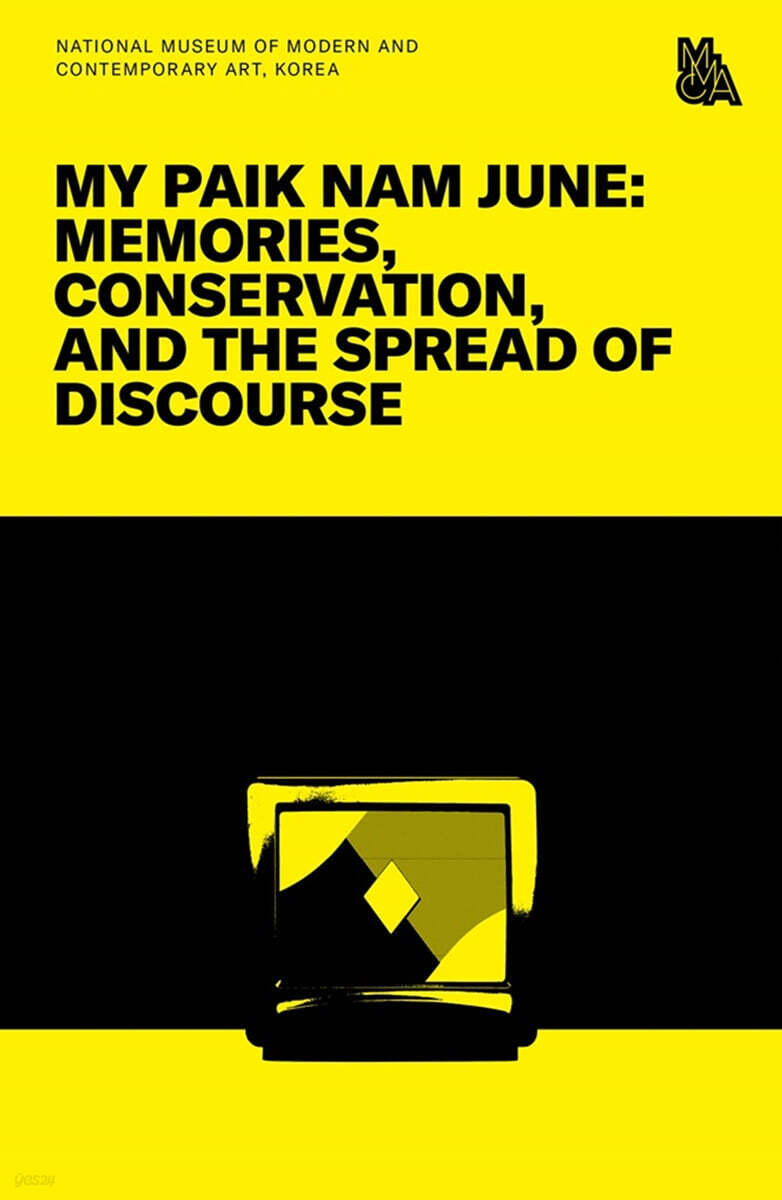
MY PAIK NAM JUNE : MEMORIES, CONSERVATION, AND THE SPREAD OF DISCOURSE
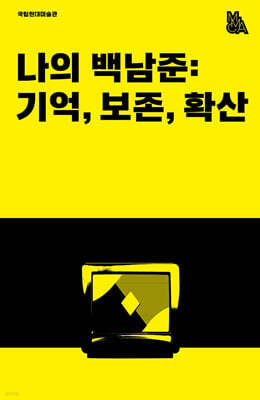
나의 백남준: 기억, 보존, 확산
영어판
이미 소장하고 있다면 판매해 보세요.
- 국내배송만 가능
- 문화비소득공제 가능
관련 상품
이 상품의 태그
책소개
목차
|
3 Foreword
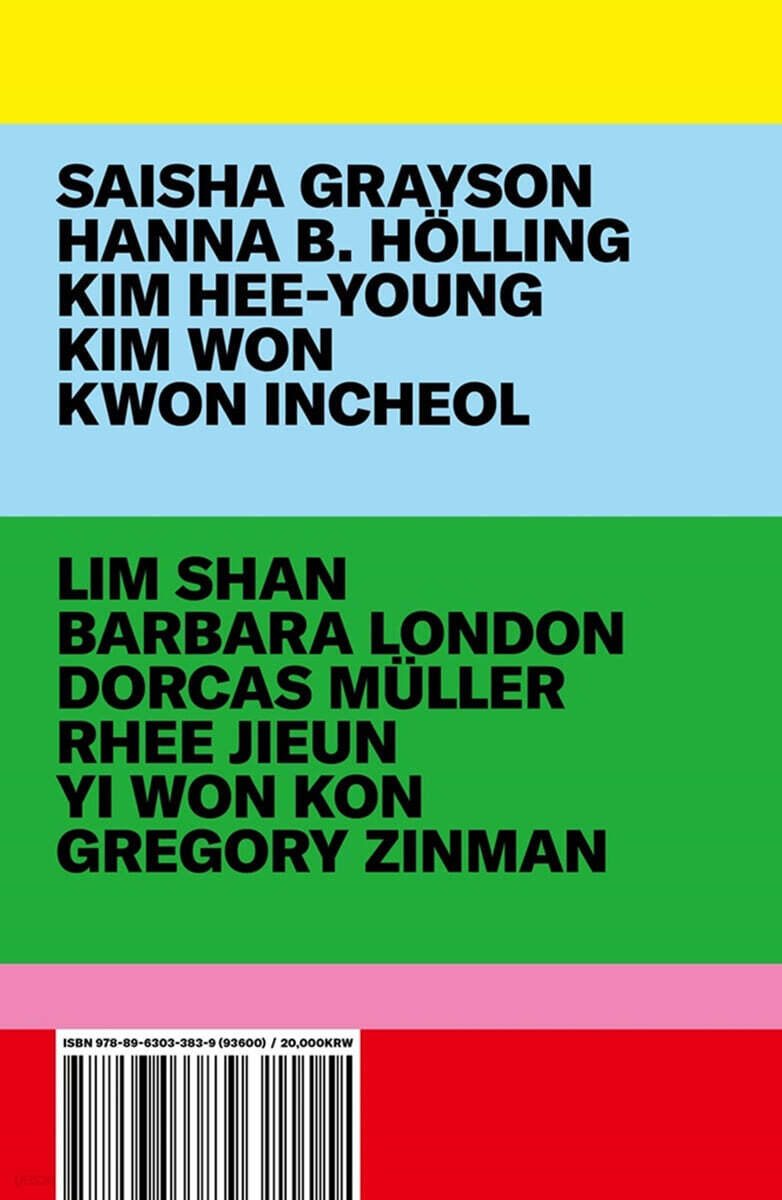
5 INTRODUCTION TO MY PAIK NAM JUNE: MEMORIES, CONSERVATION, AND THE SPREAD OF DISCOURSE Ⅰ. MEMORIES AND LEGACY 15 Paik Nam June: Visionary Artist and Diplomat / Barbara London 27 Collaboration with/in Paik’s Archive at the Smithsonian American Art Museum / Saisha Grayson 45 The Power and Significance of Paik Nam June’s Writing / Lim Shan 65 16 Ad: Stirring Memories of The More, The Better / Kim Won Ⅱ. MEDIA ART AND CONSERVATION 83 Can We Talk Post-preservation? A Letter to Paik Nam June / Hanna B. Holling 97 Paik Nam June and TV Technology / Yi Won Kon 119 Asanas for Media Art Conservation / Dorcas Muller 137 Conservation and Restoration of The More, The Better: Maintaining Past Artwork with Present Technology while Preparing for the Future / Kwon Incheol Ⅲ. SPREAD OF DISCOURSE 159 Unexpected Encounter: Global Groove and Beyond / Rhee Jieun 183 Paik Nam June’s Electronic Television: Realizing Dada’s Vision of Machine Art / Kim Hee-Young 203 Openings and Loopholes: Paik’s Pathways for Contemporary Art / Gregory Zinman |
저자 소개 1
National Museum of Modern and Contemporary Art, Korea
1969년 경복궁에서 개관한 국립현대미술관은 이후 1973년 덕수궁 석조전 동관으로 이전하였다가 1986년 현재의 과천 부지에 국제적 규모의 시설과 야외조각장을 겸비한 미술관을 완공, 개관함으로써 한국 미술문화의 새로운 장을 열었다.
1998년에는 서울 도심에 위치한 덕수궁 석조전 서관을 국립현대미술관의 분관인 덕수궁미술관으로 개관하여 근대미술관으로서 특화된 역할을 수행하고 있다. 그리고 2013년 11월 과거 국군기무사령부가 있었던 서울 종로구 소격동에 전시실을 비롯한 프로젝트갤러리, 영화관, 다목적홀 등 복합적인 시설을 갖춘 국립현대미술관 서울을 건립·개관함으로써 다양한
1969년 경복궁에서 개관한 국립현대미술관은 이후 1973년 덕수궁 석조전 동관으로 이전하였다가 1986년 현재의 과천 부지에 국제적 규모의 시설과 야외조각장을 겸비한 미술관을 완공, 개관함으로써 한국 미술문화의 새로운 장을 열었다.
1998년에는 서울 도심에 위치한 덕수궁 석조전 서관을 국립현대미술관의 분관인 덕수궁미술관으로 개관하여 근대미술관으로서 특화된 역할을 수행하고 있다. 그리고 2013년 11월 과거 국군기무사령부가 있었던 서울 종로구 소격동에 전시실을 비롯한 프로젝트갤러리, 영화관, 다목적홀 등 복합적인 시설을 갖춘 국립현대미술관 서울을 건립·개관함으로써 다양한 활동을 통해 한국의 과거, 현재, 미래의 문화적 가치를 구현하고 있다. 또한 2018년에는 충청북도 청주시 옛 연초제조창을 재건축한 국립현대미술관 청주를 개관하여 중부권 미술문화의 명소로 자리잡고 있다.
1998년에는 서울 도심에 위치한 덕수궁 석조전 서관을 국립현대미술관의 분관인 덕수궁미술관으로 개관하여 근대미술관으로서 특화된 역할을 수행하고 있다. 그리고 2013년 11월 과거 국군기무사령부가 있었던 서울 종로구 소격동에 전시실을 비롯한 프로젝트갤러리, 영화관, 다목적홀 등 복합적인 시설을 갖춘 국립현대미술관 서울을 건립·개관함으로써 다양한 활동을 통해 한국의 과거, 현재, 미래의 문화적 가치를 구현하고 있다. 또한 2018년에는 충청북도 청주시 옛 연초제조창을 재건축한 국립현대미술관 청주를 개관하여 중부권 미술문화의 명소로 자리잡고 있다.
국립현대미술관의 다른 상품
품목정보
- 발행일
- 2023년 11월 29일
- 쪽수, 무게, 크기
- 224쪽 | 150*230*20mm
- ISBN13
- 9788963033839
책 속으로
|
While this book is ostensibly based on the results of an international symposium held to commemorate the ninetieth anniversary of Paik Nam June’s birth, it also seeks to go beyond simply remembering him and summarizing his achievements, and to bring his artistic experimentation into the present. In fact, as the conservation and restoration process of The More, The Better has shown, the task of preserving his works, which are now part of the collections at many institutions around the world, in a way that is relevant to today’s viewers is a significant challenge for conservators and institutions. As such, the diverse opinions on media art conservation raised in this book can serve as a meaningful reference for a variety of issues that may be encountered in the future. In addition, this research publication also aims to draw attention to the potential of Paik’s legacy for future generations. In conclusion, the spirit of experimentation that Paik pursued is still relevant today, and his imagination continues to be further expanded on by artists of later generations. His artistic output throughout his life was vast, and his experiments were always in a category all their own. To be sure, it still takes a great deal of time and effort to get to know the creative artist known as Paik Nam June, whose artistic achievements were clearly ahead of their time. In any event, we know that our Paik Nam June is still smiling brightly in the photo of him looking up at his work that was taken at the opening ceremony of The More, The Better all those years ago.
--- p.9, 「Han Jungin (Curator, National Museum of Modern and Contemporary Art, Korea) INTRODUCTION TO MY PAIK NAM JUNE: MEMORIES, CONSERVATION, AND THE SPREAD OF DISCOURSE」중에서 In the mid-1970s, whenever Paik was in town, he would stop by my minuscule MoMA office at the end of a long hallway. Surrounded by an overflowing bookshelf and an overstuffed filing cabinet, we would sit and chat about his new projects and the state of video and the world. He usually arrived with an armful of treasures: his out-of-print early catalogs, old, yellowed newspaper clippings with reviews that he would sign, posters, and other rare printed matter. In his inimitable sagacity, he knew that my collection of ephemera documenting video’s history would one day become an important research archive at MoMA. He knew I would save and organize everything, which I did. Eventually, I transferred it all to the MoMA Library, where it became important resource material. Barbara London --- p.24, 「Paik Nam June: Visionary Artist and Diplomat」중에서 |
출판사 리뷰
|
Chapter 1, “Memories and Legacy,” approaches Paik’s artistic practice by reflecting on his life and the legacy he left behind. Beginning with Paik’s early career and detailing his activities in the United States from the mid-1960s onward, Barbara London, a former curator at the Museum of Modern Art in New York, provides a vivid portrait of the New York art scene at a time when media art was emerging as a result of the increasing interaction between art and technology.
Saisha Grayson, Curator of Time-Based Media at the Smithsonian American Art Museum (SAAM), highlights the meaning of collaborating with Paik through the Nam June Paik Archive held by SAAM. Lim Shan, a professor at Dongduk Women’s University’s Department of Curatorial Studies and Art Management, analyzes the meaning of Paik Nam June’s writings from a contemporary perspective and explores the aesthetic meaning and significance of Paik Nam June’s writings that reveal his experimental nature and creativity. Architect Kim Won, principal architect at the architectural research office Kwangjang, remembers his collaboration with Paik in the 1980s when he was designing the frame structure for The More, The Better. Chapter 2, “Media Art and Conservation,” explores the technological achievements that made the reactivation of The More, The Better possible and, in a more general sense, the meaning of conserving artworks. Hanna B. Holling, an honorary associate professor at University College London, discusses the conservation of Paik Nam June’s works in a multifaceted context of art history, materials, and technology. Media artist and the president of the Korean Society of Basic Design & Art Yi Won Kon talks about the conservation goal of Paik Nam June’s video installations in the context of analog technology. Dorcas Muller is the head of the Laboratory for Antiquated Video Systems at the ZKM | Center for Art and Media Karlsruhe. Her work brings the concept of conservation from ancient Indian literature into the present. One of the MMCA's conservators, Kwon Incheol, shares the conservation and restoration process of The More, The Better, which showed potential problems with conservation due to aging equipment from the time it was installed. Chapter 3, “Spread of Discourse,” discusses the influence and potential that Paik Nam June’s artistic practice still has today. Focusing on Paik’s satellite works and his role as a cultural curator in Korea, Rhee Jieun, a professor at Myongji University’s Department of Art History, examines his vision of globalization and traces how the connectivity he so passionately sought manifested itself in his works and practice. Kim Hee-young, a professor at Kookmin University’s Department of Fine Art, connects the work of Paik Nam June, who rejected traditional artistic conventions and instead sought to fuse sound and image through electronic experimentation, to the artistic vision of Dada artist Raoul Hausmann from a media archaeology perspective. Gregory Zinman, an associate professor at the School of Literature, Media, and Communication at the Georgia Institute of Technology, suggests directions and pathways for contemporary art that can be connected to the principles of Paik’s art. |
리뷰/한줄평0
20,000원
총 1개
20,000원
