

이미 소장하고 있다면 판매해 보세요.
- 국내배송만 가능
- 문화비소득공제 가능
관련 상품
이 상품의 태그
목차
|
Preface
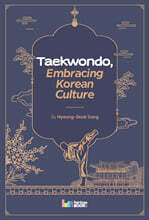
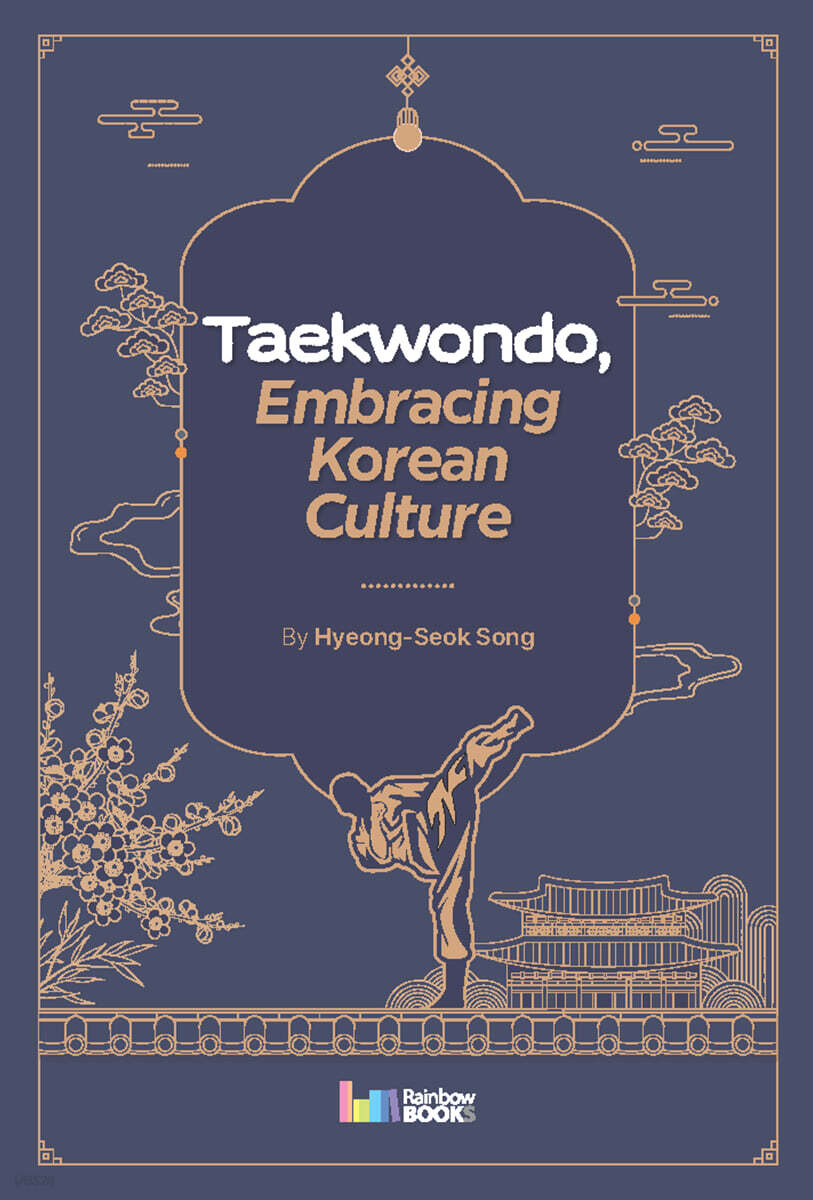
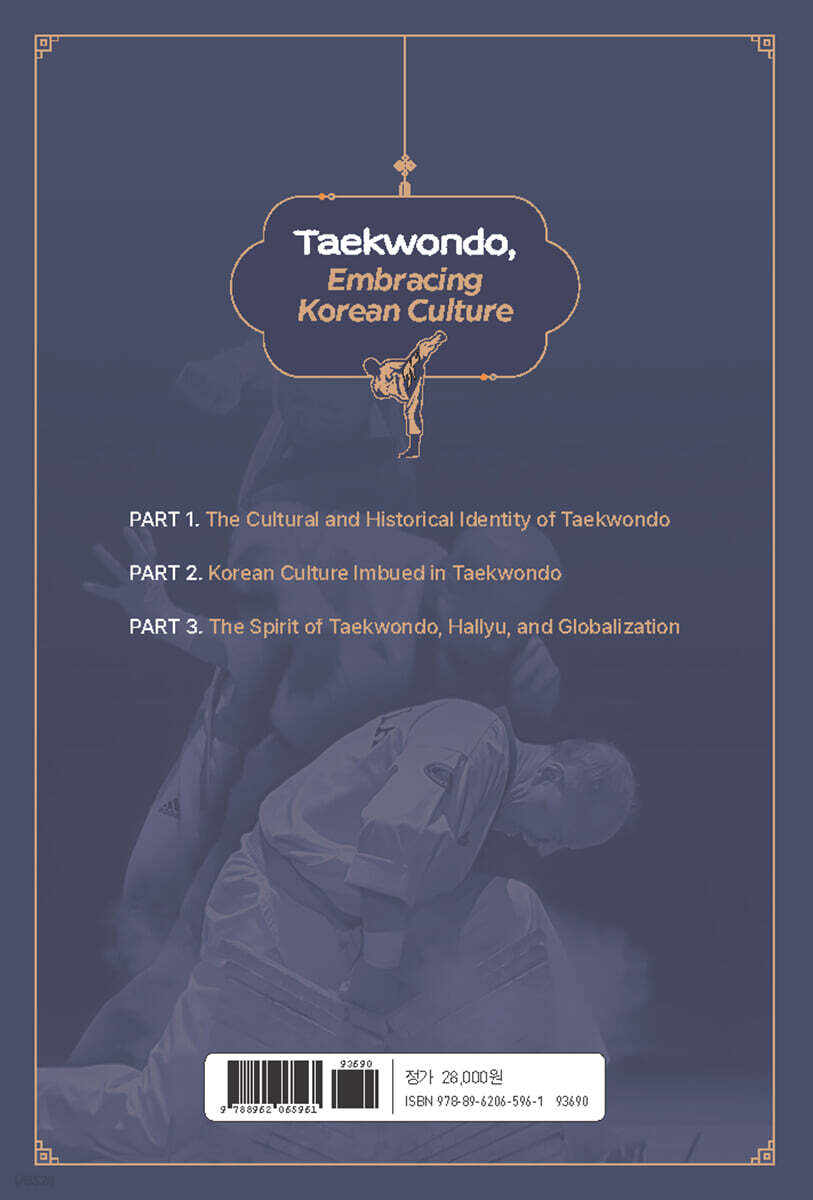
PART 1. The Cultural and Historical Identity of Taekwondo / 13 I. Culture as the Artificial Transformation of Nature ·· 15 1. The Polysemy of the Concept of Culture ············································· 15 2. The Dual Character of Nature and the Classification of Culture ······ 25 3. Modes of Transforming Nature in the East and the West ················ 32 4. A Comparison of Western and Eastern Physical Culture: Sports and Martial Arts ···· 40 5. The Cultural Identity of Taekwondo ······················································ 45 II. Taekwondo as a Traditional Korean Martial Art ···· 47 1. The Historical Debate over Taekwondo ················································ 47 2. The Concepts and Conditions of "Tradition" ········································· 52 3. The Criteria for Traditional Martial Arts ················································· 57 4. Taekwondo as a Traditional Korean Martial Art ··································· 62 5. Conclusion of the Debate ········································································ 68 III. What is Taekwondo? ················································· 71 1. Reconstructing the Definition of Taekwondo ······································ 72 2. Self-Defense and Self-Realization ······················································· 76 3. Empty-Hand Defensive and Offensive Techniques Specialized in Kicking ··· 83 4. Suryeon (Cultivation / Practice) ······························································ 89 5. Martial Arts Sport ······················································································ 93 [Supplement] The Origins of the Names "Taekwondo" and "Taekkyeon" ·· 98 IV. Traditional Korean Unarmed Martial Arts ··········· 101 1. Subak: The Unarmed Martial Art of Antiquity ···································· 102 2. Unarmed Martial Arts of the Goryeo Dynasty: Subak, Subakhui, and Obyeongsubakhui ···· 114 3. Subak in the Early Joseon Dynasty ····················································· 123 4. Gwonbeop in the Mid-Joseon Dynasty ············································· 128 [Supplement] The Muyedobotongji ··························································· 137 5. Taekkyeon: The Unarmed Martial Art Since the 18th Century ······· 140 PART 2. Korean Culture Imbued in Taekwondo / 151 V. Taekwondo Dobok and Hanbok ······························· 153 1. The Tradition of the "White-Clad People" ·········································· 154 2. The Origins and Development of Hanbok ·········································· 160 3. The Science and Aesthetics of Hanbok ·············································· 164 4. The Emergence and Development of the Taekwondo Dobok ······· 167 5. The Evolution of Taekwondo Competition Uniforms ······················· 172 VI. The Theory of Yin-Yang and the Five Elements Embodied in Belt Colors ····· 179 1. The Origins and Functions of the Martial Arts Belt ·························· 180 2. The Five Belt Colors and the Theory of Yin-Yang and the Five Elements ······· 185 3. Application of Yin-Yang and the Five Elements in Daily Korean Life ··· 192 4. Belt Colors and the Hierarchical System in Taekwondo ·················· 198 5. How to Tie the Taekwondo Belt ·························································· 201 VII. Kukkiwon Clothed in Hanok (Traditional Korean House) ············· 203 1. The Background of Kukkiwon's Establishment ································· 203 2. Core Projects and Objectives of Kukkiwon ········································ 210 3. The Aesthetics of Hanok ······································································· 214 4. The Science of Hanok ············································································ 218 VIII. Dojang - What Kind of Place is It? ······················· 221 1. Dojang as a Sanctuary for Enlightenment and Practice ·················· 221 2. The Three Faces of Taekwondo Dojangs in Reality ························· 227 3. The Crisis of Modern Dojangs - Conflict Between Extrinsic and Intrinsic Goods ···· 230 4. Harmony of Function and Value - The Wisdom of Munmu-gyeomjeon (Mastery of Both the Literary and Martial) ····· 232 5. Dojang - A Space Moving from Sul (Technique) to Do (The Way) ·· 235 IX. Sabum (Master) - From Technique Instructor to Life Guide ··········· 237 1. The Etymology and Modern Meaning of Sabum ······························· 237 2. The Traditional Images of a Teacher ··················································· 241 3. The Modern Images of an Educator ···················································· 244 4. The Dual Identity of the Sabum ··························································· 246 5. The Future-Oriented Image of the Sabum ········································ 249 [Supplement] Virtues of a Taekwondo Sabum ········································ 251 X. Taekwondo and Traditional Korean Etiquette ······ 257 1. The Traditional Korean Society that Valued Ye-ui (Propriety) ········ 257 2. Ye-ui (Propriety) and Ye-jeol (Etiquette) ··········································· 265 3. Traditional Korean Etiquette ································································· 270 4. Etiquette for Martial Arts Practitioners vs. the General Public ······· 280 5. Etiquette in Taekwondo ········································································ 287 XI. Taekwondo Poom/Dan Promotion Test as a Ritual ·· 295 1. Meaning and Function of Ritual ··························································· 295 2. Rituals in Traditional Korean Society ··················································· 299 3. Taekwondo Promotion Test as a Rite of Passage ···························· 301 4. Current Status of Taekwondo Promotion Test and the Lack of Ritualistic Character ····· 303 5. Recovery of Rituality and Institutional Improvement ······················· 309 PART 3. The Spirit of Taekwondo, Hallyu, and Globalization / 315 XII. Traditional Korean Thought Embedded in the Taekwondo Spirit ··················································· 317 1. The Meaning of the Taekwondo Spirit ················································ 317 2. Functions of the Taekwondo Spirit ······················································ 322 3. The Taekwondo Spirit - Geukgi (Overcoming Oneself) ·················· 325 4. The Taekwondo Spirit - Hongik (Benefiting Mankind Widely) ······· 331 5. Korean Thought Pervading the Taekwondo Spirit ···························· 335 XIII. Taekwondo as the Original Hallyu ····················· 341 1. The Rise of Soft Diplomacy ·································································· 341 2. Private-led Taekwondo Soft Diplomacy (1950s-1970s) ················· 346 3. Government-led Taekwondo Soft Diplomacy (1970s-Present) ···· 352 4. Challenges of Soft Diplomacy Through Taekwondo ························ 356 XIV. The Uniqueness of Taekwondo and Its Success in Globalization ····· 359 1. Introduction ····························································································· 359 2. Invasion Biology as a Theoretical Background ·································· 364 3. Cultural Interpretation of Biological Characteristics ························· 369 4. The Distinctiveness and Requisite Variety of Taekwondo ·············· 375 5. Conclusion ······························································································· 389 References ······································································ 392 Appendix: Glossary of Classical Korean Texts ············ 402 About the Author ··························································· 404 |
저자 소개 1
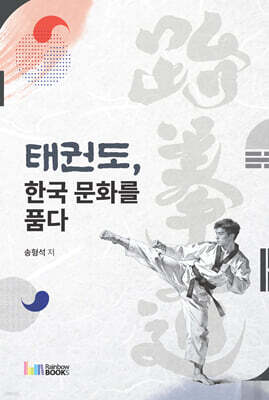
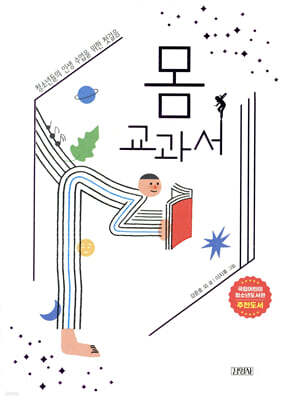
저자 송형석은 충북 증평에서 태어났으며, 서울 경성중고등학교를 졸업하고, 서울대학교 체육교육과와 동 대학원에서 체육학을 전공했다. 1991년 독일 쾰른에 유학하여 철학, 사회학, 교육학 등을 공부하고 체육학(스포츠철학) 박사학위를 받았다. 1999년부터 계명대학교 태권도학과 교수로 재직하고 있으며, 2008년부터 2009년까지 독일 쾰른 체육대학 철학과에서 객원교수로, 2020년부터 2021년까지는 독일 도르트문트 기술대학에서 초빙교수로 활동했다. 2018년부터 2019년까지 한국체육철학회 제16대 회장을 역임했다. 주요 저서와 역서로는 『몸 교과서: 청소년들의 인생 수업을 위한
저자 송형석은 충북 증평에서 태어났으며, 서울 경성중고등학교를 졸업하고, 서울대학교 체육교육과와 동 대학원에서 체육학을 전공했다. 1991년 독일 쾰른에 유학하여 철학, 사회학, 교육학 등을 공부하고 체육학(스포츠철학) 박사학위를 받았다. 1999년부터 계명대학교 태권도학과 교수로 재직하고 있으며, 2008년부터 2009년까지 독일 쾰른 체육대학 철학과에서 객원교수로, 2020년부터 2021년까지는 독일 도르트문트 기술대학에서 초빙교수로 활동했다. 2018년부터 2019년까지 한국체육철학회 제16대 회장을 역임했다. 주요 저서와 역서로는 『몸 교과서: 청소년들의 인생 수업을 위한 첫걸음』(공저, 2022년 세종도서 선정), 『태권도의 철학적 탐구』(공저, 2012년 문화체육관광부 우수 학술도서 선정) 등이 있으며, 역서로는 『루만 핸드북 1(생애, 저작, 영향)』(공역, 2024년 세종도서 선정), 『사회의 스포츠: 루만의 체계이론에 기초한 연구』(공역, 2017년 대한민국학술원 우수학술도서 선정), 『근대 스포츠의 본질: 제례에서 기록으로』(역, 2009년 대한민국학술원 우수학술도서 선정) 등이 있다. 이 외에도 100편 이상의 연구 논문과 30권 이상의 저서 및 역서를 집필하거나 번역했다.
송형석의 다른 상품

품목정보
- 발행일
- 2026년 06월 26일
- 쪽수, 무게, 크기
- 406쪽 | 152*225*30mm
- ISBN13
- 9788962065961
출판사 리뷰
|
저자 서문
If I were to express the essence of the cultural phenomenon known as Taekwondo in a single phrase, I would not hesitate to call it the "simultaneity of the non-simultaneous"(Gleichzeitigkeit des Ungleichzeitigen).* This term refers to a situation where elements that cannot chronologically coexist appear together at the same moment. It describes a phenomenon where heterogeneous temporal elements are intertwined—much like a grandfather and grandson sitting across from each other at the same dinner table, sharing a meal while harboring entirely different thoughts and value systems Today, Taekwondo is the cultural arena where this "simultaneity of the non-simultaneous" is most vividly manifested. Unlike relatively closed cultural domains such as religion or ritual, Taekwondo has maintained an exceptionally open attitude throughout its historical evolution and regional exchanges. Consequently, Taekwondo exists as a layer of cohabiting traditional and modern values, as well as Eastern and Western norms. Specifically, what Wilhelm Pinder described as the "difference in generations" also appears in Taekwondo as a "difference in regions." While Taekwondo in Korea has evolved into a modern sport integrated with cutting-edge sports science, thousands of Dojang s across the globe still emphasize strict martial arts hierarchy and mental cultivation, preserving original forms from decades ago. This coexistence and intersection of values from different timelines within the single system of Taekwondo constitutes its unique and core cultural attribute. The definition of Taekwondo as a "martial arts sport," as prescribed by Kukkiwon, perfectly illustrates this attribute. This expression multi- dimensionally implies the pre-modern value of "Oriental martial arts" alongside the modern rationality of "Western sports." This combination, which may seem like an oxymoron at first glance, is the very core of Taekwondo's identity. In the Dobok(uniform), the archetype of traditional clothing and modern functionality coexist; in the figure of the Sabum(instructor), the strict "traditional image of a master" and the rational "modern image of an educator" overlap. I planned the writing of this book to academically illuminate these complex and subtle cultural layers. Beyond my scholarly curiosity, my responsibility as an educator served as a primary motivation for bringing this book into the world. Since around 2009, I have operated a liberal arts course titled "Taekwondo and Traditional Korean Culture." I have strived to convey the history and philosophy of Taekwondo, and the Korean culture embedded within it, to non-majors in a manner that is comprehensive yet accessible. Out of the 16-week semester, I covered a new topic every week across 14 core themes, excluding orientation and exams, communicating with students through materials summarized from my previously published papers and books. The moments when students, initially unfamiliar with Taekwondo, found their eyes sparkling as they discovered the Korean spiritual heritage within the art were deeply rewarding for me. While I always lamented the absence of a proper textbook and postponed writing for various reasons, my desire to compile my years of lecture notes into a single volume has finally borne fruit as I conclude my tenure of research and teaching. This book is organized into three major movements. Part 1 (ChaptersⅠ -Ⅳ) theoretically investigates the cultural and historical identity of Taekwondo. It examines the cultural context of Taekwondo's birth through philosophical anthropology and a comparison of Eastern and Western physical cultures. It argues for the historical legitimacy of Taekwondo as a traditional Korean martial art by deconstructing and reconstructing the very concept of "tradition." Furthermore, it traces the roots of Korean empty-hand martial arts through the historical flow from subak (手搏) to Gwonbeop ( 拳法) and finally to taekkyeon . Part 2 (Chapters Ⅴ-Ⅺ) unfolds the specific cultural elements that constitute Taekwondo. It sequentially addresses the relationship between the Dobok and hanbok; the philosophy of Yin-Yang and the Five Elements embedded in belt colors; the Kukkiwon building which embraces the aesthetic of hanok architecture; the essence of the Dojang as a site (madang ) that must lead from the transmission of technique (sul) to the Way (Do); the instructor who must build an identity between the traditional master and the modern educator; the depths of traditional Korean etiquette; and the meaning and challenges of promotion tests as rituals (uirye ). These chapters demonstrate how much of the Korean cultural code is implied in the physical language of Taekwondo. Part 3 (Chapters Ⅻ-XIV)views Taekwondo with a broader perspective. It analyzes the layers of Hongik Ingan(broadly benefiting humanity), Dangun mythology, Buddhism, Taoism, and Confucianism within the Taekwondo spirit. It also surveys the history of the Taekwondo Hallyu (Korean Wave), from civilian-led overseas dissemination in the 1950s to today's government-led soft diplomacy. Finally, borrowing the unique theoretical framework of Invasive Biology, it explains the reasons for Taekwondo's success in globalization through the dual concepts of "uniqueness" and "requisite variety." Recently, as a reaction to the rapid digitalization of our lives, our society is once again paying attention to humanistic values. In an era where everything is datafied and the physical body is alienated, the physical language of Taekwondo becomes a powerful practical tool for restoring humanity. Even within the Taekwondo community, the thirst for humanistic reflection beyond technical proficiency is deeper than ever. For readers accustomed to viewing Taekwondo simply as a fighting technique or a sporting event, I trust this book will allow them to discover that Taekwondo is a living cultural totality—embracing hanbok and hanok , Yin-Yang and the Five Elements, rites of passage, Hongik Ingan , and soft diplomacy within a single body. I sincerely hope this book serves as a guide for students to broaden their intellectual horizons, a catalyst for instructors to reflect anew on the depth of what they transmit, and a stimulant for thought for all who love Taekwondo to feel the essence of our culture with their entire being. June 15, 2026 Hyeong-seok Song |
사락 별점0
혜택 및 유의사항밑줄0
혜택 및 유의사항
26,600원
총 1개
26,600원