
- 주문 제작 (POD) 도서로 제본 및 인쇄 품질이 다소 미흡할 수 있습니다 (해당 사유 반품 불가)
이미 소장하고 있다면 판매해 보세요.
- 국내배송만 가능
- 해외 거래처 사정에 의하여 품절/지연 가능
- 도서 정보 중 미표기 사항 안내?
- 문화비소득공제 가능
Media, Culture and Social Change in Asia
-
 Film Technology in Socialist Chinese Cinema 이동Film Technology in Socialist Chinese Cinema10% 346,330원
 -
Media and Politics in South Korea, 1960-2022 이동Media and Politics in South Korea, 1960-202210% 96,630원
-
Media and Politics in South Korea, 1960-2022 이동Media and Politics in South Korea, 1960-202210% 346,330원
-
Politics of Public Broadcasting in Britain and Japan 이동Politics of Public Broadcasting in Britain and Japan10% 94,620원
-
Global Perspectives on Journalism in Nepal 이동Global Perspectives on Journalism in Nepal10% 94,620원
-
Chinese Martial Arts Film and the Philosophy of Action 이동Chinese Martial Arts Film and the Philosophy of Action10% 94,620원
-
Politics of Public Broadcasting in Britain and Japan 이동Politics of Public Broadcasting in Britain and Japan10% 346,330원
-
Global Perspectives on Journalism in Nepal 이동Global Perspectives on Journalism in Nepal10% 378,550원
-
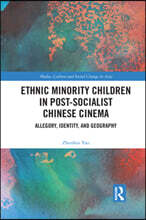
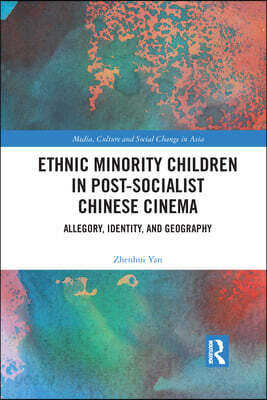
Ethnic Minority Children in Post-Socialist Chinese Cinema 이동Ethnic Minority Children in Post-Socialist Chinese Cinema10% 94,620원
-
Media, Indigeneity and Nation in South Asia 이동Media, Indigeneity and Nation in South Asia10% 98,640원
-
Chinese Martial Arts Film and the Philosophy of Action 이동Chinese Martial Arts Film and the Philosophy of Action10% 346,330원
책소개
목차
|
1 Introduction: Ethnic minority children’s allegorical functions, identity construction, and geographies in postsocialist Chinese cinema 2 Children, nature, and animals: Dai children’s adventure in a forest 3 Natural landscapes as musical spaces: Uyghur children’s yearnings in a national narrative 4 Beijing and rural Guizhou in focalisations: Miao children’s relationships with the nation-state and ethnic tradition 5 Cinematic space in a relational construction: Heroes and a reconstruction of ethnic relationships through children’s interethnic interactions 6 Grasslands as transitional spaces of play: Mongol children’s reimagination of the world 7 A young lama as Sun Wukong: Contradictions and flexibility in a contemporary Tibetan child’s identity construction 8 Conclusion: Some observations about the images of ethnic minority children in postsocialist Chinese cinema |
관련 분류
품목정보
- 발행일
- 2021년 06월 30일
- 쪽수, 무게, 크기
- 160쪽 | 235g | 160*230mm
- ISBN13
- 9781032084718
사락 별점0
혜택 및 유의사항밑줄0
혜택 및 유의사항상품정보안내
(판형과 판수 등이 다양한 도서는 찾으시는 도서의 ISBN을 알려 주시면 보다 빠르고 정확한 안내가 가능합니다.)
해외거래처에서 품절인 경우, 2차 거래선을 통해 유럽과 미국 출판사로 직접 수입이 진행될 수 있습니다.
수입 진행 시점으로 부터 2~3주가 추가로 소요되며, 해외에서도 유통이 원활하지 않은 도서는 품절 안내가 지연될 수 있습니다.
해당 경우, 문자와 메일로 별도 안내를 드리고 있사오니 마이페이지에서 휴대전화번호와 메일주소를 다시 한번 확인해주시기 바랍니다.
