
이미 소장하고 있다면 판매해 보세요.
- 국내배송만 가능
- 문화비소득공제 가능
카드뉴스로 보는 책


상세 이미지
.jpg)
책소개
관련 동영상
목차
|
프롤로그 1 우리들의 자화상, 『박정희와 김대중의 대화』
프롤로그 2 이 책의 독자를 위해 제1부_ 인간적 대화: 나는 누구인가? 어린 시절과 어머니/ 민족적 비애/ 가난/ 둘이 만났던 순간들/ 기뻤던 순간들/ 슬펐던 순간들/ 눈물/ 정치와 권력/ 생과 사, 그리고 유언/ 성찰과 이해, 그리고 상생 제2부_ 철학적 대화: 사회와 역사를 어떻게 볼 것인가? 인간, 사회, 역사/ 경제성장/ 민주주의/ 지역감정과 색깔 논쟁/ 외교전략: 미국과 일본/ 민족과 민족주의/ 민족분단과 통일 제3부_ 역사적 대화: 박정희와 김대중이 얽혀 살아온 역사 현장들 한국전쟁/ 이승만 정부와 장면 정부/ 4·19/ 5·16/ 한일회담/ 월남파병/ 경부고속도로/ 삼선개헌/ 1971년 대선/ 전태일/ 새마을운동/ 7·4 남북공동성명/ 유신과 중화학공업화/ 김대중 납치사건/ 10·26 에필로그 1 청년과의 대화: 박정희와 김대중이 말하는 청년 에필로그 2 박정희와 김대중의 연보 참고문헌 Prologue 1 Preparing for The Dialogue between Park Chung-hee and Kim Dae-jung Prologue 2 For the readers of this book Part I An Intimate Conversation on Personal Life: Who am I? Childhood and Mother National Sorrow Poverty The Moments When the Two Met Moments of Happiness Moments of Sadness Tears Politics and Power Life, Death, and Will Reflection and Understanding, and Symbiosis Part 2 A Conversation on Political Philosophy: How do I View Society and History? Humanity, Society, History Economic Growth Democracy Regional Sentiments and Color Politics Diplomatic Strategy: the U.S. and Japan Nations and Nationalism National Division and Unification Part 3 A Conversation on Historical Events: Park Chung-hee and Kim Dae-jung's Intertwined Historical Sites The Korean War Syngman Rhee and Chang Myeon Government April 19 Student Revolution May 16 military coup d'etat South Korea-Japan Normalization Dispatch of Korean troops to Vietnam Gyeongbu Expressway Three-Term Constitutional Amendment 1971 Presidential Election Self-burning of Jeon Tae-il New Village Movement July 4. North-South Joint Statement Yushin and Heavy Chemical Industrialization Kidnapping of Kim Dae-jung Assassination of Park Chung-hee Epilogue 1. A conversation with the Youth: The Youth Depicted by Park Chung-hee and Kim Dae-jung Epilogue 2. Abbreviated Chronicle of Park Chung-hee and Kim Dae-jung References プロロ?グ 1 [朴正?と金大中の?話:我?の自?像]を見つけて プロロ?グ 2 本書の?者の皆?へ 第一部 人間的?話: 私は誰なのか? 幼少時代と母 民族的悲哀 貧困 二人が出?った瞬間 嬉しかった瞬間 悲しかった瞬間 ? 政治と?力 生と死、そして遺言 省察と理解、そして共生 第二部 哲?的?話: 社?と?史をどう見るか? 人間、社?、?史 ??成長 民主主義 地域感情と理念論? 外交?略: 米?と日本 民族と民族主義 民族分?と統一 第三部 ?史的?話: 朴正?と金大中が生きてきた現場 朝鮮?? 李承晩政府と張勉政府 四月革命 5·16軍事ク?デタ? 日韓?談 ベトナム派兵 京釜高速道路 三選改憲 1971年 大統領選? チョン·テイル セマウル運動 7·4 南北共同?明 維新?制と重化?工業化 金大中拉致事件 朴正?暗殺事件 エピロ?グ 1 ?年との?話: 朴正?と金大中が語る?年 エピロ?グ 2 朴正?と金大中の略? ?考文? |
저자 소개 1
연세대학교 정치외교학과를 졸업하고 동 대학원에서 1995년에 박사학위를 받았다. 2002년부터 연세대학교 국제학대학원 교수로 한국과 동아시아 정치경제와 역사를 강의하고 있다. 학부에서부터 한국현대사에 관심이 많았고 역사적 사실과 정치경제적 이론을 접목하는 것을 연구의 본령으로 여겨 왔다. 포항제철 성공 요인에 관한 박사 논문을 준비하면서 박태준 회장과 장시간 인터뷰를 진행하였고 박정희 시대에 관한 많은 연구 논문을 발표하였다. 2004년부터 2009년까지 연세대학교 김대중도서관 관장으로서 전시실을 개관하고 사료를 발굴 보존하는 데 힘썼고, 이를 기초로 『김대중 연보 1924-20
연세대학교 정치외교학과를 졸업하고 동 대학원에서 1995년에 박사학위를 받았다. 2002년부터 연세대학교 국제학대학원 교수로 한국과 동아시아 정치경제와 역사를 강의하고 있다. 학부에서부터 한국현대사에 관심이 많았고 역사적 사실과 정치경제적 이론을 접목하는 것을 연구의 본령으로 여겨 왔다. 포항제철 성공 요인에 관한 박사 논문을 준비하면서 박태준 회장과 장시간 인터뷰를 진행하였고 박정희 시대에 관한 많은 연구 논문을 발표하였다. 2004년부터 2009년까지 연세대학교 김대중도서관 관장으로서 전시실을 개관하고 사료를 발굴 보존하는 데 힘썼고, 이를 기초로 『김대중 연보 1924-2009』, 『김대중 저작목록집』, 『김대중전집 I』 등을 대표 집필하고 출간하였다. 아울러 40여 회에 걸친 인터뷰를 진행하여 〈김대중 구술사〉를 구축하였고 김대중에 관한 다수의 연구 결과를 출간하였다.
1995년부터 2001년까지 삼성경제연구소에서 수석연구원으로 근무한 바 있고, 이후 일본의 게이오대학과 캐나다의 브리티시 콜롬비아대학(UBC) 그리고 토론토대학(UofT)에서 방문 교수를 지낸 바 있다.
박정희와 김대중에 관한 그의 대표적인 연구로는, “박정희 정권의 산업화전략 선택과 국제정치경제적 맥락”(한국정치학회보, 1996); “한국의 경제발전 궤적과 박정희모델”(선인, 2006); The Park Chung Hee Era(Harvard University Press, 2011, 공저); “1962년 박정희의 통화개혁과 한국의 민족주의”(현대정치연구, 2020); “Chaebol”(Oxford University Press, 2022); 『김대중과 한일관계』(연세대 출판문화원, 2012, 국·일문, 공저); 『김대중과 대중경제론』(연세대 출판문화원, 2013, 국·영문, 공저); 『김대중과 한국야당사』(연세대 출판문화원, 2013, 국·영문, 공저); “日韓關係50年: 金大中外交を再考する”(立敎大學, 2015); The Spirit of Korean Development(Yonsei University Press, 2015); “한국 민족주의의 두 가지 길: 박정희와 김대중의 연설문 텍스트 마이닝”(현대정치연구, 2021, 공저) 등이 있다.
Sang-young Rhyu graduated from Yonsei University with degrees in political science and received his Ph.D. at Yonsei University in 1995. Since 2002, he has been teaching political economy of Korea and East Asia and Korean modern history at the Graduate School of International Studies, Yonsei University. Since his undergraduate studies, he has been interested in contemporary Korean history and has worked to combine historical facts with political and economic theory in his research. While preparing his Ph.D. dissertation on the success factors of Pohang Iron and Steel, he conducted an in-depth interview with Chairman Park Tae-joon and published many articles on the Park Chung-hee era. As the director of the Kim Dae-jung Presidential Library and Museum at Yonsei University from 2004 to 2009, he worked tirelessly to open the exhibition room and to unearth and preserve historical materials. With this background, he served as a representative in the writing and publishing of The Chronicle of Kim Dae-jung, 1924-2009, Catalog of Kim Dae-jung’s Works, and Complete Works of Kim Dae-jung I. In addition, he conducted over 40 interviews to establish the Kim Dae-Jung Oral History Collection and published a numerous array of research on Kim Dae-jung.
He served as a senior research fellow at the Samsung Economic Research Institute (1995-2001) and was a visiting professor at Keio University in Japan, the University of British Columbia, and the University of Toronto in Canada. His representative research on Park Chung-hee and Kim Dae-jung include “Park Chung-hee's Choice of Industrialization Strategies and International Political and Economic Contexts” (Korean Political Science Association, 1996, in Korean), “Korea's Economic Development Trajectory and Park Chung-hee Model” (Sunin, 2006, in Korean), The Park Chung Hee Era (Harvard University Press, 2011, co-author), “Park Chung Hee's Monetary Reform in 1962 and Korean Nationalism” (Journal of Contemporary Politics, 2020, in Korean), “Chaebol” (Oxford University Press, 2022), Kim Dae-jung and Korea-Japan Relations (Yonsei University Press, 2012, in Korean and Japanese, co-author), Kim Dae-jung and Theory of Mass Economy (Yonsei University Press, 2012, in Korean and English, co-author), 日韓關係50年: 金大中外交を再考する” (立敎大學, 2015), The Spirit of Korean Development (Yonsei University Press, 2015), and “Two Paths of Nationalism in South Korea: A Text Mining Analysis of Official Speeches of Park Chung-hee and Kim Dae-jung” (Journal of Contemporary Politics, 2021, co-author).
延世大?政治外交?科を卒業し、同大?院で1995年に博士?位を取得した。2002年から延世大??際?大?院で韓?と東アジア政治??、韓?現代史を?えている。?部時代から韓?現代史に深い?心をもっており、?史的事?と政治??的理論を融合させることを目標としてきた。ポスコ製?の成功について博士論文を準備する過程で朴泰俊?長と長時間のインタビュ?を行い、朴正?時代について多くの?究論文を?表した。2004年から2009年まで延世大?金大中?書館の館長として、展示室をオ?プンし、資料を?掘?保存する作業を行い、これを基に「金大中年譜1924-2009」「金大中著作目?集」「金大中全集Ⅰ」などを代表執筆し刊行した。ならびに40回に及ぶインタビュ?を行い「金大中オ?ラルヒストリ?」を作成し、金大中に?する多?の?究結果を刊行した。
1995年から2000年まで、サムスン???究所で主席?究員として勤務した後、慶?義塾大?とカナダのブリティッシュコロンビア大?(UBC)、ならびにトロント大?(UofT)で客員?授を務めた。朴正?と金大中に?する代表的な?究には次のものがある。
「朴正?政?の産業化?略の選?と?際政治???の脈略」(韓?政治??報、1996);「韓?の???展の軌跡と朴正?モデル」(ソンイン、2006); The Park Chung Hee Era (Harvard University Press, 2011,(共著);「1962年朴正?の通貨改革と韓?の民族主義」(現代政治?究、2020); “Chaebol” (Oxford University Press, 2022);「金大中と日韓?係」(延世大?出版文化院、2012、韓?日文、共著); 金大中と大衆??論」(延世大出版文化院、2013、韓?英文、共著); 「金大中と韓?野?史」(延世大?出版文化院、2013、韓?英文、共著); 「日韓?係50年:金大中外交を再考する」(立?大?、2005); The Spirit of Korean Development (Yonsei University Press, 2015);「韓?民族主義 二つの道:朴正?と金大中の演?文テキストマイニング」(現代政治?究、2021、共著)など。柳相榮は、常に?史がもたらす重みの前で謙?であることを心掛け、分析と結論に先だって?史現場を冷?かつリアルに描?し、探求し?けることを?究の本領としてきた。金大中と朴正??究、また韓??のグロ?バル化は彼のもう一つの目標でもある。
1995년부터 2001년까지 삼성경제연구소에서 수석연구원으로 근무한 바 있고, 이후 일본의 게이오대학과 캐나다의 브리티시 콜롬비아대학(UBC) 그리고 토론토대학(UofT)에서 방문 교수를 지낸 바 있다.
박정희와 김대중에 관한 그의 대표적인 연구로는, “박정희 정권의 산업화전략 선택과 국제정치경제적 맥락”(한국정치학회보, 1996); “한국의 경제발전 궤적과 박정희모델”(선인, 2006); The Park Chung Hee Era(Harvard University Press, 2011, 공저); “1962년 박정희의 통화개혁과 한국의 민족주의”(현대정치연구, 2020); “Chaebol”(Oxford University Press, 2022); 『김대중과 한일관계』(연세대 출판문화원, 2012, 국·일문, 공저); 『김대중과 대중경제론』(연세대 출판문화원, 2013, 국·영문, 공저); 『김대중과 한국야당사』(연세대 출판문화원, 2013, 국·영문, 공저); “日韓關係50年: 金大中外交を再考する”(立敎大學, 2015); The Spirit of Korean Development(Yonsei University Press, 2015); “한국 민족주의의 두 가지 길: 박정희와 김대중의 연설문 텍스트 마이닝”(현대정치연구, 2021, 공저) 등이 있다.
Sang-young Rhyu graduated from Yonsei University with degrees in political science and received his Ph.D. at Yonsei University in 1995. Since 2002, he has been teaching political economy of Korea and East Asia and Korean modern history at the Graduate School of International Studies, Yonsei University. Since his undergraduate studies, he has been interested in contemporary Korean history and has worked to combine historical facts with political and economic theory in his research. While preparing his Ph.D. dissertation on the success factors of Pohang Iron and Steel, he conducted an in-depth interview with Chairman Park Tae-joon and published many articles on the Park Chung-hee era. As the director of the Kim Dae-jung Presidential Library and Museum at Yonsei University from 2004 to 2009, he worked tirelessly to open the exhibition room and to unearth and preserve historical materials. With this background, he served as a representative in the writing and publishing of The Chronicle of Kim Dae-jung, 1924-2009, Catalog of Kim Dae-jung’s Works, and Complete Works of Kim Dae-jung I. In addition, he conducted over 40 interviews to establish the Kim Dae-Jung Oral History Collection and published a numerous array of research on Kim Dae-jung.
He served as a senior research fellow at the Samsung Economic Research Institute (1995-2001) and was a visiting professor at Keio University in Japan, the University of British Columbia, and the University of Toronto in Canada. His representative research on Park Chung-hee and Kim Dae-jung include “Park Chung-hee's Choice of Industrialization Strategies and International Political and Economic Contexts” (Korean Political Science Association, 1996, in Korean), “Korea's Economic Development Trajectory and Park Chung-hee Model” (Sunin, 2006, in Korean), The Park Chung Hee Era (Harvard University Press, 2011, co-author), “Park Chung Hee's Monetary Reform in 1962 and Korean Nationalism” (Journal of Contemporary Politics, 2020, in Korean), “Chaebol” (Oxford University Press, 2022), Kim Dae-jung and Korea-Japan Relations (Yonsei University Press, 2012, in Korean and Japanese, co-author), Kim Dae-jung and Theory of Mass Economy (Yonsei University Press, 2012, in Korean and English, co-author), 日韓關係50年: 金大中外交を再考する” (立敎大學, 2015), The Spirit of Korean Development (Yonsei University Press, 2015), and “Two Paths of Nationalism in South Korea: A Text Mining Analysis of Official Speeches of Park Chung-hee and Kim Dae-jung” (Journal of Contemporary Politics, 2021, co-author).
延世大?政治外交?科を卒業し、同大?院で1995年に博士?位を取得した。2002年から延世大??際?大?院で韓?と東アジア政治??、韓?現代史を?えている。?部時代から韓?現代史に深い?心をもっており、?史的事?と政治??的理論を融合させることを目標としてきた。ポスコ製?の成功について博士論文を準備する過程で朴泰俊?長と長時間のインタビュ?を行い、朴正?時代について多くの?究論文を?表した。2004年から2009年まで延世大?金大中?書館の館長として、展示室をオ?プンし、資料を?掘?保存する作業を行い、これを基に「金大中年譜1924-2009」「金大中著作目?集」「金大中全集Ⅰ」などを代表執筆し刊行した。ならびに40回に及ぶインタビュ?を行い「金大中オ?ラルヒストリ?」を作成し、金大中に?する多?の?究結果を刊行した。
1995年から2000年まで、サムスン???究所で主席?究員として勤務した後、慶?義塾大?とカナダのブリティッシュコロンビア大?(UBC)、ならびにトロント大?(UofT)で客員?授を務めた。朴正?と金大中に?する代表的な?究には次のものがある。
「朴正?政?の産業化?略の選?と?際政治???の脈略」(韓?政治??報、1996);「韓?の???展の軌跡と朴正?モデル」(ソンイン、2006); The Park Chung Hee Era (Harvard University Press, 2011,(共著);「1962年朴正?の通貨改革と韓?の民族主義」(現代政治?究、2020); “Chaebol” (Oxford University Press, 2022);「金大中と日韓?係」(延世大?出版文化院、2012、韓?日文、共著); 金大中と大衆??論」(延世大出版文化院、2013、韓?英文、共著); 「金大中と韓?野?史」(延世大?出版文化院、2013、韓?英文、共著); 「日韓?係50年:金大中外交を再考する」(立?大?、2005); The Spirit of Korean Development (Yonsei University Press, 2015);「韓?民族主義 二つの道:朴正?と金大中の演?文テキストマイニング」(現代政治?究、2021、共著)など。柳相榮は、常に?史がもたらす重みの前で謙?であることを心掛け、分析と結論に先だって?史現場を冷?かつリアルに描?し、探求し?けることを?究の本領としてきた。金大中と朴正??究、また韓??のグロ?バル化は彼のもう一つの目標でもある。
류상영의 다른 상품
품목정보
- 발행일
- 2022년 09월 10일
- 쪽수, 무게, 크기
- 392쪽 | 148*210*30mm
- ISBN13
- 9788963572635
책 속으로
|
이같이 「가난」은 본인의 스승이자 은인이다. 그렇기 때문에 이십사 시간은, 이 스승, 이 은인과 관련 있는 일에서 떠날 수가 없는 것이다. ‘소박하고 근면하고 정직하고 성실한 서민 사회가 바탕이 된, 자주 독립된 한국의 창건’ 그것이 본인의 소망의 전부이다. 동시에 이것이 본인의 생리인 것이다.
--- p.46, 박정희 내 아내는 박재옥과 박지만을 유독 무척 안타깝고 가슴 아파했습니다. 아내는 동변상련을 느끼면서 “평범한 가정의 단란함이 얼마나 그리웠을 것인가”라고 생각했습니다. 지만이의 어머니에 대하여 아주 좋은 인상을 가졌던 이희호는, 같은 어머니의 심정으로, 박재옥과 박지만의 손을 잡고 한번 따뜻하게 안아주고 싶은 마음이 간절했지만 그러지 못했던 점을 못내 아쉬워했습니다. 그 점에서 부족한 부모로서 박정희 씨와 나는 다를 게 없습니다. 대통령의 길보다 아버지의 길이 더 소중하고 힘든 일인지도 모르겠습니다. --- p.64-65, 김대중 우리 국민 광부 5천 명과 간호사 2천 명이 외화벌이를 위해 독일로 파견되어 갖은 고초를 겪으며 땀을 흘리고 있던 현장에 대통령으로서 방문한 것이었습니다. 우리 국민들이 가엾기도 하고 미안하기도 했습니다. 무엇보다 국민들의 안위를 책임져야 할 대통령으로서 무한히 침통하기도 하고 면목이 없어서 얼굴을 들 수가 없었습니다. 가난한 나라의 대통령으로서 겪었던 쓰라린 경험 중의 하나였습니다. --- p.76, 박정희 1974년 5월 20일, 당시 국외적으로는 월남전의 패색이 짙어지고 있었고 국내적으로는 유신체제에 대한 저항이 거셀 때, 나는 “내 일생 조국과 민족을 위하여”라는 휘호를 썼습니다. 이는 유신체제에 대한 나의 생각과 운명적 결말을 가장 잘 표현하고 있지 않나 생각됩니다. 나는 국내외적 도전이 격화되는 현실을 목도하면서 비상체제 없이 우리나라의 안보와 민주주의가 지켜질 수 있을지, 그리고 5·16혁명 과제 중의 하나인 잘 사는 나라를 완성할 수 있을지에 대한 고민을 하지 않을 수 없었습니다. --- p.307, 박정희 영령들이여! 김대중이가 여기 왔습니다. 꼭 죽게 되었던 내가 하느님과 여러분의 가호로 죽지 않고 살아서 7년 만에 망월동의 여러분 앞에 섰습니다. 광주! 무등산! 망월동! 감옥에서, 이국땅에서, 그리고 서울의 하늘 아래서 얼마나 나의 피눈물을 짜내고 떨리게 한 이름들이었던가! --- p.79, 김대중 나는 세상을 바꾸는 대통령이 되고 싶었다. 더러는 그런 나를 ‘대통령병 환자’로 매도했다. 그래도 개의치 않았다. 나는 정치를 심산유곡에 핀 순결한 백합화가 아니라 흑탕물 속에 피어나는 연꽃같은 것이라 여겼다. --- p.95, 김대중 정치는 생물임과 동시에 요물이지요. 생물처럼 역동적으로 움직이는 정치는 환호, 영광, 눈물, 배신, 실패, 허무 등을 맛보게 하지만, 요물같은 정치와 권력은 많은 사람에게 풀기 힘든 저주를 내리기도 하는 것 같습니다. 좁게는 권력자와 측근들, 넓게는 모든 정치인과 대다수 사회 성원들이 저주에 걸려 운명을 재촉하거나 갈 길을 잃게 하는 것이 아닌가 싶습니다. --- p.84, 박정희 1961년 11월 14일, 새로운 제국으로 올라선 강대국 미국의 케네디 대통령을 백악관에서 처음 만났을 때, 가난하고 약한 나라의 무명의 지도자로 키도 작고 얼굴도 까무잡잡한 내가 왜 굳이 검은 썬글라스를 벗지 않았는지 그 의미와 오기를 생각해 보았으면 합니다. --- p.337, 박정희 참 반가웠습니다. 그런데, 박 대표가 자기 아버지 시대에 내가 겪은 고통에 대해 사과했습니다. 뜻밖이었고 고마웠습니다. 마치 박정희 씨가 환생해 나에게 화해를 청하는 것 같았습니다. 감개무량했습니다. 살다보니 이런 일도 있구나 싶었습니다. 그리고 앞에 앉은 박 대표를 보면서 내 딸 같은 느낌이 들었습니다. 박 대표가 나에게 아버지를 대신해 사과했지만, 오히려 나는 내 딸에게 구원받은 기분이 들었습니다. --- p.110-111, 김대중 하지만, 반짝이는 별들을 위해 그리고 빛나지 않아도 자기만의 색깔로 아름답게 살아가는 수많은 별들을 위해 사회와 정치는 항상 고민하고 혁신해야 할 것입니다. 최근 청년들의 분노를 사고 있는 공정과 정의 문제도 마찬가지입니다. --- p.367, 김대중 |
출판사 리뷰
|
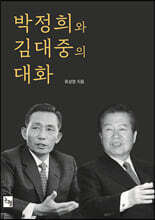
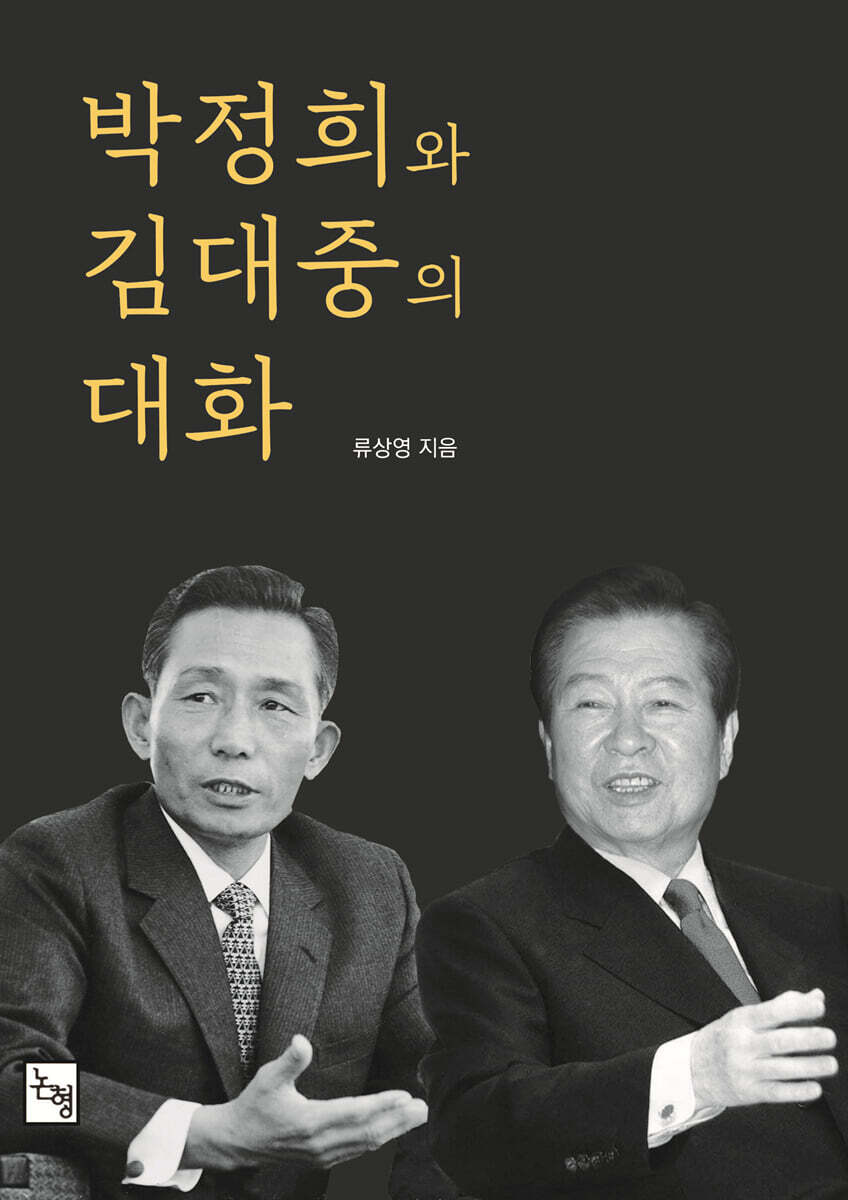
제1부 인간적 대화(“나는 누구인가?”)에서는 두 인물이 어머니, 민족적 비애, 가난, 기쁨과 슬픔, 눈물, 정치 권력, 생사관과 유언, 성찰과 상생 등에 대하여 말한다. 아무리 격동기를 헤쳐나온 인물들이라 해도, 그들 역시 연약한 인간이었고 거센 파도에 휩쓸린 한 개인이었다. 제2부 철학적 대화(“사회와 역사를 어떻게 볼 것인가?”)에서는 사회와 역사, 경제성장, 민주주의, 지역감정, 외교전략, 민족과 민족주의, 분단과 통일 등에 대한 심도깊은 논쟁이 그려진다. 그들이 평생 보여주었던 철저한 삶의 방식과 전략적 선택들은 일관된 철학적 논리와 정치적 신념 없이는 불가능했을 것이다. 제3부 역사적 대화(“박정희와 김대중이 얽혀 살아온 역사 현장들”)에서는 박정희와 김대중이 만들고 겪어온 15개의 주요 사건에 대한 그들의 생각과 족적이 생생하게 복원된다. 한국전쟁, 4·19, 5·16, 경부고속도로, 1971년 대통령 선거, 전태일, 새마을운동, 유신과 중화학공업화, 김대중 납치사건, 10·26 등이 격정적이면서도 잔잔하게 다루어진다. 에필로그에서는 청년과의 대화(“박정희와 김대중이 말하는 청년”)가 이어진다. 청년 김대중과 청년 박정희가 자신들의 청춘을 말하고 현재의 청년들과 공감하는 시간을 갖게 된다.
The Dialogue between Park Chung-hee and Kim Dae-jung A Self-Portrait of Contemporary Korean History By Sang-young Rhyu On January 1, 1968, Park Chung-hee and Kim Dae-jung meet at the New Year’s ceremony held at the Blue House with Park as the incumbent President and Kim as the future leader of the opposition party. The brief vis-a-vis exchange that ensues between them would be their first and last. This book fast-forwards half a century to modern day Korea to depict a conversation that the two leaders were unable to have during their lifetimes. The two figures respond to each other’s questions, expressing in their own words their thoughts about the times in which they lived, the world that they troubled over, and the historical events they encountered. Through the dialogue between Kim Dae-jung and Park Chung-hee, the author traces the major scenes in contemporary Korean history, the historical contexts of those scenes, and the historical roles of the two leaders in order to re-examine their respective philosophical arguments and anguish they endured. Sincere reflection and intense debates have transpired regarding perceived answers to existential questions for Park and Kim: Who am I? How do I view history and society? What motivated my actions? Despite their intense political battles and clashing views, Kim Dae-jung and Park Chung-hee together serve as a reflection or a self-portrait of contemporary Korean history and are embedded in the Korean psyche, continuing to exert their influence. This book is written in dialogue form, but its content is drawn from historical documents. In Part 1 An Intimate Conversation on Personal Life, the two characters talk about their mothers, national woes, poverty, joy and sadness, tears, political power, philosophy of life and death, their last wishes, and their reflections and reconciliation. Part 2 A Conversation on Political Philosophy examines debates on society and history, economic growth, democracy, regional sentiment, diplomatic strategies, nation and nationalism, and national division and unification. In Part 3 A Conversation on Historical Events, fifteen major events constructed and experienced by Park Chung-hee and Kim Dae-jung are vividly restored through an elaboration on their thoughts and examination of the historic steps they took. The Korean War, April 19 Student Revolution, May 16 military coup d'etat, Gyeongbu Expressway, 1971 presidential election, Jeon Tae-il, New Village Movement, Yushin and Heavy and Chemical Industrialization, abduction of Kim Dae-jung, and assassination of Park Chung-hee are dealt with passionately and soberly. The epilogue continues with a conversation with the two, but as their younger selves. Young Kim Dae-jung and young Park Chung-hee discuss their youth and empathize with the youth of modern day Korea. Though the two figures find fault with and feel anger towards the other, they also come to understand and empathize with each other. Neither hide their private regrets. This book reveals the agony and determination of these two leaders, but also depicts the sorrow of the mincho (“people of grass” who like blades of grass are innumerable, seemingly insignificant, and yet resilient and able to persevere) and the power of the minjung (“the masses of people” who like the ocean can become agitated and powerful enough to overpower whatever or whoever ventures to ride across it). Depending on how we read the historical artifacts they left behind, the scope of reflection and understanding will be broadened, and a spirit of reconciliation will blossom. This book is a crossover in the study of history. I hope that readers will gain broader humanistic insight while feeling the weight of contemporary Korean history through the historical journey guided by Park Chung-hee and Kim Dae-jung. 朴正?と金大中の?話 我?の自?像 朴正?と金大中は1968年1月1日、?瓦台で開かれた新年祝賀?で大統領と野?議員として?面し、しばし?話を交わす。それが、二人にとって初めてで最後の?話となった。本書で金大中と朴正?は半世紀ぶりに再?し、生前できなかった話をする。この二人の人物は、彼らの生きた時代や?んだ世界、そしてそれぞれが直面した?史的な事件について、自らの考えや言葉でもって問い、答える。筆者は二人の?話を通じて韓?現代史の重要なシ?ンやその?史的脈略を追跡し、彼らの人間的な苦?や哲?的な論?に再び光を?てようと試みた。私は誰なのか? ?史や社?をどう見るべきなのか? 私はなぜそうしたのだろうか? といったことについての激しい論?や率直な省察が?く。今もなお、?い攻防と交錯する評?が存在するのは?然たる事?であるが、金大中と朴正?は韓?現代史の自?像であり、我?の遺?子の中に生きている。また、?話という形式ではあるが、その?容は徹底した?史的資料に基づいている。 第一部の人間的な?話では、二人が、母、民族の悲哀、貧しさ、喜びと悲しみ、?、政治?力、死生?と遺言、省察と共生などについて語る。第二部の哲?的な?話では、社?と?史、??成長、民主主義、地域感情、外交?略、民族と民族主義、分?と統一などについて踏み?んだ論?が描かれる。第三部の?史的?話では、朴正?と金大中が??してきた15項目の主要事件について彼らの考えや足跡が鮮明によみがえる。朝鮮??、四月革命、5?16軍事ク?デタ?、京釜高速道路、1971年大韓民?大統領選?、チョン?テイル、セマウル運動、維新?制と重化?工業化、金大中拉致事件、朴正?暗殺事件などが臨場感をもちながらも、落ち着いて語られる。エピロ?グでは?年との?話が?く。?年金大中と?年朴正?が自らの?春時代について語り、現代の?年らと心の交流を果たす。 二人の人物は、互いについて批判し、憤りを感じることもあるが、理解と共感にも到達する。自分自身に?する悔恨も包み?さず吐露する。また本書は、リ?ダ?の苦?や決?も垣間見れるが、庶民の哀切や民衆の波も描かれている。我?が彼らの?した?史的資産をどう?み解くかによって、韓?社?における省察や理解の幅が?がり、共生の花を?かすこともできる。本書は?史?究における一種のクロスオ?バ?である。筆者は、?者が朴正?と金大中が案?する?史紀行を通じて韓?現代史における?史的重みを感じ、より幅?い人文?的慧眼を手に入れられるよう願っている。 |
사락 별점0
혜택 및 유의사항밑줄0
혜택 및 유의사항
20,000원
총 1개
20,000원