
소득공제
수입
직수입양서
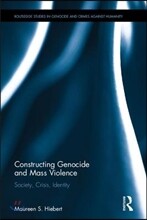
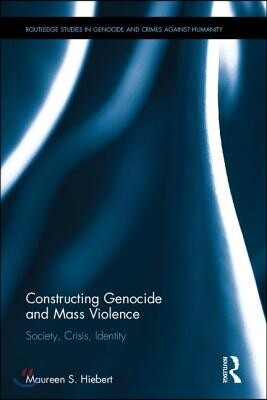
Constructing Genocide and Mass Violence
Society, Crisis, Identity
Hardback, 1st Edition
Hiebert, Maureen S.
Routledge
2017.03.17.
이미 소장하고 있다면 판매해 보세요.
- 국내배송만 가능
- 해외 거래처 사정에 의하여 품절/지연 가능
- 도서 정보 중 미표기 사항 안내?
- 문화비소득공제 가능
이 분야의 이벤트

Routledge Studies in Genocide and Crimes against Humanity
-
 Intergenerational Survivors of Genocide and Mass Atrocities 이동Intergenerational Survivors of Genocide and Mass Atrocities10% 373,420원
 -
Historical Dialogue and the Prevention of Mass Atrocities 이동Historical Dialogue and the Prevention of Mass Atrocities10% 102,020원
-
Cultural Interpretation of the Genocide Convention 이동Cultural Interpretation of the Genocide Convention10% 102,020원
-
Cultural Interpretation of the Genocide Convention 이동Cultural Interpretation of the Genocide Convention10% 373,420원
-
Perpetrators and Perpetration of Mass Violence 이동Perpetrators and Perpetration of Mass Violence10% 106,360원
-
Historical Dialogue and the Prevention of Mass Atrocities 이동Historical Dialogue and the Prevention of Mass Atrocities10% 316,980원
-
Last Lectures on the Prevention and Intervention of Genocide 이동Last Lectures on the Prevention and Intervention of Genocide10% 106,360원
-
Perpetrators and Perpetration of Mass Violence 이동Perpetrators and Perpetration of Mass Violence10% 373,420원
-
Last Lectures on the Prevention and Intervention of Genocide 이동Last Lectures on the Prevention and Intervention of Genocide10% 373,420원
책소개
목차
|
Chapter 1: The genocidal process: a constructivist approach Introduction Part I: Theorizing the "permissive" socio-political environment of genocide Introduction I. The ‘permissive’ socio-political environment: a theoretical overview II. Three dimensions of the permissive socio-political environment of genocide Chapter 2: Germany I. Exclusionary and unequal patterns of group interaction II. Exclusionary conceptions of the community III. Authoritarian modes of conflict management Chapter 3: Cambodia I. Exclusionary and unequal patterns of group interaction II. Exclusionary conceptions of the community III. Authoritarian modes of conflict management Conclusion to Part I Part II: Introduction crises and interpretation: the catalyst for killing Introduction Chapter 4: Inter-war Germany: crises and interpretation I. Security crises II. Economic crises III. Political crises Chapter 5: Cambodia: the Sihanoukist and Lon Nol years: crises and interpretation I. Economic crises II. Political crises III. Military and security crises Conclusion to Part II Part III: Reconceptualizing the victim group: the "three switches" of genocide Introduction I. Genocide as a strategic or rational choice? II. Constructing victims: a constructivist explanation III. The "three switches" III. Warrants for genocide Chapter 6: Nazi final solution I. Switch one: victims as foreigners II. Switch two: victims as mortal threats III. Switch three: victims as sub-humans Chapter 7: The Khmer Rouge killing fields I. Switch one: victims as foreigners II. Switch two: victims as mortal threat III. Switch three:victims as sub-humans Chapter 8: Vietnam: abuses without genocide I. Switch one: victims as wayward opponents II. Switch two: the threat of actors with real power Conclusion to Part III |
관련 분류
품목정보
- 발행일
- 2017년 03월 17일
- 쪽수, 무게, 크기
- 242쪽 | 610g | 160*230mm
- ISBN13
- 9780415745048
리뷰/한줄평0
상품정보안내
직수입외서의 경우, 해외거래처에서 제공하는 정보가 부족하여 제목, 표지, 가격, 유통상태 등의 정보가 미비하거나 변경되는 경우가 있습니다. 정확한 확인을 원하시는 경우, 일대일 상담으로 문의하여 주시면 답변 드리겠습니다.
(판형과 판수 등이 다양한 도서는 찾으시는 도서의 ISBN을 알려 주시면 보다 빠르고 정확한 안내가 가능합니다.)
해외거래처에서 품절인 경우, 2차 거래선을 통해 유럽과 미국 출판사로 직접 수입이 진행될 수 있습니다.
수입 진행 시점으로 부터 2~3주가 추가로 소요되며, 해외에서도 유통이 원활하지 않은 도서는 품절 안내가 지연될 수 있습니다.
해당 경우, 문자와 메일로 별도 안내를 드리고 있사오니 마이페이지에서 휴대전화번호와 메일주소를 다시 한번 확인해주시기 바랍니다.
(판형과 판수 등이 다양한 도서는 찾으시는 도서의 ISBN을 알려 주시면 보다 빠르고 정확한 안내가 가능합니다.)
해외거래처에서 품절인 경우, 2차 거래선을 통해 유럽과 미국 출판사로 직접 수입이 진행될 수 있습니다.
수입 진행 시점으로 부터 2~3주가 추가로 소요되며, 해외에서도 유통이 원활하지 않은 도서는 품절 안내가 지연될 수 있습니다.
해당 경우, 문자와 메일로 별도 안내를 드리고 있사오니 마이페이지에서 휴대전화번호와 메일주소를 다시 한번 확인해주시기 바랍니다.
373,420원
총 1개
373,420원
