
이미 소장하고 있다면 판매해 보세요.
- 국내배송만 가능
- 해외 거래처 사정에 의하여 품절/지연 가능
- 도서 정보 중 미표기 사항 안내?
- 문화비소득공제 가능
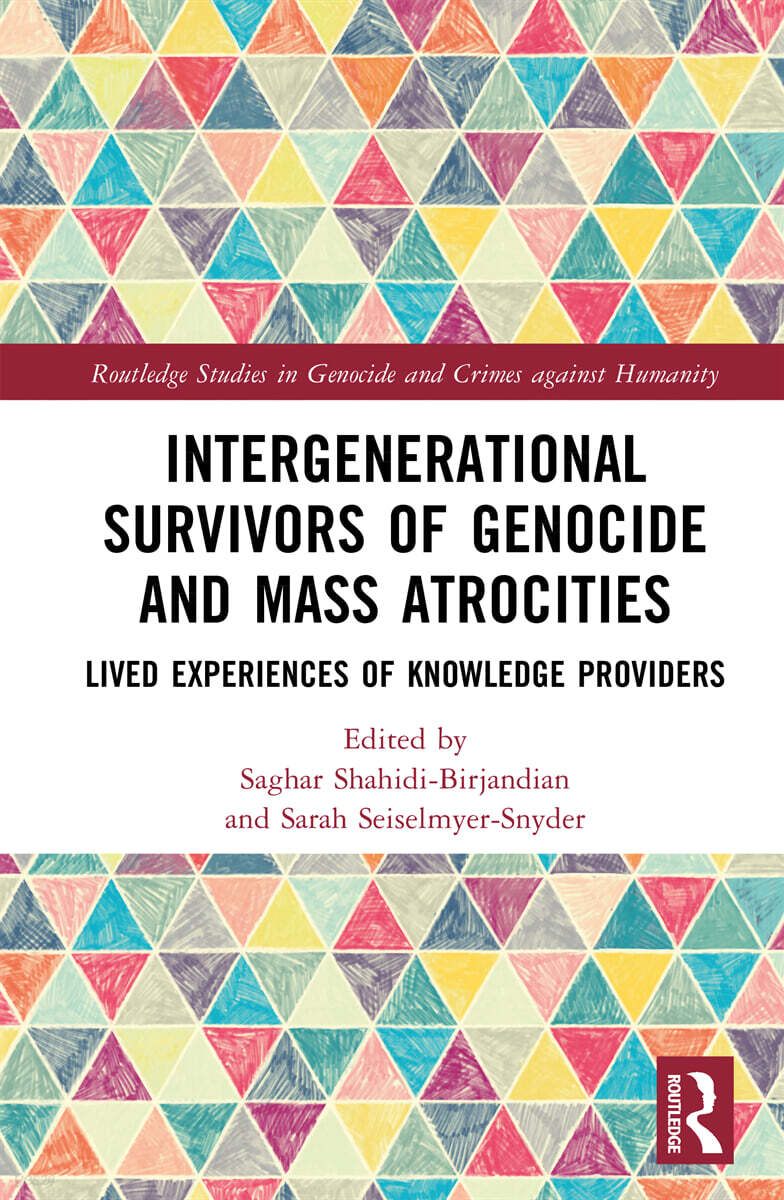
Routledge Studies in Genocide and Crimes against Humanity
-
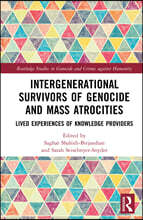
 Intergenerational Survivors of Genocide and Mass Atrocities 이동Intergenerational Survivors of Genocide and Mass Atrocities10% 357,940원
 -
Historical Dialogue and the Prevention of Mass Atrocities 이동Historical Dialogue and the Prevention of Mass Atrocities10% 97,790원
-
Cultural Interpretation of the Genocide Convention 이동Cultural Interpretation of the Genocide Convention10% 97,790원
-
Cultural Interpretation of the Genocide Convention 이동Cultural Interpretation of the Genocide Convention10% 357,940원
-
Perpetrators and Perpetration of Mass Violence 이동Perpetrators and Perpetration of Mass Violence10% 101,950원
-
Historical Dialogue and the Prevention of Mass Atrocities 이동Historical Dialogue and the Prevention of Mass Atrocities10% 303,840원
-
Last Lectures on the Prevention and Intervention of Genocide 이동Last Lectures on the Prevention and Intervention of Genocide10% 101,950원
-
Perpetrators and Perpetration of Mass Violence 이동Perpetrators and Perpetration of Mass Violence10% 357,940원
-
Last Lectures on the Prevention and Intervention of Genocide 이동Last Lectures on the Prevention and Intervention of Genocide10% 357,940원
책소개
목차
|
Chapter 1: Introduction Part1: Personal Identity and Intimate Ways of Knowing Inherited Genocide and Mass Atrocity Chapter 2: Fathertongue: Toward Embracing a Familial Legacy of Genocide and Survival Chapter 3: The Auschwitz Torah: Writing Histories of Childhood during the Holocaust Chapter 4: Invoking Place to Confront the Settler-Colonial Self Chapter 5: Dark Days of Tutsis in Rwanda: A Survivor’s Testimony Chapter 6: Ilsa’s Rug and My Journey as a Holocaust Scholar Part2: Seemingly Removed but Deeply Connected Chapter 7: Bloodlines of Strife and Sorrow: Armenians a Century after Genocide Chapter 8: From the Mother’s Milk: Am I an Intergenerational Survivor of Genocide? Chapter 9: In Genocide’s Shadow: The Armenian Genocide and a Diaspora Existential Journey Part3: Uncovering the Balance of Risk and Reward of Industrializing Genocide Studies Chapter 10: From Gaza to Darfur: Preventing Mass Atrocities Should Never be Controversial Chapter 11: Living with Hypocrisy in Genocide Studies and Atrocity Prevention Chapter 12: Early Warning Late Response: State Actors in Plateau State Conflicts Chapter 13: Healing through Genocide Studies: A Personal Perspective Chapter 14: Echoes of Trauma in Knowledge Production: Struggling for Recognition of Bangladesh’s 1971 Genocide Chapter 15: It is Impossible to Live Now [in 1933]”: Ten-10-Year Camp Imprisonment of My Great-Grandfather During the Holodomor Chapter 16: Conclusion |
관련 분류
품목정보
- 발행일
- 2026년 08월 04일
- 쪽수, 무게, 크기
- 222쪽 | 570g | 160*230mm
- ISBN13
- 9781032980829
리뷰/한줄평0
상품정보안내
(판형과 판수 등이 다양한 도서는 찾으시는 도서의 ISBN을 알려 주시면 보다 빠르고 정확한 안내가 가능합니다.)
해외거래처에서 품절인 경우, 2차 거래선을 통해 유럽과 미국 출판사로 직접 수입이 진행될 수 있습니다.
수입 진행 시점으로 부터 2~3주가 추가로 소요되며, 해외에서도 유통이 원활하지 않은 도서는 품절 안내가 지연될 수 있습니다.
해당 경우, 문자와 메일로 별도 안내를 드리고 있사오니 마이페이지에서 휴대전화번호와 메일주소를 다시 한번 확인해주시기 바랍니다.