


소득공제
수입
직수입양서
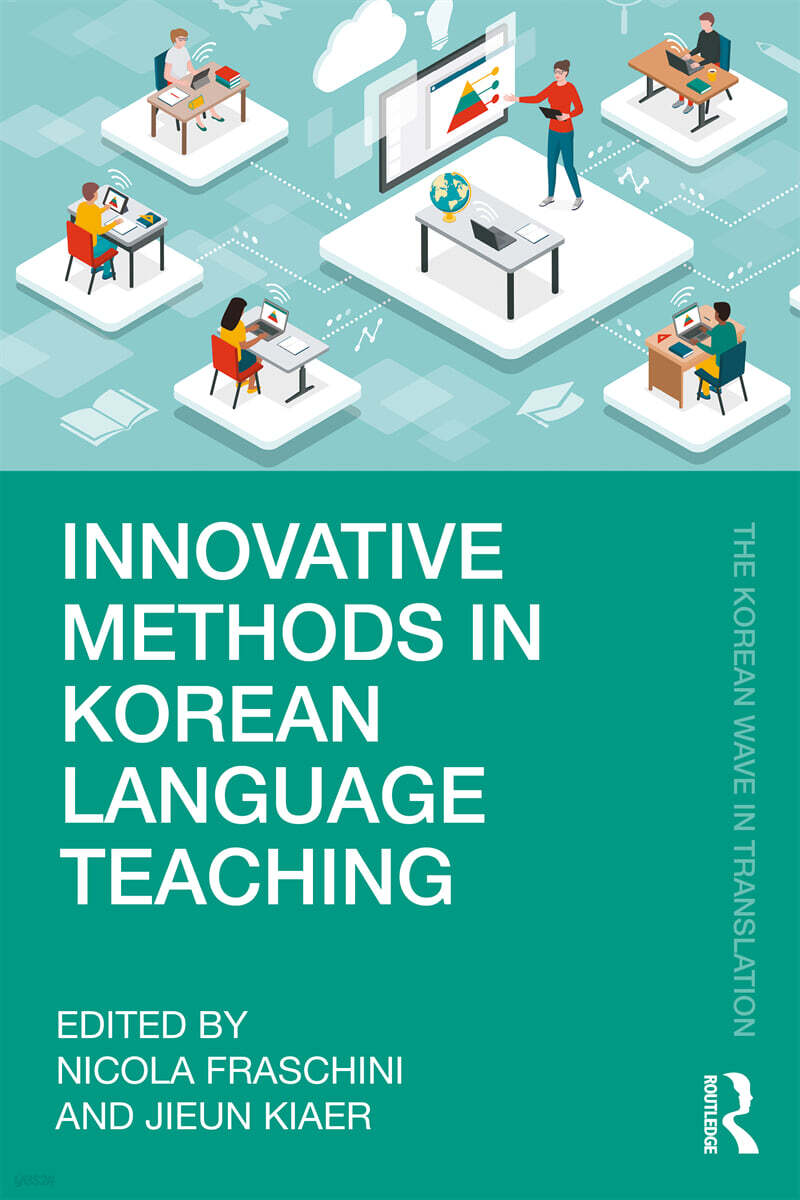
Innovative Methods in Korean Language Teaching
Paperback, 1st Edition
Nicola Fraschini,Jieun Kiae
Routledge
2024.12.30.
이미 소장하고 있다면 판매해 보세요.
- 국내배송만 가능
- 해외 거래처 사정에 의하여 품절/지연 가능
- 도서 정보 중 미표기 사항 안내?
- 문화비소득공제 가능
The Korean Wave in Translation
-
 Frontiers of Translation in Korean Language Education 이동Frontiers of Translation in Korean Language Education10% 357,940원
 -
Frontiers of Translation in Korean Language Education 이동Frontiers of Translation in Korean Language Education15% 85,820원
-
Innovative Methods in Korean Language Teaching 이동Innovative Methods in Korean Language Teaching10% 357,940원
-
Innovative Methods in Korean Language Teaching 이동Innovative Methods in Korean Language Teaching10% 76,970원
책소개
목차
|
Acknowledgement List of Contributors Introduction. Innovative methods for global Korean language teaching. Part I. Large language models and Korean language education Chapter 1. AI-powered writing assistance: Korean Language students’ and teachers’ views and experiences. Chapter 2. Students’ perceptions of utilizing AI chatbots as conversation partners for Korean speaking practice: acceptance, benefits, and challenges. Chapter 3. Large Language Models for Korean grammar and spelling corrections: A comparative evaluation of Bard, Bing, ChatGPT, Clova X, and Perplexity AI. Chapter 4. The potential of generative AI in writing feedback for L2 learners: An analysis on grammar error correction by ChatGPT-3.5 for TOPIK II writing tasks. Part II. VR, metaverse and other technology-based approaches to Korean language teaching Chapter 5. Virtual interactions in Seoul: Implementation of high-immersion Virtual Reality (HiVR) technology in a Korean language class Chapter 6. Exploring the possibilities and limits of metaverse as a Korean teaching resource: The case of Sejong Institute’s metaverse proposal. Chapter 7. Using a YouTube channel as a supplementary language teaching and learning platform. Part III. Moving beyond technology for innovation in Korean language teaching Chapter 8. Excitement and confusion: An emotion-based approach to Korean language teaching. Chapter 9. Multimodal approaches to Korean language teaching. Chapter 10. Transformative learning through Critical Pedagogy in Korean language education. Additional resources Index |
관련 분류
품목정보
- 발행일
- 2024년 12월 30일
- 쪽수, 무게, 크기
- 200쪽 | 340g | 160*230mm
- ISBN13
- 9781032725260
리뷰/한줄평0
상품정보안내
직수입외서의 경우, 해외거래처에서 제공하는 정보가 부족하여 제목, 표지, 가격, 유통상태 등의 정보가 미비하거나 변경되는 경우가 있습니다. 정확한 확인을 원하시는 경우, 일대일 상담으로 문의하여 주시면 답변 드리겠습니다.
(판형과 판수 등이 다양한 도서는 찾으시는 도서의 ISBN을 알려 주시면 보다 빠르고 정확한 안내가 가능합니다.)
해외거래처에서 품절인 경우, 2차 거래선을 통해 유럽과 미국 출판사로 직접 수입이 진행될 수 있습니다.
수입 진행 시점으로 부터 2~3주가 추가로 소요되며, 해외에서도 유통이 원활하지 않은 도서는 품절 안내가 지연될 수 있습니다.
해당 경우, 문자와 메일로 별도 안내를 드리고 있사오니 마이페이지에서 휴대전화번호와 메일주소를 다시 한번 확인해주시기 바랍니다.
(판형과 판수 등이 다양한 도서는 찾으시는 도서의 ISBN을 알려 주시면 보다 빠르고 정확한 안내가 가능합니다.)
해외거래처에서 품절인 경우, 2차 거래선을 통해 유럽과 미국 출판사로 직접 수입이 진행될 수 있습니다.
수입 진행 시점으로 부터 2~3주가 추가로 소요되며, 해외에서도 유통이 원활하지 않은 도서는 품절 안내가 지연될 수 있습니다.
해당 경우, 문자와 메일로 별도 안내를 드리고 있사오니 마이페이지에서 휴대전화번호와 메일주소를 다시 한번 확인해주시기 바랍니다.
76,970원
총 1개
76,970원
