
소득공제
PDF
eBook
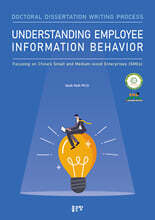
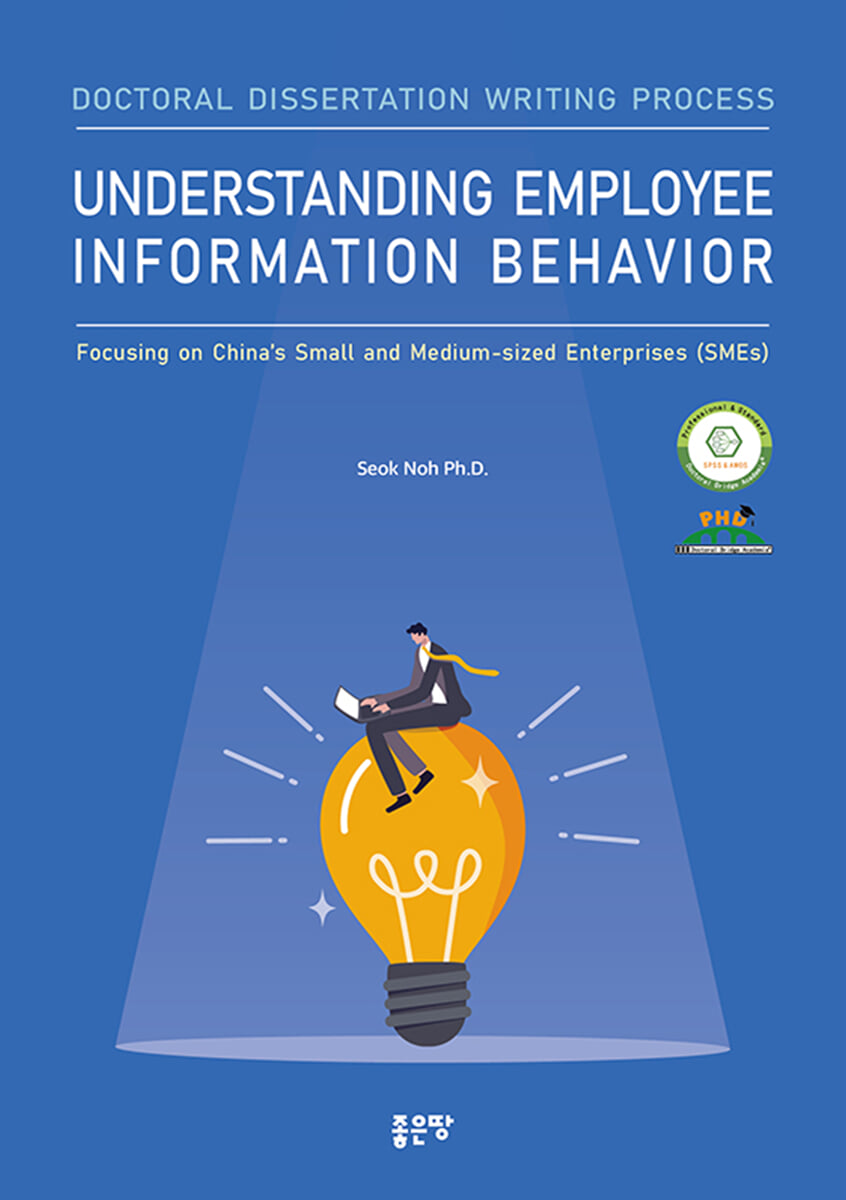
Understanding Employee Information Behavior
스마트한 PDF 필기 기능을 사용해 보세요!
- PDF 안내
-
이 상품은 구매 후 지원 기기에서 예스24 eBook앱 설치 후 바로 이용 가능한 상품입니다.
소개
목차
|
Chapter 1 14
I.Introduction14 Chapter 2 22 II.Theoretical Review22 2.1 Information, Knowledge, and Knowledge Sharing22 2.2 Limitations of Knowledge Sharing 26 2.3 What is Information Contribution?27 2.4 Influencing Factors of Information Contribution31 2.4.1 Individual Factors 2.4.2 Organizational Factors 2.4.3 Technological Factors 2.5 Theoretical Development43 2.5.1 Expectancy Theory 2.5.2 China’s Relationship Culture 2.5.3 ?Relationship Networks and Knowledge Sharing within Enterprises 2.5.4 Work Engagement and Information Contribution Chapter 3 59 III. Research Model and Hypothesis Development59 3.1 Research Model59 3.2 Hypothesis Development62 Chapter 4 71 IV. Research Methodology71 4.1 Survey Introduction71 4.2 Operational Definition and Structure Measures72 4.2.1 Measurement of Performance Expectation 4.2.2 Measurement of Relationship Expectation 4.2.3 Measurement of Work Engagement 4.2.4 Measurement of Information Contribution Intention 4.2.5 Measurement of Information Contribution Behavior Chapter 5 80 V. Data Analysis and Results 80 5.1 Survey Administration and Sampling80 5.2 Data Analysis81 5.2.1 Assessment of Reliability and Validity 5.2.2 Confirmatory Factor Analysis 5.2.3 Path Analysis 5.2.4 Mediating Effect Analysis 5.3 Hypotheses Testing Results97 5.4 Independent T-Test Analysis104 5.5 Multi-group Sample Structure Model Analysis106 5.5.1 Analysis Results of Service Industry Group Model 1 5.5.2 Analysis Results of Non-service Industry Group Model 2 5.5.3 Comparative Analysis Results of Model 1 and Model 2 Chapter 6 125 VI. Conclusions125 6.1 Conclusions125 6.2 Discussions127 6.3 Implications 128 6.4 Limitations129 6.5 Future Research130 Reference132 Appendix A. China’s SMEs Introduction152 Appendix B. Geographical Distribution of China’s SMEs Samples158 |
저자 소개 1
Seok Noh
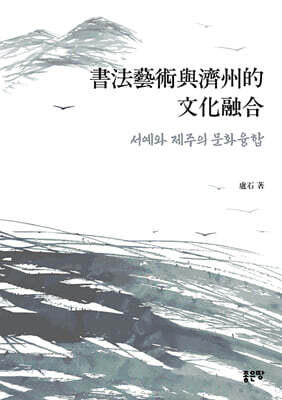
노석, 아호는 라산, 녹담으로 한국 제주지역 향토문화 서화 창작인이다. 저자는 국립제주대학교에서 경영학 박사 학위를 취득하였고, 대한민국 문화체육관광부 산하기관인 한국예술인복지재단이 공인한 예술인으로, 서예예술 창작, 한중 서예예술 비교연구 및 문화산업 예술 경영연구, 제주 화산석 염묵 서화예술 혁신 등의 영역에 종사하고 있다.
現)한중서법국제교류협회 부회장
한국 제주라산서화원 원장
한중경제사회연구소(SKESI) 연구위원
국립제주대하교(Jeju National University) 관광과경영경제연구소 연구원
서울과학종합대학원대학교(aSSI
노석, 아호는 라산, 녹담으로 한국 제주지역 향토문화 서화 창작인이다. 저자는 국립제주대학교에서 경영학 박사 학위를 취득하였고, 대한민국 문화체육관광부 산하기관인 한국예술인복지재단이 공인한 예술인으로, 서예예술 창작, 한중 서예예술 비교연구 및 문화산업 예술 경영연구, 제주 화산석 염묵 서화예술 혁신 등의 영역에 종사하고 있다.
現)한중서법국제교류협회 부회장
한국 제주라산서화원 원장
한중경제사회연구소(SKESI) 연구위원
국립제주대하교(Jeju National University) 관광과경영경제연구소 연구원
서울과학종합대학원대학교(aSSIST University) 객원교수
한양대학교(Hanyang University) 기술경영전문대학원 객원교수
盧石,雅號 拏山、鹿潭,韓國濟州地域文化書?創作人,畢業于韓國國立濟州大學,獲得經營學博士學位,?持有大韓民國文化體育觀光部下屬機構韓國藝術人福祉財團認定藝術人資質。從事書法藝術創作,韓中書法藝術比?及文化産業藝術經營?究,濟州火山石染墨書?藝術創新創作?究等。
Seok Noh earned his Ph.D. in Business Administration (M.I.S) from Jeju National University (JNU). Prior to that, he obtained a master’s degree in Economics from Chungnam National University (CNU) in South Korea. His research interests span across various fields including social media, knowledge management, SMEs, art management, project management, technology convergence, metaverse commercialization, and e-commerce.
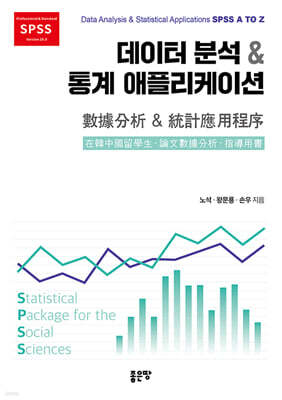
His research work has been published in Asia Pacific Journal of Information Systems (APJIS), Information Systems Review (ISR), Journal of Internet Electronic Commerce Research (JIECR), Pacific Asian Conference on Information Systems, Conference on Korean Academic Society of Business Administration, and others. Additionally, he has published a tool book on data statistics, Data Analysis and Statistical Applications SPSS A TO Z, in May 2024.
Over the past 15 years, Seok Noh has accumulated valuable experience working for Fortune 500 companies including LG Electronics (South Korea), China State Construction Engineering Corporation (CSCEC), and Honeywell (U.S.A). His roles have primarily focused on project management and strategic operations management. With extensive experience in industrial-business management, he has excelled in areas such as project management, organizational and business operations, as well as corporate strategy.
Currently, He serves as a researcher at the Institute of Tourism Business and Economics, Jeju National University. Additionally, he holds a position as a visiting professor at Seoul School of Integrated Sciences & Technologies(aSSIST University) in South Korea.
現)한중서법국제교류협회 부회장
한국 제주라산서화원 원장
한중경제사회연구소(SKESI) 연구위원
국립제주대하교(Jeju National University) 관광과경영경제연구소 연구원
서울과학종합대학원대학교(aSSIST University) 객원교수
한양대학교(Hanyang University) 기술경영전문대학원 객원교수
盧石,雅號 拏山、鹿潭,韓國濟州地域文化書?創作人,畢業于韓國國立濟州大學,獲得經營學博士學位,?持有大韓民國文化體育觀光部下屬機構韓國藝術人福祉財團認定藝術人資質。從事書法藝術創作,韓中書法藝術比?及文化産業藝術經營?究,濟州火山石染墨書?藝術創新創作?究等。
Seok Noh earned his Ph.D. in Business Administration (M.I.S) from Jeju National University (JNU). Prior to that, he obtained a master’s degree in Economics from Chungnam National University (CNU) in South Korea. His research interests span across various fields including social media, knowledge management, SMEs, art management, project management, technology convergence, metaverse commercialization, and e-commerce.
His research work has been published in Asia Pacific Journal of Information Systems (APJIS), Information Systems Review (ISR), Journal of Internet Electronic Commerce Research (JIECR), Pacific Asian Conference on Information Systems, Conference on Korean Academic Society of Business Administration, and others. Additionally, he has published a tool book on data statistics, Data Analysis and Statistical Applications SPSS A TO Z, in May 2024.
Over the past 15 years, Seok Noh has accumulated valuable experience working for Fortune 500 companies including LG Electronics (South Korea), China State Construction Engineering Corporation (CSCEC), and Honeywell (U.S.A). His roles have primarily focused on project management and strategic operations management. With extensive experience in industrial-business management, he has excelled in areas such as project management, organizational and business operations, as well as corporate strategy.
Currently, He serves as a researcher at the Institute of Tourism Business and Economics, Jeju National University. Additionally, he holds a position as a visiting professor at Seoul School of Integrated Sciences & Technologies(aSSIST University) in South Korea.
노석의 다른 상품
관련 분류
- 카테고리 분류
품목정보
- 발행일
- 2024년 08월 22일
- 지원기기
- 크레마, PC(윈도우 - 4K 모니터 미지원), 아이폰, 아이패드, 안드로이드폰, 안드로이드패드, 전자책단말기(저사양 기기 사용 불가), PC(Mac)
- 파일/용량
- PDF(DRM) | 4.34MB ?
- 글자 수/ 페이지 수
- 약 161쪽 ?
- ISBN13
- 9791138832649
