
이미 소장하고 있다면 판매해 보세요.
- 국내배송만 가능
- 해외 거래처 사정에 의하여 품절/지연 가능
- 도서 정보 중 미표기 사항 안내?
- 문화비소득공제 가능
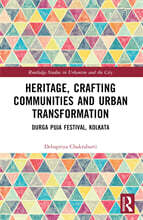
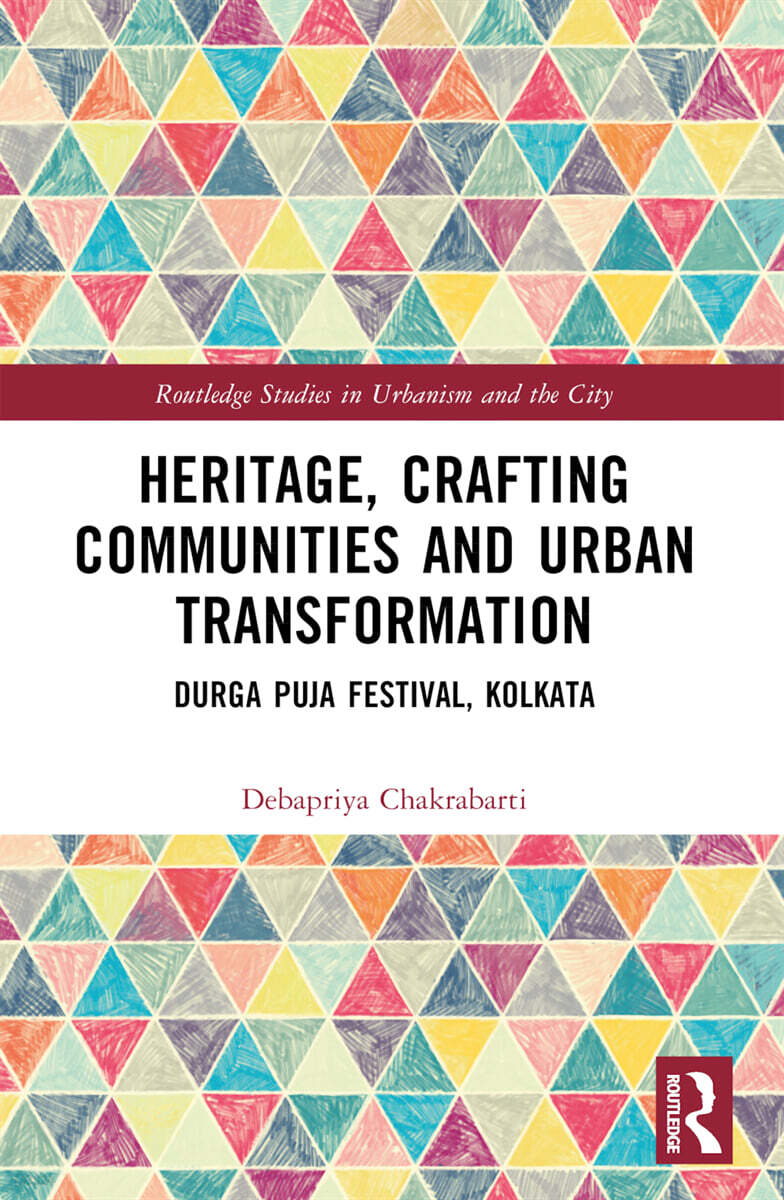
Routledge Studies in Urbanism and the City
-
 Cities: Inclusive, Liveable, and Sustainable 이동Cities: Inclusive, Liveable, and Sustainable10% 97,170원
 -
Urban Marginality, Racialisation, Interdependence 이동Urban Marginality, Racialisation, Interdependence10% 97,170원
-
Hybrid Urbanisms in Secondary Cities of the Global South 이동Hybrid Urbanisms in Secondary Cities of the Global South10% 97,170원
-
Liquid Port Cities of the Twenty-First Century 이동Liquid Port Cities of the Twenty-First Century10% 348,270원
-
Cities: Inclusive, Liveable, and Sustainable 이동Cities: Inclusive, Liveable, and Sustainable10% 348,270원
-
Hybrid Urbanisms in Secondary Cities of the Global South 이동Hybrid Urbanisms in Secondary Cities of the Global South10% 348,270원
-
Urban Marginality, Racialisation, Interdependence 이동Urban Marginality, Racialisation, Interdependence10% 348,270원
-
Heritage, Crafting Communities and Urban Transformation 이동Heritage, Crafting Communities and Urban Transformation10% 89,070원
책소개
목차
|
Lists Of FiguresList Of TablesPrefaceAcknowledgement Chapter 1 Durga Puja, Kumartuli and KolkataFestival, religion, culture, and politicsColonial Calcutta’s Durga PujaBarowari brought inclusivityCultural heritage, informality, and idol-crafting practiceStructure of the bookChapter 2 Crafts and Practitioners Idol crafting practice and sustainability Kumbhakar caste relates to pottery The Caste-based potters’ para Interwoven communities of practice Emerging actors and shiftsChapter 3 The spaces of production The neighbourhood Streetscapes, alleys, riverfront The conventional workshop-residence The ‘factory-shed’ workshopChapter 4 Seasonal adaptations and everyday negotiation The preparation phase Adaptation, accommodations, and negotiationsInfrastructural disrepair and hopelessnessSocial cohesion, coordination, and competitionWill Kumartuli continue to thrive?Chapter 5 Complexities The redevelopment plan Reaction and resistance to the KMDA plan Tenure and ownership: realities Informality in the heritageChapter 6 The emerging and diverging spaces of production Kumartuli on a regular day Changing spaces: Repurposed workshop Agency and new typologies Appropriation and socio-spatial relations Spatial flexibility and reparation in a Kolkata bastiChapter 7 Kumartuli’s future? Kumartuli’s present Reparations and public services Contributions and implications of this research Recommendations Personal reflectionMethodological Appendix: Research Strategies Practice Theory research method FieldworkGlossary of Bengali wordsIndex |
관련 분류
품목정보
- 발행일
- 2025년 01월 30일
- 쪽수, 무게, 크기
- 164쪽 | 340g | 160*230mm
- ISBN13
- 9781032376509
사락 별점0
혜택 및 유의사항밑줄0
혜택 및 유의사항상품정보안내
(판형과 판수 등이 다양한 도서는 찾으시는 도서의 ISBN을 알려 주시면 보다 빠르고 정확한 안내가 가능합니다.)
해외거래처에서 품절인 경우, 2차 거래선을 통해 유럽과 미국 출판사로 직접 수입이 진행될 수 있습니다.
수입 진행 시점으로 부터 2~3주가 추가로 소요되며, 해외에서도 유통이 원활하지 않은 도서는 품절 안내가 지연될 수 있습니다.
해당 경우, 문자와 메일로 별도 안내를 드리고 있사오니 마이페이지에서 휴대전화번호와 메일주소를 다시 한번 확인해주시기 바랍니다.