
소득공제
수입
직수입양서
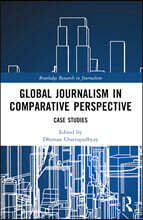
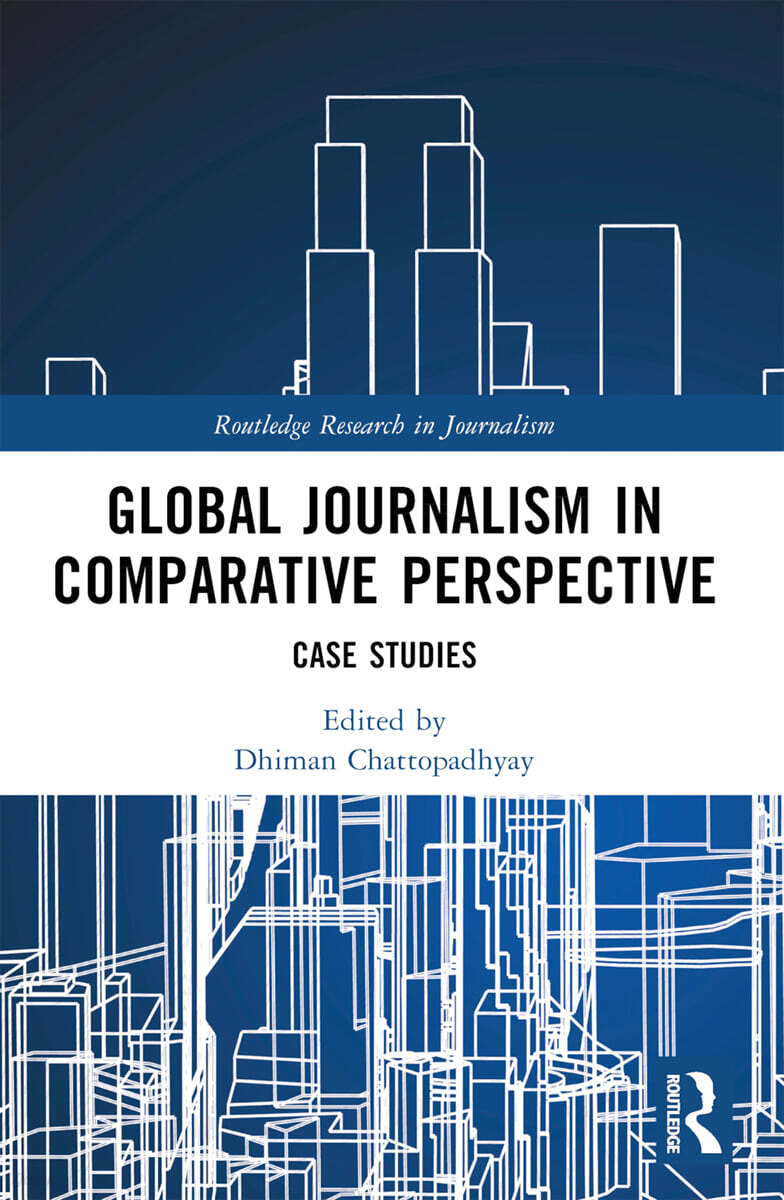
Global Journalism in Comparative Perspective
Case Studies
Paperback, 1st Edition
Dhiman Chattopadhyay
Routledge
2025.07.30.
이미 소장하고 있다면 판매해 보세요.
- 국내배송만 가능
- 해외 거래처 사정에 의하여 품절/지연 가능
- 도서 정보 중 미표기 사항 안내?
- 문화비소득공제 가능
Routledge Research in Journalism
-
 Media and Migration in Southeastern Europe 이동Media and Migration in Southeastern Europe10% 363,750원
 -
Journalists on Screen in the U.S. and Europe 이동Journalists on Screen in the U.S. and Europe10% 363,750원
-
Media Freedom in an Evolving Journalism Landscape 이동Media Freedom in an Evolving Journalism Landscape10% 363,750원
-
Spotlight on Journalism and Popular Heroism 이동Spotlight on Journalism and Popular Heroism10% 101,490원
-
Patterns of Harassment in African Journalism 이동Patterns of Harassment in African Journalism10% 101,490원
-
Data Journalism and the COVID-19 Disruption 이동Data Journalism and the COVID-19 Disruption10% 101,490원
-
Research Methods for Social Media Journalism 이동Research Methods for Social Media Journalism10% 363,750원
-
Global Journalism in Comparative Perspective 이동Global Journalism in Comparative Perspective10% 101,490원
-
Covering Extended Reality Technologies in the Media 이동Covering Extended Reality Technologies in the Media10% 101,490원
-
Afghan Refugees, Pakistani Media and the State 이동Afghan Refugees, Pakistani Media and the State10% 101,490원
-
Journalism Practice and Critical Reflexivity 이동Journalism Practice and Critical Reflexivity10% 93,030원
-
Newspaper Building Design and Journalism Cultures in Australia and the UK: 1855–2010 이동Newspaper Building Design and Journalism Cultures in Australia and the UK: 1855–201010% 93,030원
-
Journalistic Practices in Restrictive Contexts 이동Journalistic Practices in Restrictive Contexts10% 93,030원
-
Spotlight on Journalism and Popular Heroism 이동Spotlight on Journalism and Popular Heroism10% 363,750원
책소개
목차
|
Ch. 1: Introduction Part1: Journalistic Autonomy, Safety, and Freedom Ch. 2: The causes and consequences of media freedom Ch. 3: The political economy of television news in Pakistan. Ch. 4: Safety, reactions & organizational support: Estonian journalists' experiences with hostility Part2: Mis(information), Crises, and Trust Ch. 5: Protracted transition: lingering effects of communism as an inhibiting factor for journalists in Bulgaria and Romania. Ch. 6: Freedom of press and national interests: Russian information aggression in Ukrainian information space Ch. 7: Misinformation, the Pandemic, and Mass Media: The India Story Ch. 8: When politics and the pandemic went up the hill, and the Malaysian media came tumbling down. Part3: Technology, News Flow, and Audiences Ch. 9: Artificial Intelligence skepticism in news production: the case of South Africa's mainstream news organizations Ch. 10: Election interference strategies among foreign news outlets and audience engagement on Social Media during the U.S. 2020 election. Ch. 11: Understanding Continuity and Mapping Digitalisation in the 21st Century: An Empirical Analysis on Indian Print Media. Ch. 12: From authoritarianism to privatization and social media: The evolution of Colombian television. Part4: Ch. 13: Global connectivity: Paradigms of China’s international journalism since 1949. Ch. 14: Anatomy of Rapid Growth of Online Newspapers and its Impact on Online Journalism in Bangladesh. Ch. 15: College students’ perceptions about community journalism and how journalists can regain their trust Ch. 16: Concluding thoughts. |
관련 분류
품목정보
- 발행일
- 2025년 07월 30일
- 쪽수, 무게, 크기
- 252쪽 | 400g | 160*230mm
- ISBN13
- 9781032356082
리뷰/한줄평0
상품정보안내
직수입외서의 경우, 해외거래처에서 제공하는 정보가 부족하여 제목, 표지, 가격, 유통상태 등의 정보가 미비하거나 변경되는 경우가 있습니다. 정확한 확인을 원하시는 경우, 일대일 상담으로 문의하여 주시면 답변 드리겠습니다.
(판형과 판수 등이 다양한 도서는 찾으시는 도서의 ISBN을 알려 주시면 보다 빠르고 정확한 안내가 가능합니다.)
해외거래처에서 품절인 경우, 2차 거래선을 통해 유럽과 미국 출판사로 직접 수입이 진행될 수 있습니다.
수입 진행 시점으로 부터 2~3주가 추가로 소요되며, 해외에서도 유통이 원활하지 않은 도서는 품절 안내가 지연될 수 있습니다.
해당 경우, 문자와 메일로 별도 안내를 드리고 있사오니 마이페이지에서 휴대전화번호와 메일주소를 다시 한번 확인해주시기 바랍니다.
(판형과 판수 등이 다양한 도서는 찾으시는 도서의 ISBN을 알려 주시면 보다 빠르고 정확한 안내가 가능합니다.)
해외거래처에서 품절인 경우, 2차 거래선을 통해 유럽과 미국 출판사로 직접 수입이 진행될 수 있습니다.
수입 진행 시점으로 부터 2~3주가 추가로 소요되며, 해외에서도 유통이 원활하지 않은 도서는 품절 안내가 지연될 수 있습니다.
해당 경우, 문자와 메일로 별도 안내를 드리고 있사오니 마이페이지에서 휴대전화번호와 메일주소를 다시 한번 확인해주시기 바랍니다.
101,490원
총 1개
101,490원