
소득공제
수입
직수입양서
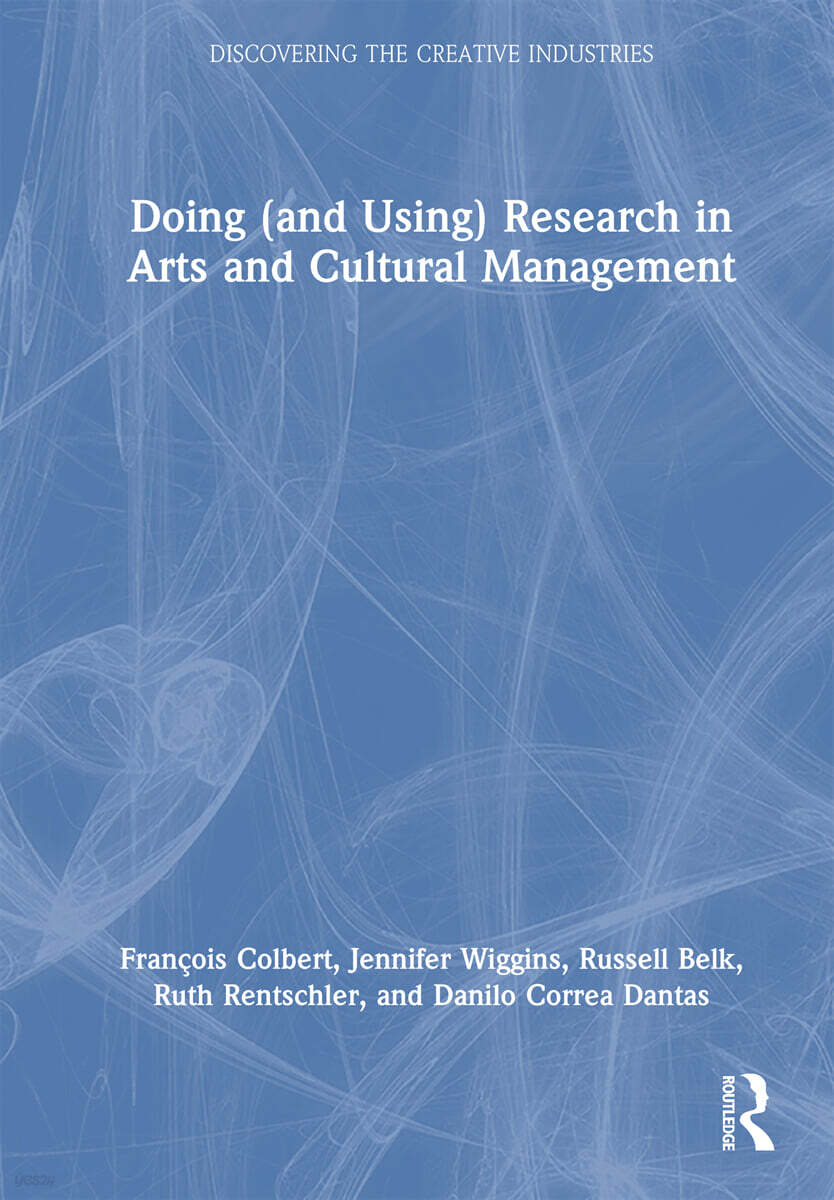
Doing (and Using) Research in Arts and Cultural Management
Hardback, 1st Edition
François Colbert, Jennifer Wiggins, Russell Belk, Ruth Rentschler, Danilo Correa Dantas
Routledge
2025.12.19.
이미 소장하고 있다면 판매해 보세요.
- 국내배송만 가능
- 해외 거래처 사정에 의하여 품절/지연 가능
- 도서 정보 중 미표기 사항 안내?
- 문화비소득공제 가능
Discovering the Creative Industries
-
 Strategic Management in the Creative and Cultural Industries 이동Strategic Management in the Creative and Cultural Industries10% 104,680원
 -
Strategic Management in the Creative and Cultural Industries 이동Strategic Management in the Creative and Cultural Industries10% 346,330원
-
Race and Racism in the Cultural and Creative Industries 이동Race and Racism in the Cultural and Creative Industries10% 346,330원
-
Race and Racism in the Cultural and Creative Industries 이동Race and Racism in the Cultural and Creative Industries10% 96,630원
-
Doing (and Using) Research in Arts and Cultural Management 이동Doing (and Using) Research in Arts and Cultural Management10% 88,570원
-
Doing (and Using) Research in Arts and Cultural Management 이동Doing (and Using) Research in Arts and Cultural Management10% 293,980원
책소개
목차
|
Preface Chapter 1 Foundations of arts and cultural research What is research? Academic research Information search from the manager's point of view Qualitative Research Quantitative research The importance of writing clearly How to Use This Book References Chapter 2: Research Questions and Research Designs Introduction Step 1: Identify Your Potential Contribution Step 2: Clarify Your Research Goal Step 3: Specify Your Research Question Step 4: Select Your Research Design Conclusion References Scenarios Introduction Ethical dilemmas Types of ethical dilemmas Types of ethical breaches A research ethics framework Steps in the research ethics process Gaining Respect Building Trust Being responsible and accountable Individual Community Institutional Conclusion References Chapter 4 What, Why and How: Writing a Literature Review Introduction What is a literature Review Steps in a Literature Review
Conclusion References Chapter 5: Survey Research Introduction Step 1: Selecting and Sampling Participants Step 2: Measuring the Variables Step 3: Designing and Distributing the Survey Questionnaire Step 5: Analyzing and Presenting the Data Conclusion References Chapter 6: Depth Interview Research Introduction Step 1: Literature Review and Research Question Step 2: Locating Participants and Preparing for Interviews Step 3: Conducting the Interview Step 4: Transcribe, Code, Analyze Step 5: Write-up or Edit your Findings Conclusion References Chapter 7: Experimental Research Introduction Step 1: Selecting the Type of Experiment Step 2: Determining the Factorial Design Step 3: Designing and Pretesting the Manipulations Step 4: Designing and Distributing the Questionnaire Step 5: Analyzing and Presenting the Data Conclusion References Chapter 8: Case Studies Introduction What is Case Study? When to Use Case Studies as a Research Method? 3.0 Key stages in case study research Step 1: Define a research question Step 2: Determine the subject and set the boundaries Step 3: Craft and test the tools Step 4: Collect data Principle 1: use multiple sources of evidence Principle 2: create a case study database Step 5: Analyze the data Conclusion References Chapter 9: Ethnography, Netnography, and Observation Introduction Ethnography Netnography Step 1: Locate Data Step 2: Data Analysis Step 3: Data Interpretation Step 4. Publishing your Netnography Observation Autoethnography Mechanical Observation Non-Participant and Unobtrusive Observation Conclusion References Chapter 10: Effective Writing and Presentations Introduction Step 1: Preparing to Communicate Your Research Step 2: Framing the Phenomenon and Research Question Step 3: Writing a Literature Review and Theoretical Foundation Step 4: Writing Methods Sections and Findings Step 5: Writing Discussion and Conclusion Sections Writing for a Managerial Audience Conclusion References Conclusion |
관련 분류
품목정보
- 발행일
- 2025년 12월 19일
- 쪽수, 무게, 크기
- 186쪽 | 540g | 160*230mm
- ISBN13
- 9781032784526
사락 별점0
혜택 및 유의사항밑줄0
혜택 및 유의사항상품정보안내
직수입외서의 경우, 해외거래처에서 제공하는 정보가 부족하여 제목, 표지, 가격, 유통상태 등의 정보가 미비하거나 변경되는 경우가 있습니다. 정확한 확인을 원하시는 경우, 일대일 상담으로 문의하여 주시면 답변 드리겠습니다.
(판형과 판수 등이 다양한 도서는 찾으시는 도서의 ISBN을 알려 주시면 보다 빠르고 정확한 안내가 가능합니다.)
해외거래처에서 품절인 경우, 2차 거래선을 통해 유럽과 미국 출판사로 직접 수입이 진행될 수 있습니다.
수입 진행 시점으로 부터 2~3주가 추가로 소요되며, 해외에서도 유통이 원활하지 않은 도서는 품절 안내가 지연될 수 있습니다.
해당 경우, 문자와 메일로 별도 안내를 드리고 있사오니 마이페이지에서 휴대전화번호와 메일주소를 다시 한번 확인해주시기 바랍니다.
(판형과 판수 등이 다양한 도서는 찾으시는 도서의 ISBN을 알려 주시면 보다 빠르고 정확한 안내가 가능합니다.)
해외거래처에서 품절인 경우, 2차 거래선을 통해 유럽과 미국 출판사로 직접 수입이 진행될 수 있습니다.
수입 진행 시점으로 부터 2~3주가 추가로 소요되며, 해외에서도 유통이 원활하지 않은 도서는 품절 안내가 지연될 수 있습니다.
해당 경우, 문자와 메일로 별도 안내를 드리고 있사오니 마이페이지에서 휴대전화번호와 메일주소를 다시 한번 확인해주시기 바랍니다.
293,980원
총 1개
293,980원