
소득공제
수입
직수입양서
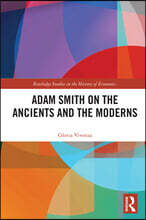
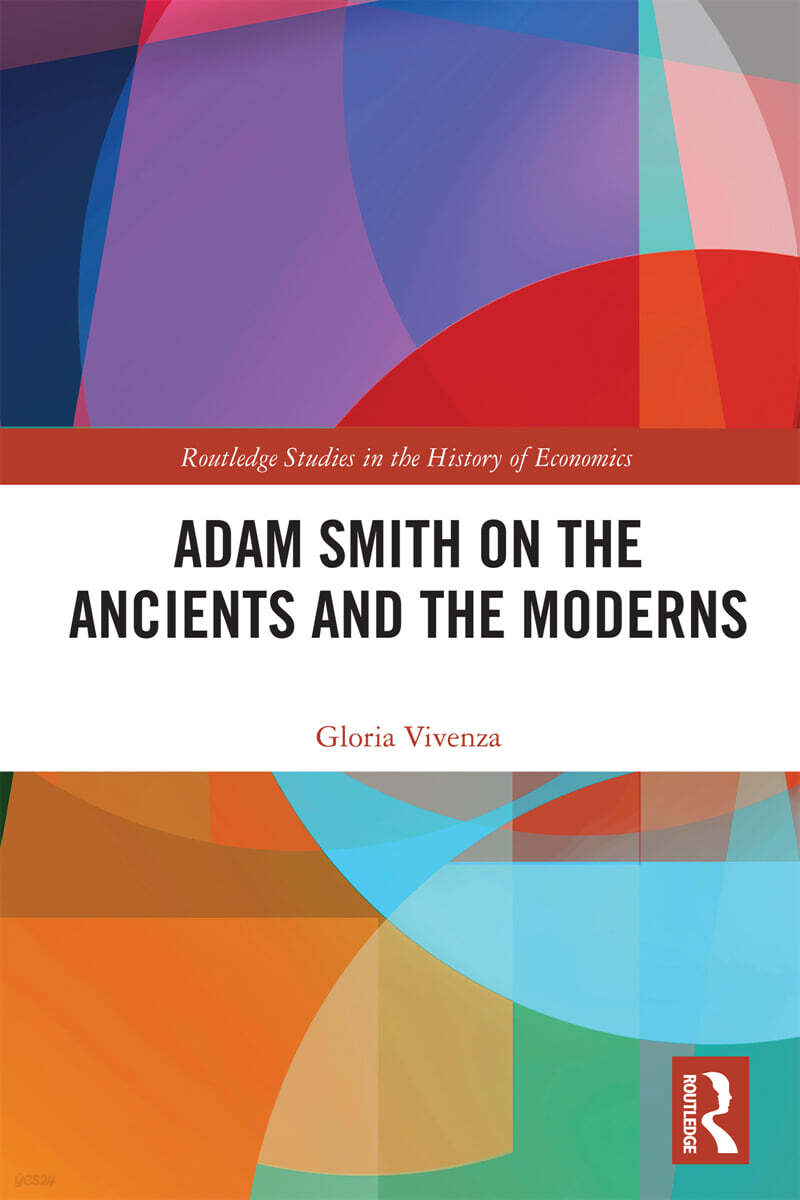
Adam Smith on the Ancients and the Moderns
Paperback, 1st Edition
Gloria Vivenza
Routledge
2025.09.29.
이미 소장하고 있다면 판매해 보세요.
- 국내배송만 가능
- 해외 거래처 사정에 의하여 품절/지연 가능
- 도서 정보 중 미표기 사항 안내?
- 문화비소득공제 가능
Routledge Studies in the History of Economics
-
 Spinoza, Metaphysics and Political Economy 이동Spinoza, Metaphysics and Political Economy10% 346,330원
 -
Hegel on Ethics, the State and Public Policy 이동Hegel on Ethics, the State and Public Policy10% 96,630원
-
J.M. Keynes and the History of Probability 이동J.M. Keynes and the History of Probability10% 96,630원
-
Slavery and Colonialism in the History of Economic Thought 이동Slavery and Colonialism in the History of Economic Thought10% 96,630원
-
Markets in the History of Political Economy 이동Markets in the History of Political Economy10% 346,330원
-
Environment and Ecology in the History of Economic Thought 이동Environment and Ecology in the History of Economic Thought10% 96,630원
-
History of Economic Thought at the Frankfurt Institute 이동History of Economic Thought at the Frankfurt Institute10% 346,330원
-
Contemporary Comprehensive Economic Science 이동Contemporary Comprehensive Economic Science10% 346,330원
-
Arthur Spiethoff and the German Historical School of Economics 이동Arthur Spiethoff and the German Historical School of Economics10% 96,630원
-
Adam Smith on the Ancients and the Moderns 이동Adam Smith on the Ancients and the Moderns10% 96,630원
-
Entrepreneur in the History of Political Economy 이동Entrepreneur in the History of Political Economy10% 346,330원
-
James Mill, John Stuart Mill, and the History of Economic Thought 이동James Mill, John Stuart Mill, and the History of Economic Thought10% 96,630원
-
Adam Smith’s Theory of Value and Distribution 이동Adam Smith’s Theory of Value and Distribution10% 96,630원
-
Progress in Economic and Political Thought 이동Progress in Economic and Political Thought10% 211,430원
책소개
목차
|
Chap. 1: Reading the classics 1.1 The classics in the Baroque age 1.2 Classical studies and modern thinking: Adam Smith’s synthesis 1.3 Aristocratic virtues and commercial ethics 1.4 The relationship between benevolentia and fides 1.5 Paganism, religion, and conscience in Adam Smith’s writings References Chap. 2: Between history and philosophy 2.1 On ancient demography 2.2 On historical writing 2.3 On the interpretation of ancient history 2.4 "Otherness" and classical citizenship 2.5 Smith’s history of ancient philosophy References Chap. 3: Philosophy and politics 3.1 Cato, the republican ideal, and the difficult relationship of philosophers with politics 3.2 Ancient Romans through modern eyes 3.3 Ancient and modern freedom 3.4 Adam Smith and democracy 3.5 Labour and political activity: classical and modern themes in Adam Smith References Chap. 4: Benevolence and other virtues 4.1 Adam Smith and classical philosophies 4.2 Virtue and self-control: apathy or medietas? 4.3 Classical origins of benevolence in economics' language (from classical evergesia to the butcher's and baker's lack of benevolence) 4.4 Closing remarks References |
품목정보
- 발행일
- 2025년 09월 29일
- 쪽수, 무게, 크기
- 206쪽 | 400g | 160*230mm
- ISBN13
- 9781032629117
사락 별점0
혜택 및 유의사항밑줄0
혜택 및 유의사항상품정보안내
직수입외서의 경우, 해외거래처에서 제공하는 정보가 부족하여 제목, 표지, 가격, 유통상태 등의 정보가 미비하거나 변경되는 경우가 있습니다. 정확한 확인을 원하시는 경우, 일대일 상담으로 문의하여 주시면 답변 드리겠습니다.
(판형과 판수 등이 다양한 도서는 찾으시는 도서의 ISBN을 알려 주시면 보다 빠르고 정확한 안내가 가능합니다.)
해외거래처에서 품절인 경우, 2차 거래선을 통해 유럽과 미국 출판사로 직접 수입이 진행될 수 있습니다.
수입 진행 시점으로 부터 2~3주가 추가로 소요되며, 해외에서도 유통이 원활하지 않은 도서는 품절 안내가 지연될 수 있습니다.
해당 경우, 문자와 메일로 별도 안내를 드리고 있사오니 마이페이지에서 휴대전화번호와 메일주소를 다시 한번 확인해주시기 바랍니다.
(판형과 판수 등이 다양한 도서는 찾으시는 도서의 ISBN을 알려 주시면 보다 빠르고 정확한 안내가 가능합니다.)
해외거래처에서 품절인 경우, 2차 거래선을 통해 유럽과 미국 출판사로 직접 수입이 진행될 수 있습니다.
수입 진행 시점으로 부터 2~3주가 추가로 소요되며, 해외에서도 유통이 원활하지 않은 도서는 품절 안내가 지연될 수 있습니다.
해당 경우, 문자와 메일로 별도 안내를 드리고 있사오니 마이페이지에서 휴대전화번호와 메일주소를 다시 한번 확인해주시기 바랍니다.
96,630원
총 1개
96,630원