


이미 소장하고 있다면 판매해 보세요.
- 해외배송 가능?
- 문화비소득공제 가능
이 상품의 태그
책소개
목차
|
이 도서는 목차가 없습니다.
|
저자 소개 1
건축가 배병길(Bae, Byung-Kil/ 裵秉吉)은 김중업 건축연구소에서 건축을 시작하였으며, 미국 UCLA 건축대학원에서 건축학/디자인 석사학위(Master of Architecture, 2nd Professional Degree)를 취득하였다. 1990년 배병길 건축연구소를 개설하고 요코하마 빌딩, 국제 화랑, 갤러리 현대, 은둔의 집, 수도원 묵당, 학의재, 김천중고등학교 송설 역사관과 강의동, 김천시립문화박물관, 통의동 TSC 계획 등을 설계하였다. 여러 건축작품을 통하여 대한민국 환경문화상, 서울시 건축상, 한국건축문화대상, 한국건축가협회 건축 작품상, 아천 특별 건축
건축가 배병길(Bae, Byung-Kil/ 裵秉吉)은 김중업 건축연구소에서 건축을 시작하였으며, 미국 UCLA 건축대학원에서 건축학/디자인 석사학위(Master of Architecture, 2nd Professional Degree)를 취득하였다. 1990년 배병길 건축연구소를 개설하고 요코하마 빌딩, 국제 화랑, 갤러리 현대, 은둔의 집, 수도원 묵당, 학의재, 김천중고등학교 송설 역사관과 강의동, 김천시립문화박물관, 통의동 TSC 계획 등을 설계하였다. 여러 건축작품을 통하여 대한민국 환경문화상, 서울시 건축상, 한국건축문화대상, 한국건축가협회 건축 작품상, 아천 특별 건축상, 문화체육부 장관 표창, FIKA 공로상 외 다수 건축상을 수상하였으며, 2019년 대한민국 정부로부터 국가문화발전유공자로 옥관문화훈장을 수훈하였고 2025년 10월 제7회 Baku 국제건축상 3위에 입상하였다.
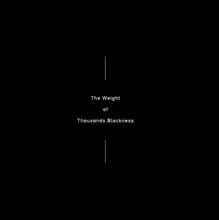
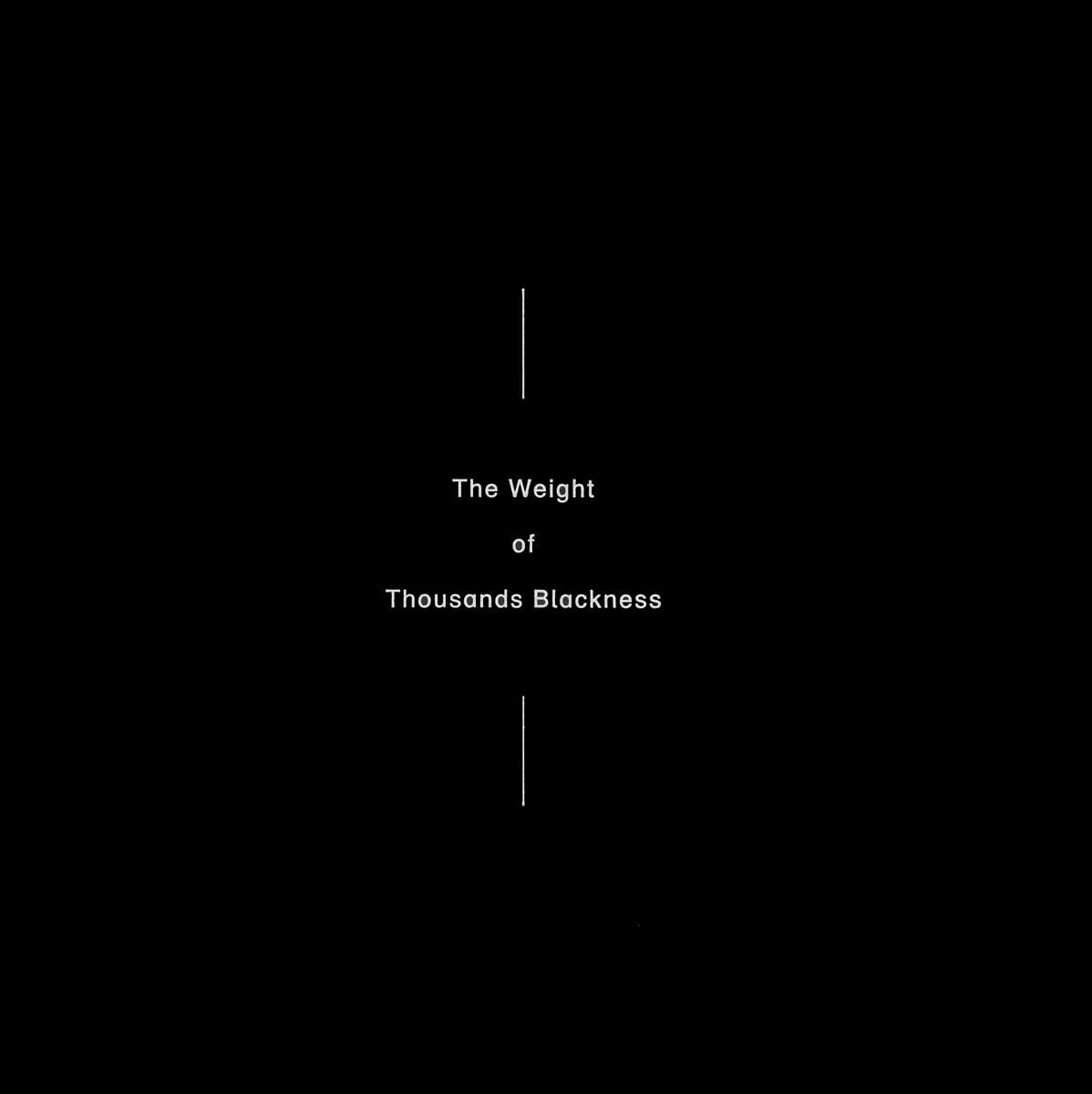
또한 서울대, 홍익대, 연세대, 중앙대 대학원, 경기대 건축(대학원)등에서 대우/겸임교수와 디렉터를 역임하였으며 2016년 미국 조지아텍 건축대학 초청크리틱 교수 (Guest Critic Prof. in Architecture/Georgia Institute of Technology, Atlanta, USA) 와 호서대 건축과 석좌교수로 재직하였다. 그리고 주요 국제건축작품 초대전시는 2009년 세계건축디자인올림픽 초대전, 2010년 미국 하버드 건축대학원(GSD) “New Trajectiories“ 초대전, 2011 UIA Tokyo Forum ”10,000 World Architects“ 초대전, 2016년 한.중.일 대표건축가 “서축전(書築展)”에 초대되어 건축 작품집 “천년의 침묵”(The Weight of Thousands Blackness)을 출간하였다.
사회활동으로 제30대 한국건축가협회(KIA) 회장, 제10대 한국건축단체연합(FIKA) 대표회장과 2017 UIA Seoul World Architects Congress (2017 서울세계건축대회) 대회장으로 대회를 성공적으로 개최하였다. 현재 미국건축가협회(HAIA), 일본건축가협회(HJIA), 베트남건축가협회(HFVNAA), 한국 최초 태국왕립건축가협회 명예회원으로 위촉되었으며, UIA 세계건축가연맹 국제공모전 상임위원(Steering Members)으로 임기 완료 후 UIA로부터 감사장을 수여받았다. 또한 서울시 디자인위원회, 건축위원회, 건축정책위원회, 도시건축공동위원회 위원, 공공건축가 등으로 약10년 동안 활동하였으며, 2019년부터 4년 동안 1대, 2대 경상북도 총괄건축가로 봉직하면서 경북건축문화 발전에 노력하였다. 현재 한국건축가협회/한국건축단체연합(FIKA) 명예회장, UCLA한국총동문회 회장으로 활동하고 있다.
현재 배병길 건축연구소 대표로 재직하면서 그의 건축은 자연, 인간, 건축의 상호관계성에 관한 “염치의 미학”이라는 건축철학과 이론으로 작업하고 있으며, “관계를 넘어 윤리로” 건축적 사고를 확장하고 있다. 그는 건축을 “땅이라는 자연에 인간의 언어를 새기는 행위”로 정의하고, 또한 “건축은 인간이 자연에게 말을 건내는(거는) 행위“ 로 인식하면서 건축 작업을 지속하고 있다.
〈Author Introduction〉
Byung-Kil Bae began his architectural career at the office of renowned Korean architect Kim Joong-Up and received his Master of Architecture from the UCLA School of Architecture. In 1990, he founded Bae Byung-Kil Architecture & Urban Design associates, and in recognition of his contributions to Korean architecture across cultural, residential, and educational projects, he was awarded the Ok-Gwan Order of Cultural Merit by the Korean government in 2019. He has also received numerous honors, including the Korea Environmental Culture Award, Seoul Architecture Award, Korean Institute of Architects Award, Korea Architecture Culture Award, and a commendation from the Minister of Culture, Sports and Tourism.
He has taught at leading Korean universities including Seoul National University, Yonsei University, Hongik University, and others, and served as a guest Prof. at the Georgia Institute of Technology and a distinguished professor at Hoseo University. His works have been featured in major international exhibitions such as Harvard GSD’s New Trajectories, UIA Tokyo Forum, and the Korea-China-Japan invitational Seochukjeon, where he published the monograph “The Weight of Thousands Blackness.”
He has held key leadership roles, including President of the Korean Institute of Architects (KIA), President of the Federation of Korean Architects (FKIA), and President of the 2017 UIA Seoul World Architects Congress. He is an honorary member of architectural associations in the U.S.A, Japan, Vietnam, and Thailand, and actively promotes international exchange. Currently, he leads Bae Byung-Kil Architecture & Urban Design associates. His architectural philosophy, The Aesthetics of “Yeom-Chi”, explores the essential relationship between nature, humanity, and architecture, extending into the ethical and sustainable dimensions of design through the concept of “Beyond Relationality, Toward Ethics.”
배병길의 다른 상품
품목정보
책 속으로
|
"생(生)은 다만 그림자, 실낱같은 여름 태양 아래 아른거리는 하나의 환영(幻影), 그리고 얼마만큼의 광기(狂氣), 그것이 전부이다. - 사자(死者)의 서(書)
"Life is just one illusion, a phantasm glimmering under summer sunlight like a thread and some amount of madness. That's all." - the book of the dead "불규칙을 허용하지 않는 규칙은 기계에 불과하고 규칙이 없는 불규칙은 혼란한 무질서에 지나지 않는다.“ - 앙드레 말로 "Rule that disallows irregularity is only machine and irregularity without rule is mere confused disorders." - Andre Malraux --- 본문 중에서 |
출판사 리뷰
|
Book Introduction
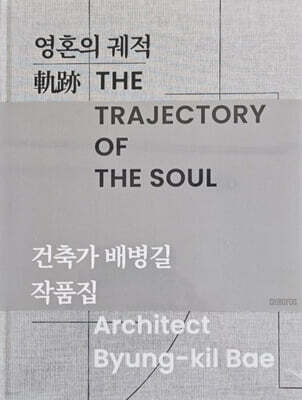
The Weight of Thousands Blackness (천년의 침묵) Architect Byung-Kil Bae perceives the essential difference between Eastern and Western cultures in their means of expressing thought?the East through brush and ink, the West through pen and ink. For him, the infinite depth and timelessness of black mook embody nature itself, for mook , born of fire, is a material that merely transforms in form but whose origin has always been nature, stretching back thousands of years.This perception underlies the book’s monochromatic spectrum, where shades of black and gray form the visual and philosophical foundation of its design. The core design concept draws from the Eastern aesthetics of emptiness and silence?the meditative state of Sukjeong (肅靜), or “emptiness for solemn tranquility,” the longing within Jeokmak (寂寞), “the silence of solitude,” and the yearning of “utter loneliness.”Through these notions, the book seeks to invite the reader into spaces of solitude, translating spiritual quietude into architectural simplicity. Professor Jin-Ryul Jung of Kookmin University’s Department of Design notes that this book attempts to rediscover doors, stairs, and passages within Bae’s architecture?spaces that explore the intricate relationships among nature, humanity, and architecture.Known for his architectural philosophy, “The Aesthetics of Conscience,” Bae’s work progresses from “existence to relationship,”“beyond relationship to ethics,” and toward “the relationship of relationships.”His architecture raises fundamental questions about the boundaries between nature, human beings, architecture, and time. In creating this book, the intention was not merely to present architecture as static objects, but to explore the moments where people walk, meet, and breathe within these spaces?where the architect’s philosophical ideas are embodied in tangible form.In Hagui-jae, the focus was on doors that open toward nature and gaps that draw nature into architecture. In Mukdang Monastery, attention was given to the narrow, reverent stairways filled with solemnity. At Gimcheon High School, the work sought to capture the paths and corridors where students pass and run?spaces where the new and the old harmoniously coexist. Photographer Seong-Soo Kim does not merely document architectural space; rather, through deep monochrome textures, he renders these works into abstract planes, revealing “the thoughts beyond architecture” that reside within Bae’s creations. Excerpt from the Book “Life is just one illusion,a phantasm glimmering under summer sunlight like a threadand some amount of madness ? that’s all.” ? The Book of the Dead “A rule that disallows irregularity is but a machine,and irregularity without rule is nothing more than chaotic disorder.” ? Andre Malraux 참 고 사 항 현재 2025년 5월 10일 개막된 제19회 국제건축 베니스 비엔날레전 (원제: The 19th International Architecture Exhibition of the Venice Biennale) 일환으로 진행중인 “베니스지성의 구축”(원제: Libraries, Building Venetian Intelligence) 전시에 건축작품집 “천년의 침묵”(원제: The Weight of Thousands Blackness) 과 제7회 Baku 국제건축상 수상작 “영혼의 궤적, 건축가 배병길” (원제; The Trajectory of the Soul. Architect, Byung-kil, Bae)이 전시 중이며 국제건축 베니스 비엔날레전 마감일 11월 23일까지 Venice Pavilion에서 전시된다. |
사락 별점0
혜택 및 유의사항밑줄0
혜택 및 유의사항
47,500원
총 1개
47,500원