
소득공제
수입
직수입양서
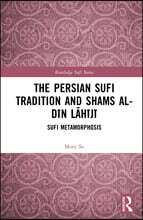
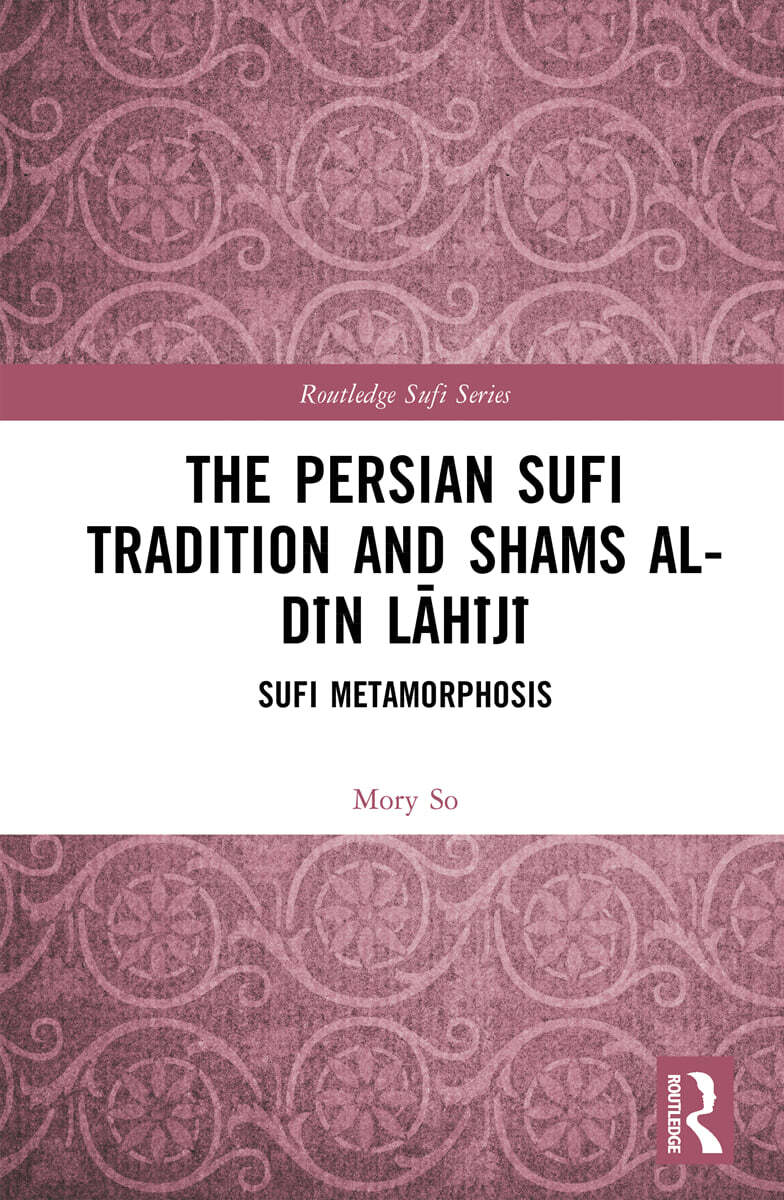
Persian Sufi Tradition and Shams al-Dīn Lāhījī
Sufi Metamorphosis
Hardback, 1st Edition
Morokoth So
Routledge
2026.07.22.
이미 소장하고 있다면 판매해 보세요.
- 국내배송만 가능
- 해외 거래처 사정에 의하여 품절/지연 가능
- 도서 정보 중 미표기 사항 안내?
- 문화비소득공제 가능
Routledge Sufi Series
-
 Persian Sufi Tradition and Shams al-Dīn Lāhījī 이동Persian Sufi Tradition and Shams al-Dīn Lāhījī10% 348,270원
 -
Walāya in the Formative Period of Shi'ism and Sufism 이동Walāya in the Formative Period of Shi'ism and Sufism10% 89,070원
-
Walāya in the Formative Period of Shi'ism and Sufism 이동Walāya in the Formative Period of Shi'ism and Sufism10% 295,620원
-
Awhad al-Dīn Kirmānī and the Controversy of the Sufi Gaze 이동Awhad al-Dīn Kirmānī and the Controversy of the Sufi Gaze10% 95,140원
책소개
목차
|
Contents Notes on Transliterations and Pronunciations Chapter 1. Introduction Subject Matter Shams al-D?n L?h?j? in an Age of Transition & the Research Question The State of the Current Literature, Research Aims, and Situating the Present Book Organisation, Methodology & Primary Sources Chapter 2. Ibn al-?Arab? and the Persian Sufis of Ir?n-shahr Introduction Historical Developments of the Akbar? Tradition Before the Timurid Period (Late Sixth/Thirteenth to Early Ninth/Fifteenth Centuries) Transmission of the Akbar? Tradition Towards Ir?n-shahr During the Timurid/Aq Qoyunlu Period Conclusion: Evaluating the Impact of Ibn al-?Arab?’s Teachings and His Early Followers Upon the Sufis of Ir?n-shahr During the Turco-Mongol Period Chapter 3. The Sam?? of Ma?m?d Shabistar? and Shams al-D?n L?h?j? Introduction ?md Shabistar? and the Gulshan-i R?z A Biographical Sketch of ?ammad ?Ibn Ya?y? L?h?j? The Question of Confessional Ambiguity in Relation to L?h?j? Introduction to L?h?j?’s Commentary and the Different Sources of Influence upon the Maf?t?? al-i?j?z ?Al?d-loyalism and Sh??? Millennialism in L?h?j?’s Commentary Other Works from the Genre of Persian Sufi Literature that Influenced L?h?j?’s Commentary in Connection to the Akbar? School of Thought L?h?j?’s Commentary in Relation to the Religion of Love Chapter 4. Wa?dat al-Wuj?d in L?h?j?’s commentary on the Gulshan-i R?z Introduction The Self-Emanation of the One Absolute Wuj?d of God and the Creation of the Cosmos The Role of the Divine Names and Attributes in L?h?j?’s Sufi Metaphysics and Their Relationship with the Immutable Entities The Ambiguous Ontological Status of the Possible Beings in the Manifest Cosmos: Do they Exist or Not? The Perpetual Renewal of Creation and the Possibility that the Creatures Acquire Wuj?d from the Real The Cosmos: a Passing Dream and Illusion for those Humans still Asleep Conclusion: L?h?j?’s Commentary as an Influential and Comprehensive Akbar? text in Persian During the Timurid Period Chapter 5. The Perfect Man and L?h?j?’s Sufi Anthropology Introduction The Relationship between the Mu?ammadan Reality and the Perfect Man within L?h?j? Sufi Cosmology The Purpose for the Creation of the Perfect Man according to L?h?j? and His Akbar? Predecessors The Perfect Man as the Spirit of the Cosmos, and the Cosmos as the Corporeal Body of the Perfect Man The Perfect Man as God’s Vice-Regent and the Subjugation of Every Existent Thing within the Cosmos beneath the Ruling Authority of the Perfect Man The Perfect Man and Realised Knowledge of God, and the Divine Mystery on Why Mankind is Superior to the Angels Conclusion: The Perfect Man, the Key to Unlocking L?h?j?’s Vision of the Cosmos Chapter 6. Confessional Ambiguity in L?h?j?’s Sufism Introduction L?h?j?’s Explication of Friendship with God and Prophethood The Identity of the Seal of the Friends in L?h?j?’s Commentary L?h?j?’s Position on the Issue of Human Free Will and Divine Predestination L?h?j?’s Refutation of the Mu?tazilites by Resorting to the Arguments and Teachings of the Ash?arites The Historical Problem of L?h?j?’s Confessional Identity in an Era of Confessional Ambiguity Conclusion: L?h?j?’s Sufism Determined by the Confessional Ambiguity of His Age Chapter 7. L?h?j?’s Sufi Epistemology Introduction The Necessary Qualifications of an Authentic Sufi Master What the Sufi Path Entails According to L?h?j? L?h?j?’s Definition of Tafakkur and Ma?rifat and the Impossibility of Attaining True Knowledge of God according to the Way of the Fal?sifa and Kal?m scholars True Knowledge of God (Ma?rifat) is Only Possible by Following the Way of the Sufi Friends Self-Realisation Leads to Realised Knowledge of the Divine Self Conclusion: L?h?j?’s Advocacy of the Sufi Way and His Rejection of the Greek Logic of the Avicennian Philosophers and Mutakallim?n Chapter 8. L?h?j? and the Religion of Love Introduction Love as a Cosmic Force that Incites Everything into Motion and Being L?h?j?’s Exposition on Lover, Beloved and Love in the Framework of His Sufi Teachings The Human Form as the Ultimate Locus for the Contemplation of Divine Beauty, and L?h?j?’s Encouragement of the Sufi Seeker to Contemplate the Divine Beauty through the Face of a Holy Sufi Master How Love is Born and Nurtured Into a State of Perfection Through the Witnessing of Beauty The Lover’s Return to the Divine Essence of Love, and the Lover’s Becoming an Inhabitant of the Tavern of Ruins Conclusion: The Successful Synthesis of the Akbar? Tradition with the Religion of Love in L?h?j?’s System of Sufi Thought Chapter 9. Conclusion Index |
관련 분류
품목정보
- 발행일
- 2026년 07월 22일
- 쪽수, 무게, 크기
- 248쪽 | 640g | 160*230mm
- ISBN13
- 9781032572734
사락 별점0
혜택 및 유의사항밑줄0
혜택 및 유의사항상품정보안내
직수입외서의 경우, 해외거래처에서 제공하는 정보가 부족하여 제목, 표지, 가격, 유통상태 등의 정보가 미비하거나 변경되는 경우가 있습니다. 정확한 확인을 원하시는 경우, 일대일 상담으로 문의하여 주시면 답변 드리겠습니다.
(판형과 판수 등이 다양한 도서는 찾으시는 도서의 ISBN을 알려 주시면 보다 빠르고 정확한 안내가 가능합니다.)
해외거래처에서 품절인 경우, 2차 거래선을 통해 유럽과 미국 출판사로 직접 수입이 진행될 수 있습니다.
수입 진행 시점으로 부터 2~3주가 추가로 소요되며, 해외에서도 유통이 원활하지 않은 도서는 품절 안내가 지연될 수 있습니다.
해당 경우, 문자와 메일로 별도 안내를 드리고 있사오니 마이페이지에서 휴대전화번호와 메일주소를 다시 한번 확인해주시기 바랍니다.
(판형과 판수 등이 다양한 도서는 찾으시는 도서의 ISBN을 알려 주시면 보다 빠르고 정확한 안내가 가능합니다.)
해외거래처에서 품절인 경우, 2차 거래선을 통해 유럽과 미국 출판사로 직접 수입이 진행될 수 있습니다.
수입 진행 시점으로 부터 2~3주가 추가로 소요되며, 해외에서도 유통이 원활하지 않은 도서는 품절 안내가 지연될 수 있습니다.
해당 경우, 문자와 메일로 별도 안내를 드리고 있사오니 마이페이지에서 휴대전화번호와 메일주소를 다시 한번 확인해주시기 바랍니다.
348,270원
총 1개
348,270원