

이미지 검색을 사용해 보세요
검색창 이전화면 이전화면
최근 검색어
인기 검색어

가격
301,530
10 271,370
YES포인트?
13,570원 (5%) 마니아추가적립
5만원 이상 구매 시 2천원 추가 적립
결제혜택
최대 1,000원 적립

이미 소장하고 있다면 판매해 보세요.

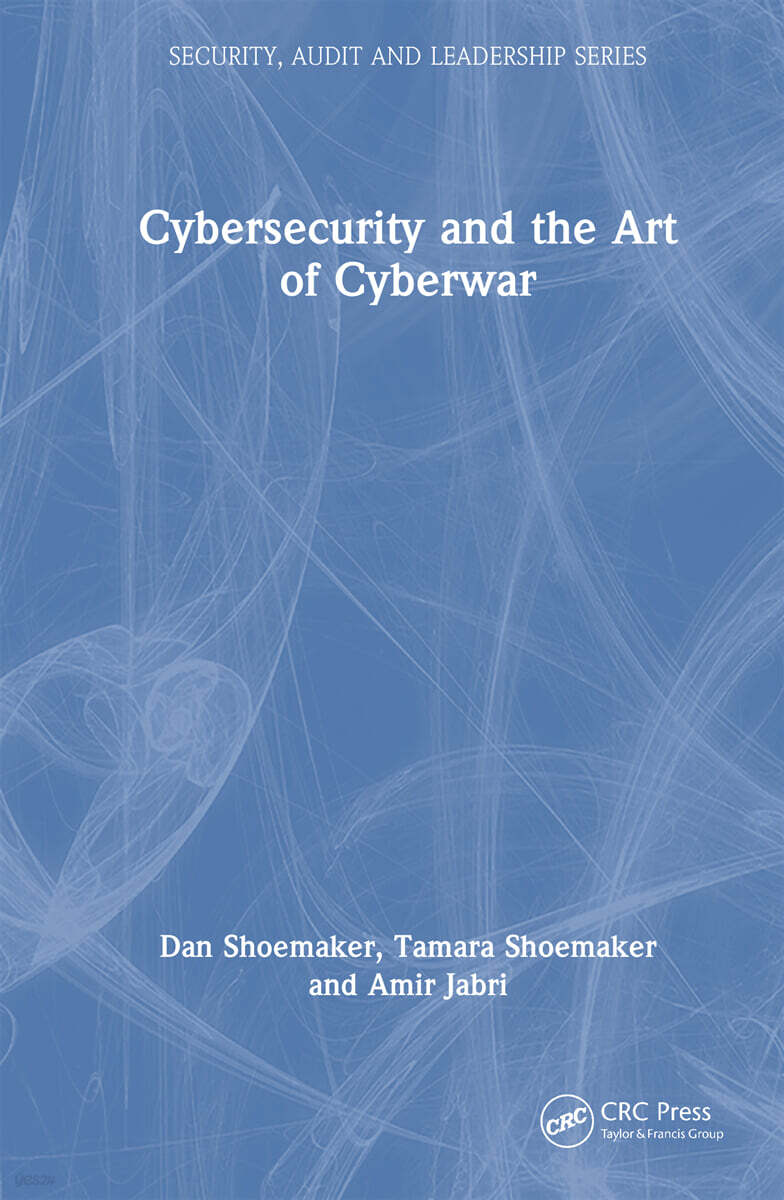
Security, Audit and Leadership Series

책소개

목차

Chapter One - Introduction: Holistic Security
A. The Ongoing Disaster in Cyberspace ? this documents the general challenge of securing virtual space
B. Electronic Solutions are not a Solution ? this explains why a solely electronic approach is by definition inadequate by itemizing the other legitimate categories of attack and providing a taxonomy of the various legitimate methods of attack.
C. Why We Need a Holistic Approach ? this outlines the necessity for a context-based, total solution, and as well as the process for building cybersecurity systems
D. The Cybersecurity Process ? this presents a unique three-domain, meta-process for holistic solutions and explains/justifies the logic behind why that process has to be followed
Chapter Two ? Three Legitimate Attack Surfaces and their Different Challenges
A. Electronic Attack Surface Elements and Controls ? characteristics, strengths and weaknesses of the electronic elements of the system and their common mitigations.
B. Human Attack Surface Elements and Controls ? characteristics, strengths and weaknesses of the human behavioral elements of the system and their common mitigations.
C. Physical Attack Surface Elements and Controls - characteristics, strengths and weaknesses of the physical elements of the system and their common mitigations.
D. Architecture: Ensuring Synergy Between Attack Surfaces ? this describes the process for integrating control solutions for each interface into a single holistic response
Chapter Three ? Common Best Practice Standards for Holistic Security
A. What is Best Practice and Why is it Important ? description of how best practice for the profession of cybersecurity evolves over time and the resulting standard frameworks
B. Commonly Accepted Best Practice Frameworks ? discussion of the standard models for implementing holistic cybersecurity and how they specifically apply in real world practice.
a) ISO 27000 ? international specification of the cybersecurity process elements
b) FIPS 200/NIST 800-53 ? specification of the U.S. requirements for cybersecurity
c) COBIT ? the most commonly adopted commercial standard l for cybersecurity
d) ISO 12207 ? international specification of the software process elements
Chapter Four - Practical Defence in Depth: Integration of Best Practice into a Holistic Response
A. Explanation of the Strategic Concept of Defence in Depth ? What is the purpose of defence in depth? What are the roles of coherent perimeters in defining it
B. Use of a Standard Model to Implement Specific Protection Needs ? the universal process for selection and deployment of best practice control sets
C. Why Top Down Development is Essential? ? how an iterative process of top down refinement can be used to adapt abstract principles to a specific practical solution
D. Integrating Control Sets into a Holistic System ? how common control categories can be utilized to validate the correctness of a real world holistic solution
Chapter Five ? Creating the Solution: Architectural Concerns and Tailoring
A. Building Real Architecture Out of Tailored Control Sets ? how to create a substantive individualized protection system for real world organizational application
B. What is Tailoring and Why is It Necessary ? the generally accepted method for adapting a standard’s general best practice recommendations to a given specific instance
C. Ensuring Synergistic Responses ? methods for building proper interdependence and interactive synergy into the composition of a tailored architecture.
D. The Tailoring Process: Examples ? this provides detailed specific examples of the tailoring process for two common standards (ISO 27000 and FIPS 200/NIST 800-53)
Chapter Six ? Maintaining a Holistic Solution: Evaluation and Evolution
A. Practical Control Baselines: How are they Created and Maintained - a practical methodology for building substantive control baselines for a given instance
B. Ensuring Effective Control Performance ? examples of common methodologies for validating and verifying control baseline effectiveness.
C. Assessing Control Performance in the Operational Setting ? method for ensuring that the status of the control baseline is always known and validated as correct
D. Control Architecture Change Management and Evolution ? method for effective operational management of changes to organizational control architectures
Chapter Seven ? Practical Considerations for the Board Room: Changing the Culture
A. We Don’t do it That Way: The Problem of Organizational Culture ? large scale strategies for overcoming corporate inertia and resistance to change
B. The Role and Accountability of Leadership in Obtaining Practical Results ? five large scale governance factors that must be recognized and enforced by corporate leadership
C. The Capable Organization and How You Get There ? a staged approach to development of a capable organizational security response
D. Education and Training ? a method for implementing education and training programs to ensure the continuing security behaviour of individuals in the corporate environment.

품목정보

발행일
2026년 06월 22일
쪽수, 무게, 크기
212쪽 | 590g | 160*230mm
ISBN13
9781032993096

리뷰/한줄평0

리뷰

첫번째 리뷰어가 되어주세요.

한줄평

첫번째 한줄평을 남겨주세요.

상품정보안내

직수입외서의 경우, 해외거래처에서 제공하는 정보가 부족하여 제목, 표지, 가격, 유통상태 등의 정보가 미비하거나 변경되는 경우가 있습니다. 정확한 확인을 원하시는 경우, 일대일 상담으로 문의하여 주시면 답변 드리겠습니다.
(판형과 판수 등이 다양한 도서는 찾으시는 도서의 ISBN을 알려 주시면 보다 빠르고 정확한 안내가 가능합니다.)

해외거래처에서 품절인 경우, 2차 거래선을 통해 유럽과 미국 출판사로 직접 수입이 진행될 수 있습니다.
수입 진행 시점으로 부터 2~3주가 추가로 소요되며, 해외에서도 유통이 원활하지 않은 도서는 품절 안내가 지연될 수 있습니다.
해당 경우, 문자와 메일로 별도 안내를 드리고 있사오니 마이페이지에서 휴대전화번호와 메일주소를 다시 한번 확인해주시기 바랍니다.

271,370
1 271,370