
소득공제
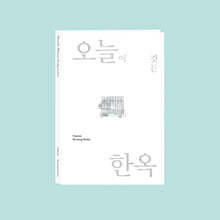
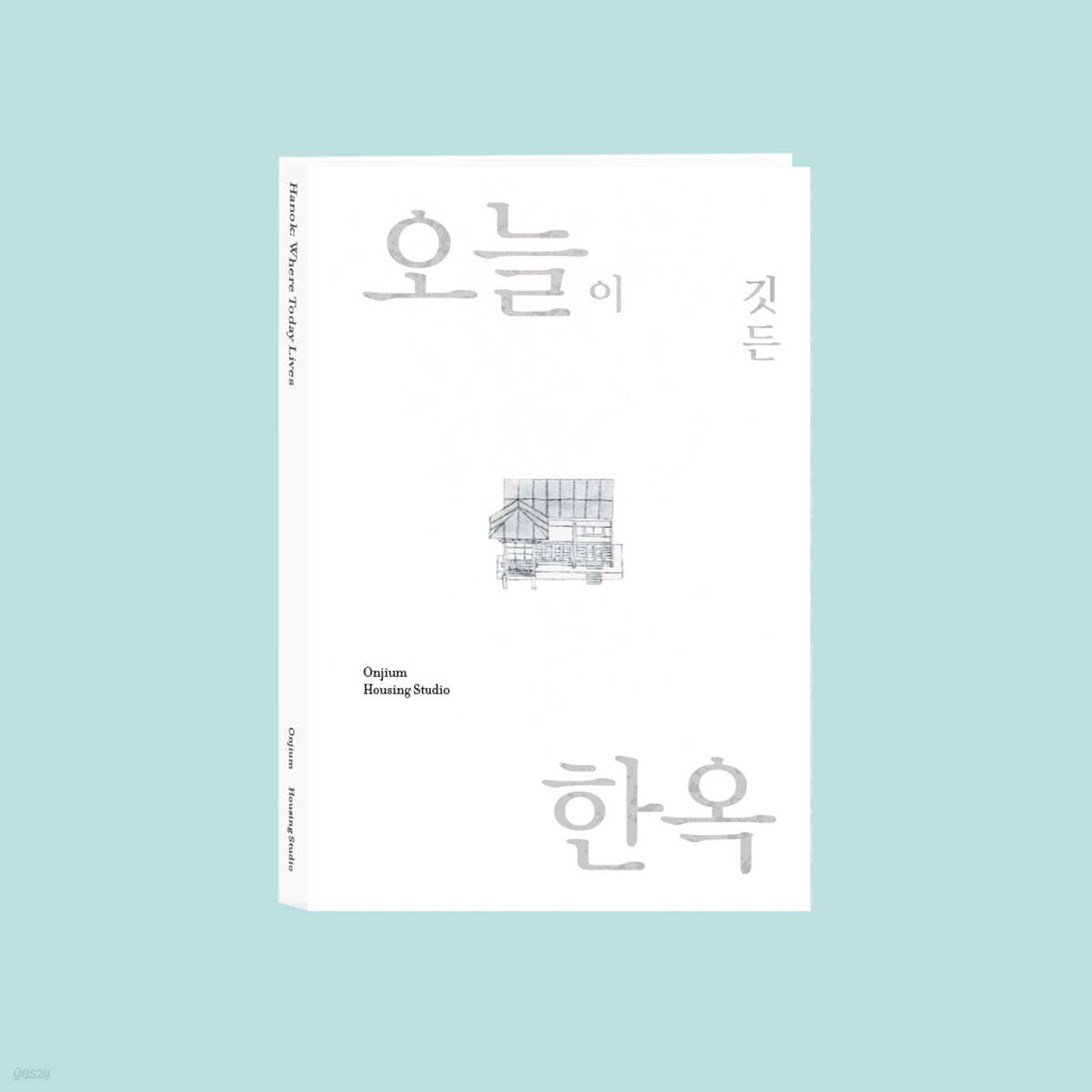
Hanok: Where Today Lives
13 Projects to Build Tomorrow’s Heritage
오늘이 깃든 한옥 영문판
중앙북스(books)
2026.04.20.
이미 소장하고 있다면 판매해 보세요.
- 국내배송만 가능
- 문화비소득공제 가능
상세 이미지

책소개
목차
|
Foreword
Hanok, the Traditional House of Today | Yun Gyun S. Hong Preface Hanok, Timeless and Contemporary Architecture | Bong Ryol Kim Introduction Toward a Living Hanok of Today Gyeongju Villa A House to Embrace the Landscape Dongrakdang A Modern Hanok That Defies Conventions for New Possibilities Hwadongjae A House of Refined Simplicity and Understated Elegance Building a House in Words ① The Site: Awakening to the Land Bangye Yun Ungnyeol’s VillaA Century-old Hanok Reimagined for Today Hong Jai Cho’s Birthplace The Beauty of a Simplicity and Practicality Building a House in Words ② The Floor: To Step Upon and Rise Arumjigi Building Hanok A Hanok for the “Here and Now” Hyundai Heavy Industries VIP Guest House The Elegance of Modern Hanok Building a House in Words ③ The Roof: Shielding from the Sun Donuimun Museum Village Hanok Youth Hostel Exploring the Potential of Modern Collective Architecture Bihaedang at the Korean Royal Court Flower Museum Hanok, Connected and Expanded The Korean Heritage Room at University of Pittsburgh’s Cathedral of Learning A “House Within a House” Inspired by Myeongnyundang of Sungkyunkwan Building a House in Words ④ Doors: Boundaries of Communication Won Buddhism Wonnam Temple - Donor Memorial Hall, Inhyewon A Hanok Enriched with Function, Modest Yet Complete Jangwonjaesa Interpreting Tradition, Embracing Modernity Mujungwon A Space Bridging Life and Death Building a House in Words ⑤ A Conversation on Today’s Hanok Appendix Technologies Behind Onjium Housing Studio’s Hanok Buildings Index Materials Used in Onjium Housing Studio’s Hanok Buildings |
저자 소개 1
Onjium Housing Studio
온지음은 전통문화에 담긴 가치와 정신을 계승하고 이를 현대화하여 내일의 유산을 만들어가겠다는 의지로 만들어진 전통문화연구소다. 의, 식, 주 분야로 나누어 ‘옷공방’, ‘맛공방’, ‘집공방’에서 전문 장인을 양성하고 있다. 이 책의 저자인 온지음 집공방은 한옥 건축가이자 건축학자 김봉렬의 지도 아래 4명의 연구원으로 구성되어 한옥 뿐 아니라 한국의 건축과 생활 문화 전반을 연구한다. 주거 생활은 변화했으나 삶을 살아가는 전통의 철학과 지혜는 이어질 수 있는 공간을 짓고자 한옥 장인을 비롯하여 현대 건축가 및 각 분야 전문가와의 협업을 통해 다양한 방법으로 전통 건축에 담긴 조상들
온지음은 전통문화에 담긴 가치와 정신을 계승하고 이를 현대화하여 내일의 유산을 만들어가겠다는 의지로 만들어진 전통문화연구소다. 의, 식, 주 분야로 나누어 ‘옷공방’, ‘맛공방’, ‘집공방’에서 전문 장인을 양성하고 있다. 이 책의 저자인 온지음 집공방은 한옥 건축가이자 건축학자 김봉렬의 지도 아래 4명의 연구원으로 구성되어 한옥 뿐 아니라 한국의 건축과 생활 문화 전반을 연구한다. 주거 생활은 변화했으나 삶을 살아가는 전통의 철학과 지혜는 이어질 수 있는 공간을 짓고자 한옥 장인을 비롯하여 현대 건축가 및 각 분야 전문가와의 협업을 통해 다양한 방법으로 전통 건축에 담긴 조상들의 생각과 지혜를 배우고 발전시켜 나가고 있다.
Onjium is a research and educational institute dedicated to Korean traditional culture.
Founded to inherit the values and spirit embedded in tradition, the institute works to reinterpret these principles for contemporary life while contributing to a meaningful cultural legacy for the future. Through its three studios ? Food, Clothing, and Housing ? Onjium cultivates professional artisans whose practice integrates research, craftsmanship, and present-day living.
Onjium Housing Studio is the collective author of Hanok: Where Today Lives. Led by hanok architect and architectural scholar Bong Ryol Kim, the Studio brings together researchers and creative practitioners engaged in the study of Korean architecture and living culture.
Beyond the preservation of traditional hanok as architectural form, the Studio explores the philosophical foundations and practical wisdom embedded in historic ways of dwelling. Its work considers how these principles can continue within the realities of contemporary residential life.
In collaboration with hanok artisans, contemporary architects, and specialists across disciplines, the Studio develops approaches to spatial design that allow tradition to remain relevant and adaptive in the present.
Onjium is a research and educational institute dedicated to Korean traditional culture.
Founded to inherit the values and spirit embedded in tradition, the institute works to reinterpret these principles for contemporary life while contributing to a meaningful cultural legacy for the future. Through its three studios ? Food, Clothing, and Housing ? Onjium cultivates professional artisans whose practice integrates research, craftsmanship, and present-day living.
Onjium Housing Studio is the collective author of Hanok: Where Today Lives. Led by hanok architect and architectural scholar Bong Ryol Kim, the Studio brings together researchers and creative practitioners engaged in the study of Korean architecture and living culture.
Beyond the preservation of traditional hanok as architectural form, the Studio explores the philosophical foundations and practical wisdom embedded in historic ways of dwelling. Its work considers how these principles can continue within the realities of contemporary residential life.
In collaboration with hanok artisans, contemporary architects, and specialists across disciplines, the Studio develops approaches to spatial design that allow tradition to remain relevant and adaptive in the present.
전통문화연구소 온지음 집공방의 다른 상품
품목정보
- 발행일
- 2026년 04월 20일
- 쪽수, 무게, 크기
- 274쪽 | 152*225*20mm
- ISBN13
- 9791197415760
책 속으로
|
I have always pondered the question: What defines hanok, and how far can the term be stretched? There is no absolute or fixed answer. Yet, new attempts have led to new discoveries. Hanok has become more convenient and aesthetically refined, but this is still just the beginning. Onjium Housing Studio will continue to explore new ideas and build upon its achievements. Even materials and construction methods once considered fundamental, such as wooden structures and tiled roofs, may eventually fade.
Nevertheless, the universal values and core principles embedded in hanok will deepen and endure as the essence of Onjium. Hanok will continue to evolve into modern architecture—one that remains rich in spirit. --- An excerpt from the Preface, “Hanok, Timeless and Contemporary Architecture” The idea of what constitutes good land and good scenery shows little difference between East and West. For example, in the mountainous Bohemian region of the Czech Republic, the criteria hunters used to select sites for their dwellings ultimately align closely with our principles of pungsu. They sought places that faced good mountains, offered sheltered topography to block the wind, and provided easy access to water. All of this stems from practical wisdom accumulated through life experience. ... There is no such thing as bad land. Even if one were to encounter such land, it is the architect’s responsibility to find solutions. --- An excerpt from “The Site: Awakening to the Land” To install a cornerstone, you first need to dig a large hole and create a proper foundation. Even the cornerstone itself will gradually sink into the ground over time. This is one of the greatest structural challenges in hanok architecture. If all the pillars were to sink evenly, the house would remain stable—but that’s rarely the case, because ground conditions such as soil composition and geology vary from place to place. To maintain the integrity of the structure, it’s not enough to simply rely on the pillar itself; the connecting structural framework must be stable as well. Without the development of a robust wooden framework, cornerstones would not have been possible in the first place. ... The emergence of the cornerstone represents a critical moment in the history of architecture, a breakthrough where humanity first challenged gravity and achieved remarkable progress. Even today, we use the term “cornerstone” to describe the beginning and significance of an undertaking. The shape or pattern of a cornerstone is merely decorative; the true essence lies in its functionality. --- An excerpt from “The Floor: To Step Upon and Rise” Hanok has undergone modernization in many aspects. For walls, materials like glass are now commonly used, greatly diversifying material options. But roofs have not followed the same trajectory. Think about it: if a hanok roof were to discard its giwa tiles, could it still be called a hanok? Could we propose a hanok without roof tiles?... Historically, tile-roofed houses emerged from the functional necessities of their era, but today, the conditions are entirely different. Yet despite these vastly liberated circumstances, we find ourselves confronted with the most difficult question: the question of hanok identity. The problem is not technical feasibility—it’s that structures without tiles are not readily accepted by the public as authentic hanok. It is less an issue of aesthetics and more a matter of cultural imagery. Can something still be recognized as “hanok” without the “soaring eaves line of a tiled roof”?... this presents a particularly difficult challenge for us because, as I mentioned, the issue lies not with the material itself but with public perception. It’s an area we continue to explore deeply. --- An excerpt from “Roof: Shielding from the Sun” The first challenge in addressing hanok’s shortcomings—issues of cold, security, and soundproofing—was to develop windows that maintain the aesthetics of traditional design while significantly improving functionality and convenience. This has been an area of diverse experimentation since Onjium Housing Studio began designing. Doors fitted with traditional hanji paper, which required regular replacement, needed alternatives that could meet today’s preferences for design, convenience, and durability.... We then partnered with a Korean company specializing in system windows to develop windows that fit modern hanok, which are now readily available on the market. ... If there are aspects where traditional hanok do not satisfy user needs, we actively accommodate those needs—not just with windows but across all areas—while preserving hanok’s integrity, researching and developing solutions to fulfill them. Through this process, I believe today’s hanok continues to evolve. --- An excerpt from “Doors: Boundaries of Communication” |
출판사 리뷰
|
1. Hanok: Where Today Lives selects thirteen projects from Onjium Housing Studio’s major works that demonstrate the diverse possibilities of hanok. In each case, the book takes readers on a journey to remedy hanok’s limitations and maximize its advantages. The Housing Studio has been presenting the function and design of hanok through the specialized design based on the technical and engineering understanding of hanok. These houses represent not just a cultural heritage to be preserved or an old house to be experienced once in a while, but a dignified residential culture as part of a rigorous contemporary architectural form. The book is richly illustrated with photographs and drawings of the passage of the seasons, providing a vivid picture of the challenges in each project.
2. “Building a House in Words” is a chapter within a chapter, guided by Bong Ryol Kim, the master of the Studio. He thoroughly examines the entire process of building a hanok, from choosing the land to installing giwa, the roofing tile of hanok. Through this, it examines the essence of hanok and the universal meaning of hanok in the category of modern architecture. 3. The book generously shares the techniques accumulated over the past decade in by the Onjium Housing Studio. The Studio is conducting independent research and development to compensate for the shortcomings of traditional hanok and to create a better culture of modern hanok housing. The technologies and know-how developed are applied to each and every hanok built by the Studio. They present the ‘hanok of today’ with improved convenience, safety, aesthetics, and comfort while maintaining the unique beauty of traditional hanok. |
리뷰/한줄평0
36,000원
총 1개
36,000원