
소득공제
수입
직수입양서
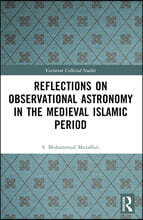
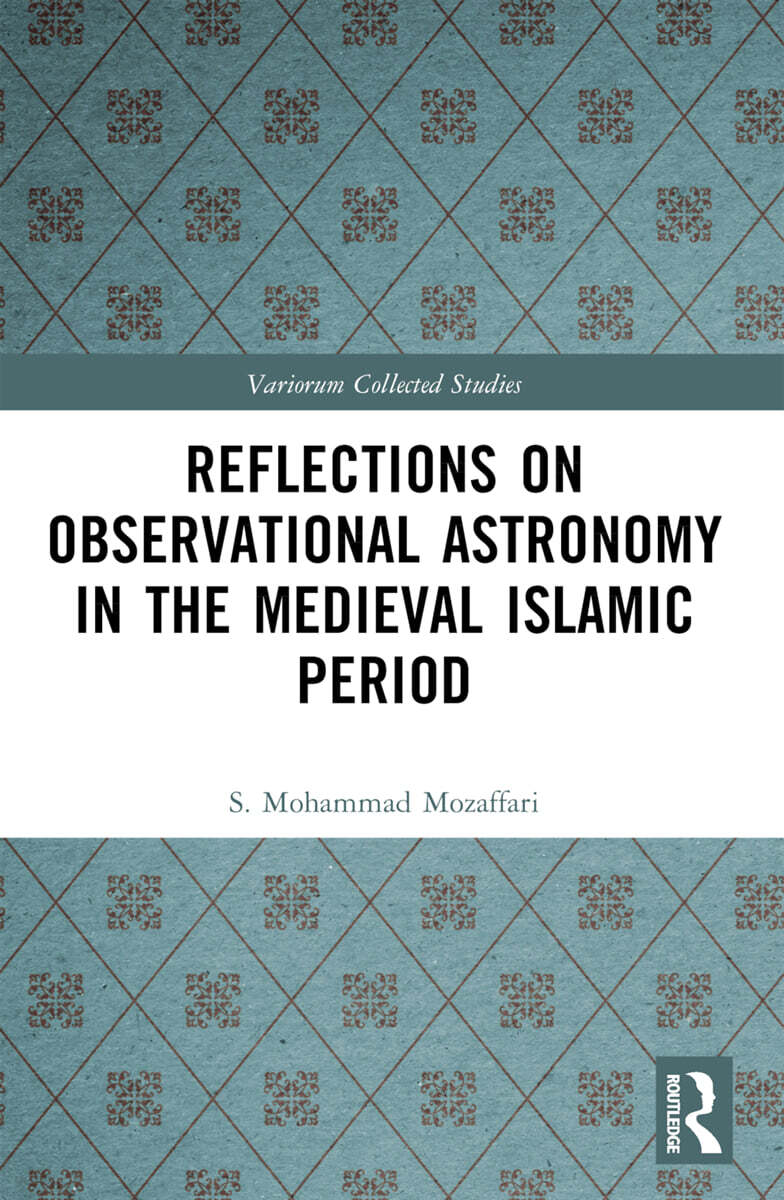
Reflections on Observational Astronomy in the Medieval Islamic Period
Paperback, 1st Edition
S. Mohammad Mozaffari
Routledge
2026.07.20.
이미 소장하고 있다면 판매해 보세요.
- 국내배송만 가능
- 해외 거래처 사정에 의하여 품절/지연 가능
- 도서 정보 중 미표기 사항 안내?
- 문화비소득공제 가능
Variorum Collected Studies
-
 “And O’er Earth’s Troubled, Angry Sea”: The History of Christian Science in the United States 이동“And O’er Earth’s Troubled, Angry Sea”: The History of Christian Science in the United States10% 96,630원
 -
Women, the Crusades, the Templars and Hospitallers in Medieval European Society and Culture 이동Women, the Crusades, the Templars and Hospitallers in Medieval European Society and Culture10% 96,630원
-
Reflections on Observational Astronomy in the Medieval Islamic Period 이동Reflections on Observational Astronomy in the Medieval Islamic Period10% 96,630원
-
Medieval Warfare: Technology, Military Revolutions, and Strategy 이동Medieval Warfare: Technology, Military Revolutions, and Strategy10% 96,630원
-
Continuity and Rupture in the Long Middle Ages 이동Continuity and Rupture in the Long Middle Ages10% 96,630원
-
Armies and Warfare in Carolingian East Francia and Ottonian Germany 이동Armies and Warfare in Carolingian East Francia and Ottonian Germany10% 346,330원
-
Studies in Music, Words, and Imagery in Early Modern Europe 이동Studies in Music, Words, and Imagery in Early Modern Europe10% 96,630원
-
Mosaics, Empresses and Other Things in Byzantium 이동Mosaics, Empresses and Other Things in Byzantium10% 96,630원
-
Epigraphy and Theory in the Study of Early Islam 이동Epigraphy and Theory in the Study of Early Islam10% 346,330원
-
Italian Merchant Bankers in North-Western Europe in the Late Middle Ages 이동Italian Merchant Bankers in North-Western Europe in the Late Middle Ages10% 346,330원
-
Biblical Exegesis and Mystical Theology in the Venerable Bede 이동Biblical Exegesis and Mystical Theology in the Venerable Bede10% 96,630원
-
Myth and Reality: Studies on the Templars and Hospitallers, Medieval Narratives, and the Trial of the Templars 이동Myth and Reality: Studies on the Templars and Hospitallers, Medieval Narratives, and the Trial of the Templars10% 346,330원
-
Wolfhart Heinrichs' Essays and Articles on Arabic Literature 이동Wolfhart Heinrichs' Essays and Articles on Arabic Literature10% 402,750원
-
Wolfhart Heinrichsʼ Essays and Articles on Arabic Literature 이동Wolfhart Heinrichsʼ Essays and Articles on Arabic Literature10% 96,630원
-
Wolfhart Heinrichs´ Essays and Articles on Arabic Literature 이동Wolfhart Heinrichs´ Essays and Articles on Arabic Literature10% 96,630원
-
Sciences in Islamicate Societies in Context 이동Sciences in Islamicate Societies in Context10% 96,630원
-
From Clovis to Charlemagne: Frankish History and Historians 이동From Clovis to Charlemagne: Frankish History and Historians10% 346,330원
책소개
목차
|
Introduction Part I. Solar Astronomy Chapter 1. Limitations of Methods: The Accuracy of the Values Measured for the Earth’s/Sun’s Orbital Elements in the Middle East, 800–1500 ce Part II. Lunar Astronomy and Theory of Eclipses Chapter 2. How Natural Phenomena Were Justified in Medieval Science: The Situation of Annular Eclipses in Medieval Astronomy Chapter 3. Wābkanawī’s Observation and Calculations of the Annular Solar Eclipse of 30 January 1283 Chapter 4. Bīrūnī’s Examination of the Path of the Centre of the Epicycle in Ptolemy’s Lunar Model Chapter 5. Solar and Lunar Observations at Istanbul in the 1570s Part III. Planetary Astronomy Chapter 6. Four-Point Method for Determining the Eccentricity and the Direction of the Apsidal Lines of the Sun and Superior Planets Chapter 7. Planetary Latitudes in Medieval Islamic Astronomy: An Analysis of the Non-Ptolemaic Latitude Parameter Values in the Maragha and Samarqand Astronomical Traditions Chapter 8. Holding or Breaking with Ptolemy’s Generalization: Considerations about the Motion of the Planetary Apsidal Lines in Medieval Islamic Astronomy Chapter 9. Astronomical Observations at the Maragha Observatory in the 1260s–70s Part IV. Stellar Astronomy Chapter 10. A Medieval Bright Star Table: The Non-Ptolemaic Star Table in the Īlkhānī Zīj Part V. Observational Instrumentation Chapter 11. Ghāzān Khān’s Astronomical Innovations at Marāgha Observatory |
관련 분류
품목정보
- 발행일
- 2026년 07월 20일
- 쪽수, 무게, 크기
- 344쪽 | 650g | 160*230mm
- ISBN13
- 9781032772363
사락 별점0
혜택 및 유의사항밑줄0
혜택 및 유의사항상품정보안내
직수입외서의 경우, 해외거래처에서 제공하는 정보가 부족하여 제목, 표지, 가격, 유통상태 등의 정보가 미비하거나 변경되는 경우가 있습니다. 정확한 확인을 원하시는 경우, 일대일 상담으로 문의하여 주시면 답변 드리겠습니다.
(판형과 판수 등이 다양한 도서는 찾으시는 도서의 ISBN을 알려 주시면 보다 빠르고 정확한 안내가 가능합니다.)
해외거래처에서 품절인 경우, 2차 거래선을 통해 유럽과 미국 출판사로 직접 수입이 진행될 수 있습니다.
수입 진행 시점으로 부터 2~3주가 추가로 소요되며, 해외에서도 유통이 원활하지 않은 도서는 품절 안내가 지연될 수 있습니다.
해당 경우, 문자와 메일로 별도 안내를 드리고 있사오니 마이페이지에서 휴대전화번호와 메일주소를 다시 한번 확인해주시기 바랍니다.
(판형과 판수 등이 다양한 도서는 찾으시는 도서의 ISBN을 알려 주시면 보다 빠르고 정확한 안내가 가능합니다.)
해외거래처에서 품절인 경우, 2차 거래선을 통해 유럽과 미국 출판사로 직접 수입이 진행될 수 있습니다.
수입 진행 시점으로 부터 2~3주가 추가로 소요되며, 해외에서도 유통이 원활하지 않은 도서는 품절 안내가 지연될 수 있습니다.
해당 경우, 문자와 메일로 별도 안내를 드리고 있사오니 마이페이지에서 휴대전화번호와 메일주소를 다시 한번 확인해주시기 바랍니다.
96,630원
총 1개
96,630원