
이미 소장하고 있다면 판매해 보세요.
- 국내배송만 가능
- 문화비소득공제 가능
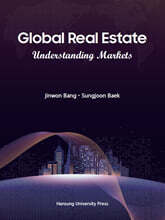
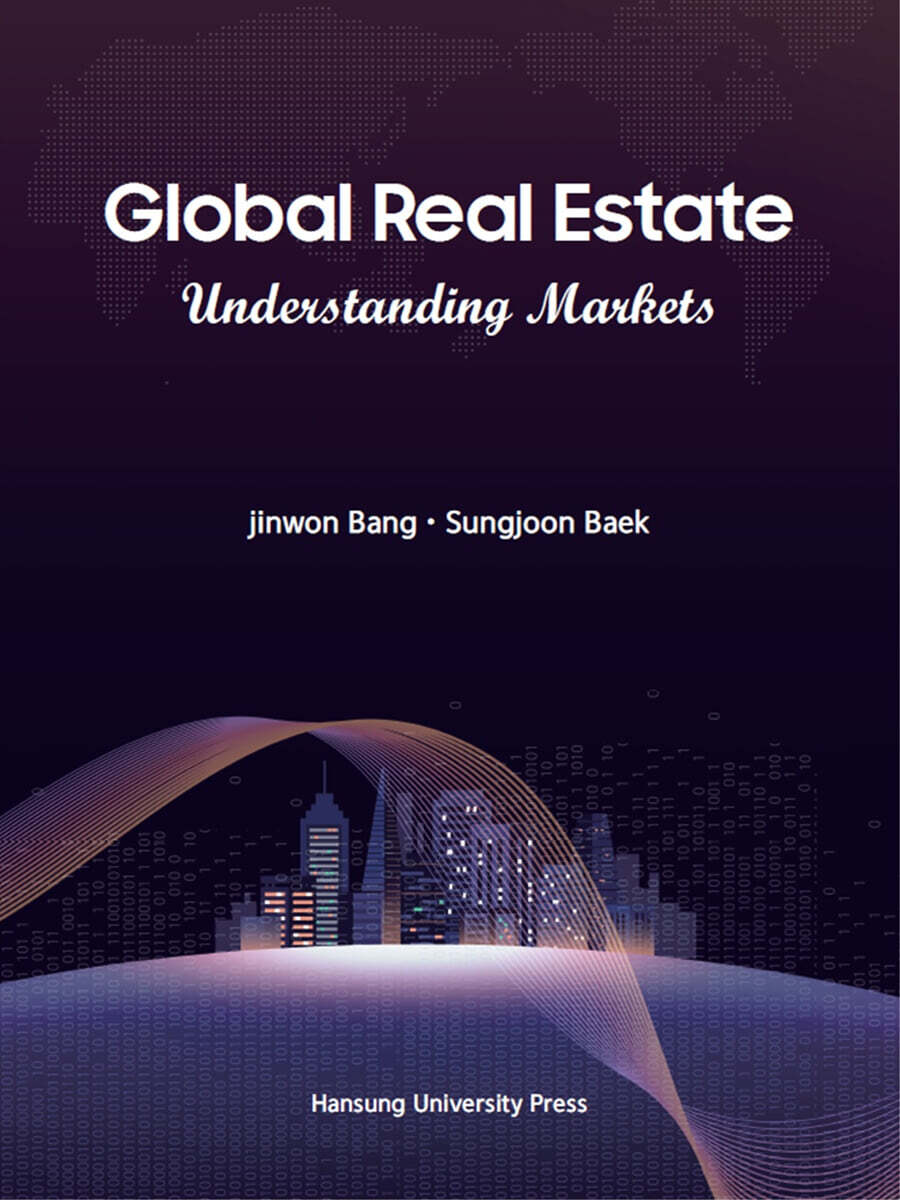
책소개
목차
|
[ PART I ] Theory of the Real Estate Market
Chapter 1. Introduction: Global Real Estate Market Section 1. Understanding the Global Real Estate Market Section 2. Types of Real Estate in Korea Section 3. Determinants of Real Estate Prices Section 4. Korean Real Estate Industry Trends Chapter 2. Concepts: Global Real Estate Market Section 1. The Global Real Estate Market Section 2. Real Estate Market and Economic Indicators Chapter 3. Microeconomics and Real Estate Section 1. Overview and Role of Microeconomics Section 2. Microeconomics and the Market Chapter 4. Determinants: Real Estate Demand Section 1. Basic Theory of Demand Section 2. Factors Influencing Demand Chapter 5. Determinants: Real Estate Supply Section 1. Basic Theory of Supply Section 2. Factors Influencing Supply Chapter 6. Macroeconomics and Real Estate Section 1. Overview and Role of Macroeconomics Section 2. Macroeconomics and the Market Section 3. Economic Agents and Economic Cycles [ PART II ] Key Factors Influencing the Real Estate Market Chapter 7. Demographics and Real Estate Section 1. Population and Demographic Changes Section 2. Family Structure and Social Changes Section 3. Migration and Foreign Population Section 4. Infrastructure and Residential Environment Chapter 8. Economy and Real Estate Section 1. Impact of the Global Economy Section 2. Impact of Income and Consumption Section 3. Impact of Employment and Unemployment Chapter 9. Interest Rates and Real Estate Section 1. Interest Rates and Monetary Policy Section 2. Interest Rates and Foreign Exchange Section 3. Interest Rates and Local Real Estate Market Section 4. Interest Rates and Global Real Estate Market Chapter 10. Policy and Real Estate Section 1. Tax Policies Section 2. Monetary and Fiscal Policies Section 3. Government Regulation and Intervention Section 4. Externalities and Market Failures Chapter 11. Housing Development and Real Estate Section 1. Housing Construction and Supply Status Section 2. Real Estate Prices and Market Trends Chapter 12. Investor Sentiment and Real Estate Section 1. Understanding the Market Sentiment Indicators Section 2. Real Estate Market Sentiment and Trends Chapter 13. Eco-sustainability and Real Estate Section 1. Energy and Resource Utilization Section 2. Environmental Protection and Sustainability Section 3. Safety and Living Environment Section 4. Cultural and Leisure Infrastructure Chapter 14. FDI and Real Estate Section 1. Trends in Foregin Direct Investment Section 2. FDI and Real Estate Prices Section 3. Zoning and Land-Use Regulations Section 4. Economic Spillover Effects of FDI Appendix: Data Sources |
저자 소개 2
대림산업 해외건설부문 근무
LG전자 연구소 ICT 책임연구원(현, 수석연구원)
자랑스런 과학기술인 등록(ICT 분야), 대한민국
Canada OREA Real Estate College 수료
Canada 현지 부동산중개사(REALTOR ⓡ)
Canada 현지 유학원 대표 및 VIP 가디언
Canada 현지 한인상공회의소 총괄부회장
한성대학교 부동산대학원 석사과정 졸업
한성대학교 일반대학원 경제부동산학과 박사학위 취득
한성대학교 박사동문회 수석부회장
현, 캐나다 현지 투자법인 대표(부동산개발관리)
현, 논문컨설팅 지도 강사, 학위논문/학술지논문
현, 공인중개사
대림산업 해외건설부문 근무
LG전자 연구소 ICT 책임연구원(현, 수석연구원)
자랑스런 과학기술인 등록(ICT 분야), 대한민국
Canada OREA Real Estate College 수료
Canada 현지 부동산중개사(REALTOR ⓡ)
Canada 현지 유학원 대표 및 VIP 가디언
Canada 현지 한인상공회의소 총괄부회장
한성대학교 부동산대학원 석사과정 졸업
한성대학교 일반대학원 경제부동산학과 박사학위 취득
한성대학교 박사동문회 수석부회장
현, 캐나다 현지 투자법인 대표(부동산개발관리)
현, 논문컨설팅 지도 강사, 학위논문/학술지논문
현, 공인중개사, 대한민국
현, 한성대학교 (경제) 부동산연구소 연구위원
현, 한성대학교 특임교수, 부동산대학원
[학술활동]
CDMA 데이터 망연동 시스템 구현, 대한전자공학회 학술대회, 공동저자, 1997
한국의 부동산거래 안전성 확보를 위한 공인중개사와 변호사들의 협업, 부동산연구, 2016
공인중개사의 다차원적 직무환경의 중요도와 만족도에 관한 연구, 박사학위논문, 2020
부동산 전속중개제도 정착에 관한 연구, 부동산산업연구, 2020
부동산거래의 종결단계에 관한연구-캐나다 온타리오 사례를 중심으로, 부동산연구, 2020
공인중개사와 변호사의 부동산거래 협업에 관한 연구, 도시부동산연구, 2020
공인중개사 제도 평가 및 직무환경 만족도에 관한 연구, 한국부동산연구원, 2021
아파트분양제도 및 전매에 관한 연구-캐나다제도와 비교분석, 부동산경영, 2021
부동산 중개서비스의 품질과 보수에 관한 연구-캐나다와 한국의 제도비교를 중심으로, 건설경제산업연구, 2023
부동산학개론, 법문사, 공동저자, 2024
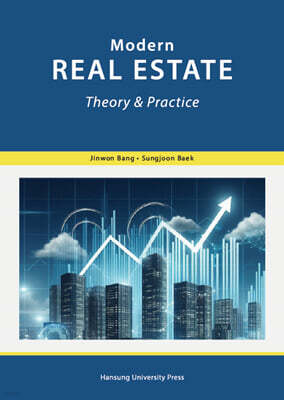
Modern Real Estate : Theory & Practice, Hansung University Press, 2025
현대 부동산학 이론 및 실무, 한성대학교출판부, 2025
LG전자 연구소 ICT 책임연구원(현, 수석연구원)
자랑스런 과학기술인 등록(ICT 분야), 대한민국
Canada OREA Real Estate College 수료
Canada 현지 부동산중개사(REALTOR ⓡ)
Canada 현지 유학원 대표 및 VIP 가디언
Canada 현지 한인상공회의소 총괄부회장
한성대학교 부동산대학원 석사과정 졸업
한성대학교 일반대학원 경제부동산학과 박사학위 취득
한성대학교 박사동문회 수석부회장
현, 캐나다 현지 투자법인 대표(부동산개발관리)
현, 논문컨설팅 지도 강사, 학위논문/학술지논문
현, 공인중개사, 대한민국
현, 한성대학교 (경제) 부동산연구소 연구위원
현, 한성대학교 특임교수, 부동산대학원
[학술활동]
CDMA 데이터 망연동 시스템 구현, 대한전자공학회 학술대회, 공동저자, 1997
한국의 부동산거래 안전성 확보를 위한 공인중개사와 변호사들의 협업, 부동산연구, 2016
공인중개사의 다차원적 직무환경의 중요도와 만족도에 관한 연구, 박사학위논문, 2020
부동산 전속중개제도 정착에 관한 연구, 부동산산업연구, 2020
부동산거래의 종결단계에 관한연구-캐나다 온타리오 사례를 중심으로, 부동산연구, 2020
공인중개사와 변호사의 부동산거래 협업에 관한 연구, 도시부동산연구, 2020
공인중개사 제도 평가 및 직무환경 만족도에 관한 연구, 한국부동산연구원, 2021
아파트분양제도 및 전매에 관한 연구-캐나다제도와 비교분석, 부동산경영, 2021
부동산 중개서비스의 품질과 보수에 관한 연구-캐나다와 한국의 제도비교를 중심으로, 건설경제산업연구, 2023
부동산학개론, 법문사, 공동저자, 2024
Modern Real Estate : Theory & Practice, Hansung University Press, 2025
현대 부동산학 이론 및 실무, 한성대학교출판부, 2025
방진원의 다른 상품

서울대학교 사회과학대학 경제학과 졸업
서울대학교 환경대학원 도시계획학 석사, 박사
서울연구원 위촉연구원 역임
대우경제연구소 선임연구원 역임
한국건설산업연구원 연구위원 역임
한성대학교 부동산대학원 원장 역임
한국건설경제산업학회 회장 역임
현 한성대학교 부동산학과 교수
한국도시설계학회 이사
한국부동산분석학회 상임이사
한국주택학회 이사
[주요 저서]
부동산정책론(공저), 법문사, 2023
부동산입지분석-이론과 활용-, 한성대학교출판부, 2016
한국부동산시장의 패러다임 변화(공저), 부연사, 2012
성장관리 이론과 실제(공저), 동서문화사, 2006
21
서울대학교 사회과학대학 경제학과 졸업
서울대학교 환경대학원 도시계획학 석사, 박사
서울연구원 위촉연구원 역임
대우경제연구소 선임연구원 역임
한국건설산업연구원 연구위원 역임
한성대학교 부동산대학원 원장 역임
한국건설경제산업학회 회장 역임
현 한성대학교 부동산학과 교수
한국도시설계학회 이사
한국부동산분석학회 상임이사
한국주택학회 이사
[주요 저서]
부동산정책론(공저), 법문사, 2023
부동산입지분석-이론과 활용-, 한성대학교출판부, 2016
한국부동산시장의 패러다임 변화(공저), 부연사, 2012
성장관리 이론과 실제(공저), 동서문화사, 2006
21세기 한국 부동산 이해(공저), 박영률출판사, 2002
서울대학교 환경대학원 도시계획학 석사, 박사
서울연구원 위촉연구원 역임
대우경제연구소 선임연구원 역임
한국건설산업연구원 연구위원 역임
한성대학교 부동산대학원 원장 역임
한국건설경제산업학회 회장 역임
현 한성대학교 부동산학과 교수
한국도시설계학회 이사
한국부동산분석학회 상임이사
한국주택학회 이사
[주요 저서]
부동산정책론(공저), 법문사, 2023
부동산입지분석-이론과 활용-, 한성대학교출판부, 2016
한국부동산시장의 패러다임 변화(공저), 부연사, 2012
성장관리 이론과 실제(공저), 동서문화사, 2006
21세기 한국 부동산 이해(공저), 박영률출판사, 2002
백성준의 다른 상품
품목정보
- 발행일
- 2026년 08월 14일
- 쪽수, 무게, 크기
- 693쪽 | 192*264*35mm
- ISBN13
- 9788968200656
출판사 리뷰
|
책 머리에
In preparing this book on the real estate market, the author conducted a comprehensive review of books and research materials published both domestically and internationally through the Internet and various databases. It was rather surprising to find that most of these works address the subject only superficially, often as a small part of general books such as Introduction to Real Estate Theory. This underscores the reality that, although the topic of real estate markets is neither unfamiliar nor inherently complex, independent research and systematic studies on the subject are still relatively limited. This book has been written to support the education of real estate markets and to serve as a useful guide for students seeking a structured understanding of the market and its dynamics, integrating both theoretical and empirical perspectives. All statistics, graphs, and analyses presented herein are based on publicly available data; however, variations may occur due to updates, corrections, or changes in the data provided by the original sources over time. Therefore, for practical purpose, readers are strongly advised to consult and rely on the original data from the respective institutions. The real estate market is not merely an abstract concept confined to complex theoretical models. It exists everywhere real estate transactions -buying and selling -occur, covering all spaces where people live. Numerous variables -including economic conditions, demographic trends, policy changes, financial environments, and psychological factors - interact to shape property prices. Understanding how these factors operate and transform the market is the first step toward grasping the true nature of real estate. Given that the characteristics of global real estate markets vary widely across countries and regions, a uniform analysis is impossible. Accordingly, the author has collected and analyzed real estate data from multiple countries to compare and examine the structure and drivers of property markets in key nations. This type of international comparative analysis not only enhances understanding of global real estate markets but also provides a solid foundation for analyzing domestic market dynamics However, undertaking such an analysis was necessary, as it involved extensive data collection and multi-faceted interpretation. To the best of the author’s knowledge, this book represents one of the first attempts in Korea to comprehensively identify the factors influencing price formation in real estate markets through the use of diverse statistical data and case analyses, while presenting their mechanisms in a manner accessible to students. Most of the graphs and figures included in this book were created by the author based on various datasets. For readability, the sources of data are briefly indicated below each figure, while the official sources and detailed information for datasets are compiled in the appendix. Every effort has been made to accurately credit the sources of all figures; however, there remains a possibility that some references may have been inadvertently omitted. Should any omissions be identified, readers are encouraged to notify the author, and corrections will be incorporated in future print editions. The present analyses were conducted to provide an initial exploratory assessment of the association between the time-series variables in an educational context. Since no preprocessing or diagnostic procedures (e.g., stationarity testing, detrending, seasonal adjustment, or autocorrelation assessment) were undertaken, the results should be interpreted with caution. August 01, 2026 Jinwon Bang and Sungjoon Baek |
사락 별점0
혜택 및 유의사항밑줄0
혜택 및 유의사항
40,000원
총 1개
40,000원