
소득공제
외서
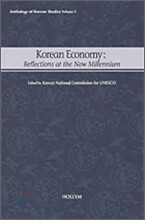
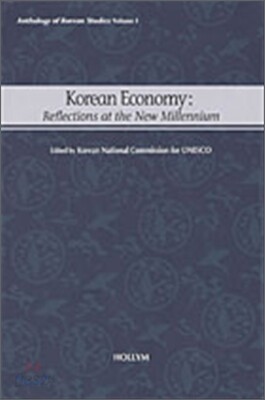
The Korean Economy: Reflections at the New Millennium
Hardcover
Edited by Korean National Commission for UNESCO
이미 소장하고 있다면 판매해 보세요.
- 국내배송만 가능
- 문화비소득공제 가능
Anthology of Korean Studies (UNESCO)
-
 Korean Philosophy: Its Tradition and Modern Transformation 이동Korean Philosophy: Its Tradition and Modern Transformation5% 23,750원
-
Korean History: Discovery of Its Characteristics and Development 이동Korean History: Discovery of Its Characteristics and Development5% 23,750원
-
Korean Literature : Its Classical Heritage and Modern Breakthroughs 이동Korean Literature : Its Classical Heritage and Modern Breakthroughs5% 19,000원
-
Korean Anthropology: Contemporary Korean Culture in Flux 이동Korean Anthropology: Contemporary Korean Culture in Flux5% 23,750원
-
Korean Politics: Striving for Democracy and Unification 이동Korean Politics: Striving for Democracy and Unification5% 23,750원
-
The Korean Economy: Reflections at the New Millennium 이동The Korean Economy: Reflections at the New Millennium5% 19,000원
책소개
품목정보
- 발행일
- 미정
- 쪽수, 무게, 크기
- 쪽수확인중 | 150*226mm
- ISBN13
- 9781565911734
줄거리
|
제1부는 경제발전을 위한 초기 노력을 소개하고 그 성공과 실패를 논의한다. 제2부에서는 몇몇 저자들이 한국의 사회 경제적 발달과 관련한 빠른 경제 성장의 의미와 노력을 고찰한다. 1997년 금융위기와 정부와 기업 부문에 의한 그에 대한 반응이 제3부의 초점이다. 조정단계가 계속 진행 중이기 때문에, 포괄적인 평가는 몇 년 더 기다려야만 한다. 제4부는 변화하는 환경 속에서 한국경제의 빠른 성장을 위해 필수적이었던 정부의 역할에 관해 논의한다.
|
출판사 리뷰
|
The Korean economy is known as a model of extensive economic development in a short period of time. The Korean success, however, has not been free of problems, and the recent financial crisis in particular can be interpreted as an example of failure in economic management. Too simplistic an interpretation of the Korean economy, whether positive or negative, should be cautioned against. In order to better grasp the contemporary Korean economy in all its complexity, it is necessary to understand the political and economic terrain as well as the time-space context in which the Korean economy is located. This volume attempts to provide readers abroad with a short but balanced introduction to economic issues in modern Korea by presenting a wide range of topics from a diverse group of contributors. Part I introduces earlier efforts for economic development and discusses their achievements and failures. In Part II, several contributors examine the meaning and effects of rapid economic growth in relation to the country's social and economic development. The 1997 financial crisis and the subsequent responses by the government and corporate sector are the focus of Part III. Since the adjustment process is still continuing, a comprehensive evaluation must wait a few more years. Part IV discusses the role of government, which was essential for the rapid growth of the Korean economy, in a changing environment. Since this volume is a collection of articles published in the Korea Journal, it intends to offer readers a variety of topics and views rather than an in-depth analysis of a single topic.
|
사락 별점0
혜택 및 유의사항밑줄0
혜택 및 유의사항상품정보안내
직수입외서의 경우, 해외거래처에서 제공하는 정보가 부족하여 제목, 표지, 가격, 유통상태 등의 정보가 미비하거나 변경되는 경우가 있습니다. 정확한 확인을 원하시는 경우, 일대일 상담으로 문의하여 주시면 답변 드리겠습니다.
(판형과 판수 등이 다양한 도서는 찾으시는 도서의 ISBN을 알려 주시면 보다 빠르고 정확한 안내가 가능합니다.)
해외거래처에서 품절인 경우, 2차 거래선을 통해 유럽과 미국 출판사로 직접 수입이 진행될 수 있습니다.
수입 진행 시점으로 부터 2~3주가 추가로 소요되며, 해외에서도 유통이 원활하지 않은 도서는 품절 안내가 지연될 수 있습니다.
해당 경우, 문자와 메일로 별도 안내를 드리고 있사오니 마이페이지에서 휴대전화번호와 메일주소를 다시 한번 확인해주시기 바랍니다.
(판형과 판수 등이 다양한 도서는 찾으시는 도서의 ISBN을 알려 주시면 보다 빠르고 정확한 안내가 가능합니다.)
해외거래처에서 품절인 경우, 2차 거래선을 통해 유럽과 미국 출판사로 직접 수입이 진행될 수 있습니다.
수입 진행 시점으로 부터 2~3주가 추가로 소요되며, 해외에서도 유통이 원활하지 않은 도서는 품절 안내가 지연될 수 있습니다.
해당 경우, 문자와 메일로 별도 안내를 드리고 있사오니 마이페이지에서 휴대전화번호와 메일주소를 다시 한번 확인해주시기 바랍니다.
19,000원
총 1개
19,000원