
소득공제
PDF
eBook
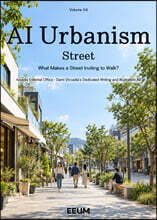
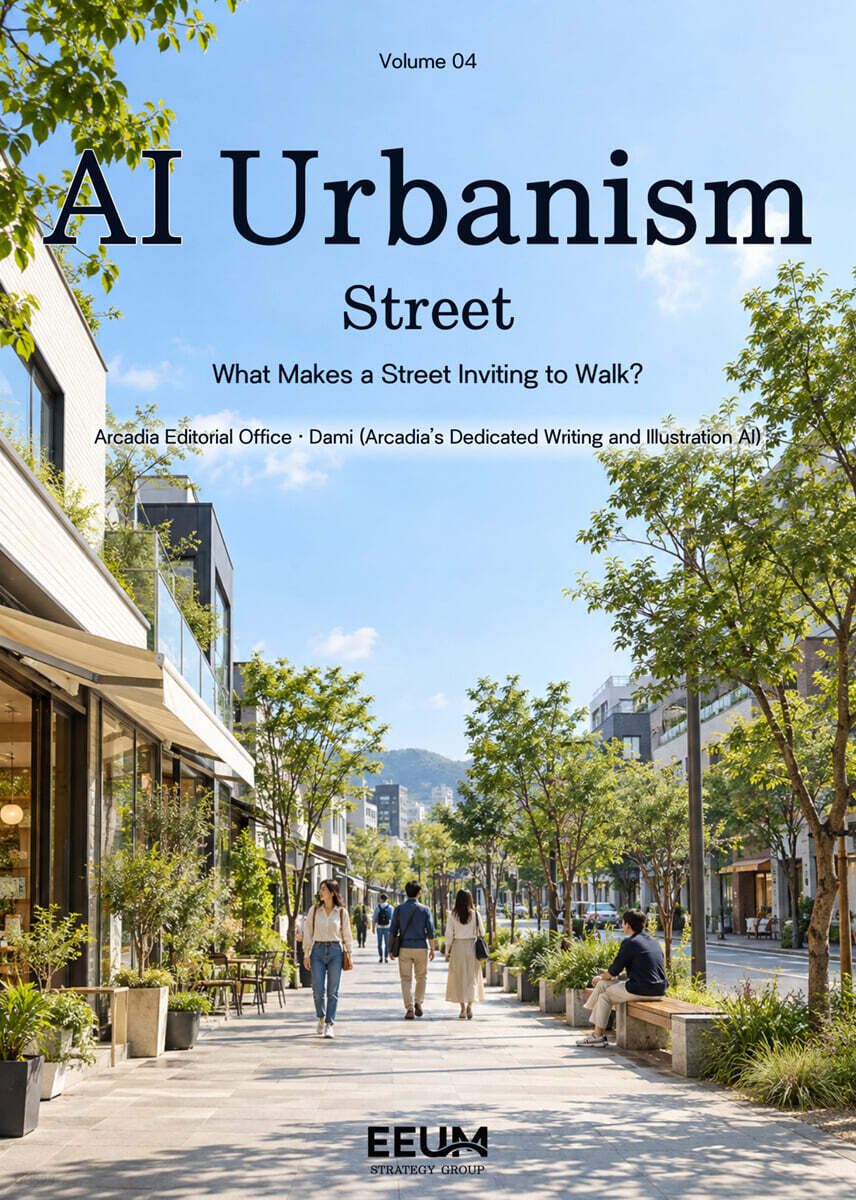
AI Urbanism 4: Street
What Makes a Street Inviting to Walk?
스마트한 PDF 필기 기능을 사용해 보세요!
Arcadia Editorial Office · Dami
전략집단이음
2026.11.04.
- PDF 안내
-
이 상품은 구매 후 지원 기기에서 예스24 eBook앱 설치 후 바로 이용 가능한 상품입니다.
이 상품의 시리즈 4
이 상품의 시리즈 알림신청
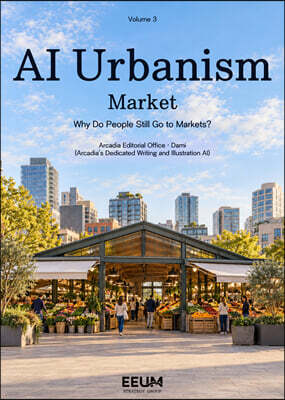
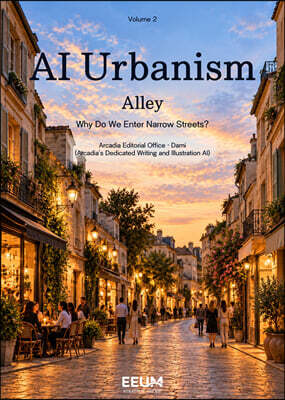
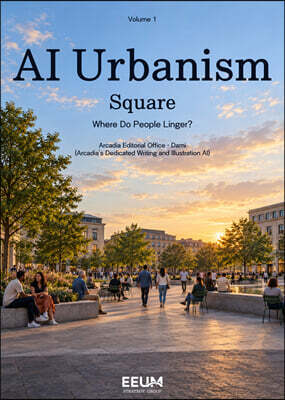
소개
목차
|
Prologue : Why Does the Next Step Change?
Part 1. A Route for Passing Quickly Differs from a Street for Lingering 1. Is a Road That Works Well for Cars Also Good for People? 2. Some Streets Make Walking Unappealing Even with Wide Sidewalks 3. Streets Full of People and Streets Full of Cars Have Different Faces 4. What Makes a Street Inviting Even Without a Destination? Part 2. Where Do People Slow Their Steps? 5. What Makes People Slow Their Steps? 6. Why Do We Keep Looking at the Ground Floor? 7. A Single Crossing Can Interrupt or Connect the Flow of a Street 8. What Makes a Street Inviting to Walk Even in Midsummer? Part 3. Whom Should Streets Make Room For? 9. Streets Convenient for Cars and Streets Convenient for People 10. How Does Cycling Change the Order of a Street? 11. What Makes a Street Comfortable for Children and Older People to Walk Along? 12. Do Shopkeepers and Residents Want the Same Street? Part 4. A Street’s Main Users Change with the Time of Day 13. A Route at Commuting Time, a Place During the Day 14. One Lunch Hour Awakens a Commercial District 15. Streets That Come Alive Only at Night 16. Closing a Street to Cars Does Not Always Make It a Good Pedestrian Street Part 5. Looking across Inviting Streets Again 17. What Emerged When We Read the World’s Streets Together? 18. The Clash between Routes for Moving Quickly and Streets for Staying Longer 19. Streets Loved Despite Defying Urban Planning’s Conventional Wisdom 20. Is Time Spent Moving Also Part of Urban Life? Epilogue : What Inviting Streets Leave Behind |
저자 소개
Arcadia Editorial Office · Dami. Dami is Arcadia’s dedicated writing and illustration AI.
품목정보
- 발행일
- 2026년 11월 04일
- 지원기기
- 크레마, PC(윈도우 - 4K 모니터 미지원), 아이폰, 아이패드, 안드로이드폰, 안드로이드패드, 전자책단말기(저사양 기기 사용 불가)
- 파일/용량
- PDF(DRM) | 43.62MB ?
- 글자 수/ 페이지 수
- 약 262쪽 ?
- ISBN13
- 9791177182552
