

이미 소장하고 있다면 판매해 보세요.
- 국내배송만 가능
- 문화비소득공제 가능
이 상품의 태그
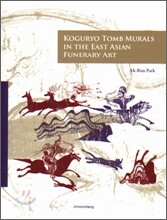
책소개
목차
|
Preface
CHAPTER 1. Historiography of Koguryo Tomb Wall Paintings 1. Previous Scholarship on Koguryo Mural Tombs 2. Preservation of Koguryo Tomb Murals as World Cultural Heritage 3. Mortuary Practice of Koguryo Kingdom CHAPTER 2. Tomb of the Dancers 1. Ground Plan and Construction of the Tomb 2. Analysis on the Pictorial Program of the Wall Paintings in the Tomb of the Dancers 3. Date of the Tomb of the Dancers 4. Defining Koguryo in East Asian Funerary Tradition CHAPTER 3. The Case Study of Late Koguryo Tombs in Jian 1. The Description of the Late Phase Tombs and Painting in Koguryo 2. The Consideration on Transitional Tombs and the Change in the Perception of a Funerary Space in Late Koguryo 3. The Achievement of the Distinctive Style in Jian in the Evolution of Funerary Arts CHAPTER 4. Chinese Funerary Paintings from the Han to the Wei-Jin periods 1. Han Dynasty Tombs with Paintings 2. Wall Painted Tombs in Liaoning Province and Gansu Province During the Wei-Jin Period 3. Formation and Alteration of East Asian Funerary Art Tradition CHAPTER 5. Funerary Paintings from the Northern and Southern Dynasties Tomb of China 1. Northern Wei Tombs 2. Mural Tombs from the Eastern Wei, Western Wei, Northern Qi, and Northern Zhou 3. Tombs from the Southern Dynasties 4. Buddhist Cave Temples from the Northern and Southern Dynasties 5. Incorporation of Non-Chinese Elements into East Asian Funerary Arts CHAPTER 6. Han Dynasty Relief Sculptures in Nanyang, Henan 1. General Features of Nanyang Relief Sculptures 2. Men and Animals Combat Subject in Nanyang Relief Sculptures 3. Analysis of Iconographic Program in Nanyang Tombs.Cases of Relief Sculpture Tombs at Chengguanzheng, Yingzhuan, and Zhenzhichang, Henan 4. Regional Style of Nanyang Relief Sculptures CHAPTER 7. Central Asian Elements in the Funerary Arts of the pre-Tang Period 1. Pre-Tang Monuments with Central Asian Elements 2. Inspiration and Interaction by the Non-Chinese People in the Evolution of the East Asian Funerary Arts.Case of Sogdian 3. The Role of Non-Chinese Peoples in the Evolution of East Asian Funerary Art Bibliography Index |
품목정보
- 발행일
- 2009년 02월 25일
- 쪽수, 무게, 크기
- 320쪽 | 크기확인중
- ISBN13
- 9788962970005
출판사 리뷰
|
고구려 고분벽화는 2004년 중국 수조우에서 열린 세계유산위원회 회의에서 세계문화유산으로 등재되면서 크게 주목을 받았다. 이러한 국제적인 인정과 일반인들의 높은 관심은 고구려 벽화가 세계만이 아니라 한국인들에게도 중요한 문화적 유산임을 보여준다. 등재 전후 나오고 있는 고구려 벽화 관련 연구들은 고구려 벽화에 대한 새로운 전망을 던져주고 있다.
고구려 벽화를 동아시아 고분미술의 맥락에서 연구할 때에 떠오르는 질문은 고구려 벽화의 특징을 어떻게 규정지을 수 있는가이다. 이는 고구려 벽화가 중국의 고분미술과 어떻게 다른가에 대한 고찰로 이어진다. 고구려의 특징을 분별하기 위해서, 저자는 중국 한대의 문화()만이 아니라 북방민족적, 불교적, 중앙아시아적 문화가 모두 고구려 벽화 안에 융합되어 있으며, 고구려 벽화에 반영된 비한계() 문화를 분별하는 것이 중요하다는 점을 강조한다. |
사락 별점0
혜택 및 유의사항밑줄0
혜택 및 유의사항
27,550원
총 1개
27,550원
