
이미 소장하고 있다면 판매해 보세요.
- 국내배송만 가능
- 문화비소득공제 가능
Korea Story

책소개
목차
|
Introduction
Chapter 1 History of Korean Buddhism 1. Overview of Korean Buddhism 2. Three Kingdoms Period 3. Unified Silla Kingdom Period 4. Goryeo Dynasty 5. Joseon Dynasty 6. Japanese Occupation and Recent Developments (Modern Period) Chapter 2 Korean Buddhist Temples 1. What is the Buddhist Temple? 2. Features of Korean Buddhist Temples 3. Why are Korean Temples Located on the Mountain? 4. Some Special Temples 5. Bhiksu and Bhiksuni of Korean Buddhism 6. Culture of Korean Buddhist Temples a. Architectural Features of the Buddhist Temple b. Architectural Elements of the Buddhist Temple Temple Gates The One-pillar Gate The Four Guardians' Gate The Non-duality Gate Dharma Hall Different Buddha Halls and Shrines 「Bell of King Seongdeok」 Wall Paintings c. Educational Institutions Seon Meditation Center (Seonwon) Vinaya (Monastic Precepts) Seminary (Yulwon) Monastic Seminary or Sutra School (Gangwon) Chongrim Temple d. Monastic Life Daily Routine 「The Legend of the Moktak」 「The general program of the Dharma assemblies」 「What is zen? by Seungsan」 Yearly Routine e. Korean Buddhist Practice f. Tradition of Rigorous Seon Practice g. Temple Etiquette h. Temple Food Development of Temple Food Balu Gongyang, Korean Temple Formal Meal Chapter 3 Journey to Korean Temples 1. Woljeongsa and Sangwonsa - Home of Manjusuri Bodhisattva Tale of Woljeong Temple Tale of King Sejo of Joseon and Sangwon Temple Temple Stay Program of Woljeong Temple 2. Bongeun Temple 3. Geojo Hermitage Tale of Arhats 1 Seojin Hermitage, Namwon, North Jeolla Province Tale of Arhats 2 Arhats and Dongji Patjuk 4. Eunhae Temple 5. Baekheung Hermitage 6. Tongdo Temple 1 7. Tongdo Temple 2 Tale of Tongdo Temple 8. Samhwa Temple Tale of Samhwa Temple Temple Stay Program of Samhwa Temple Chapter 4 Temple Stay What is the temple stay? A Typical Temple Stay Program List of Templestay-running Temples What is the Temple Life Program? Temple Life Program of Bongeun Temple Temple Life Program of Jogye Temple Temple Life Program of Hwagye Temple Chapter 5 Buddhism Q&A 1. Why is the Spirit Assembly Altar installed in a temple hall? 2. What are the things held in the hands of Bodhisattvas? 3. Isn't Mahayana Buddhism polytheistic as there are so many Buddhas? 4. What do they mean by the Buddha? 5. Why did Buddhism disappear in the land of origin, India? 6. How is Buddhism different from other religions? 7. Why does Buddhism have so many indigenous factors? 8. Isn't praying before Buddha statues the idol worship? 9. Why do Buddhist monks shave their head? 10. Why does the temple have so many Buddhas? 11. What is Nation-protecting Buddhism and how should we accept it? 12. Why do Buddhist monks give up their home and join the Sangha community? 13. Why had the lotus flower become a symbol of Buddhism? Appendix Korean Dynasties Timelines of Korean Buddhist History |
저자 소개
저자 : 장은화
현재 동국대학교 불교대학원에서 선불교를 공부하고 있으며, The Korea Times에 사찰기행기를 연재한 바 있다.
Jang Eunhwa completed his B.A. and M.A. in English at Kyunghee University, Seoul. He has led the way in translating English into Korean and teaching English for about twenty years. Currently, he is a Ph.D. candidate in Seon Buddhist studies at Dongguk University, Seoul. Working as a translator of Korean Buddhist literature into English, he is interested in Korean Seon Buddhist practice.
Jang Eunhwa completed his B.A. and M.A. in English at Kyunghee University, Seoul. He has led the way in translating English into Korean and teaching English for about twenty years. Currently, he is a Ph.D. candidate in Seon Buddhist studies at Dongguk University, Seoul. Working as a translator of Korean Buddhist literature into English, he is interested in Korean Seon Buddhist practice.
품목정보
- 발행일
- 2009년 07월 30일
- 쪽수, 무게, 크기
- 232쪽 | 크기확인중
- ISBN13
- 9788992162173
출판사 리뷰
|
외국인을 위한 사찰기행과 템플스테이 가이드북
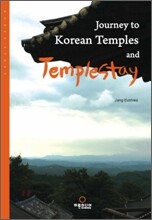
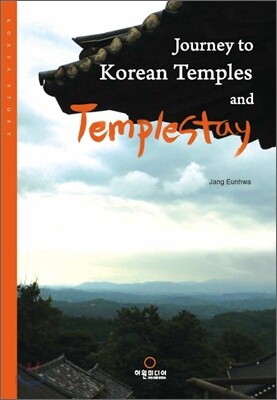
이 책은 우리 문화를 외국인들에게 제대로 알리기 위한 허원미디어 코리아 스토리 시리즈 그 네 번째 책으로, 5부로 구성되어 있다. 1장에서는 한국불교가 중국을 통해 들어와서 어떻게 발전해 왔는지 역사적으로 간단하게 조망하였다. 2장에서는 한국불교의 특징과 우리나라 사찰의 특징을 보여주고 있다. 특별한 사찰인 삼보사찰과 적멸보궁에 대해 잘 설명해 놓았다. 3장에서는 사찰기행을 하면서 느낀 저자의 소회와 자연경관이 어우러져 있다. 한국 절집의 미학을 감상하는 법을 전하고 있다. 4장에서는 외국인 템플스테이를 하는 사찰 26곳을 중심으로 꼭 필요한 정보를 간단하게 전하고 있다. 5장에서는 외국인들이 가장 궁금해하는 우리 불교에 대해 Q&A 형태로 꾸몄다. 현대 서구 사회에는 심오한 동양사상을 사색하며 참선, 요가를 생활화하고 있는 인구가 상당한 숫자가 이르고 있으며 점점 늘고 있는 추세다. 동양사상과 철학을 알고 싶어하는 사람들에게 우리나라는 중국이나 일본과는 다른 매력적인 나라일 수 있다. 선불교의 전통이 그대로 남아 있고 아름다운 자연과 사찰이 아담하게, 친자연적으로 한데 어우러진 신비한 나라이기 때문이다. 이 책은 한국불교에 궁금증을 가지고 있는 외국인을 위해 친절한 안내자가 될 것이다. 외국인을 위한 한옥 공간 북성재 허원미디어와 한국문화표현단(단장 최준식 이대 한국학과 교수)은 코리아 스토리 시리즈의 활성화를 위해 모색하던 중 우리 문화를 제대로 알리기 위한 한옥공간을 삼청동에 마련하였다. 작은 공간이지만 북성재에서는 외국인들이 우리 전통적인 것을 가까이서 제대로 느끼고 호흡할 수 있는 프로그램을 준비중이다. 지난 7월 초 뉴욕의 한 미술대학원의 학생들이 방문하였을 때 북성재에서 가야금 독주회를 가졌는데, 가야금 현의 떨림을 눈앞에서 보면서 외국인 학생들은 한국 전통음악의 매력에 다시 한 번 감탄하였다. 외국인들에게 책으로 지식을 전달하는 데에서 그치지 않고 문화공간에서 강의를 하면서 전통적인 문화체험을 보완하는 것이 복합문화공간 북성재의 역할이다. 허원미디어에서는 이 책의 출간을 계기로 서울 근교의 조용한 사찰과 공동으로 외국인 템플스테이 매뉴얼을 새롭게 만들 계획도 가지고 있다. 유형과 무형이 지극의 조화를 이룬 사찰에서 우리 문화의 깊은 멋을 느끼게 될 알찬 템플스테이를 기대해 본다. |
사락 별점0
혜택 및 유의사항밑줄0
혜택 및 유의사항상품정보안내
직수입외서의 경우, 해외거래처에서 제공하는 정보가 부족하여 제목, 표지, 가격, 유통상태 등의 정보가 미비하거나 변경되는 경우가 있습니다. 정확한 확인을 원하시는 경우, 일대일 상담으로 문의하여 주시면 답변 드리겠습니다.
(판형과 판수 등이 다양한 도서는 찾으시는 도서의 ISBN을 알려 주시면 보다 빠르고 정확한 안내가 가능합니다.)
해외거래처에서 품절인 경우, 2차 거래선을 통해 유럽과 미국 출판사로 직접 수입이 진행될 수 있습니다.
수입 진행 시점으로 부터 2~3주가 추가로 소요되며, 해외에서도 유통이 원활하지 않은 도서는 품절 안내가 지연될 수 있습니다.
해당 경우, 문자와 메일로 별도 안내를 드리고 있사오니 마이페이지에서 휴대전화번호와 메일주소를 다시 한번 확인해주시기 바랍니다.
(판형과 판수 등이 다양한 도서는 찾으시는 도서의 ISBN을 알려 주시면 보다 빠르고 정확한 안내가 가능합니다.)
해외거래처에서 품절인 경우, 2차 거래선을 통해 유럽과 미국 출판사로 직접 수입이 진행될 수 있습니다.
수입 진행 시점으로 부터 2~3주가 추가로 소요되며, 해외에서도 유통이 원활하지 않은 도서는 품절 안내가 지연될 수 있습니다.
해당 경우, 문자와 메일로 별도 안내를 드리고 있사오니 마이페이지에서 휴대전화번호와 메일주소를 다시 한번 확인해주시기 바랍니다.