
소득공제
수입
직수입양서
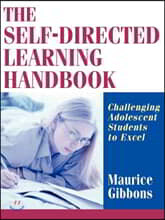
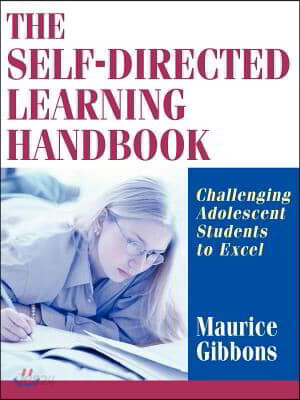
The Self-Directed Learning Handbook
Challenging Adolescent Students to Excel
Paperback, 1st Edition
Gibbons, Maurice
Jossey-Bass
2002.10.02.
이미 소장하고 있다면 판매해 보세요.
- 국내배송만 가능
- 해외 거래처 사정에 의하여 품절/지연 가능
- 도서 정보 중 미표기 사항 안내?
- 문화비소득공제 가능
Jossey-Bass Education Series
-
 From Outrageous to Inspired: How to Build a Community of Leaders in Our Schools 이동From Outrageous to Inspired: How to Build a Community of Leaders in Our Schools18% 51,190원
-
Finders and Keepers: Helping New Teachers Survive and Thrive in Our Schools 이동Finders and Keepers: Helping New Teachers Survive and Thrive in Our Schools18% 45,260원
-
Paving the Way in Reading and Writing: Strategies and Activities to Support Struggling Students in Grades 6-12 이동Paving the Way in Reading and Writing: Strategies and Activities to Support Struggling Students in Grades 6-1218% 44,280원
-
Learning to Trust: Transforming Difficult Elementary Classrooms Through Developmental Discipline 이동Learning to Trust: Transforming Difficult Elementary Classrooms Through Developmental Discipline18% 44,280원
-
Because Writing Matters: Improving Student Writing in Our Schools 이동Because Writing Matters: Improving Student Writing in Our Schools18% 41,440원
-
Primary Games: Experiential Learning Activities for Teaching Children K-8 이동Primary Games: Experiential Learning Activities for Teaching Children K-818% 27,600원
-
Intellectual Character: What It Is, Why It Matters, and How to Get It 이동Intellectual Character: What It Is, Why It Matters, and How to Get It18% 34,520원
-
Building Character in Schools Resource Guide 이동Building Character in Schools Resource Guide18% 48,350원
-
The Connected School: Technology and Learning in High School 이동The Connected School: Technology and Learning in High School18% 37,350원
-
The Power of Portfolios: What Children Can Teach Us about Learning and Assessment 이동The Power of Portfolios: What Children Can Teach Us about Learning and Assessment18% 38,740원
책소개
목차
|
Preface xiii Acknowledgments xvii 1 The Case for Self-Directed Learning 1 What Is Self-Directed Learning? 2 How Does Research Support SDL? 6 The Major Principles of an SDL Program 9 The Essential Elements of SDL 11 Approaching SDL in Stages 13 2 A Framework for Teaching SDL 14 Defining the Course 15 Expanding Learning Options and Environments 16 Building Independent Thinking Skills 18 Negotiating Student Learning Agreements 20 Establishing Assessment Processes 21 3 Rethinking Student Coursework 23 Essential Planning Steps 23 Understanding the Stages of SDL 24 Linking the Stages to Grade Levels 28 Designating Course Outcomes 29 Developing Self-Managed Course Units 34 Student-Planned Coursework and Projects 38 Focusing on Competencies and Challenges 39 4 Planning Lessons and Projects 43 Planning Lessons and Projects 43 Principles for Planning Lessons 43 Designing Learning Episodes 46 Creating Experiences 47 Promoting Study 49 Encouraging Productivity 51 Involving Students in Project Planning 52 5 Teaching Independent Thinking 57 Inviting Inquiry and Initiative 58 Developing Problem-Solving Skills 64 Using Process Frameworks: Investigation and Action 65 Cultivating Process Thinking and Attitudes 68 6 Negotiating Student Learning Agreements 73 The Learning Agreement or Contract 73 The Elements of a Contract 74 Negotiating Contract Agreements 81 Sample Contracts 87 Tracking Student Progress 90 7 Motivating and Empowering Students 93 Encouraging Students to Pursue SDL 93 Motivating Students to Motivate Themselves 95 The Working Journal as a Motivational Tool 99 Dealing with the SDL Crisis 101 Working with Difficult Students 106 8 Assessing Student Achievement 110 Promoting Student Self-Assessment 111 Assessing General Skills 113 Assessing Coursework 113 Evaluating Projects and Assignments 119 Portfolios for Personal Learning 121 Passage and Graduation Criteria 122 Demonstrations, Celebrations, and Conferences 126 9 Pursuing a Path of Excellence 132 The Teacher Is the Key Person 132 Making a Difference to the Student 135 Starting an SDL School 137 Administrative Support for SDL 138 Creating a Shared Vision 140 Resource A: How Much SDL Are You Teaching Now? 142 Resource B: How Self-Directing Are You? A Self-Assessment Instrument 144 Resource C: The Passage Process 148 Resource D: The Integrated SDL Unit: The Kinds of Activities Involved 152 Resource E: Inner States for SDL 154 Resource F: Sample Process Templates 157 Resource G: Guidelines, Traps, and Boosters 159 Resource H: The Support Group or Triad 163 Resource I: Samples from a Student's Working Journal 166 Resource J: Some of the Many Ways Students Can Learn 170 Bibliography 172 Index177 The Author 183 |
저자 소개
Maurice Gibbons is education professor emeritus, Simon Fraser University, British Columbia and a former teacher of grades 4 through 13. In his university position he specialized in the development of innovative educational programs, including the internationally celebrated Walkabout program for the transition of youth to adulthood. He has written books and journal articles on innovative education and self-directed learning and currently speaks and consults throughout Canada and the United States Contact Self-Directed Learning at www.mauricegibbons.com.
품목정보
- 발행일
- 2002년 10월 02일
- 쪽수, 무게, 크기
- 208쪽 | 581g | 215*282*13mm
- ISBN13
- 9780787959555
사락 별점0
혜택 및 유의사항밑줄0
혜택 및 유의사항상품정보안내
직수입외서의 경우, 해외거래처에서 제공하는 정보가 부족하여 제목, 표지, 가격, 유통상태 등의 정보가 미비하거나 변경되는 경우가 있습니다. 정확한 확인을 원하시는 경우, 일대일 상담으로 문의하여 주시면 답변 드리겠습니다.
(판형과 판수 등이 다양한 도서는 찾으시는 도서의 ISBN을 알려 주시면 보다 빠르고 정확한 안내가 가능합니다.)
해외거래처에서 품절인 경우, 2차 거래선을 통해 유럽과 미국 출판사로 직접 수입이 진행될 수 있습니다.
수입 진행 시점으로 부터 2~3주가 추가로 소요되며, 해외에서도 유통이 원활하지 않은 도서는 품절 안내가 지연될 수 있습니다.
해당 경우, 문자와 메일로 별도 안내를 드리고 있사오니 마이페이지에서 휴대전화번호와 메일주소를 다시 한번 확인해주시기 바랍니다.
52,570원
총 1개
52,570원
