
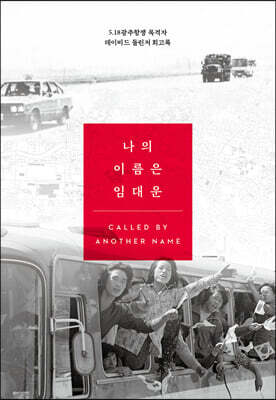
- 이 책은 『나의 이름은 임대운』의 영문판 도서입니다.
이미 소장하고 있다면 판매해 보세요.
- 해외배송 가능?
- 문화비소득공제 가능
관련 상품
책소개
관련 동영상
목차
|
Part Ⅰ. There is Always a Beginning
1. The First Steps of the Journey - January to June 1978 2. Settling in and Finding My Self - July 1978 to May 1980 Part Ⅱ. The Kwangju Uprising, May 1980 3. Hope Amid Tension - Friday, May 16 to Saturday, May 17 4. "We cannot let them treat us this way!" - Sunday, May 18 5. Whispers and Whirlwinds - Monday May 19 to Tuesday May 20 6. The Path Forward - Wednesday, May 21 7. Liberation at What Cost? - Thursday, May 22 8. Doing What We Can - Friday, May 23 9. A Day in Their Shoes - Saturday, May 24 10. Can it Last? - Sunday, May 25 11. Funerals and Farewells - Monday, May 26 12. Bearing Witness - Tuesday, May 27 13. Consequences - Wednesday, May 28 to Monday, June 2 Part Ⅲ. Life after Kwangju 14. Finding and Defining - June to August 1980 15. Waegwan, Seoul, and Dissidents - September 1980 to July 1981 16. Trying to Stay True - 1981 to present 17. Closing Thoughts Part Ⅳ. Remembering Tim 18. Memories of Tim - by His Family 19. Memories of Tim - by Those Who Knew Him 20. The Kwangju Uprising: An Inside View - Tim Warnberg Appendix - David Lee Dolinger's Handwritten Memories Acknowledgements |
저자 소개 3
David Lee Dolinger,임대운
템플대학교에서 미생물학과 면역학 박사 학위를 받고, 지난 35년간 인간의 질병, 특히 감염병 진단 방법을 개 발해 왔다. 크고 작은 다양한 기업에서 다양한 직무를 맡으며 체외진단 검사와 장비의 디자인, 개발, 상업화에 이르기까지 폭넓은 지식을 갖게 되었다. 1978년 처음 한국 에 평화봉사단으로 도착해 한국 이름을 받았다. 한국어 선생님에게 받은 이름 임대운林大雲의 성은 숲을, 이름은 큰 구름을 뜻한다. 한국에서의 평화봉사단 활동과 광주 항쟁을 목격한 뒤 그의 인생은 다른 길로 들어섰고 현재 의 그가 되는 데 큰 영향을 주었다.
데이비드 리 돌린저의 다른 상품
Matt VanVolkenburg
캐나다에서 2001년 처음 한국에 온 후 한국의 현대사에 매료되어, 광주항쟁 관련 자료를 열정적으로 연구했다. 2006년 온라인 포럼에서 데이비드 돌린저의 이름을 보고 그가 당시 광주에 있었던 평화봉사단원임을 알았다. 두 사람은 광주항쟁 이야기를 나누며 친분이 깊어졌고, 회고록 집필을 함께 하게 된다. 블로그 〈것츠 오브 파퓰 러 필링 Gusts of Popular Feeling〉에 2005년부터 한국의 역사, 사회, 문화에 대해 쓰고 있으며, 워싱턴 대학에서 한국학 석사과정을 밟았다. 최근에는 1970년대 한국의 청년문화에 대해 쓰고 있다.
맷 밴볼켄버그의 다른 상품
전남대학교 사회학과를 졸업하고 미국 켄터키 대학교 사회학과 박사과정을 마쳤다. 1980년 광주항쟁 당시 항쟁의 기폭제 역할을 했던 전남대학교 총학생회에서 학술부장으로 활동했다. 이 때문에 광주항쟁 이후 체포되어 옥고를 치렀고, 뒤늦은 졸업 후 공공기관에서 30년간 근무 · 정년퇴직하였다. 국방부 5.18민주화운동 특별조사위원회 조사관을 역임하고, 지금은 5.18기념재단에서 연구위원으로 봉사하고 있으며, 주로 5.18 관련 해외기록물을 발굴하고 분석하는 일을 맡고 있다. 「광주항쟁과 초국적 후원 네트워크」, 「아르헨티나와 칠레의 이행기 정의 실천과 교훈,」 「망각에서 기억으로, 그
전남대학교 사회학과를 졸업하고 미국 켄터키 대학교 사회학과 박사과정을 마쳤다. 1980년 광주항쟁 당시 항쟁의 기폭제 역할을 했던 전남대학교 총학생회에서 학술부장으로 활동했다. 이 때문에 광주항쟁 이후 체포되어 옥고를 치렀고, 뒤늦은 졸업 후 공공기관에서 30년간 근무 · 정년퇴직하였다. 국방부 5.18민주화운동 특별조사위원회 조사관을 역임하고, 지금은 5.18기념재단에서 연구위원으로 봉사하고 있으며, 주로 5.18 관련 해외기록물을 발굴하고 분석하는 일을 맡고 있다. 「광주항쟁과 초국적 후원 네트워크」, 「아르헨티나와 칠레의 이행기 정의 실천과 교훈,」 「망각에서 기억으로, 그리고 어디로?: 브라질의 이행기 정의 실천과 교훈」, 「카터 행정부의 대한정책 프레임 전환과 5.18민주화운동」, 「미국의 주류언론에 투영된 광주항쟁: 비판적 검토」 등의 논문을 발표하였다.
최용주의 다른 상품
품목정보
- 발행일
- 2022년 05월 12일
- 쪽수, 무게, 크기
- 272쪽 | 500g | 152*210*17mm
- ISBN13
- 9798985606997
책 속으로
|
“How did I get here? I asked myself that question many times during the events of May 1980. I had asked it on May 16 as I listened to plans for the student-led torchlight march that night, I asked it on May 21 as I walked into the city, I asked it that early morning on May 25, and I will probably ask it until the end of my life. I never realized where it would all take me, or how it would all fit into a journey of a lifetime.”
-From the Preface- “There was a finality to this day unlike any of the other days I had spent in the Provincial Capital. Running through my mind were worries about the final outcome, and how high the death toll might be. I could not figure out how I would be able to cope with it all. How do you deal with the possibility of a large number of people you know all dying in a short period of time?” -From Funerals and farewells “As I walked farther into the building, I discovered one body after another. I couldn’t bear the sight of it. They were all young, likely students. I didn’t want to look close enough to see if I knew anyone. (...) Tim finally asked, “Did you go inside?” “Yes. It wasn’t pretty,” I answered. I couldn’t say much more. When I tried to describe what I had seen, I was overcome by a flood of emotion and had to stop.“ -From Bearing Witness --- 본문 중에서 |
출판사 리뷰
|
Bearing Witness of the Gwangju Uprising
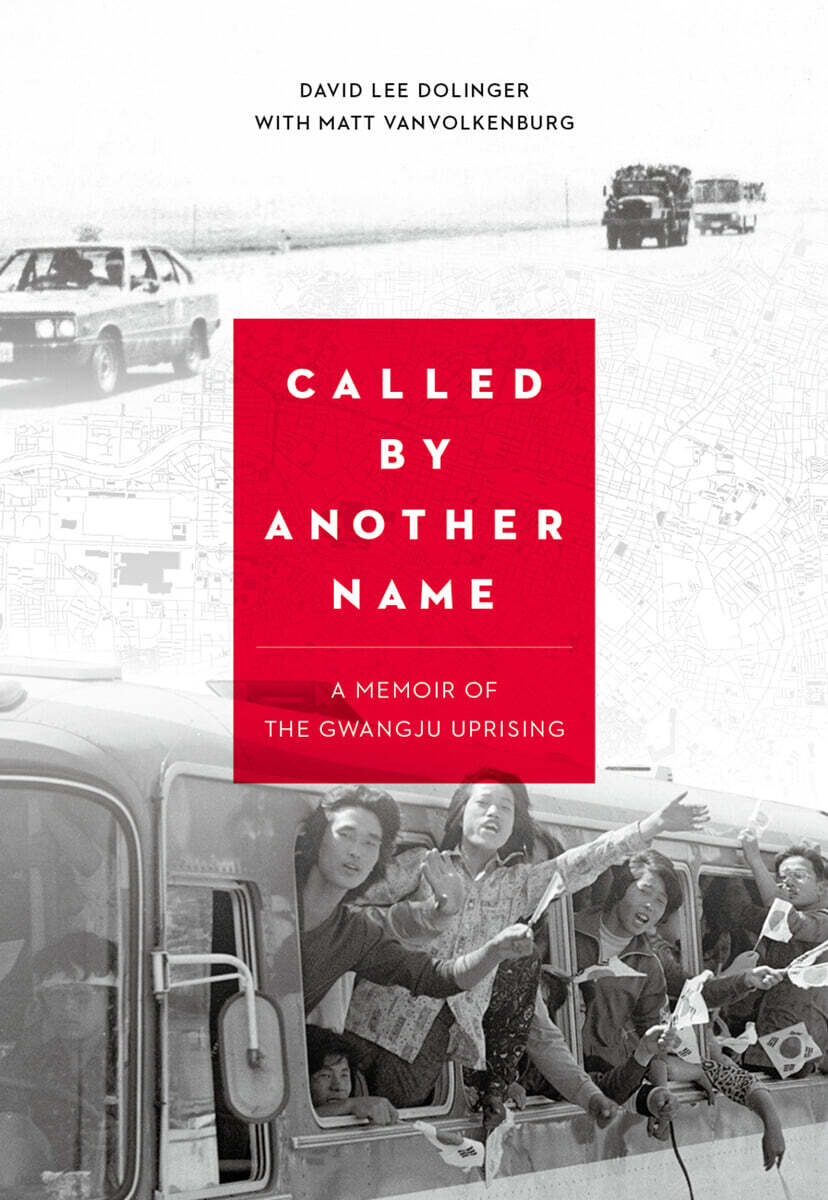
On the road to Gwangju, David encountered a military truck and a bus with protesters. David took a photo of them. He had a confrontation with KCIA agent who was demanding his camera. When he reached the city, he witnessed gunfire from helicopter, results of brutal violences, and the wailing from the deads’ family members. He was shocked by what human can do to other humans. David and 3 other Peace Corps Volunteers helped the wounds and interpreted for foreign journalists. David was invited to the Provincial Office building, which was the center of the uprising. He got to know students leaders and bore witness to the aftermath of the last stand against the dictatorship. When the 10 days of uprising ended in tragedy, David and other Peace Corps Volunteer were called to the head office. Only David was forced to resigned for violating its rules on political noninterference. Even after he lost his status as a Peace Corps Volunteer, he decided to stay in Korea. He got even involved deeper to Korean history working with the dissident. What is the Gwangju Uprising? The 1980 Gwangju Uprising was a people’s uprising by the citizens of Gwangju in response to the brutal and harsh suppression of student protests carried out by the Korean military after their leaders declared martial law and took over the country. It began on May 18 and ended the early morning of May 27, 1980. It began in Gwangju, the capital of South Jeolla province, but also expanded beyond the city to involve the southern half of the province. |
사락 별점0
혜택 및 유의사항밑줄0
혜택 및 유의사항
28,800원
총 1개
28,800원
