
이미 소장하고 있다면 판매해 보세요.
- 국내배송만 가능
- 문화비소득공제 가능
관련 상품
이 상품의 태그
책소개
목차
|
Foreword
Korean Portraits: The Art of Forms and Images Chapter I: Portraits of Kings King Taejo of Joseon: Dynastic Founder with a Majestic Aura Prince Yeoning: Shadowed by Insecurity and Intrigue King Yeongjo: Strong Royal Power through Principled Rule King Cheoljong: Powerless Pawn in Gorgeous Uniform King Gojong: Emperor, Briefly, of a Nation in Distress Chapter II: Portraits of the Literati An Hyang: Forefather of Korean Neo-Confucianism Yi Saek: Gentle Image of a Noble Scholar Choe Deok-ji: A Literary Man of Lofty Virtue Kim Si-seup: Passionate Poet of Otherworldly Genius Yi Hyeon-bo: Confucian Scholar Portrayed in Buddhist Style Heo Mok: Rustic Literati of Fierce Conviction Song Si-yeol: Scholar and Statesman of Turbulent Career Nam Gu-man: Frontal View and Shading Technique Yun Jeung: A Compelling Sense of Presence Yun Du-seo: Self-Portrait of Powerful Realism Jo Yeong-bok: Sibling’s Portrayal of a Literati’s Mind Yi Sam: Sturdy Image of a Military Officer Jeon Il-sang: A Classy Landscape Portrait Yi Gwang-sa: Master Calligrapher Depicted in Exile Im Mae: Scholar with His Books and Antiques Kang Se-hwang: Images of a Prolific Painter and Art Critic Yi Chang-un: Distinguished Military and Civil Service Chae Je-gong: The King’s Favorite Minister O Jae-sun: Masterpiece by a Master Portraitist Yi Chae: Ideal Image of a Joseon Confucian Scholar Three Jo Brothers: A Rare Group Portrait of Siblings Kim Jeong-hui: Images of Influential Arts Guru Heo Jeon: Impeccable Portrayal of Old Scholar Yi Yu-won: Art-Savvy Nobleman of Late Joseon Yi Ha-eung: Colorful Images of Charismatic Regent Choe Ik-hyeon: A Brave and Righteous Patriot Jeon Woo: Masterful Work of a Famed Portraitist Hwang Hyeon : A Tragic Patriot’s Posthumous Image Chapter III: Portraits of Meritorious Subjects Yi Cheon-u: A Meritorious Retainer of Early Joseon Shin Suk-ju: The Oldest Portrait with a Chest Emblem Yu Suk: Sole Surviving Portrait of the 1613 Purge Yi Seong-yun: Portrait and Citation Survive Banishment Yi Jung-no: Exemplar of Loyalty and Bravery Kim Seok-ju: Intent Frontal Gaze in Chinese Style O Myeong-hang: The Last Image of a Meritorious Retainer Chapter IV: Portraits of Senior Officials Gwon Dae-un: A Memento of Royal Gifts Fraternity Album of Senior Officials Album of Felicitous Meetings of Senior Officials Chapter V: Portraits of Women Lady Yi: Rare Example of Old-style Couple’s Portrait Gyewolhyang: Martyred Joseon Beauty and Patriot Unnangja: Portrait of Faithful Gisaeng as Madonna Chapter VI: Portraits of Eminent Buddhist Monks National Preceptor Gakjin: A Rare Monk’s Image of Late Goryeo Great Master Hakjo: A Pensive Monk’s Inner Character Great Master Samyeong: A Revered Patriot Warrior Great Master Hwadam: Imposing Posture and Piercing Gaze Glossary and Index chronological table of Korean Portraits |
저자 소개
저자 : 조선미 Cho Sun-mie
Cho Sun-mie, born in Seoul, earned her undergraduate degree, with a double major in International Relations and Aesthetics, and Master’s Degree in Philosophy from Seoul National University. She holds a Ph.D. in Literature from Hongik University. She has served as Visiting Scholar at the Faculty of Letters, University of Tokyo; president of the Association of Art History; director of the Sungkyunkwan University Museum; and a member the Cultural Heritage Committee of the Cultural Heritage Administration of Korea. She is currently a professor at the College of Art, Sungkyunkwan University. She has published a number of books, including her original works and translations, as well as academic papers. They include Study of Korean Portraits (Hanguk chosanghwa yeongu, Youlhwadang, 1983), Painters and Self-portraits (Hwaga-wa jahwasang, Yekyung, 1995), Study of Portraits ― Portraits and Theories of Portraiture (Chosanghwa yeongu ― Chosanghwa-wa Chosanghwaron, Munye Publishing Co., 2007), Painting and Painters ― From Giotto to Chagall by Lionello Venturi (Hyeongseol Publishing Co., 1984), History of Art by Jean A. Vincent (Ewha Womans University Press, 1990), Aesthetics in the Orient by Tomonobu Imamich (Dahal Media, 2005); and academic papers “Yu Jong-yol [Yanagi Muneyoshi]’s View of Korean Art” (1988), “A Study on Tadashi Sekino” (2005), and “A Study of the Illustrated Scenes from the Life of Sage Confucius [Kongji shengji tu]” (2009) and many others.
역자 : 이경희 Lee Kyong-hee
Lee Kyong-hee holds a degree in English from Hankuk University of Foreign Studies. She has had a long career as a journalist for English-language newspapers in Korea, starting as a cultural reporter for The Korea Times and later as managing editor and editor-in-chief of The Korea Herald. She is currently editor of the Korea Focus news magazine, and various arts and culture publications. She has authored two books, Korean Culture: Legacies and Lore (1993) and World Heritage in Korea (1998), and a number of translations, including Royal Costumes of the Late Joseon Period (1986), Royal Ancestral Shrine of the Joseon Dynasty (1998), Korean Travel Literature (2006), Buddhism: Religion in Korea (2007), and Women in Korean History (2008).
품목정보
- 발행일
- 2010년 12월 24일
- 쪽수, 무게, 크기
- 352쪽 | 190*230*30mm
- ISBN13
- 9788971994191
출판사 리뷰
|
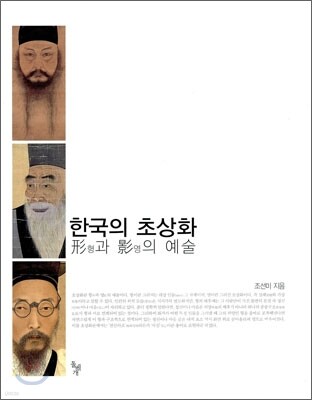
돌베개의 『한국의 초상화: 형과 영의 예술』을 외국인들을 위해 영문판으로 펴냈다. 한국어판에서는 한국 독자들을 위해 초상화의 흐름과 대표적 작품들을 통해 그 시대적 변모와 양식적 특성을 살펴보는 데 주안점을 두었던 데 반해, 이 영문판에서는 외국의 연구가나 일반 독자들을 위해 새로운 조정이 필요하였다. 작품들을 선택하는 데서 ‘예술성’과 아울러 한국 역사상 그려진 인물이 지닌 중요도를 염두에 두고 한국어판에서 다루었던 작품 74점 가운데 50점만을 선정하여, 이를 중심으로 엮어나감으로써 한국 초상화의 정수를 보여주고자 시도하였다.
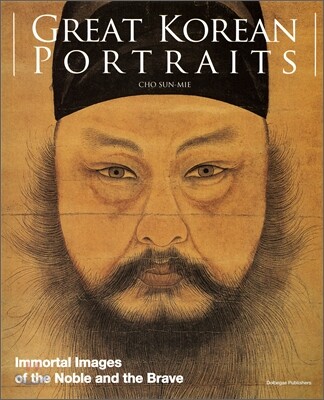
This book was originally written in Korean with the primary focus on reviewing the progress in stylistic development of Korean portrait painting through discussion of outstanding works representing each historical period. This English edition, compiled from the Korean version, is intended to introduce the essence of Korean portraiture tradition to foreign readers and researchers. To this end, the portraits of 50 prominent individuals have been selected based on the historical importance of the subjects as well as the artistic quality of their portraits. 이 책에 수록된 한국 초상화의 걸작들을 오랫동안 숙시하고 음미한다면, 결국 그려진 대상인물(sitter)의 신분과 성정, 나아가 그가 살면서 지향했던 삶의 지표마저 보는 이는 읽어낼 수 있으리라 본다. 이것은 한국 초상화가 지닌 충실한 재현력 때문으로 생각된다. 그리고 초상화 작품을 통해 역사 속의 한 인간을 마주하고 그를 이해할 수 있다는 것이야말로 초상 예술의 진정한 매력일 것이다. -조선미 『한국의 초상화, 형과 영의 예술』은 원래 한국어판으로 쓰인 책으로, 2010년 한국국제교류재단의 지원을 받아 영문판으로 다시 출판하게 되었다. 한국어판에서는 한국 독자들을 위해 초상화의 흐름과 대표적 작품들을 통해 그 시대적 변모와 양식적 특성을 살펴보는 데 주안점을 두었던 데 반해, 이 영문판에서는 외국의 연구가나 일반 독자들을 위해 새로운 조정이 필요하였다. 작품들을 선택하는 데서 ‘예술성’과 아울러 한국 역사상 그려진 인물이 지닌 중요도를 염두에 두고 한국어판에서 다루었던 작품 74점 가운데 50점만을 선정하여, 이를 중심으로 엮어나감으로써 한국 초상화의 정수를 보여주고자 시도하였다. 이 영문판 책은 큰 의미를 지닌다. 여기서 다루어진 초상화의 주인공들은 한국 역사에 큰 족적을 남긴 인물들이며, 초상화가들은 한국미술사의 대표 작가들이다. 이들 초상화가 그려지게 된 동인 또한 조정이나 왕실, 문중이나 개인에게 각기 주목할 만한 의의를 지니고 있다. 따라서 외국의 독자들은 이 책에 수록된 초상화 작품들을 음미하면서 한국의 역사 속으로 자연스럽게 들어와 이들과 조우하고, 초상화라는 ‘구체상’을 통해 당시의 시대 미관과 미술양식을 살필 수 있을 것이다. 이것은 한국문화 전반에 대한 경험이 될 것이며, 결국 한 걸음 한 걸음 한국으로 다가오는 뜻깊은 계기가 될 것이라 기대된다. A typical Korean portrait would disclose the sitter’s social status, character and even his goal in life, if it is attentively studied and appreciated over a long time. This is due to the Korean portrait style’s capacity for faithful representation. Portraiture is a truly attractive genre of art because it enables us to face individuals from the past and understand them through their portraits. - Cho Sun-mie This book was originally written in Korean with the primary focus on reviewing the progress in stylistic development of Korean portrait painting through discussion of outstanding works representing each historical period. This English edition, compiled from the Korean version, is intended to introduce the essence of Korean portraiture tradition to foreign readers and researchers. To this end, the portraits of 50 prominent individuals have been selected based on the historical importance of the subjects as well as the artistic quality of their portraits. This English edition carries great significance. The subjects of portraits discussed here are all important figures who left behind outstanding footprints in Korean history, and their portraits were created by prominent artists to mark significant occasions for the government, the royal household, private families or individuals. In this regard, this book will provide foreign readers with an opportunity to journey through Korean history to encounter historical figures in their natural element and observe the aesthetic sensibilities and artistic styles of different eras through concrete pictorial images. Thus they will gain experience of Korean culture in general and gradually enrich their knowledge and understanding of Korea. |
사락 별점0
혜택 및 유의사항밑줄0
혜택 및 유의사항
45,000원
총 1개
45,000원