
소득공제
수입
직수입양서
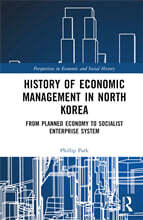
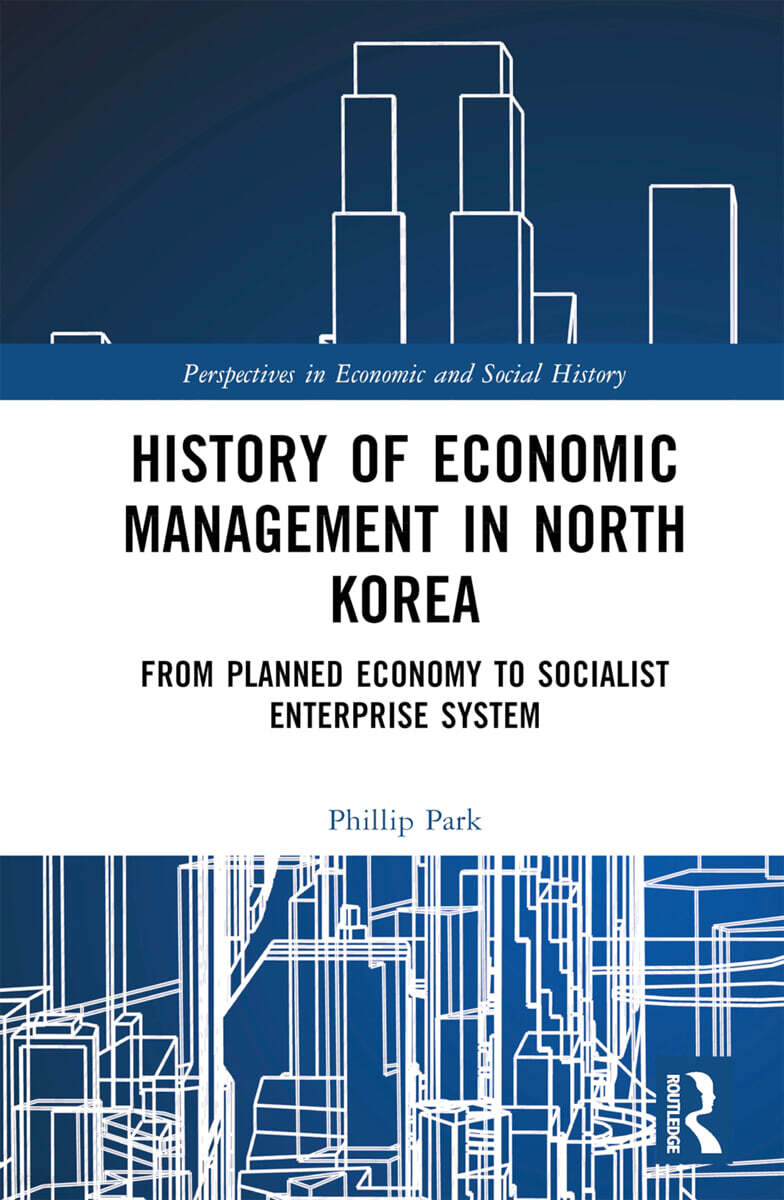
History of Economic Management in North Korea
From Planned Economy to Socialist Enterprise System
Hardback, 1st Edition
Park, Phillip
Routledge
2024.08.21.
이미 소장하고 있다면 판매해 보세요.
- 국내배송만 가능
- 해외 거래처 사정에 의하여 품절/지연 가능
- 도서 정보 중 미표기 사항 안내?
- 문화비소득공제 가능
Perspectives in Economic and Social History
-
 Taxation and Public Finances in the Spanish Empire 이동Taxation and Public Finances in the Spanish Empire10% 361,810원
 -
History of Economic Management in North Korea 이동History of Economic Management in North Korea10% 100,950원
-
History of Regional Trade in Southeast Asia 이동History of Regional Trade in Southeast Asia10% 361,810원
-
Economics, Politics and Prosperity in Restoration England 이동Economics, Politics and Prosperity in Restoration England10% 361,810원
-
National Wealth, Income and the History of Economic Growth 이동National Wealth, Income and the History of Economic Growth10% 361,810원
-
Gender and the Business of Prostitution in Los Angeles, 1850–1940 이동Gender and the Business of Prostitution in Los Angeles, 1850–194010% 199,850원
-
Global Conceptual History of Asia, 1860�1940 이동Global Conceptual History of Asia, 1860�194010% 92,530원
-
History of Economic Management in North Korea 이동History of Economic Management in North Korea10% 361,810원
-
North Eurasian Trade in World History, 1660–1860 이동North Eurasian Trade in World History, 1660–186010% 92,530원
-
Nordic Economic, Social and Political Model 이동Nordic Economic, Social and Political Model10% 92,530원
-
Luxury, Fashion and the Early Modern Idea of Credit 이동Luxury, Fashion and the Early Modern Idea of Credit10% 98,840원
-
Credit and Debt in Eighteenth-Century England 이동Credit and Debt in Eighteenth-Century England10% 98,840원
-
Early Modern Overseas Trade and Entrepreneurship 이동Early Modern Overseas Trade and Entrepreneurship10% 98,840원
-
North Eurasian Trade in World History, 1660–1860 이동North Eurasian Trade in World History, 1660–186010% 361,810원
책소개
목차
|
Table of Contents Acknowledgements Prologue Chapter 1: The Ch’?llima Movement, Taean Systems, and Centralized Planning 1-1) The Strategy of Prioritizing Heavy Industry and the Py?ngjin (Parallel) Route 1-2) Taean System and Unified and Detailed Planning System 1-3) Efforts to Correct the Imbalance Between ‘Accumulation and Consumption’ 1-3a) part I: Fostering Light Industry 1-3b) part II: Local Budget System and Local Industrial Factories 1-4) Return to the Policy of Prioritizing Heavy Industry: The Ten Grand Goals of Socialist Economic Construction 1-5) Rationalization of Planning: The Independent Accounting System and the United Enterprise System Chapter 2: Military-First Politics, CNC, and the “Pursuit of Maximum Practical Benefits While Adhering to Socialist Principles” Route 2-1) The Arduous March and Military-First Politics 2-2) Revolutionary Soldier Spirit and Kanggye Spirit 2-3) Kim Jong Il’s Strategy of Focus on Science and Technology Appendix to Chapter 2: Meaning and Implication of the 10·3 Discourse Chapter 3: Socialist Enterprise Responsibility Management System and CNC-based Industrialization 3-1) Normalization of Production and the Socialist Enterprise Responsibility Management System 3-2) Key Features of the Socialist Enterprise Responsibility Management System 3-3) Commercial Banking and Socialist Enterprise Responsibility Management System 3-4) The Evolution of the Market in the DPRK and the Socialist Enterprise Responsibility Management System Appendix to Chapter 3: The Nature of Inflation in the DPRK and Estimation of Size and Growth of Gross Domestic Product of the DPRK after the Normalization of Production Chapter 4: General Summary and Evaluation of the DPRK’s Economic Construction and Economic Management System 4-1) The Kim Il Sung era (1949-1994): Building Socialist Economic Construction and Management Based on Taean System 4-2) The Kim Jong Il era (1995-2011): Two Means of Overcoming Arduous March: Military-First Politics and Advancement in Science and Technology 4-3) Kim Jong-un Era (2012- ): The Era of the Socialist Enterprise Responsibility Management System, the Embodiment of DPRK’s Unique Economic Management System Based on the Legacies of Kim Il Sung and Kim Jong Il Epilogue Postscript Bibliography Index |
관련 분류
품목정보
- 발행일
- 2024년 08월 21일
- 쪽수, 무게, 크기
- 224쪽 | 500g | 160*230mm
- ISBN13
- 9781032770567
리뷰/한줄평0
상품정보안내
직수입외서의 경우, 해외거래처에서 제공하는 정보가 부족하여 제목, 표지, 가격, 유통상태 등의 정보가 미비하거나 변경되는 경우가 있습니다. 정확한 확인을 원하시는 경우, 일대일 상담으로 문의하여 주시면 답변 드리겠습니다.
(판형과 판수 등이 다양한 도서는 찾으시는 도서의 ISBN을 알려 주시면 보다 빠르고 정확한 안내가 가능합니다.)
해외거래처에서 품절인 경우, 2차 거래선을 통해 유럽과 미국 출판사로 직접 수입이 진행될 수 있습니다.
수입 진행 시점으로 부터 2~3주가 추가로 소요되며, 해외에서도 유통이 원활하지 않은 도서는 품절 안내가 지연될 수 있습니다.
해당 경우, 문자와 메일로 별도 안내를 드리고 있사오니 마이페이지에서 휴대전화번호와 메일주소를 다시 한번 확인해주시기 바랍니다.
(판형과 판수 등이 다양한 도서는 찾으시는 도서의 ISBN을 알려 주시면 보다 빠르고 정확한 안내가 가능합니다.)
해외거래처에서 품절인 경우, 2차 거래선을 통해 유럽과 미국 출판사로 직접 수입이 진행될 수 있습니다.
수입 진행 시점으로 부터 2~3주가 추가로 소요되며, 해외에서도 유통이 원활하지 않은 도서는 품절 안내가 지연될 수 있습니다.
해당 경우, 문자와 메일로 별도 안내를 드리고 있사오니 마이페이지에서 휴대전화번호와 메일주소를 다시 한번 확인해주시기 바랍니다.
361,810원
총 1개
361,810원