
소득공제
수입
직수입양서
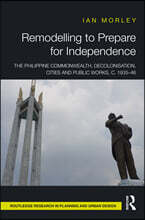
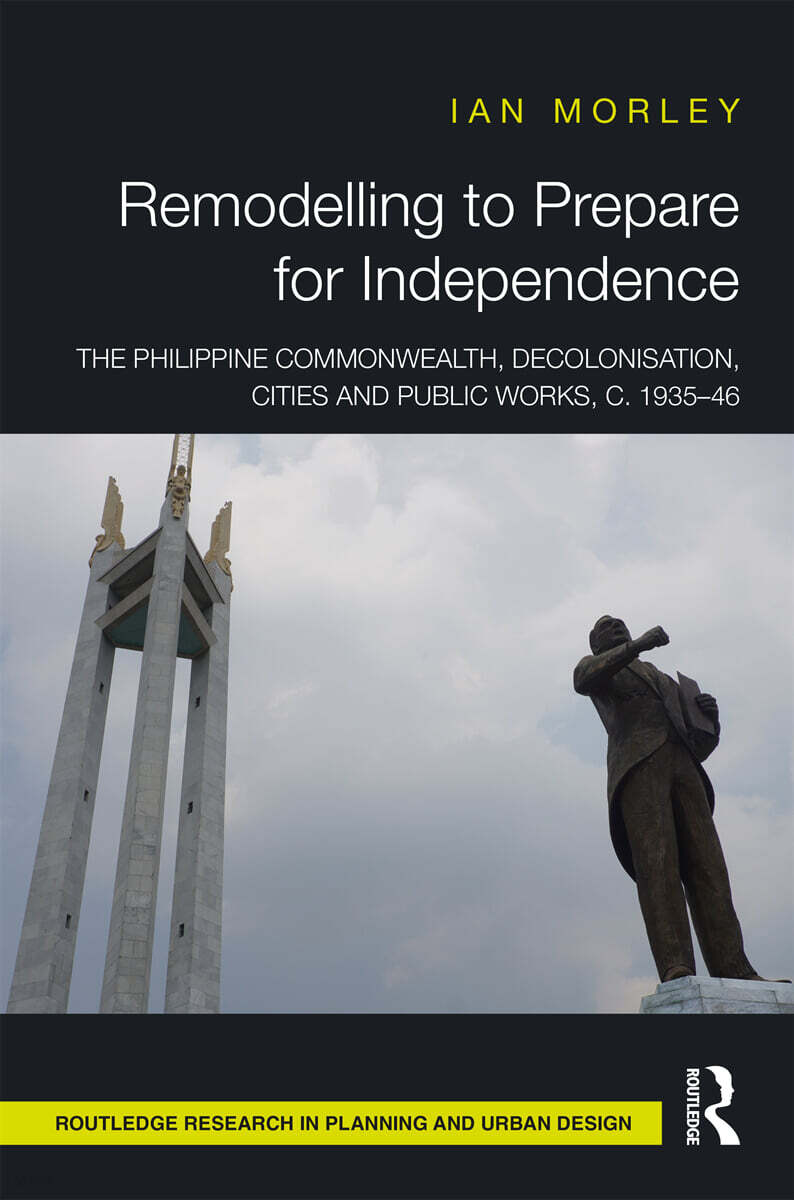
Remodelling to Prepare for Independence
The Philippine Commonwealth, Decolonisation, Cities and Public Works, c. 1935–46
Paperback, 1st Edition
Ian Morley
Routledge
2025.07.30.
이미 소장하고 있다면 판매해 보세요.
- 국내배송만 가능
- 해외 거래처 사정에 의하여 품절/지연 가능
- 도서 정보 중 미표기 사항 안내?
- 문화비소득공제 가능
Routledge Research in Planning and Urban Design
-
 Infrastructure and Planning in Central and Eastern Europe 이동Infrastructure and Planning in Central and Eastern Europe10% 346,330원
 -
Protection of Green Spaces for Climate Change Adaptation 이동Protection of Green Spaces for Climate Change Adaptation10% 96,630원
-
Chinese Collaborative Planning in the Digital Era 이동Chinese Collaborative Planning in the Digital Era10% 346,330원
-
Australia and China Perspectives on Urban Regeneration and Rural Revitalization 이동Australia and China Perspectives on Urban Regeneration and Rural Revitalization10% 96,630원
-
Planning for Resilient Small and Medium-Sized Cities in Ghana 이동Planning for Resilient Small and Medium-Sized Cities in Ghana10% 346,330원
-
Socially Sustainable Neighbourhood Design for Children and Youth 이동Socially Sustainable Neighbourhood Design for Children and Youth10% 346,330원
-
Waterfront Regeneration in a Time of Climate Change 이동Waterfront Regeneration in a Time of Climate Change10% 346,330원
책소개
목차
|
List of Illustrations List of Tables Acknowledgements Chapter 1: Introduction Reshaping the Nation and Public Works: A Precis Social Evolution, Foreign Influences, and Modernity in Philippine Cities, 1935-46 A Political and Philosophical Watershed: The Philippine Constitution, 1935 The Evolution of the Colonial-Built Fabric in the Philippines, 1898?1935 Decolonisation The Structure of the Book Chapter 2: A New Capital City for a New Nation The Constitution Convention and the Nature of the 1935 Constitution Quezon City: A Distinct City for an Evolving Country Planning Evolution in Quezon City: The 1941 and 1949 Plans The Park and Road Systems, and the Creation of Neighbourhood Units Public Buildings and Architectural Modernism Conclusion Chapter 3: Manila and the Provinces Beyond Quezon City: Urban Planning During the Age of the Commonwealth Manila’s Development and Antonio Toledo’s Professional Footprint The Return to, and Advancement of, Daniel Burnham’s Plan for Manila Renewing Manila: The Built Fabric and Fire Planning in the Provinces Housing and Planning in the Provinces Chapter 4: The Japanese Occupation Japan, the Philippines, the Greater East Asian Co-Prosperity Sphere, and Pan-Asianism The Japanese Occupation and the Evaluation of the Philippine-Built Fabric Governing the Towns and Cities Rebooting The Pensionados Program Neighbourhood Associations The Challenge and Opportunity Aligned to Post-War Rebirth Chapter 5: National Independence, Post-War Reconstruction, Urban Betterment and Planning A New Nation Looking Forward, Hesitantly The Planning of Roads Planning for New Housing Districts New Rulings and the Problem of Their Implementation Conclusion References Index |
관련 분류
품목정보
- 발행일
- 2025년 07월 30일
- 쪽수, 무게, 크기
- 276쪽 | 460g | 160*230mm
- ISBN13
- 9781032485379
사락 별점0
혜택 및 유의사항밑줄0
혜택 및 유의사항상품정보안내
직수입외서의 경우, 해외거래처에서 제공하는 정보가 부족하여 제목, 표지, 가격, 유통상태 등의 정보가 미비하거나 변경되는 경우가 있습니다. 정확한 확인을 원하시는 경우, 일대일 상담으로 문의하여 주시면 답변 드리겠습니다.
(판형과 판수 등이 다양한 도서는 찾으시는 도서의 ISBN을 알려 주시면 보다 빠르고 정확한 안내가 가능합니다.)
해외거래처에서 품절인 경우, 2차 거래선을 통해 유럽과 미국 출판사로 직접 수입이 진행될 수 있습니다.
수입 진행 시점으로 부터 2~3주가 추가로 소요되며, 해외에서도 유통이 원활하지 않은 도서는 품절 안내가 지연될 수 있습니다.
해당 경우, 문자와 메일로 별도 안내를 드리고 있사오니 마이페이지에서 휴대전화번호와 메일주소를 다시 한번 확인해주시기 바랍니다.
(판형과 판수 등이 다양한 도서는 찾으시는 도서의 ISBN을 알려 주시면 보다 빠르고 정확한 안내가 가능합니다.)
해외거래처에서 품절인 경우, 2차 거래선을 통해 유럽과 미국 출판사로 직접 수입이 진행될 수 있습니다.
수입 진행 시점으로 부터 2~3주가 추가로 소요되며, 해외에서도 유통이 원활하지 않은 도서는 품절 안내가 지연될 수 있습니다.
해당 경우, 문자와 메일로 별도 안내를 드리고 있사오니 마이페이지에서 휴대전화번호와 메일주소를 다시 한번 확인해주시기 바랍니다.
96,630원
총 1개
96,630원