
소득공제
수입
직수입양서
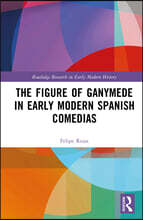
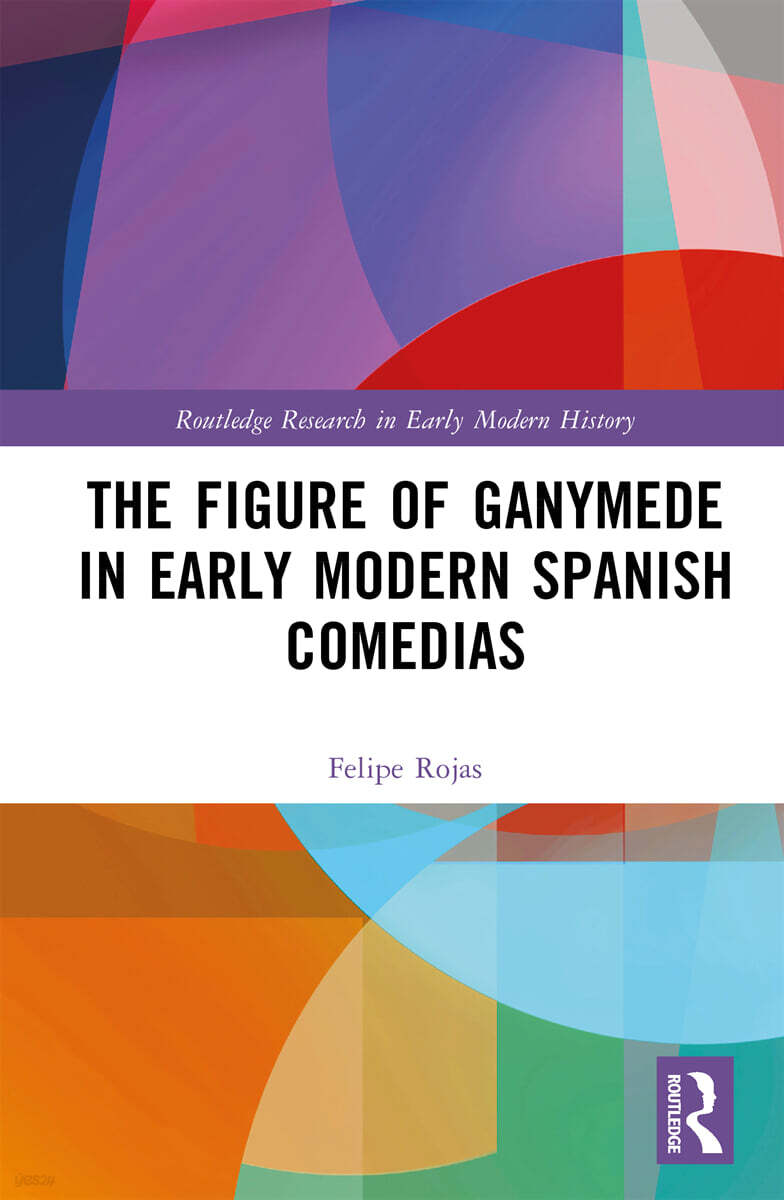
Figure of Ganymede in Early Modern Spanish Comedias
Hardback, 1st Edition
Felipe Rojas
Routledge
2025.12.18.
이미 소장하고 있다면 판매해 보세요.
- 국내배송만 가능
- 해외 거래처 사정에 의하여 품절/지연 가능
- 도서 정보 중 미표기 사항 안내?
- 문화비소득공제 가능
Routledge Research in Early Modern History
-
 Cross-Cultural Politics and the Suspension of the Portuguese Inquisition 1674–81 이동Cross-Cultural Politics and the Suspension of the Portuguese Inquisition 1674–8110% 356,010원
 -
Post-Tridentine Apostolic Nunciatures (1562–1605) 이동Post-Tridentine Apostolic Nunciatures (1562–1605)10% 356,010원
-
Children and Young People in Eighteenth-Century Malta, ca. 1740 to 1798 이동Children and Young People in Eighteenth-Century Malta, ca. 1740 to 179810% 356,010원
-
Diplomacy and the Resilience of the Spanish Monarchy 이동Diplomacy and the Resilience of the Spanish Monarchy10% 356,010원
-
Parliamentarism in Northern and East-Central Europe in the Long Eighteenth Century 이동Parliamentarism in Northern and East-Central Europe in the Long Eighteenth Century10% 99,330원
-
Products, Users, and Popular Luxury in Early Modern Greece 이동Products, Users, and Popular Luxury in Early Modern Greece10% 99,330원
-
Timothie Bright and the Origins of Early Modern Shorthand 이동Timothie Bright and the Origins of Early Modern Shorthand10% 99,330원
-
Exploring Sixteenth-Century Italy Through the Poems of Giulio Cesare Croce 이동Exploring Sixteenth-Century Italy Through the Poems of Giulio Cesare Croce10% 356,010원
-
Bible Interpreted by Women in Early Modern Italy: Promoting Dignity and Agency 이동Bible Interpreted by Women in Early Modern Italy: Promoting Dignity and Agency10% 356,010원
-
Colonel Philip Jones, Oliver Cromwell and the British Revolutions in South Wales 이동Colonel Philip Jones, Oliver Cromwell and the British Revolutions in South Wales10% 356,010원
-
British and German Worlds in an Age of Divergence (1600–1850) 이동British and German Worlds in an Age of Divergence (1600–1850)10% 99,330원
-
Figure of Ganymede in Early Modern Spanish Comedias 이동Figure of Ganymede in Early Modern Spanish Comedias10% 356,010원
-
Early Jesuits and the Rhetorical Tradition 이동Early Jesuits and the Rhetorical Tradition10% 99,330원
-
Academic Households in Early Modern Northern Europe 이동Academic Households in Early Modern Northern Europe10% 356,010원
-
Hospitality and the Enlightenment (Encountering China) 이동Hospitality and the Enlightenment (Encountering China)10% 356,010원
-
Paper Heritage in Italy, France, Spain and Beyond (16th to 19th Centuries) 이동Paper Heritage in Italy, France, Spain and Beyond (16th to 19th Centuries)10% 99,330원
-
Parliamentarism in Northern and East-Central Europe in the Long Eighteenth Century 이동Parliamentarism in Northern and East-Central Europe in the Long Eighteenth Century10% 356,010원
책소개
목차
|
1. Introduction 2. The Political Ganymede 2.1 Political (In)Credibility: La hermosa Alfreda (1598-1600) as Forewarning of Artistic and Privados’ Deception 2.2 Political Liaisons: Lope de Vega’s Las mujeres sin hombres (1613-18) as Metaphor of Habsburg Dynastic Marriages 2.3 Political Education: Advising a Young King in Lope de Vega’s La mayor victoria (1615-1624) 2.4 A Political Hunt for Ganymede: Queer Space and Juan Ruiz de Alarcon’s Los favores del mundo (c. 1616?-1617) 3. The Moral/Religious Ganymede 3.1 A Moral Dilemma: Early Modern Mythographers and the Case of Lope de Vega’s La escolastica celosa (1596-1602) 3.2 “Claiming” the Moral High Ground: Tirso de Molina’s Religious La mejor espigadera (1614) and the Joys of the Pagan 3.3 Loose Morals: Andres de Claramonte’s La ciudad sin Dios, o El inobediente (1652) and the Insertion of Ganymede 3.4 Zipper Moral: The Multifaceted Character of Ismael in Tirso de Molina’s La prudencia en la mujer (1634) 4. The Sexual Ganymede 4.1 Early Modern Sexual (Mis)Conduct: Ganymede Through his Escapades 4.2 Sexual Minorities: Sodomites and Incest in Lope de Vega’s Adonis y Venus (1597-1603) and its Forgotten Interlude 4.3 Sexual Ambiguity: Cross-Dressed Same-Sex Desires in Lope de Vega’s El gallardo catalan (1599-1603) 4.4 Sexual Tension: Reconstructing and Re-Interpreting a “Feminine” Ganymede in Ana Caro’s Valor, agravio y mujer (c. 1635) 5. Epilogue |
품목정보
- 발행일
- 2025년 12월 18일
- 쪽수, 무게, 크기
- 258쪽 | 540g | 160*230mm
- ISBN13
- 9781032317830
리뷰/한줄평0
상품정보안내
직수입외서의 경우, 해외거래처에서 제공하는 정보가 부족하여 제목, 표지, 가격, 유통상태 등의 정보가 미비하거나 변경되는 경우가 있습니다. 정확한 확인을 원하시는 경우, 일대일 상담으로 문의하여 주시면 답변 드리겠습니다.
(판형과 판수 등이 다양한 도서는 찾으시는 도서의 ISBN을 알려 주시면 보다 빠르고 정확한 안내가 가능합니다.)
해외거래처에서 품절인 경우, 2차 거래선을 통해 유럽과 미국 출판사로 직접 수입이 진행될 수 있습니다.
수입 진행 시점으로 부터 2~3주가 추가로 소요되며, 해외에서도 유통이 원활하지 않은 도서는 품절 안내가 지연될 수 있습니다.
해당 경우, 문자와 메일로 별도 안내를 드리고 있사오니 마이페이지에서 휴대전화번호와 메일주소를 다시 한번 확인해주시기 바랍니다.
(판형과 판수 등이 다양한 도서는 찾으시는 도서의 ISBN을 알려 주시면 보다 빠르고 정확한 안내가 가능합니다.)
해외거래처에서 품절인 경우, 2차 거래선을 통해 유럽과 미국 출판사로 직접 수입이 진행될 수 있습니다.
수입 진행 시점으로 부터 2~3주가 추가로 소요되며, 해외에서도 유통이 원활하지 않은 도서는 품절 안내가 지연될 수 있습니다.
해당 경우, 문자와 메일로 별도 안내를 드리고 있사오니 마이페이지에서 휴대전화번호와 메일주소를 다시 한번 확인해주시기 바랍니다.
356,010원
총 1개
356,010원