제1장 사람과 교육 (People & Education)
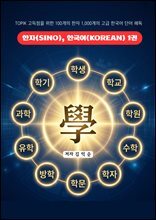
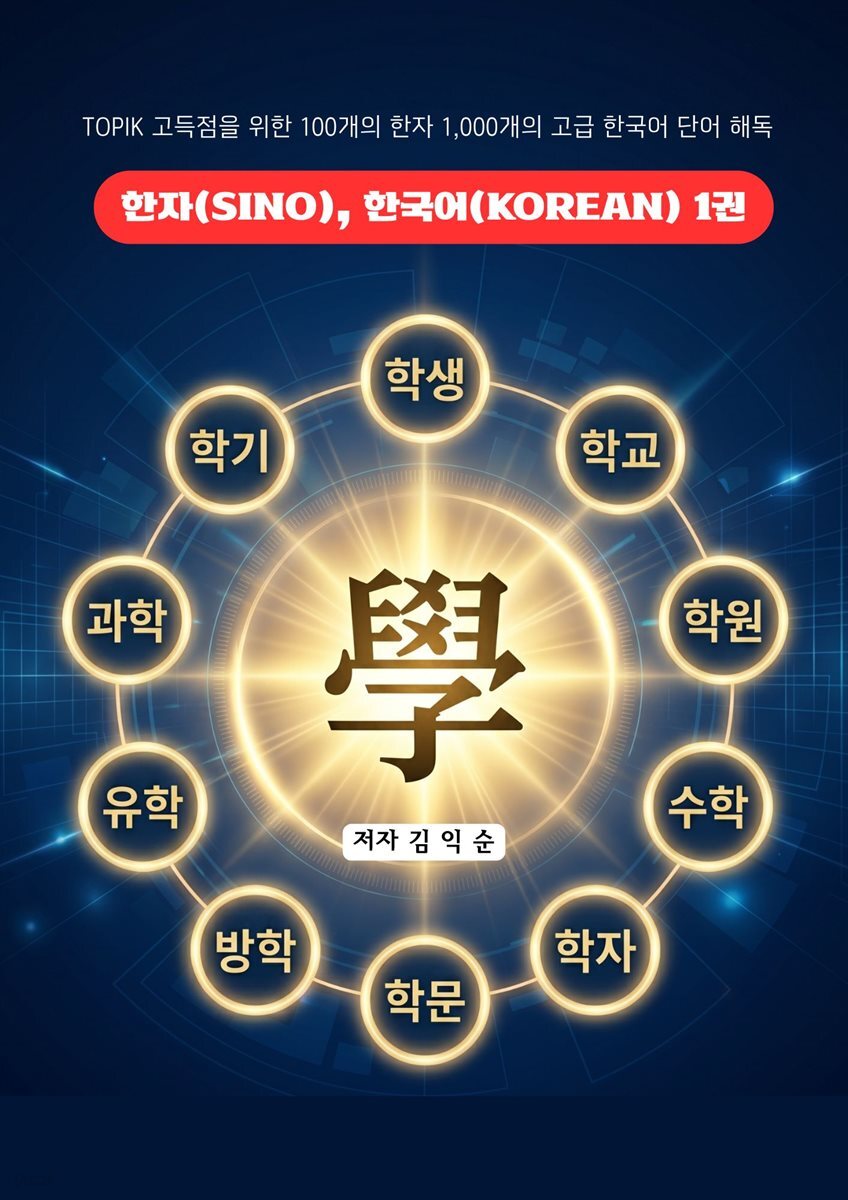
001. 학 (學) - 배우다 (to learn) : 학생(Student), 학교(School), 학원(Academy), 수학(Mathematics), 학자(Scholar), 학문(Learning), 방학(Vacation), 유학(Study abroad), 과학(Science), 학기(Semester)
002. 생 (生) - 나다/살다 (to be born/live) : 생활(Living), 생일(Birthday), 학생(Student), 선생(Teacher), 생명(Life), 발생(Occurrence), 일생(Lifetime), 생존(Survival), 평생(Whole life), 동생(Younger sibling)
003. 인 (人) - 사람 (person) : 인간(Human), 개인(Individual), 한국인(Korean), 외국인(Foreigner), 인구(Population), 인기(Popularity), 타인(Others), 노인(Elderly), 성인(Adult), 인물(Figure)
004. 교 (敎) - 가르치다 (to teach) : 교실(Classroom), 교사(Teacher), 교육(Education), 종교(Religion), 교수(Professor), 교재(Textbook), 교과서(Textbook), 교양(Refinement), 교장(Principal), 교훈(Lesson)
005. 가 (家) - 집/사람 (house/specialist) : 가족(Family), 가구(Furniture), 국가(Country), 작가(Writer), 화가(Painter), 가출(Running away from home), 가정(Home), 전문가(Expert), 가사(Housework), 대가족(Large family)
006. 사 (師) - 스승 (teacher/master) : 교사(Teacher), 강사(Instructor), 의사(Doctor), 요리사(Chef), 미용사(Hairdresser), 약사(Pharmacist), 사진사(Photographer), 마술사(Magician), 사부(Master), 은사(Teacher)
007. 원 (院) - 집/기관 (institution) : 학원(Academy), 병원(Hospital), 대학원(Graduate school), 법원(Court), 원장(Director), 입원(Hospitalization), 퇴원(Discharge), 고아원(Orphanage), 요양원(Nursing home), 한의원(Oriental clinic)
008. 자 (子) - 아들/사람 (child/person) : 남자(Man), 여자(Woman), 모자(Mother and son), 의자(Chair), 자녀(Children), 과자(Snack), 전자(Electron), 부자(Father and son), 탁자(Table), 제자(Disciple)
009. 남 (男) - 사내 (man) : 남자(Man), 남편(Husband), 남녀(Men and women), 장남(Eldest son), 차남(Second son), 미남(Handsome man), 남학생(Male student), 남동생(Younger brother), 남성(Male), 남녀공학(Coeducation)
010. 녀 (女) - 계집 (woman) : 여자(Woman), 남녀(Men and women), 장녀(Eldest daughter), 소녀(Young girl), 미녀(Beautiful woman), 여학생(Female student), 여동생(Younger sister), 여성(Female), 자녀(Children), 마녀(Witch)
011. 부 (父) - 아비 (father) : 부모(Parents), 부친(Father), 조부모(Grandparents), 학부모(Parents of students), 부자(Father and son), 부녀(Father and daughter), 계부(Stepfather), 신부(Priest), 조부(Grandfather), 외조부(Maternal grandfather)
012. 모 (母) - 어미 (mother) : 부모(Parents), 모친(Mother), 조부모(Grandparents), 모국어(Mother tongue), 모녀(Mother and daughter), 모자(Mother and son), 계모(Stepmother), 이모(Aunt), 고모(Aunt), 유모(Nanny)
013. 형 (兄) - 형 (older brother) : 형제(Brothers), 친형(Biological older brother), 사촌형(Cousin older brother), 형부(Older sister's husband), 맏형(Eldest brother), 형님(Older brother), 의형제(Sworn brothers), 자형(Older sister's husband), 형제애(Brotherhood), 막내형(Youngest older brother)
014. 동 (童) - 아이 (child) : 아동(Child), 동요(Children's song), 동화(Fairy tale), 동심(Child's mind), 동화책(Storybook), 신동(Prodigy), 동남동녀(Boys and girls), 목동(Shepherd boy), 아동복(Children's clothing), 아동학(Child studies)
015. 객 (客) - 손님 (guest) : 고객(Customer), 승객(Passenger), 관광객(Tourist), 객석(Guest seat), 관람객(Spectator), 불청객(Unwelcome guest), 객실(Guest room), 여객기(Passenger plane), 하객(Wedding guest), 투숙객(Hotel guest)
016. 민 (民) - 백성 (people) : 국민(Citizen), 시민(Citizen of a city), 주민(Resident), 이민(Immigration), 민주주의(Democracy), 빈민(Poor people), 농민(Farmer), 서민(Commoner), 원주민(Native), 민족(Nation)
017. 어 (語) - 말씀 (language) : 국어(National language), 영어(English), 단어(Word), 어휘(Vocabulary), 외국어(Foreign language), 언어(Language), 한국어(Korean language), 일본어(Japanese), 중국어(Chinese), 속어(Slang)
018. 문 (文) - 글 (writing/culture) : 문학(Literature), 문화(Culture), 문장(Sentence), 주문(Order), 문자(Character), 문법(Grammar), 논문(Thesis), 문서(d-ocument), 인문학(Humanities), 한문(Chinese characters)
019. 과 (科) - 과목 (subject/department) : 과학(Science), 과목(Subject), 내과(Internal medicine), 외과(Surgery), 학과(Department), 전공과(Major department), 치과(Dentistry), 소아과(Pediatrics), 이과(Science track), 문과(Liberal arts track)
020. 서 (書) - 글/책 (book/writing) : 독서(Reading), 도서관(Library), 교과서(Textbook), 서점(Bookstore), 이력서(Resume), 보고서(Report), 비서(Secretary), 증명서(Certificate), 도서(Books), 사직서(Letter of resignation)
제2장 시간과 자연 (Time & Nature)
021. 일 (日) - 해/날 (sun/day) : 일기(Diary), 매일(Every day), 생일(Birthday), 일요일(Sunday), 평일(Weekday), 휴일(Holiday), 내일(Tomorrow), 일상(Daily life), 종일(All day), 기념일(Anniversary)
022. 월 (月) - 달 (moon/month) : 매월(Every month), 세월(Time/Years), 월급(Monthly salary), 월요일(Monday), 개월(Months), 월간(Monthly), 월세(Monthly rent), 정월(First month), 월말(End of the month), 월초(Beginning of the month)
023. 년 (年) - 해 (year) : 내년(Next year), 매년(Every year), 학년(School year), 연세(Age), 작년(Last year), 금년(This year), 청년(Youth), 연말(End of the year), 연초(Beginning of the year), 소년(Boy)
024. 시 (時) - 때 (time) : 시간(Time), 시계(Clock/Watch), 시대(Era), 임시(Temporary), 동시(At the same time), 시기(Period), 시급(Hourly wage), 당시(At that time), 시각(Time), 실시간(Real time)
025. 수 (水) - 물 (water) : 식수(Drinking water), 수영(Swimming), 생수(Mineral water), 수요일(Wednesday), 수산물(Seafood), 수분(Moisture), 홍수(Flood), 하수도(Sewer), 수돗물(Tap water), 수질(Water quality)
026. 화 (火) - 불 (fire) : 화재(Fire), 화산(Volcano), 소화기(Fire extinguisher), 화요일(Tuesday), 방화(Arson), 화염(Flame), 소화(Extinguish fire), 발화(Ignition), 화상(Burn injury), 화력(Firepower)
027. 천 (天) - 하늘 (sky) : 천사(Angel), 천국(Heaven), 천재(Genius), 천연(Natural), 천문학(Astronomy), 천하(The whole world), 선천적(Innate), 천장(Ceiling), 천지(Heaven and earth), 천문(Astronomy)
028. 지 (地) - 땅 (earth/land) : 지구(Earth), 지하(Underground), 지도(Map), 지방(Region), 지진(Earthquake), 토지(Land), 지상(Above ground), 지하실(Basement), 지리(Geography), 지옥(Hell)
029. 산 (山) - 뫼 (mountain) : 등산(Mountain climbing), 화산(Volcano), 산맥(Mountain range), 산림(Forest), 빙산(Iceberg), 등산화(Hiking shoes), 산길(Mountain path), 산불(Mountain fire), 야산(Hill), 산꼭대기(Mountain top)
030. 해 (海) - 바다 (sea) : 해양(Ocean), 해변(Beach), 해외(Overseas), 해물(Seafood), 해수욕장(Bathing beach), 해안(Coast), 동해(East Sea), 서해(West Sea), 해군(Navy), 해녀(Female diver)
031. 목 (木) - 나무 (tree/wood) : 목재(Wood/Timber), 목수(Carpenter), 식목일(Arbor Day), 목요일(Thursday), 목조(Wooden), 목공(Woodworking), 거목(Giant tree), 고목(Old tree), 목판(Woodblock), 원목(Solid wood)
032. 금 (金) - 쇠/돈 (gold/money) : 현금(Cash), 요금(Fare/Fee), 세금(Tax), 금요일(Friday), 저금(Deposit), 상금(Prize money), 황금(Gold), 벌금(Fine), 송금(Remittance), 연금(Pension)
033. 토 (土) - 흙 (soil/earth) : 토지(Land), 영토(Territory), 점토(Clay), 토요일(Saturday), 토양(Soil), 국토(National territory), 풍토(Climate), 향토(Local), 토기(Earthenware), 토사(Earth and sand)
034. 주 (晝) - 낮 (daytime) : 주간(Daytime), 주야(Day and night), 백주(Broad daylight), 주침(Nap), 주행(Daytime driving), 주간근무(Day shift), 주야장천(All day and night), 주광(Daylight), 백주대낮(Broad daylight), 낮주(Daytime)
035. 야 (夜) - 밤 (night) : 야간(Nighttime), 야경(Night view), 심야(Late night), 철야(Staying up all night), 야식(Late-night snack), 야근(Overtime work), 야시장(Night market), 야간근무(Night shift), 야밤(Dead of night), 전야제(Eve festival)
036. 조 (朝) - 아침 (morning) : 조식(Breakfast), 조조(Early morning), 왕조(Dynasty), 조선(Joseon Dynasty), 조간(Morning edition), 조기(Early stage), 조례(Morning assembly), 조퇴(Leaving early), 이조(Joseon), 조석(Morning and evening)
037. 석 (夕) - 저녁 (evening) : 석식(Dinner), 추석(Chuseok), 조석(Morning and evening), 칠석(Chilseok), 석양(Sunset), 석간(Evening edition), 조석간만(Tidal range), 석양빛(Sunset glow), 명석(Tomorrow evening), 조석(Tide)
038. 춘 (春) - 봄 (spring) : 청춘(Youth), 입춘(Onset of spring), 춘추(Spring and autumn/Age), 춘분(Vernal equinox), 춘풍(Spring breeze), 춘계(Spring season), 춘하추동(Four seasons), 신춘(New spring), 사춘기(Puberty), 춘곤증(Spring fatigue)
039. 추 (秋) - 가을 (autumn) : 추수(Harvest), 추석(Chuseok), 입추(Onset of autumn), 추분(Autumnal equinox), 추계(Autumn season), 만추(Late autumn), 추풍(Autumn wind), 추동(Autumn and winter), 춘추(Age), 춘하추동(Four seasons)
040. 동 (冬) - 겨울 (winter) : 동면(Hibernation), 입동(Onset of winter), 동복(Winter clothes), 월동(Wintering), 동절기(Winter season), 동지(Winter solstice), 동계(Winter season), 동장군(Severe winter cold), 초동(Early winter), 한동(Midwinter)
제3장 공간과 방향 (Space & Direction)
041. 상 (上) - 위 (up/high) : 상의(Top clothes), 상승(Rise), 옥상(Rooftop), 상반기(First half), 상사(Boss), 정상(Summit), 상향(Upward), 상급(Advanced), 상류(Upstream), 상경(Going to Seoul)
042. 하 (下) - 아래 (down/low) : 하의(Bottom clothes), 하락(Fall), 지하(Underground), 하반기(Second half), 하락세(Downtrend), 하급(Lower level), 하류(Downstream), 부하(Subordinate), 하차(Getting off), 하향(Downward)
043. 전 (前) - 앞 (front/before) : 오전(Morning), 식전(Before a meal), 전반(First half), 예전(In the past), 전진(Advance), 전방(Front), 사전(In advance), 직전(Right before), 전날(The day before), 전직(Previous job)
044. 후 (後) - 뒤 (back/after) : 오후(Afternoon), 식후(After a meal), 후배(Junior), 후반(Second half), 후진(Reversing), 후방(Rear), 직후(Right after), 사후(After the fact), 후문(Back door), 후회(Regret)
045. 내 (內) - 안 (inside) : 실내(Indoors), 국내(Domestic), 내용(Content), 시내(Downtown), 내부(Inside), 내과(Internal medicine), 내면(Inner side), 이내(Within), 안내(Guidance), 내장(Internal organs)
046. 외 (外) - 바깥 (outside) : 실외(Outdoors), 국외(Overseas), 외국(Foreign country), 예외(Exception), 외부(Outside), 외과(Surgery), 외모(Appearance), 외출(Going out), 야외(Outdoors), 제외(Exclusion)
047. 동 (東) - 동녘 (east) : 동양(The Orient), 동해(East Sea), 동쪽(East), 중동(Middle East), 동부(Eastern part), 동대문(Dongdaemun), 동풍(East wind), 동북(Northeast), 동남아(Southeast Asia), 극동(Far East)
048. 서 (西) - 서녘 (west) : 서양(The West), 서해(West Sea), 서쪽(West), 북서풍(Northwesterly wind), 서부(Western part), 서대문(Seodaemun), 서풍(West wind), 남서(Southwest), 동서(East and West), 대서양(Atlantic Ocean)
049. 남 (南) - 남녘 (south) : 남극(South Pole), 남한(South Korea), 남미(South America), 남쪽(South), 남부(Southern part), 남북(North and South), 남풍(South wind), 남대문(Namdaemun), 동남(Southeast), 동남아(Southeast Asia)
050. 북 (北) - 북녘 (north) : 북극(North Pole), 북한(North Korea), 북미(North America), 탈북(Defecting from N.K.), 북쪽(North), 북부(Northern part), 북서(Northwest), 북동(Northeast), 북풍(North wind), 북반구(Northern hemisphere)
051. 좌 (左) - 왼 (left) : 좌회전(Left turn), 좌석(Seat), 좌파(Left-wing), 우좌(Right and left), 좌측(Left side), 좌우(Left and right), 좌향(Leftward), 좌수(Left hand), 좌뇌(Left brain), 좌천(Demotion)
052. 우 (右) - 오른 (right) : 우회전(Right turn), 우측(Right side), 우파(Right-wing), 좌우(Left and right), 우향(Rightward), 우수(Right hand), 우뇌(Right brain), 우방(Allied nation), 우선(Priority), 좌우명(Motto)
053. 출 (出) - 나다 (to go out) : 출발(Departure), 출구(Exit), 출근(Going to work), 외출(Going out), 출장(Business trip), 출산(Childbirth), 출석(Attendance), 제출(Submission), 수출(Export), 출판(Publication)
054. 입 (入) - 들다 (to enter) : 입학(Entrance into a school), 입구(Entrance), 수입(Import/Income), 입장(Admission/Position), 입원(Hospitalization), 입국(Entry into a country), 입금(Deposit), 기입(Entry), 신입(Newcomer), 가입(Joining)
055. 중 (中) - 가운데 (middle) : 중학교(Middle school), 중심(Center), 중간(Middle), 중국(China), 중앙(Center), 집중(Concentration), 중단(Interruption), 중독(Addiction), 중반(Middle phase), 공중(In the air)
056. 간 (間) - 사이 (space/between) : 시간(Time), 공간(Space), 인간(Human), 기간(Period), 중간(Middle), 순간(Moment), 간격(Interval), 주간(Weekly), 야간(Nighttime), 인간관계(Human relations)
057. 도 (道) - 길 (road/way) : 도로(Road), 도덕(Morals), 인도(Sidewalk), 보도(Sidewalk), 도구(Tool), 철도(Railway), 횡단보도(Crosswalk), 태권도(Taekwondo), 도리(Duty/Reason), 복도(Hallway)
058. 문 (門) - 문 (door/gate) : 창문(w-indow), 정문(Main gate), 동대문(Dongdaemun), 방문(Visit/Room door), 문구(Stationery), 대문(Front gate), 후문(Back gate), 전문(Specialty), 부문(Section), 문맹(Illiteracy)
059. 국 (國) - 나라 (country) : 국가(Country), 외국(Foreign country), 한국(Korea), 국적(Nationality), 국민(Citizen), 국어(National language), 국내(Domestic), 국외(Overseas), 국립(National), 천국(Heaven)
060. 실 (室) - 방 (room) : 교실(Classroom), 사무실(Office), 화장실(Restroom), 미용실(Beauty salon), 실내(Indoors), 실외(Outdoors), 거실(Living room), 침실(Bedroom), 회의실(Conference room), 지하실(Basement)
제4장 행동과 생활 (Action & Daily Life)
061. 식 (食) - 밥/먹다 (food/to eat) : 식사(Meal), 식당(Restaurant), 식품(Food product), 간식(Snack), 외식(Eating out), 과식(Overeating), 식구(Family members), 식탁(Dining table), 일식(Japanese food), 단식(Fasting)
062. 음 (飮) - 마시다 (to drink) : 음료(Beverage), 음식(Food), 과음(Overdrinking), 식음료(Food and beverage), 음수(Drinking water), 음주(Drinking alcohol), 폭음(Binge drinking), 시음(Tasting), 음용(Drinking), 음료수(Beverage water)
063. 동 (動) - 움직이다 (to move) : 운동(Exercise), 동물(Animal), 행동(Behavior), 활동(Activity), 자동(Automatic), 동영상(Video), 이동(Movement), 노동(Labor), 작동(Operation), 충동(Impulse)
064. 작 (作) - 짓다/만들다 (to make) : 작업(Work), 작가(Writer), 작품(Artwork), 조작(Manipulation), 시작(Start), 작성(Filling out), 제작(Manufacturing), 동작(Operation), 부작용(Side effect), 작곡(Music composition)
065. 용 (用) - 쓰다 (to use) : 사용(Use), 이용(Use), 용돈(Pocket money), 일회용(Disposable), 용도(Purpose), 적용(Application), 비용(Expense), 신용(Credit), 유용(Useful), 채용(Hiring)
066. 행 (行) - 가다 (to go) : 행동(Behavior), 여행(Travel), 은행(Bank), 행운(Good luck), 진행(Progress), 유행(Trend), 보행(Walking), 실행(Execution), 비행기(Airplane), 행사(Event)
067. 언 (言) - 말씀 (word) : 언어(Language), 발언(Remark), 예언(Prophecy), 선언(Declaration), 언론(Press), 유언(Dying wish), 명언(Famous saying), 조언(Advice), 방언(Dialect), 무언(Silence)
068. 문 (問) - 묻다 (to ask) : 질문(Question), 문제(Problem), 문의(Inquiry), 학문(Study/Learning), 방문(Visit), 설문(Survey), 문답(Q&A), 의문(Doubt), 고문(Advisor), 심문(Interrogation)
069. 답 (答) - 대답하다 (to answer) : 대답(Answer), 정답(Correct answer), 답변(Response), 응답(Response), 해답(Solution), 오답(Wrong answer), 문답(Q&A), 답장(Reply), 즉답(Prompt answer), 화답(Reply)
070. 수 (受) - 받다 (to receive) : 접수(Receipt/Registration), 수입(Import/Income), 수상(Winning a prize), 수락(Acceptance), 수용(Acceptance), 수신(Receiving), 인수(Takeover), 수강(Taking a class), 수혜(Receiving benefits), 수령(Receipt)
071. 발 (發) - 피다/쏘다 (to emit/start) : 출발(Departure), 발생(Occurrence), 발견(Discovery), 발명(Invention), 발음(Pronunciation), 발전(Development), 발표(Presentation), 발달(Development), 폭발(Explosion), 발사(Launch)
072. 수 (手) - 손 (hand) : 실수(Mistake), 박수(Applause), 악수(Handshake), 수건(Towel), 선수(Player), 수술(Surgery), 수첩(Notebook), 가수(Singer), 목수(Carpenter), 수화(Sign language)
073. 기 (起) - 일어나다 (to rise) : 기상(Waking up), 기원(Origin), 기점(Starting point), 기폭제(Trigger), 기립(Standing up), 기인하다(Originate from), 기동(Starting a machine), 발기(Outbreak), 돌기(Protrusion), 기안(Drafting)
074. 보 (步) - 걸음 (step/walk) : 보행(Walking), 산보(Stroll), 진보(Progress), 양보(Concession), 보도(Sidewalk), 일보(One step), 횡단보도(Crosswalk), 도보(Walking), 초보(Beginner), 보폭(Stride)
075. 수 (睡) - 자다 (to sleep) : 수면(Sleep), 수면제(Sleeping pill), 오수(Nap/午睡), 수면부족(Lack of sleep), 수면시간(Sleeping hours), 수마(Sleepiness), 혼수(Coma), 가수면(Light sleep), 수면장애(Sleep disorder), 수면실(Sleeping room)
076. 화 (話) - 말하다 (to speak) : 대화(Conversation), 전화(Phone), 회화(Conversation), 신화(Myth), 화제(Topic), 동화(Fairy tale), 대화방(Chat room), 전화기(Telephone), 수화기(Telephone receiver), 통화(Phone call)
077. 견 (見) - 보다 (to see) : 발견(Discovery), 의견(Opinion), 견학(Field trip), 편견(Prejudice), 견해(Viewpoint), 발견자(Discoverer), 선입견(Preconception), 예견(Foresight), 참견(Meddling), 이견(Different opinion)
078. 시 (視) - 보다 (to watch) : 시력(Eyesight), 시청(Watching), 무시(Ignoring), 시각(Vision), 시선(Gaze), 감시(Surveillance), 시야(Field of vision), 시청자(Viewer), 주시(Gazing), 등한시(Neglect)
079. 청 (聽) - 듣다 (to listen) : 청취(Listening), 시청(Watching and listening), 도청(Wiretapping), 방청(Observation), 청각(Hearing), 시청자(Viewer), 방청객(Audience), 경청(Listening attentively), 청력(Hearing ability), 난청(Deafness)
080. 독 (讀) - 읽다 (to read) : 독서(Reading), 독자(Reader), 낭독(Reading aloud), 구독(Subscription), 해독(Deciphering), 다독(Reading a lot), 독해(Reading comprehension), 정독(Extensive reading), 구독자(Subscriber), 탐독(Careful reading)
제5장 상태와 정도 (State & Degree)
081. 대 (大) - 크다 (big) : 대학(University), 대문(Front gate), 대가족(Large family), 확대(Expansion), 대형(Large size), 대부분(Most), 대기업(Large company), 위대(Greatness), 대중(Public), 대륙(Continent)
082. 소 (小) - 작다 (small) : 축소(Reduction), 소규모(Small scale), 소형(Small size), 소설(Novel), 소인(Small person), 최소(Minimum), 중소기업(SME), 소식(Eating little), 소수(Minority), 소아과(Pediatrics)
083. 다 (多) - 많다 (many) : 다수(Majority), 다양(Variety), 다행(Good luck), 다국적(Multinational), 다수결(Majority rule), 다문화(Multicultural), 과다(Excessive), 다량(Large quantity), 대다수(The vast majority), 다양성(Diversity)
084. 소 (少) - 적다 (few) : 소수(Minority), 소년(Boy), 소녀(Girl), 감소(Decrease), 청소년(Youth), 최소(Minimum), 희소(Rare), 소량(Small amount), 다소(Somewhat), 연소자(Minors)
085. 장 (長) - 길다/어른 (long/head) : 교장(Principal), 사장(CEO), 장점(Advantage), 장남(Eldest son), 장거리(Long distance), 장시간(Long time), 연장(Extension), 장녀(Eldest daughter), 회장(Chairman), 성장(Growth)
086. 단 (短) - 짧다 (short) : 단점(Disadvantage), 단기간(Short term), 단축(Reduction), 단거리(Short distance), 단편(Short story), 최단(Shortest), 단기(Short term), 단시간(Short time), 중단(Interruption), 단신(Short news)
087. 고 (高) - 높다 (high) : 고등학교(High school), 최고(Best/Highest), 고혈압(High blood pressure), 고급(High quality), 고기압(High pressure), 고속(High speed), 고층(High-rise), 고음(High pitch), 최고급(Top quality), 제고(Enhancement)
088. 저 (低) - 낮다 (low) : 최저(Lowest), 저혈압(Low blood pressure), 저렴(Cheap), 저음(Low pitch), 저하(Decline), 저속(Low speed), 저층(Low-rise), 저기압(Low pressure), 저조(Poor/Low), 저급(Low quality)
089. 신 (新) - 새롭다 (new) : 신문(Newspaper), 신곡(New song), 신인(Newcomer), 신규(New), 최신(Latest), 갱신(Renewal), 신작(New work), 신선(Fresh), 신도시(New city), 신제품(New product), 혁신(Innovation)
090. 구 (舊) - 옛날 (old) : 구형(Old model), 구식(Old style), 복구(Restoration), 구약(Old Testament), 신구(New and old), 구세대(Older generation), 구관(Old building), 구제(Old system), 구시가지(Old downtown), 구시대(Old era)
091. 명 (明) - 밝다 (bright/clear) : 명일(Tomorrow), 설명(Explanation), 분명(Clear), 투명(Transparent), 조명(Lighting), 증명(Proof), 발명(Invention), 문명(Civilization), 현명(Wise), 해명(Clarification)
092. 암 (暗) - 어둡다 (dark) : 명암(Light and dark), 암흑(Darkness), 암시(Hint), 암호(Password), 암기(Memorization), 암살(Assassination), 암시장(Black market), 암운(Dark clouds), 암담(Gloomy), 암실(Darkroom)
093. 미 (美) - 아름답다 (beautiful) : 미인(Beauty), 미술(Art), 미용(Beauty care), 미녀(Beautiful woman), 미용실(Beauty salon), 미관(Aesthetic appearance), 미식가(Gourmet), 미학(Aesthetics), 미경(Beautiful scenery), 찬미(Praise)
094. 선 (善) - 착하다 (good) : 선행(Good deed), 최선(Best), 친선(Friendship), 선악(Good and evil), 개선(Improvement), 선의(Goodwill), 위선(Hypocrisy), 자선(Charity), 선처(Mercy), 선량(Goodness)
095. 악 (惡) - 나쁘다 (bad) : 최악(Worst), 악몽(Nightmare), 악당(Villain), 악취(Stench), 악화(Deterioration), 사악(Wickedness), 악의(Malice), 악성(Malicious), 흉악(Wicked), 악조건(Bad condition)
096. 강 (强) - 강하다 (strong) : 강조(Emphasis), 강력(Strong), 강요(Coercion), 강제(Compulsion), 강자(Strong person), 막강(Overwhelming), 강도(Intensity), 보강(Reinforcement), 강화(Strengthening), 강점(Strength)
097. 약 (弱) - 약하다 (weak) : 약점(Weakness), 허약(Frail), 노약자(The old and weak), 약세(Weak trend), 취약(Vulnerable), 나약(Weak), 약자(Weak person), 약화(Weakening), 미약(Feeble), 강약(Strength and weakness)
098. 정 (正) - 바르다 (right/correct) : 정상(Normal), 정답(Correct answer), 긍정(Positivity), 정확(Accurate), 부정(Negativity/Denial), 정당(Fair/Just), 수정(Revision), 공정(Fairness), 정문(Main gate), 정직(Honesty)
099. 중 (重) - 무겁다 (heavy/important) : 중요(Important), 체중(Body weight), 존중(Respect), 귀중(Precious), 중대(Grave/Serious), 중복(Overlap), 이중(Double), 중력(Gravity), 신중(Caution), 정중(Politeness)
100. 경 (輕) - 가볍다 (light) : 경량(Lightweight), 경솔(Rash), 경상(Minor injury), 경차(Compact car), 경멸(Contempt), 경감(Reduction), 경시(Disregard), 경쾌(Cheerful), 경공업(Light industry), 경박(Frivolous)