
소득공제
PDF
eBook
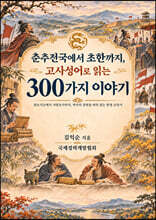
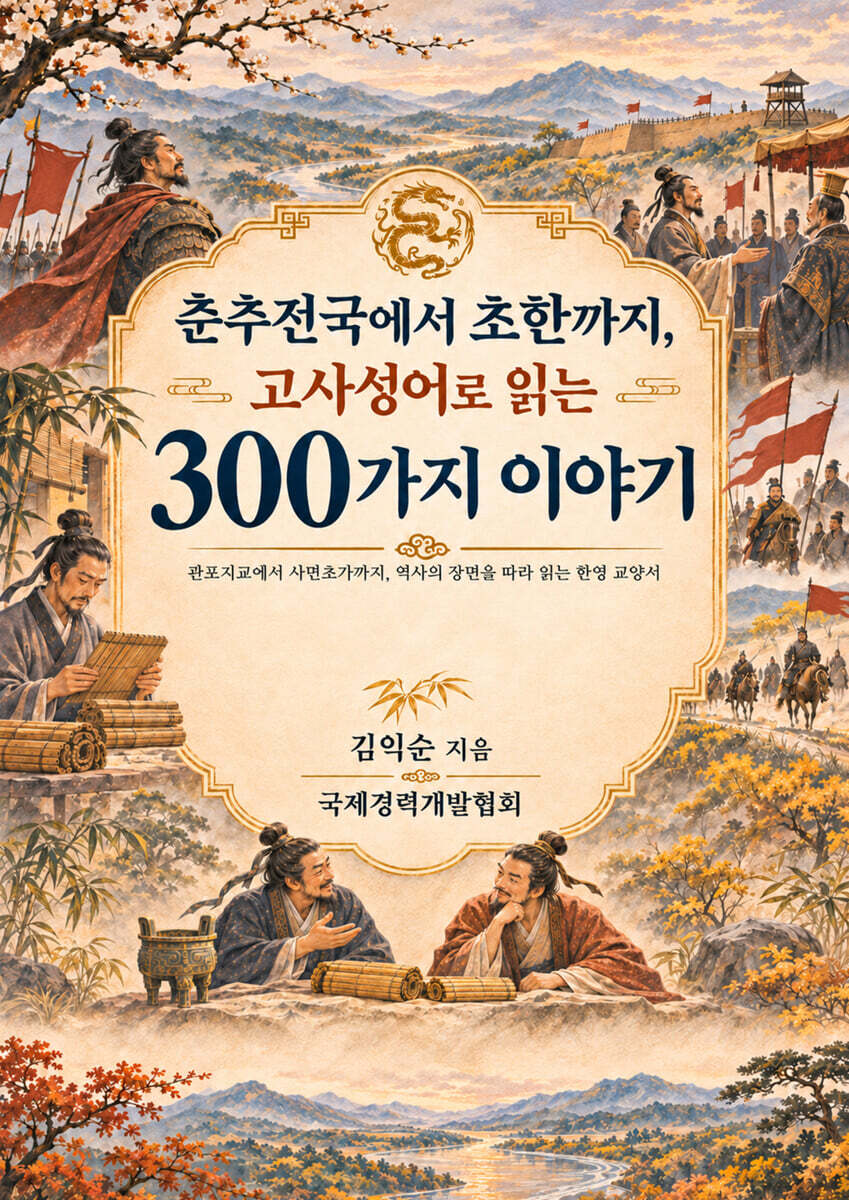
춘추전국에서 초한까지, 고사성어로 읽는 300가지 이야기
관포지교에서 사면초가까지, 역사의 장면을 따라 읽는 한영 교양서
스마트한 PDF 필기 기능을 사용해 보세요!
- PDF 안내
-
이 상품은 구매 후 지원 기기에서 예스24 eBook앱 설치 후 바로 이용 가능한 상품입니다.
상세 이미지

소개
목차
|
서문 | Preface
제1부. 춘추의 패자가 등장하다 | The rise of the Spring and Autumn hegemons 제1장. 관중과 제 환공, 초기 제후국의 약속과 풍속 | Guan Zhong, Duke Huan, and the ties that held the early states together 001. 관포지교(管鮑之交) — 장사 이익을 더 가져간 관중을 포숙아는 왜 믿었을까 | What one friend understood about an uneven split 002. 존왕양이(尊王攘夷) — 제후들을 불러 모으려면 왜 주 왕실의 이름이 필요했을까 | Why invoke the Zhou king to rally the lords? 003. 노마지지(老馬之智) — 길을 잃은 관중은 왜 늙은 말의 고삐를 풀었을까 | When an old horse had the better sense of direction 004. 일광천하(一匡天下) — 공자는 관중이 천하에 남긴 무엇을 높이 샀을까 | Why Confucius gave a minister credit for holding the realm together 005. 관중지기소재(管仲之器小哉) — 천하를 바로잡은 사람의 그릇이 작다니 | How could a celebrated statesman measure up so poorly? 006. 창름실이지예절(倉廩實而知禮節) — 예절을 말하기 전에 곡식 창고를 들여다본 까닭 | What a grain store has to do with good manners 007. 풍마우불상급(風馬牛不相及) — 말과 소도 오가지 않는데 어찌 국경을 넘었소 | What wandering livestock had to do with a diplomatic protest 008. 규구지회(葵丘之會) — 규구에 모인 제후들은 누구의 권위를 인정했을까 | Whose authority did the lords recognize at Kuiqiu? 009. 일고작기(一鼓作氣) — 조귀는 왜 첫 북소리에 달려나가지 않았을까 | Why Cao Gui waited through the first drumbeat 010. 가지맹(柯之盟) — 약속을 어기면 되찾은 땅보다 더 큰 것을 잃는다 | What was a disputed promise worth at Ke? 011. 대의멸친(大義滅親) — 석작은 왜 아들까지 책임을 물었을까 | Why Shi Que held his own son to account 012. 다행불의필자폐(多行不義必自斃) — 정 장공은 왜 동생을 당장 막지 않았을까 | Why Duke Zhuang let his younger brother take another step 013. 양력이행(量力而行) — 승리한 정나라는 왜 허나라를 그대로 삼키지 않았을까 | Why stop after winning in Xu? 014. 피지부존 모장안부(皮之不存,毛將安傅) — 가죽이 사라지면 털은 어디에 붙을까 | What happens to the fur when the hide is gone? 015. 순망치한(脣亡齒寒) — 우나라는 왜 이웃 괵나라의 멸망을 두려워해야 했을까 | Why a neighbor’s fall put Yu itself in danger 016. 학유승헌자(鶴有乘軒者) — 학에게 수레를 내준 임금은 백성에게 무엇을 잃었나 | When cranes rode in carriages and soldiers lost heart 017. 과대(瓜代) — 참외가 다시 익으면 교대한다던 약속 | A posting that was supposed to end with the next melon crop 018. 경보불사 노난미이(慶父不死,魯難未已) — 경보를 남겨 두고 노나라의 혼란이 끝날 수 있을까 | Could Lu find peace while Qingfu remained? 019. 애막능조(愛莫能助) — 걱정하는 마음만으로 도울 수 없는 순간 | When caring deeply still leaves you unable to help 020. 주정교질(周鄭交質) — 서로의 자식을 맡기면 신뢰도 따라올까 | Can an exchange of hostages purchase trust? 021. 상중지약(桑中之約) — 뽕나무 밭에서 만나자는 노래는 어떤 약속으로 남았나 | How a meeting in the mulberry fields became a lovers’ tryst 022. 투도보리(投桃報李) — 복숭아를 받은 이가 자두를 건네는 마음 | A peach for a plum and the meaning of reciprocity 023. 숙흥야매(夙興夜寐) — 『시경』의 한 여인은 왜 새벽부터 밤까지 일했나 | The long working day in one woman’s song 024. 도지요요(桃之夭夭) — 혼례 노래는 왜 한창 핀 복숭아꽃으로 시작할까 | Why a wedding song opens on a peach tree in bloom 025. 송양지인(宋襄之仁) — 강을 건너는 적을 기다린 송 양공의 선택 | The ruler who waited for his opponents to cross 제2장. 진 문공과 초 장왕, 맹약과 간언의 정치 | Duke Wen of Jin, King Zhuang of Chu, and the politics of counsel 026. 퇴피삼사(退避三舍) — 돌아온 중이는 어떻게 옛 약속을 지켰을까 | The promise Duke Wen honored by stepping back 027. 탐천지공(貪天之功) — 개자추는 왜 공신 대열에서 물러났을까 | Why Jie Zhitui refused to claim a share of the credit 028. 구급검급(屨及劍及) — 신 한 짝, 칼 한 자루가 왕의 뒤를 쫓은 까닭 | Why attendants had to catch up with a king’s shoes and sword 029. 문정(問鼎) — 솥의 무게를 묻는 말이 왜 왕위에 대한 도전이 되었을까 | When asking a cauldron’s weight challenged a dynasty 030. 일명경인(一鳴驚人) — 삼 년간 울지 않았다는 새는 누구였을까 | The bird that kept silent until it could astonish everyone 031. 절영지연(絶纓之宴) — 어둠 속에서 갓끈을 끊게 한 왕의 명령 | The king who ordered everyone to break a hat cord 032. 진진지호(秦晉之好) — 두 나라 이름이 어쩌다 혼인을 뜻하게 되었을까 | How two rival states gave their names to a marriage bond 033. 결초보은(結草報恩) — 풀을 묶어 넘어뜨린 노인은 누구였을까 | Who tied the grass that tripped a warrior? 034. 병입고황(病入膏肓) — 명의에게도 손닿지 않는다는 그 자리는 어디인가 | The illness the physician said lay beyond his reach 035. 낭자야심(狼子野心) — 자문은 어린 조카에게서 왜 이리의 본성을 보았나 | The warning heard in a wolf cub’s cry 036. 편장막급(鞭長莫及) — 긴 채찍으로도 말의 배를 칠 수 없는 이유 | Why even a long whip cannot reach its own horse’s belly 037. 곤수유투(困獸猶鬥) — 포위된 짐승도 마지막에는 맞선다는 경고 | Why a cornered animal still commands respect 038. 성하지맹(城下之盟) — 성벽 아래에서 맺은 약속을 대등하다고 할 수 있을까 | How free is an agreement signed under a city wall? 039. 필로남루(篳路藍縷) — 조상의 거친 수레와 해진 옷은 왜 기억되어야 했을까 | A rough cart and ragged clothes in a founding story 040. 이우아사(爾虞我詐) — 서로 속이지 말자던 맹약이 속임수의 성어가 되기까지 | How a pledge against deceit came to mean mutual suspicion 041. 지과위무(止戈爲武) — ‘무’라는 글자를 두고 초 장왕은 무엇을 말했을까 | Why a victorious king read restraint into the word for war 042. 여용가고(餘勇可賈) — 싸우고도 남은 용기를 누구에게 팔겠다는 말인가 | Who wants to buy the courage I have left? 043. 마수시첨(馬首是瞻) — 모두가 한 말의 머리만 바라보라는 명령 | What it meant to watch the leader’s horse 044. 외거불피구(外舉不避仇) — 원수의 이름을 후임자로 올린 사람 | The official who nominated his enemy 045. 식언(食言) — 한번 뱉은 말을 왜 도로 먹는다고 했을까 | Why taking a promise back was likened to eating one’s words 046. 병불염사(兵不厭詐) — 성복 전투 이야기에 두 참모의 답이 함께 남은 까닭 | Two advisers, one victory and a disagreement about deception 047. 표리산하(表裏山河) — 산과 강을 방패로 본 진나라 사람의 자신감 | The mountains and river a Jin adviser counted on 048. 현고호사(弦高犒師) — 소를 몰던 상인은 어떻게 자기 나라에 시간을 벌어 주었을까 | How a cattle merchant bought his country time 049. 종선여류(從善如流) — 장수가 싸움을 멈추자 역사가가 물 흐르듯 따랐다고 한 까닭 | Why taking sound advice was compared to flowing water 050. 거안사위(居安思危) — 선물을 받은 날 위강이 먼저 떠올린 위험 | Why a minister spoke of danger on a day of rewards 제2부. 오·월의 쟁패와 춘추 사람들이 남긴 말 | Wu, Yue, and the voices of the Spring and Autumn world 제3장. 오자서와 오·초의 충돌, 춘추 열국의 인물들 | Wu Zixu, the clash with Chu, and the people of the rival states 051. 문신단발(文身斷髮) — 중원에서 강남의 몸차림을 어떻게 기록했을까 | How early writers described hair and tattoos in the south 052. 계찰괘검(季札掛劍) — 차마 달라 하지 못한 칼을 무덤가 나무에 걸다 | A sword for a friend who never asked 053. 탄위관지(歎爲觀止) — 계찰은 춤을 본 뒤 왜 더 볼 것이 없다고 했을까 | The performance that left a visiting prince with nothing more to ask for 054. 어장검(魚腸劍) — 생선 속에 감춘 칼에는 언제 이름이 붙었을까 | When did the sword hidden in a fish acquire a name? 055. 동병상련(同病相憐) — 같은 상처를 겪은 두 사람이 서로를 알아보는 순간 | When a shared wound made strangers recognize each other 056. 오시취소(吳市吹簫) — 오나라 장터의 피리 소리는 어느 기록에 남았을까 | The flute heard in the marketplace of Wu 057. 일모도원(日暮途遠) — 해는 저물고 길은 멀다는 오자서의 대답 | The long road and fading daylight in Wu Zixu’s reply 058. 황지지회(黃池之會) — 북쪽 회맹에 나간 오왕에게 남쪽에서 날아온 소식 | The news from home that overshadowed the meeting at Huangchi 059. 곡진정(哭秦庭) — 궁궐 뜰에서 통곡한 신포서는 무엇을 청했을까 | What Shen Baoxu begged for in the court of Qin 060. 복심지질(腹心之疾) — 오자서는 왜 먼 나라보다 이웃 월나라를 두려워했나 | The threat Wu Zixu likened to an illness deep inside 061. 오원결목(伍員抉目) — 동문에 눈을 걸어 달라는 오자서의 마지막 말 | Why Wu Zixu wanted his eyes left at the eastern gate 062. 백거지전(柏舉之戰) — 백거의 승리 뒤 초나라 도성에서는 무슨 일이 벌어졌나 | How defeat at Boju emptied a royal capital 063. 각자위정(各自爲政) — 양고깃국 한 그릇을 받지 못한 마부의 선택 | The charioteer left out when mutton was served 064. 초궁초득(楚弓楚得) — 활을 잃은 임금은 왜 굳이 찾지 않았을까 | Who really lost out when a king misplaced his bow? 065. 화이부실(華而不實) — 여관을 떠났던 영영은 왜 길 한가운데서 마음을 바꿨나 | Why a new follower turned back halfway 066. 초수(楚囚) — 포로가 된 악공이 고향의 곡조를 잊지 않은 까닭 | What a captive musician’s choice of music revealed 067. 섭공호룡(葉公好龍) — 용을 그토록 좋아하던 섭공은 왜 진짜 용을 피했나 | The dragon admirer who fled when a real one arrived 068. 미대부도(尾大不掉) — 꼬리가 너무 크면 왜 몸을 따라 움직이지 못할까 | When the tail grows too large for the body to move 069. 삼절굉(三折肱) — 팔을 세 번 부러뜨려야 명의가 된다는 말 | What three broken arms were thought to teach 070. 백공지란(白公之亂) — 사사로운 원한은 어떻게 초나라 조정의 난으로 번졌나 | How a grievance became an uprising at the Chu court 071. 초재진용(楚材晉用) — 초나라의 인재가 진나라에서 일한 까닭 | Why talent from Chu flourished in Jin 072. 육단견양(肉袒牽羊) — 정나라 임금은 왜 웃옷을 벗고 양을 끌었을까 | Why the ruler of Zheng led a sheep to surrender 073. 상하기수(上下其手) — 포로에게 손짓으로 답을 유도한 심문 | How a witness was quietly prompted with a hand signal 074. 내자가추(來者可追) — 이미 지난 일과 아직 바꿀 수 있는 일을 가른 노래 | The song that drew a line between the past and what can still change 075. 초왕호세요(楚王好細腰) — 임금 한 사람의 취향이 조정의 식탁을 바꾸다 | How a ruler’s taste changed what his courtiers ate 제4장. 구천과 범려의 선택, 동쪽 제후국의 삶과 말 | Goujian, Fan Li, and the cultural memory of the eastern states 076. 와신상담(臥薪嘗膽) — 구천 앞에 걸린 쓸개와 나중에 더해진 섶 이야기 | The bitter gall in Goujian’s story and the firewood that came later 077. 생취교훈(生聚教訓) — 전쟁에서 진 나라가 다시 사람을 모은 세월 | The years a defeated state needed to rebuild 078. 토사구팽(兎死狗烹) — 범려는 왜 승리한 바로 그때 문종에게 떠나라고 했을까 | Why Fan Li urged a fellow minister to leave after victory 079. 서시빈목(西施顰目) — 서시의 찡그림은 왜 누구에게나 어울리지 않았을까 | Why copying Xi Shi’s frown missed the point 080. 경거망동(輕舉妄動) — 범려만큼 부유해도 성급하면 무엇을 잃을까 | What a fortune like Fan Li’s cannot protect against 081. 천금지자 불사어시(千金之子,不死於市) — 부자는 형장에서 죽지 않는다던 말이 무너진 이유 | The wealthy family that could not buy back a son’s life 082. 삼치천금(三致千金) — 세 번 부자가 된 범려가 벌어들인 돈을 나눈 사람들 | The people Fan Li helped with the fortunes he made 083. 한즉자주 수즉자거(旱則資舟,水則資車) — 가뭄에 배를 준비한다는 상인의 역설 | Why a merchant might buy boats in a drought 084. 귀출여분토 천취여주옥(貴出如糞土,賤取如珠玉) — 값이 올랐을 때 아끼던 물건을 내놓는 법 | Why a merchant must know when to let stock go 085. 필부지용(匹夫之勇) — 구천은 무엇을 두고 혼자만의 용기라고 했을까 | The kind of individual bravery Goujian did not ask for 086. 오월동주(吳越同舟) — 원수도 한 배를 타면 서로의 손을 잡을까 | Why enemies might reach for one another in a storm 087. 오우천월(吳牛喘月) — 강남의 소는 왜 달을 보고도 숨을 헐떡인다고 했을까 | Why a water buffalo might pant at the moon 088. 순갱노회(蓴羹鱸膾) — 가을바람 한 줄기에 떠오른 고향의 국과 생선회 | The autumn breeze that brought a taste of home 089. 귤화위지(橘化爲枳) — 안영은 모욕에 왜 귤과 탱자 이야기로 답했나 | How a citrus analogy turned an insult back on its host 090. 휘한성우(揮汗成雨) — 땀을 떨면 비가 된다는 임치는 얼마나 붐볐을까 | When shaking off sweat was enough to make rain 091. 염지어정(染指於鼎) — 자라는 맛보지 말라던 정 영공의 잔칫상이 부른 일 | The guest who dipped his finger into a duke’s stew 092. 의기양양(意氣揚揚) — 안영의 마부가 아내에게 들은 뜻밖의 평가 | Why the coachman’s proud display troubled his wife 093. 식불중육(食不重肉) — 재상의 밥상에 고기 요리가 한 가지뿐이었다는 말 | What one meat dish said about a minister’s household 094. 이도살삼사(二桃殺三士) — 복숭아 두 개로 세 무사를 시험한 잔혹한 셈법 | How two peaches set three warriors against one another 095. 양두구육(羊頭狗肉) — 대문에 내건 것과 가게 안에서 파는 것이 다르다면 | What a shop sign promised and what the counter offered 096. 화여갱언(和如羹焉) — 안영은 왜 좋은 정치를 국 끓이기에 비유했을까 | What a well-seasoned broth could teach a ruler 097. 불훼향교(不毀鄉校) — 자산은 왜 자신을 비판하는 사람들이 모이는 곳을 지켰나 | Why Zichan left his critics’ meeting place standing 098. 관맹상제(寬猛相濟) — 불과 물을 이야기한 자산의 마지막 충고 | Why a dying minister spoke of fire and water 099. 백아절현(伯牙絶絃) — 자신의 연주를 알아듣던 벗이 죽자 백아가 악기를 내려놓은 까닭 | Why Boya put down his instrument when his listener died 100. 동도주(東道主) — 정나라는 지나가는 손님을 맞겠다는 말로 무엇을 얻었을까 | How a promise of hospitality helped save Zheng 제3부. 전국시대의 개혁과 생존 경쟁 | Reform and survival in the Warring States 제5장. 법을 고치고 인재를 얻다, 전국의 개혁과 경쟁 | Changing laws and winning talent in the Warring States 101. 삼가분진(三家分晉) — 진(晉)은 언제 세 나라가 되었을까 | When did Jin become three states? 102. 사목지신(徙木之信) — 성문 앞 나무 한 토막에 걸린 나라의 신용 | A log at the gate puts a government's word to the test 103. 도불습유(道不拾遺) — 길에 떨어진 물건이 왜 개혁의 성적표가 되었을까 | Why did a lost possession become the measure of good government? 104. 작법자폐(作法自斃) — 자기가 만든 법 때문에 하룻밤 묵을 곳을 잃다 | The lawmaker who could not find shelter under his own law 105. 치세불일도(治世不一道) — 다른 시대에도 꼭 같은 법을 써야 할까 | Does every age need the same laws? 106. 십오(什伍) — 이웃 열 집, 다섯 집에 함께 책임을 묻다 | When neighbors were made answerable for one another 107. 천맥(阡陌) — 밭두렁을 바꾸자 나라의 지도가 달라졌다 | How field boundaries reshaped a state 108. 평적(平糴) — 풍년과 흉년 사이, 나라가 곡식을 사고파는 까닭 | Why a state bought grain in fat years and released it in lean ones 109. 이구동성(異口同聲) — 어느 첩보든 말이 똑같을 때, 제 위왕은 왜 기다렸을까 | Why the king held back when every report said the same thing 110. 하백취부(河伯娶婦) — 강의 신이 신부를 원한다는 말은 누구를 먹여 살렸나 | Who profited when the river god demanded a bride? 111. 우모미풍(羽毛未豐) — 깃털이 덜 자란 새가 어떻게 높이 날겠는가 | Can a fledgling fly before its feathers grow? 112. 재덕부재험(在德不在險) — 오기가 강산보다 먼저 살피라고 한 것 | What Wu Qi saw beyond a kingdom's natural defenses 113. 연저(吮疽) — 장수가 상처를 돌보는데 어머니는 왜 울었을까 | Why did a mother weep at a general's kindness? 114. 문정약시(門庭若市) — 임금에게 할 말이 있는 사람들이 대문을 메우다 | The day the palace gate looked like a marketplace 115. 직하(稷下) — 도성의 한 문 곁으로 학자들이 모인 까닭 | Why thinkers gathered by a city gate in Qi 116. 전씨대제(田氏代齊) — 국호는 그대로인데 왕실의 성이 바뀌었다 | Qi kept its name and changed its ruling house 117. 전기새마(田忌賽馬) — 말은 그대로인데 승부가 뒤집힌 이유 | The same horses, a different result 118. 위위구조(圍魏救趙) — 조나라를 구하러 가며 왜 위나라로 향했을까 | Why did relief for Zhao lead the army toward Wei? 119. 인세이도(因勢利導) — 손빈은 상대가 품은 선입견을 어떻게 읽었을까 | What Sun Bin understood about his opponent's assumptions 120. 삼인성호(三人成虎) — 시장에서 호랑이를 봤다는 사람이 셋이라면 | If three people say there's a tiger in the market 121. 낙극생비(樂極生悲) — 술잔을 든 순우곤이 흥겨운 자리에 꺼낸 경고 | The sober warning Chunyu Kun slipped into a drinking story 122. 양양만가(穰穰滿家) — 돼지 발굽 하나를 바치고 집 가득 곡식을 바라다 | A tiny offering and a harvest too large to count 123. 전사불망후사지사(前事不忘後事之師) — 공을 세운 뒤 장맹담이 되돌아본 옛일 | The lesson Zhang Mengtan drew after victory 124. 진양지위(晉陽之圍) — 진양의 물을 보고 두 동맹국이 불안을 느끼다 | Why the siege of Jinyang unsettled two allies 125. 사위지기자사(士爲知己者死) — 예양에게 ‘나를 알아준다’는 것은 어떤 뜻이었나 | What it meant to Yu Rang to be understood 제6장. 왕과 신하, 시인이 마주한 전국의 선택 | Choices facing rulers, ministers, and poets in the Warring States 126. 완벽귀조(完璧歸趙) — 성 열다섯과 바꾸자던 구슬은 어떻게 돌아왔을까 | The jade that came home to Zhao intact 127. 문경지교(刎頸之交) — 서열을 다투던 두 사람이 목숨을 맡긴 벗이 되기까지 | How two rivals became friends who could trust each other with their lives 128. 민지지회(澠池之會) — 두 임금의 연주를 사관이 빠짐없이 적은 이유 | Why both kings' performances had to go on the record 129. 호복기사(胡服騎射) — 조 무령왕이 옷을 갈아입자 조정이 술렁였다 | The change of clothing that shook the court of Zhao 130. 사구지변(沙丘之變) — 왕위를 미리 물려준 아버지가 별궁에 갇히다 | The abdicated king trapped at Shaqiu 131. 불유여력(不遺餘力) — 물러간 진나라에는 싸울 힘이 얼마나 남았을까 | What did the retreat reveal about Qin's remaining strength? 132. 지상담병(紙上談兵) — 책으로 배운 조괄은 무엇을 보지 못했나 | What the books could not show Zhao Kuo 133. 일반두미(一飯斗米) — 염파가 사신 앞에서 많은 밥을 먹은 까닭 | Why an aging general ate a huge meal before a visiting envoy 134. 위지계심원(爲之計深遠) — 자식을 오래 생각한다는 말이 태후의 마음을 움직이다 | A parent's love takes the long view 135. 안연무양(安然無恙) — 왕보다 그해 농사를 먼저 물은 까닭 | Why did the queen ask about the harvest before the king? 136. 천금시골(千金市骨) — 죽은 말의 뼈를 사 오자 명마가 모여들었다 | What buying a dead horse's bones told the living 137. 심사숙려(深思熟慮) — 고민하는 굴원과 진군을 만류한 사신의 말을 함께 읽다 | Two old expressions behind the idea of careful deliberation 138. 전단복제(田單復齊) — 두 성만 남은 제나라는 어떻게 이름을 되찾았나 | How Qi recovered when only two cities held out 139. 배난해분(排難解紛) — 나라를 구한 대가를 노중련이 사양한 까닭 | Why Lu Zhonglian refused a reward for settling a crisis 140. 안보당거(安步當車) — 수레를 사양한 안촉은 무엇을 얻었을까 | Why Yan Chu preferred a walk to a carriage 141. 세불양립(勢不兩立) — 초와 진은 정말 동시에 강할 수 없었을까 | Could Chu and Qin both thrive? A persuader says no 142. 누란지위(累卵之危) — 쌓아 둔 알에 비유된 나라는 어느 나라였을까 | Which kingdom was likened to a stack of eggs? 143. 회근악유(懷瑾握瑜) — 아름다운 옥을 품어도 내보일 곳이 없다는 탄식 | A poet carries fine jade, with no one to show it to 144. 거세개탁(舉世皆濁) — 세상이 온통 흐리다고 느낀 날, 굴원은 누구를 만났나 | When the whole world seemed muddy, Qu Yuan met a fisherman 145. 곡고화과(曲高和寡) — 노래가 높아질수록 따라 부를 사람이 줄어든다 | Why the finest tune drew the fewest voices 146. 첨전고후(瞻前顧後) — 옛 왕들을 뒤돌아보며 앞날을 헤아린 시인 | Looking both ways in time before deciding what comes next 147. 단병상접(短兵相接) — 전차 바퀴가 맞닿던 순간을 기리는 추모의 노래 | A song of mourning for fighters whose chariots met 148. 황종훼기(黃鐘毀棄) — 큰 종을 버리고 질솥을 울리는 세상 | A court that casts aside its great bell and applauds a clay pot 149. 득촌진척(得寸進尺) — 한 치가 한 자가 되기까지, 욕심은 어디서 멈출까 | Give an inch and the next demand may be much larger 150. 구사일생(九死一生) — ‘아홉 번 죽어도’는 언제 ‘겨우 살아났다’는 말이 되었나 | How dying nine times came to mean barely surviving 제4부. 전국 칠웅의 외교와 사공자의 식객 | Diplomacy among the Seven States and the retainers of the Four Lords 제7장. 합종연횡과 유세객의 설득 | Shifting alliances and the art of persuasion 151. 합종연횡(合縱連橫) — 여섯 나라가 손잡을 것인가, 진과 따로 손잡을 것인가 | A common front or separate deals with Qin? 152. 원교근공(遠交近攻) — 범저가 지도에서 먼 나라와 가까운 나라를 달리 본 이유 | Why distance changed the value of an alliance 153. 사분오열(四分五裂) — 장의가 위나라 지도에서 본 갈라짐 | The divisions Zhang Yi saw in the map of Wei 154. 전거후공(前倨後恭) — 빈손으로 돌아온 소진과 성공한 소진을 맞는 두 얼굴 | Two very different welcomes for Su Qin 155. 호가호위(狐假虎威) — 짐승들은 여우를 보고 달아난 것일까 | What were the animals really running from? 156. 계구우후(鷄口牛後) — 닭의 입이 될까, 소의 뒤가 될까 | A small state's choice between autonomy and rank 157. 어부지리(漁夫之利) — 도요새와 조개가 놓지 않는 동안 어부가 다가왔다 | While the bird and the clam held on, the fisherman walked up 158. 일거양득(一擧兩得) — 진진이 두 호랑이 이야기로 대신한 대답 | Chen Zhen answered a diplomatic question with two tigers 159. 화사첨족(畫蛇添足) — 다 그린 뱀에 발을 보태고 잃은 술 한 잔 | The drink a man lost by giving his snake legs 160. 남원북철(南轅北轍) — 말도 돈도 충분한데 초에는 왜 닿을 수 없을까 | Fine horses, plenty of money, and the wrong road to Chu 161. 경궁지조(驚弓之鳥) — 시위 소리만 듣고 놀란 새의 지난 상처 | The old wound behind a bird's fear of the bow 162. 망양보뢰(亡羊補牢) — 양을 잃고라도 우리를 고치면 늦지 않다 | Even after losing a sheep, the pen is worth mending 163. 포신구화(抱薪救火) — 불을 끄겠다고 땔나무를 안고 간다면 | Trying to put out a fire with an armful of wood 164. 적우침주(積羽沈舟) — 가벼운 깃털도 배를 가라앉힐 수 있다는 말 | When even feathers can sink a boat 165. 행백리자반구십(行百里者半九十) — 백 리 길에서 구십 리가 겨우 절반인 까닭 | Ninety li into a hundred-li journey, and only halfway there 166. 한단지보(邯鄲之步) — 남의 걸음걸이를 배우러 가서 제 걸음을 잊다 | The visitor who forgot how to walk back home 167. 식옥취계(食玉炊桂) — 옥처럼 비싼 밥, 계수나무처럼 귀한 땔감 | When supper costs as much as jade 168. 증삼살인(曾參殺人) — 베틀 앞 어머니도 흔들리게 한 동명이인의 소문 | The rumor that finally drove a mother from her loom 169. 전화위복(轉禍爲福) — 빼앗은 성 열 곳을 돌려주면 무엇을 얻을 수 있을까 | What could a king gain by giving ten captured cities back? 170. 애자필보(睚眥必報) — 흘겨본 일까지 잊지 않았다는 범저 | The minister who kept account of every slight 171. 폐비기주(吠非其主) — 개가 낯선 이에게 짖는 까닭으로 충성을 말하다 | What a barking dog can teach about allegiance 172. 과족불전(裹足不前) — 현명한 이들의 발걸음이 진나라 쪽으로 끊긴다면 | What would make the next adviser stop at Qin's border? 173. 백발백중(百發百中) — 버들잎을 번번이 맞힌 사람에게 누군가 그만두라 한 까닭 | Why tell a man who never misses that it is time to stop? 174. 설상재부(舌尚在不) — 누명을 벗고 장의가 아내에게 제일 먼저 확인한 것 | The first thing Zhang Yi wanted to know after his ordeal 175. 전공진기(前功盡棄) — 한 번의 무리한 고집이 앞선 수고를 지울 수 있다면 | When pressing on might undo everything already won 제8장. 사공자의 문을 드나든 사람들 | The people who passed through the gates of the Four Lords 176. 계명구도(鷄鳴狗盜) — 새벽을 앞당긴 닭 울음, 사소해 보인 재주의 값 | The borrowed crow that brought daybreak early 177. 교토삼굴(狡兔三窟) — 토끼에게 굴 셋이 필요하다면 정치가에게는 무엇이 필요할까 | Why a statesman might need as many refuges as a rabbit 178. 모수자천(毛遂自薦) — 스무 번째 자리에 스스로 이름을 올리다 | The man who volunteered for the twentieth place 179. 탄협(彈鋏) — 식탁에 생선이 없자 풍훤이 칼을 두드린 까닭 | Why Feng Xuan tapped his sword and sang for fish 180. 시의(市義) — 빚을 받으러 간 식객이 사 온 것은 의리였다 | The debt collector who spent his trip buying goodwill 181. 도비불고(掉臂不顧) — 저녁 시장을 그냥 지나가는 사람들에게 배운 일 | What an empty evening market taught a disappointed patron 182. 지고기양(趾高氣揚) — 상아 침상을 돌려보낸 식객의 발걸음이 가벼웠던 이유 | The telltale bounce in a retainer's step after a costly gift was declined 183. 명불허전(名不虛傳) — 사람을 좋아했다는 소문을 사마천은 어디서 확인했나 | How a historian tested a patron's reputation against a place 184. 삼촌지설(三寸之舌) — 평원군은 왜 말 한마디를 백만 군사와 견주었나 | Why one envoy's words could outweigh an army 185. 인인성사(因人成事) — 모수의 청동 쟁반 앞에서 열아홉 동행이 들은 말 | What nineteen fellow envoys heard after the agreement 186. 이령지혼(利令智昏) — 거저 얻는 땅이라는 말이 판단을 흐리다 | When land offered for free clouded judgment 187. 분공이작(分功而作) — 한단이 굶주릴 때 이동이 평원군의 집안에 요구한 일 | What Li Tong asked of a rich household in a hungry city 188. 섭교담등(躡蹻擔簦) — 짚신을 신고 긴 자루 삿갓을 멘 우경이 조나라에 오다 | The traveler who arrived in straw sandals with a long-handled hat 189. 백마비마(白馬非馬) — 흰 말을 달라고 하면 검은 말도 데려가도 될까 | Would a black horse do if someone asked for a white one? 190. 허좌이대(虛左以待) — 신릉군의 수레에 비워 둔 자리는 누구를 위한 것이었나 | Whose place did the prince keep empty in his carriage? 191. 식객삼천(食客三千) — 한 사람의 집에 수천 명이 찾아온다는 것은 | What it meant to maintain a household of thousands 192. 절부구조(竊符救趙) — 한단을 도운 일은 누구에게 충성이었을까 | When rescuing Zhao meant disobeying Wei 193. 급인지곤(急人之困) — 혼인으로 맺은 두 집안에서 도움을 청하는 편지가 오가다 | An appeal for help between two families joined by marriage 194. 무지자용(無地自容) — 공을 내세운 신릉군이 몸 둘 곳을 몰랐던 까닭 | The rebuke that left a victorious prince ashamed 195. 유예부결(猶豫不決) — 진왕을 황제로 받들라는 제안 앞에 평원군이 망설이다 | The proposal that made Lord Pingyuan hesitate 196. 주리삼천(珠履三千) — 조나라 사자가 초나라 식객들의 신발을 보고 놀라다 | The pearl-decked shoes that upstaged an envoy 197. 민불료생(民不聊生) — 전쟁이 끝나도 살 길은 돌아오지 않는다는 호소 | When a war leaves people without the means to live 198. 청출어람(靑出於藍) — 쪽에서 얻은 빛깔은 어떻게 쪽보다 짙어질까 | How indigo drawn from a plant can outdo its source 199. 무망지화(毋望之禍) — 춘신군은 어째서 눈앞의 경고를 믿지 않았을까 | The danger Lord Chunshen never expected 200. 천재일시(千載一時) — 우경이 춘신군에게 다시 오지 않을 때를 말하다 | Yu Qing's case for seizing a rare moment 제5부. 제자백가, 이야기로 사유하다 | How the early thinkers reasoned through stories 제9장. 공자와 맹자가 묻고 묵자가 따지다 | Questions from Confucius and Mencius, challenges from Mozi 201. 맹모삼천(孟母三遷) — 묘지에서 시장으로, 맹자의 놀이는 집을 따라 어떻게 달라졌을까 | What a child’s games told Mencius’s mother about their neighborhood 202. 불치하문(不恥下問) — 공문자는 누구에게 물었기에 ‘문’이라는 이름을 얻었을까 | Why a scholar earned praise for asking those below him 203. 호연지기(浩然之氣) — 용기는 한 번의 결심으로 자랄까 | Can courage grow from a single brave decision? 204. 여민동락(與民同樂) — 왕이 음악을 즐길 때 백성은 어떤 소리를 듣는가 | When the king makes music, what do his people hear? 205. 오십보백보(五十步百步) — 쉰 걸음 달아난 병사가 백 걸음 달아난 병사를 비웃다 | What right has one fleeing soldier to laugh at another? 206. 발묘조장(拔苗助長) — 싹을 잡아당긴 농부는 왜 자신이 도왔다고 믿었을까 | The farmer who tried to help his seedlings by pulling them 207. 연목구어(緣木求魚) — 나무 꼭대기에서 물고기를 찾는 왕 | A king goes fishing in the treetops 208. 측은지심(惻隱之心) — 우물로 기어가는 아이를 보는 순간 | The instant a child nears a well 209. 무항산무항심(無恒産無恒心) — 살림이 흔들릴 때 한결같은 마음을 요구할 수 있을까 | Can a ruler demand steadiness from people with no secure livelihood? 210. 민위귀(民爲貴) — 백성과 임금 가운데 누구의 무게가 더 큰가 | Whose life weighs more, a ruler’s or a people’s? 211. 생어우환 사어안락(生於憂患 死於安樂) — 궁지에서 살아나고 안락 속에서 무너진다는 말 | Why hardship can sustain and ease can undo 212. 온고지신(溫故知新) — 옛 배움을 익혀야 새로 보이는 것들 | The new insights a familiar lesson can yield 213. 과유불급(過猶不及) — 지나치게 앞선 제자가 더 낫지 않을까 | Is the student who overshoots really any better? 214. 화이부동(和而不同) — 같이 일해도 생각까지 같아야 할까 | Working in harmony while disagreeing 215. 살신성인(殺身成仁) — 끝내 저버릴 수 없는 가치가 있는가 | What would it take to stay true to humaneness? 216. 극기복례(克己復禮) — 안연이 ‘인’을 묻자 공자는 행동의 기준을 짚었다 | When Yan Hui asks about humaneness, the answer turns to conduct 217. 삼인행필유아사(三人行必有我師) — 셋이 길을 가면 누구에게서 무엇을 배울까 | What a walk with two companions can teach you 218. 지지위지지(知之爲知之) — 알고 있는 것과 모르는 것을 가르는 대답 | Knowing when to say “I don’t know” 219. 겸애(兼愛) — 묵자는 왜 남의 집도 내 집처럼 보라고 했을까 | Why Mozi asks us to care about another family’s home 220. 비공(非攻) — 한 사람의 것을 빼앗는 일과 한 나라를 빼앗는 일 | Why should conquest escape the judgment passed on theft? 221. 상현(尙賢) — 재주 있는 사람이 낮은 자리에 묶여 있다면 | When talent has no standing at court 222. 상동(尙同) — 서로 옳다는 것만으로 마을을 다스릴 수 있을까 | How can a community act when everyone claims to be right? 223. 절용(節用) — 물건을 만드는 수고는 누구의 삶을 나아지게 하는가 | What makes an expense worth the labor it costs? 224. 절장(節葬) — 큰 장례를 치르는 동안 생업은 누가 지킬까 | Who tends the fields when mourning consumes a household? 225. 비악(非樂) — 화려한 음악의 비용을 묻는 목소리 | Who pays for the music at court? 제10장. 장자와 노자, 법가와 제자의 우화 | Zhuangzi, Laozi, and the parables of the early thinkers 226. 호접지몽(胡蝶之夢) — 장주가 나비를 꿈꿨을까, 나비가 장주를 꿈꿨을까 | Who is dreaming, the butterfly or Zhuang Zhou? 227. 정저지와(井底之蛙) — 우물 속 개구리가 바다 이야기를 듣다 | What the frog in the well cannot imagine 228. 조삼모사(朝三暮四) — 아침 몫이 바뀌자 원숭이의 표정이 달라졌다 | Why the monkeys cared which meal came first 229. 붕정만리(鵬程萬里) — 작은 새의 눈으로 붕새의 길을 가늠할 수 있을까 | Can a small bird judge the journey of the giant Peng? 230. 무용지용(無用之用) — 쓸모없다는 나무가 도끼를 피한 까닭 | Why the tree no carpenter wanted survived 231. 포정해우(庖丁解牛) — 포정의 칼은 왜 오래도록 날이 무뎌지지 않았을까 | Why Cook Ding’s blade keeps its edge 232. 좌망(坐忘) — 앉아서 잊는다는 안회의 말 | What Yan Hui means by “sitting in forgetfulness” 233. 상선약수(上善若水) — 물은 다투지 않고도 낮은 곳을 채운다 | How water serves by flowing downhill 234. 도가도비상도(道可道非常道) — 말로 붙잡은 도는 늘 같은 도일까 | Can the Way be captured in words? 235. 소국과민(小國寡民) — 닭과 개 소리가 들리는 이웃 나라에 가지 않는 사람들 | Neighbors within earshot who never need to travel 236. 수주대토(守株待兎) — 토끼 한 마리가 농부의 다음 계절을 바꾸다 | One lucky catch costs a farmer his next harvest 237. 모순(矛盾) — 창도 팔고 방패도 팔던 상인이 대답을 잃다 | The question a seller of spears and shields cannot answer 238. 남우충수(濫竽充數) — 합주 때는 들리지 않던 한 사람의 침묵 | The silent musician in the royal ensemble 239. 매독환주(買櫝還珠) — 진주를 돌려주고 상자만 산 손님 | The buyer who wanted the box and returned the pearl 240. 역린(逆鱗) — 용을 좋아하는 것과 용의 거꾸로 난 비늘을 건드리는 것 | The one scale a speaker must handle with care 241. 취모구자(吹毛求疵) — 털을 불어 가며 작은 흠집까지 찾아내는 사람 | Parting the fur just to find a flaw 242. 우공이산(愚公移山) — 산을 옮기겠다는 노인에게 사람들은 왜 웃었나 | Why an old man’s plan to move mountains drew laughter 243. 다기망양(多岐亡羊) — 갈림길에서 양을 놓친 뒤 양주는 왜 말을 잃었나 | Why a missing sheep leaves Yang Zhu speechless 244. 기우(杞憂) — 하늘이 무너질까 걱정한 사람에게 무엇이라 답했을까 | What could reassure someone who fears the sky might fall? 245. 당랑거철(螳螂拒轍) — 수레 앞에서 두 팔을 치켜든 사마귀 | A mantis raises its arms against a carriage 246. 무위이무불위(無爲而無不爲) — 아무것도 억지로 하지 않으면 무엇이 이루어질까 | How can things get done without forcing them? 247. 득어망전(得魚忘筌) — 물고기를 잡은 뒤 통발을 잊는 이유 | Why forget the fish trap once you have the fish? 248. 정인매리(鄭人買履) — 신발 가게에서 제 발보다 자를 믿은 손님 | A shopper who trusts a measurement more than his own feet 249. 대교약졸(大巧若拙) — 완숙한 솜씨가 서툴러 보이는 까닭 | When the highest skill looks clumsy 250. 화광동진(和光同塵) — 빛을 누그러뜨려 사람들 사이에 섞인다는 것 | Softening one’s brilliance to live among others 제6부. 진의 통일에서 초한의 흥망까지 | From Qin unification to the struggle between Chu and Han 제11장. 진왕의 조정에서 제국의 균열까지 | From the Qin court to the first cracks in the empire 251. 기화가거(奇貨可居) — 한단의 상인이 왕자에게서 발견한 값어치 | Why a merchant spotted an opportunity in a stranded prince 252. 일자천금(一字千金) — 성문에 내건 책에서 한 글자라도 고칠 수 있나요 | Could anyone improve the book displayed at the city gate? 253. 각주구검(刻舟求劍) — 칼은 강에 빠졌는데 왜 배에 표시했을까 | Why mark the boat when the sword fell into the river? 254. 인열폐식(因噎廢食) — 목이 멘 적이 있다고 밥까지 끊을까 | Should one choking scare put an end to every meal? 255. 엄이도종(掩耳盜鐘) — 종소리가 무서워 제 귀부터 막은 사람 | The thief who silenced the bell by covering his own ears 256. 천정득일인(穿井得一人) — 우물을 파다가 사람을 얻었다는 소문은 어디서 틀어졌을까 | How “a well saved us a worker” became a tale of a man underground 257. 유수불부(流水不腐) — 흐르는 물과 날마다 여닫는 문에는 어떤 공통점이 있을까 | What running water and a well-used hinge have in common 258. 삼시섭하(三豕涉河) — 돼지 세 마리가 강을 건넜다는 기록에서 자하가 발견한 오자 | How a misread date put three pigs in a river 259. 정국거(鄭國渠) — 진나라의 힘을 빼려던 수로가 논밭을 살리다 | The canal that enriched the state it was meant to weaken 260. 태산불양토양(泰山不讓土壤) — 태산이 흙 한 줌도 물리치지 않는다는 간언 | The mountain that turns no soil away 261. 도궁비현(圖窮匕見) — 두루마리 지도의 끝에서 숨긴 뜻이 드러나다 | What the last fold of the map revealed 262. 시황제(始皇帝) — 옛 왕들의 칭호를 두고 새 이름을 택하다 | Why a newly unified realm needed a new imperial title 263. 군현제(郡縣制) — 천하를 나눈 뒤 지방은 누구에게 맡길 것인가 | Who should govern the provinces of a new empire? 264. 차동궤 서동문(車同軌 書同文) — 바퀴 사이의 간격과 문서의 글자가 나라를 잇다 | Wheel tracks and written characters across an empire 265. 봉선(封禪) — 황제가 태산에 올라 하늘과 땅에 올린 의례 | Why an emperor climbed Mount Tai to perform rites 266. 삼신산(三神山) — 바다 건너 신선의 산을 찾아달라는 청원 | The petition to search the sea for three immortal isles 267. 만리장성(萬里長城) — 오늘 보이는 벽돌 성벽에서 진나라를 찾을 수 있을까 | Which parts of the Great Wall tell us about Qin? 268. 아방궁(阿房宮) — 화려한 궁전 이야기와 땅속의 다진 흙은 무엇을 말할까 | A palace of legend and the foundations archaeology found 269. 분서갱유(焚書坑儒) — 책을 불태운 해와 사람을 처형한 해는 달랐다 | Two episodes behind one enduring phrase about repression 270. 형석양서(衡石量書) — 황제가 하루 일과를 문서의 무게로 정한 까닭 | An emperor’s workload measured by weight 271. 동문황견(東門黃犬) — 재상 이사가 마지막에 다시 보고 싶어 한 누렁이 | The yellow dog a condemned chancellor longed to walk again 272. 지록위마(指鹿爲馬) — 사슴을 말이라 부른 조고가 살핀 것은 누구의 대답이었나 | What Zhao Gao learned by calling a deer a horse 273. 홍곡지지(鴻鵠之志) — 품팔이하던 진승은 왜 작은 새와 큰 새를 이야기했을까 | The field hand who spoke of a great bird’s ambitions 274. 왕후장상영유종호(王侯將相寧有種乎) — 왕과 장수가 될 사람이 태어날 때부터 정해진 걸까 | Are kings and commanders born to their rank? 275. 게간이기(揭竿而起) — 대나무 장대 하나가 봉기의 깃발이 되기까지 | How a raised pole came to stand for rebellion 제12장. 진의 몰락과 초한의 선택 | The fall of Qin and the choices that shaped Chu and Han 276. 일패도지(一敗塗地) — 패현 사람들이 뽑으려 한 지도자는 왜 먼저 패배를 말했나 | Why Liu Bang spoke of disaster before accepting command 277. 선발제인(先發制人) — 먼저 움직이자던 회계의 관리에게 일어난 일 | The official whose call to act first turned against him 278. 파부침주(破釜沈舟) — 솥과 배를 없앤 결단이 거록에 남긴 말 | Why the memory of Julu is tied to pots and boats 279. 고양주도(高陽酒徒) — 유생을 싫어하는 유방에게 술꾼이 찾아왔다 | The scholar who introduced himself as a drinker 280. 약법삼장(約法三章) — 함양에 들어간 유방이 백성과 나눈 세 가지 약속 | Three rules for a frightened population 281. 홍문지연(鴻門之宴) — 초대한 쪽과 초대받은 쪽이 서로 다른 계산을 한 잔치 | The banquet where host and guest had different plans 282. 금의야행(錦衣夜行) — 밤길의 비단옷은 누구에게 보이는가 | Who can see your finest clothes in the dark? 283. 국사무쌍(國士無雙) — 떠난 한신을 소하는 왜 직접 쫓아갔을까 | Why Xiao He went after a man who had walked away 284. 배수지진(背水之陣) — 강을 등진 군사들을 보고 사람들이 의아해한 까닭 | Why Han Xin’s position by the river puzzled observers 285. 이식위천(以食爲天) — 왕에게 곡식 창고의 값을 일깨운 한마디 | Why grain mattered more than a line on the map 286. 해의추식(解衣推食) — 옷을 벗어 주고 밥을 내어 준 일을 한신은 어떻게 기억했을까 | The clothes and food Han Xin remembered as gestures of trust 287. 분아배갱(分我杯羹) — 국 한 그릇을 나누어 달라는 말이 협박에 대한 대답이었다 | The extraordinary retort behind a request for a share of the broth 288. 사면초가(四面楚歌) — 해하의 밤, 사방에서 왜 고향 노래가 들렸을까 | What the songs of Chu sounded like to a surrounded army 289. 역발산기개세(力拔山氣蓋世) — 이길 힘이 사라지자 항우의 노래에는 무엇이 남았을까 | When strength fails, what can a warrior still sing? 290. 과하지욕(胯下之辱) — 훗날 한신은 자신을 모욕한 사람을 어떻게 대했나 | How Han Xin treated the man who had humiliated him 291. 일반천금(一飯千金) — 빨래하던 노인이 건넨 식사를 한신은 어떻게 갚았을까 | How a hungry man remembered the woman who fed him 292. 유자가교(孺子可敎) — 다리 위에서 신을 주워 준 장량에게 노인이 한 말 | Why an old man on a bridge thought Zhang Liang could be taught 293. 운주유악(運籌帷幄) — 유방이 연회에서 장량의 공을 설명한 방법 | How Liu Bang credited a man who worked behind the scenes 294. 발종지시(發蹤指示) — 발자취를 찾아 방향을 알려 준 사람의 공은 얼마일까 | Who deserves credit for finding the trail? 295. 계포일낙(季布一諾) — 황금보다 얻기 어려웠다는 계포의 한마디 | A promise harder to obtain than gold 296. 다다익선(多多益善) — 유방과 한신의 문답은 왜 군사의 숫자에서 끝나지 않았을까 | The question about troops that turned into a lesson about leaders 297. 중원축록(中原逐鹿) — 진이 놓친 ‘사슴’을 쫓았다는 말은 누구의 변론인가 | The lost deer in a defense of rival loyalties 298. 대풍가(大風歌) — 고향에 돌아온 황제가 노래 끝에 걱정한 것 | The worry at the end of an emperor’s homecoming song 299. 권토중래(捲土重來) — 항우가 죽은 지 천여 년 뒤, 두목은 어떤 두 번째 길을 상상했을까 | The poet who imagined a second chance for Xiang Yu 300. 인의불시(仁義不施) — 진의 멸망을 돌아본 가의는 무엇을 묻고 있었을까 | What a Han essayist wanted his own rulers to learn from Qin 부록 | a-ppendices 1. 성어 가나다순 색인 | Idiom index 2. 인물 찾아보기 | People in the stories 3. 주제별 읽기 | Reading by theme 시대와 인물에 따라 이어 읽기 | Complete reading routes 4. 영문 제목 색인 | English title index 5. 출전별 색인 | Index of sources |
저자 소개 1
삼성그룹공채 34기로 입사하여 삼성전자 본사 전략기획총괄 인사팀에서 국내외 채용 및 인력 경영계획, 노사업무를 담당하였다. 이후 (주)베스트윈을 창업하여 KT 비즈메카 협력사로서 다양한 솔루션을 개발·관리하였으며, (주)조인스 HRD을 창업하여 수도권 6개 대학교에 유학원을 운영하였다. 현재 국제경력개발협회 협회장으로 직무역량제고·창직·창업을 위한 국가민간 자격증 개발 및 교육을 보급하고 있으며, 대학교에서 구글 및 모바일 응용 앱을 융합하는 IT 활용법, 모의면접·취업진로 등 HRD 관련 강의 및 이커머스를 기반으로 하는 창업 홍보 마케팅법 등을 강의하고 있다. 또한 한국비서학
삼성그룹공채 34기로 입사하여 삼성전자 본사 전략기획총괄 인사팀에서 국내외 채용 및 인력 경영계획, 노사업무를 담당하였다. 이후 (주)베스트윈을 창업하여 KT 비즈메카 협력사로서 다양한 솔루션을 개발·관리하였으며, (주)조인스 HRD을 창업하여 수도권 6개 대학교에 유학원을 운영하였다. 현재 국제경력개발협회 협회장으로 직무역량제고·창직·창업을 위한 국가민간 자격증 개발 및 교육을 보급하고 있으며, 대학교에서 구글 및 모바일 응용 앱을 융합하는 IT 활용법, 모의면접·취업진로 등 HRD 관련 강의 및 이커머스를 기반으로 하는 창업 홍보 마케팅법 등을 강의하고 있다. 또한 한국비서학회 산업분과위원장·핸드폰책쓰기코칭협회 본부장으로 활동하고 있다.
저자는 특이한 경력의 소유자다. ‘삼성전자(대기업)+한소프트넷(벤처기업)+창업+겸임교수’ 업무를 경험하였고, 그동안의 경험을 실전 현장인 자동차 금형 제조공장에서 공장장으로 근무하면서 바코드를 활용한 무인화된 재고관리, 구글 계정을 활용한 전자결재 및 중앙 데이터베이스화, 자체 온라인 교육센터 구축 및 평가 보상 체계 마련, 셀프 리더십으로 함께하는 5S3정 시행, 실시간 공정 협업이 실무적으로 가능한 스마트 팩토리 체계 등을 도입하였다.
코로나19 사태로 ‘기업의 패러다임도 바뀌어야 한다.’며 국제경력개발협회 산하 기업역량강화센터를 이러닝으로 구축하여 널리 보급하고자 활동하고 있다.
김익순의 다른 상품
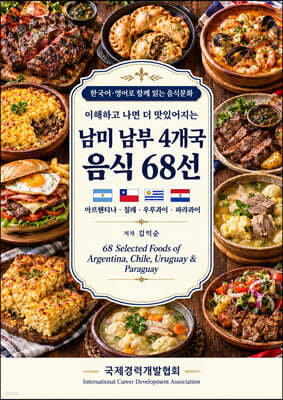
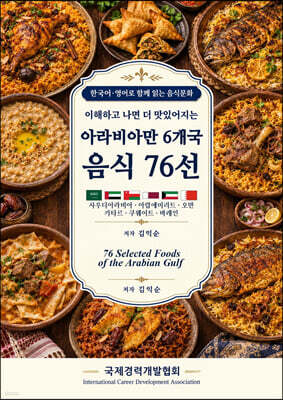


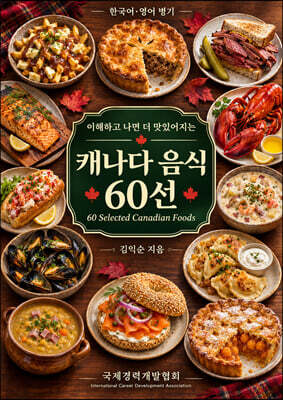
저자는 삼성전자 본사 전략기획총괄 인사팀에서 근무했으며, 외국계 제조기업에서 경영지원 임원으로 일했다. 기업 창업과 운영을 경험한 뒤 조직관리, 교육, 경력개발, 문화 이해에 관한 글과 학습 자료를 꾸준히 제작해 왔다. 국제경력개발협회를 통해 서로 다른 국가와 문화, 일하는 방식을 이해하는 데 필요한 내용을 정리하고 있다.
주요 저술 분야는 국가별 문화 이해, 직장생활, 지식 교양, 디지털 도구 활용 등이다. 대표 저서로 『한국문화 300: 문화공감력 인증』, 『필리핀문화 300: 문화공감력 인증』, 『일본문화 300: 문화공감력 인증』, 『직장생활 A+ 이럴 땐, 어떻게』, 『지적수다를 위한 잡학사전』, 『구글활용전문가되기』 등이 있다. 이 책에서는 역사와 고전 속 장면을 읽고 성어의 의미를 오늘의 언어로 이해할 수 있도록 한자 풀이와 서사적 설명을 결합했다.
The author worked in the human resources team of Samsung Electronics’ Corporate Strategic Planning Office and later held an executive management-support role at a foreign manufacturing company. Drawing on experience in founding and operating businesses, he has produced writing and learning materials on organizational management, education, career development, and cultural understanding. Through the International Career Development Association, he develops resources about differing cultures and ways of working.
His published work spans country-specific cultures, workplace life, general knowledge, and the use of digital tools. Selected titles include 『한국문화 300: 문화공감력 인증』, 『필리핀문화 300: 문화공감력 인증』, 『일본문화 300: 문화공감력 인증』, 『직장생활 A+ 이럴 땐, 어떻게』, 『지적수다를 위한 잡학사전』, and 『구글활용전문가되기』. In this volume, character-by-character explanations are paired with historical narratives to help readers understand classical idioms in the language of the present.
품목정보
- 발행일
- 2026년 11월 16일
- 지원기기
- 크레마, PC(윈도우 - 4K 모니터 미지원), 아이폰, 아이패드, 안드로이드폰, 안드로이드패드, 전자책단말기(저사양 기기 사용 불가)
- 파일/용량
- PDF(DRM) | 98.56MB ?
- 글자 수/ 페이지 수
- 약 1608쪽 ?
- ISBN13
- 9791123178233
출판사 리뷰
|
이 책의 특징은 고사성어를 사전식 뜻풀이에 머무르게 하지 않고, 표현이 만들어지거나 전해진 역사적 장면으로 독자를 다시 데려간다는 데 있다. 관포지교는 ‘깊은 우정’이라는 풀이에 앞서 포숙아가 관중의 몫을 어떻게 이해했는지를 살핀다. 합종연횡은 외교 전략의 이름만 설명하는 대신, 여섯 나라가 왜 힘을 합치기 어려웠는지 각자의 이해관계에서 출발한다. 사면초가 역시 노래가 들렸다는 극적인 순간을 해하에 고립된 군대의 상황과 연결한다. 이렇게 인물의 판단과 사건의 조건을 함께 읽게 하는 방식이 성어를 기억할 실마리를 제공한다.
한자 풀이와 한국식 독음으로 독서의 문턱을 낮추면서도, 기록을 다루는 태도는 비교적 신중하다. 『사기』에 보이는 구천의 쓸개 이야기와 후대의 섶 이미지, 항우의 죽음에 대한 두목의 뒤늦은 상상에서 비롯된 권토중래를 구분하는 대목이 대표적이다. 성어의 네 글자가 반드시 고대 인물의 입에서 그대로 나왔으리라 단정하지 않고, 사건의 시기와 문헌이 쓰인 시기, 원전의 문장과 후대의 관용 표현을 나누어 살핀다. 맹모삼천의 교육 전승이나 호접지몽의 철학적 우화도 그 성격에 맞추어 읽도록 한다. 다양한 시대와 인물을 시간의 흐름에 배치한 구성은 낱말 사이의 연결을 드러낸다. 춘추 제후들의 정치와 약속에서 전국의 개혁·외교·사상으로, 다시 진의 통일과 초한의 대립으로 이어지면서 성어가 서로 무관한 암기 항목이 아니라 당대 사람들이 던진 질문의 흔적임을 보여 준다. 한국어와 영어가 문단별로 이어지는 서술은 같은 이야기를 다른 언어로 확인할 기회를 제공하며, 성어·인물·주제·영문 제목·출전 색인은 순서대로 읽지 않을 때에도 원하는 대목으로 돌아갈 길을 마련한다. 이 책의 유용성은 성어를 더 많이 외우게 하겠다는 약속보다, 익숙한 말을 함부로 단순화하지 않고 읽게 한다는 점에 있다. 짧은 표현 속에 남아 있는 우정과 설득, 권력과 책임, 전쟁과 선택을 실제 기록과 전승의 맥락에서 이해하려는 독자에게 특히 잘 맞는 서술이다. A distinguishing feature of this book is its refusal to stop at dictionary definitions. Instead, it takes readers back to the circumstances in which expressions were formed or transmitted. Gwanpojigyo looks beyond the phrase “deep friendship” to ask how Bao Shuya interpreted Guan Zhong’s conduct. Hapjongyeonhoeng approaches rival diplomatic strategies through the competing interests that made cooperation difficult for six states. Samyeonchoga connects the dramatic sound of songs to the encirclement of Xiang Yu’s exhausted forces at Gaixia. Such attention to choices and circumstances makes the expressions easier to understand as parts of a story rather than isolated definitions. The character guides and Korean readings make the material approachable, while the handling of source texts remains careful. Notable examples include separating Goujian’s tasting of gall, as told in the Shiji, from the firewood imagery attached to Wasinsangdam later, and identifying Gwontojungnae with a later poet’s imagined alternative to Xiang Yu’s death. The book does not assume that every familiar four-character formula was spoken verbatim by an ancient protagonist. It distinguishes the period of an event from the date of the account that records it, and original wording from a subsequent idiom. Educational traditions such as the story of Mencius’s mother and philosophical parables such as the butterfly dream are likewise read in keeping with their literary character. The chronological structure reveals connections among people and ideas. Political commitments among Spring and Autumn rulers lead into Warring States reform, diplomacy, and thought, and then into Qin unification and the Chu–Han conflict. The idioms emerge not as unrelated items for memorization but as traces of questions that mattered to earlier generations. Alternating Korean and English paragraphs allow readers to compare the same account across languages, while indexes by idiom, person, theme, English title, and textual source make individual passages easy to revisit. The book’s strength lies less in promising the rapid memorization of more expressions than in encouraging a more discriminating reading of familiar words. It is particularly useful for readers who wish to understand friendship, persuasion, authority, responsibility, warfare, and choice in the historical and literary contexts that shaped their enduring phrases. |
