
크레마 터치, 크레마원 기본뷰어 이용불가
상세 이미지

소개
목차
|
서문 | Preface 제1부 · 아르헨티나 | Argentina 제2부 · 칠레 | Chile 제3부 · 우루과이 | Uruguay 제4부 · 파라과이 | Paraguay |
저자 소개 1
저자는 특이한 경력의 소유자다. ‘삼성전자(대기업)+한소프트넷(벤처기업)+창업+겸임교수’ 업무를 경험하였고, 그동안의 경험을 실전 현장인 자동차 금형 제조공장에서 공장장으로 근무하면서 바코드를 활용한 무인화된 재고관리, 구글 계정을 활용한 전자결재 및 중앙 데이터베이스화, 자체 온라인 교육센터 구축 및 평가 보상 체계 마련, 셀프 리더십으로 함께하는 5S3정 시행, 실시간 공정 협업이 실무적으로 가능한 스마트 팩토리 체계 등을 도입하였다.
코로나19 사태로 ‘기업의 패러다임도 바뀌어야 한다.’며 국제경력개발협회 산하 기업역량강화센터를 이러닝으로 구축하여 널리 보급하고자 활동하고 있다.
김익순의 다른 상품


저자는 국제경력개발협회 협회장이자 한국어 교원으로, 언어와 생활문화의 관계를 탐구하는 교육 콘텐츠를 집필하고 있습니다. 삼성전자 전략기획총괄 인사팀에서 쌓은 실무 경험을 바탕으로 사람과 조직, 서로 다른 문화가 만나는 장면을 살펴왔습니다. 한국어·국가문화·스마트워크·경력개발을 잇는 집필과 교육 활동을 이어가고 있습니다.
Kim Ik-soon is President of the International Career Development Association and a Korean-language teacher. His writing explores the relationship between language and everyday culture. Drawing on experience in the Strategic Planning Human Resources Team at Samsung Electronics, he examines the ways people, organisations and cultures meet. His educational work also spans Korean language, national cultures, smart work and career development.
관련 분류
- 카테고리 분류
품목정보
- 발행일
- 2026년 11월 17일
- 지원기기
- 크레마, PC(윈도우 - 4K 모니터 미지원), 아이폰, 아이패드, 안드로이드폰, 안드로이드패드
- 파일/용량
- PDF(DRM) | 37.47MB ?
- 글자 수/ 페이지 수
- 약 338쪽 ?
- ISBN13
- 9791123178264
출판사 리뷰
|
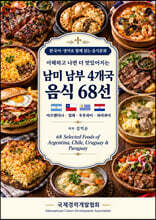
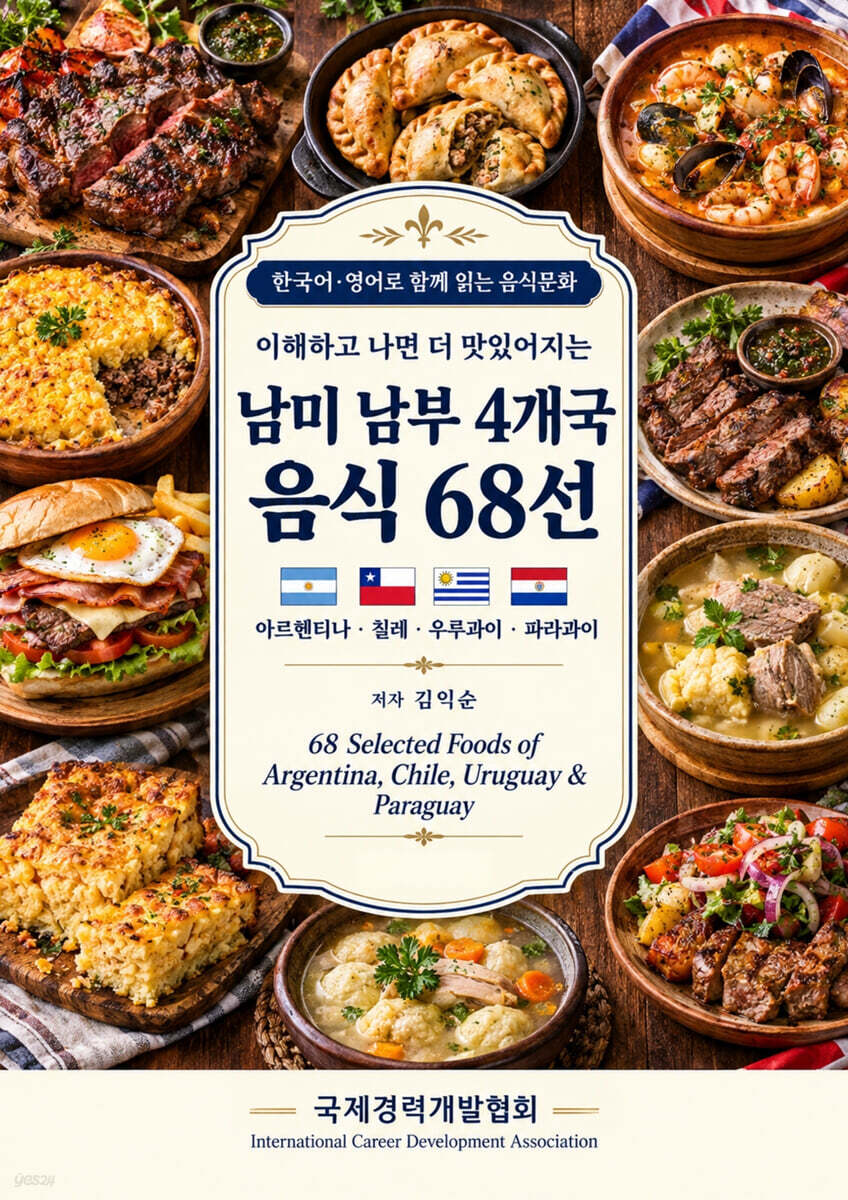
이 책의 특징은 음식의 이름, 실제 재료, 조리 과정과 먹는 장면을 하나의 설명 속에서 연결한다는 점이다. 우루과이의 치비토가 이름 때문에 염소고기 음식으로 오해될 수 있다는 점을 바로잡고, 파라과이의 소파 파라과야가 국물 수프가 아니라 옥수수와 치즈를 구운 음식임을 보여 주는 식이다. 독자는 현지 메뉴의 낯선 단어를 뜻풀이로만 받아들이지 않고 접시에 놓일 음식의 모양과 맛까지 예상할 수 있다. 특히 비슷한 요리를 국가별로 나란히 살펴보는 방식이 유용하다. 아르헨티나·우루과이·파라과이의 아사도는 모두 불에 고기를 굽는 음식이지만, 불의 관리, 함께 먹는 재료, 모임의 분위기를 설명하는 방식에 차이가 있다. 밀라네사와 양파를 올린 피자 계열에서도 이름이 닮았다고 같은 조리법이라고 단정하지 않는다. 이러한 비교는 특정 국가가 모든 요리의 유일한 발상지라는 식의 단순한 설명을 피하고, 국경을 넘나들며 변화한 음식문화의 실제 모습을 이해하도록 돕는다. 자료를 활용하는 태도도 눈여겨볼 부분이다. 부에노스아이레스의 관광 안내, 칠레의 음식문화 기록, 우루과이의 현지 언어 사전, 파라과이의 음식 관련 공공 자료를 음식의 설명에 연결하면서, 특정 식당의 일화나 한 지역의 조리법을 모든 가정에 통용되는 사실처럼 확대하지 않으려 한다. 재료·조리·문화적 배경을 구분해 읽을 수 있어 음식 이름과 역사적 이야기를 혼동할 가능성을 줄인다. 한국어와 영어가 함께 실려 있고 각 음식 끝에 대화를 시작할 질문이 이어지는 구성은 여행이나 문화 교류의 실제 장면과도 잘 맞는다. 모든 요리를 따라 만드는 조리서라기보다는 한 접시를 보고 설명하고 질문할 수 있도록 돕는 음식문화 해설서로 읽을 때 책의 목적이 분명해진다. "A defining feature of this book is the way it brings together food names, actual ingredients, preparation and the setting in which a meal is enjoyed. It explains why Uruguay's chivito should not be mistaken for a goat-meat dish merely because of its name, and why Paraguay's sopa paraguaya is baked from corn and cheese rather than served as a liquid soup. Readers are therefore given more than definitions of unfamiliar menu words: they can also picture the appearance and flavours of the dish likely to arrive at the table." "The country-by-country treatment of related foods is particularly useful. Asado in Argentina, Uruguay and Paraguay shares the basic practice of grilling meat over fire, but the discussion draws out differences in managing the heat, choosing accompaniments and understanding a gathering around the meal. The same care appears in discussions of milanesa and onion-topped pizza-like preparations: similar names are not treated as proof of identical recipes. Such comparisons av-oid simplistic claims that one country alone invented every shared dish and help readers understand culinary traditions that have travelled and changed across borders." The handling of supporting information is another strength. The text draws on Buenos Aires tourism guidance, Chilean food-culture records, Uruguayan dictionaries of local usage and Paraguayan public culinary materials. It is cautious about turning an anecdote from one restaurant, or a d-ocumented recipe from one region, into a universal rule for every household. Keeping ingredients, cooking practices and cultural contexts in view also reduces the risk of confusing a dish's history with a popular story about its origin. The Korean–English presentation and the conversation questions at the end of each discussion suit situations such as travel and intercultural exchange. The book is most effectively read not as a manual promising exact recipes for every meal, but as a guide that equips readers to recognise, describe and ask informed questions about the food they encounter. |
