
크레마 터치, 크레마원 기본뷰어 이용불가
상세 이미지

소개
목차
|
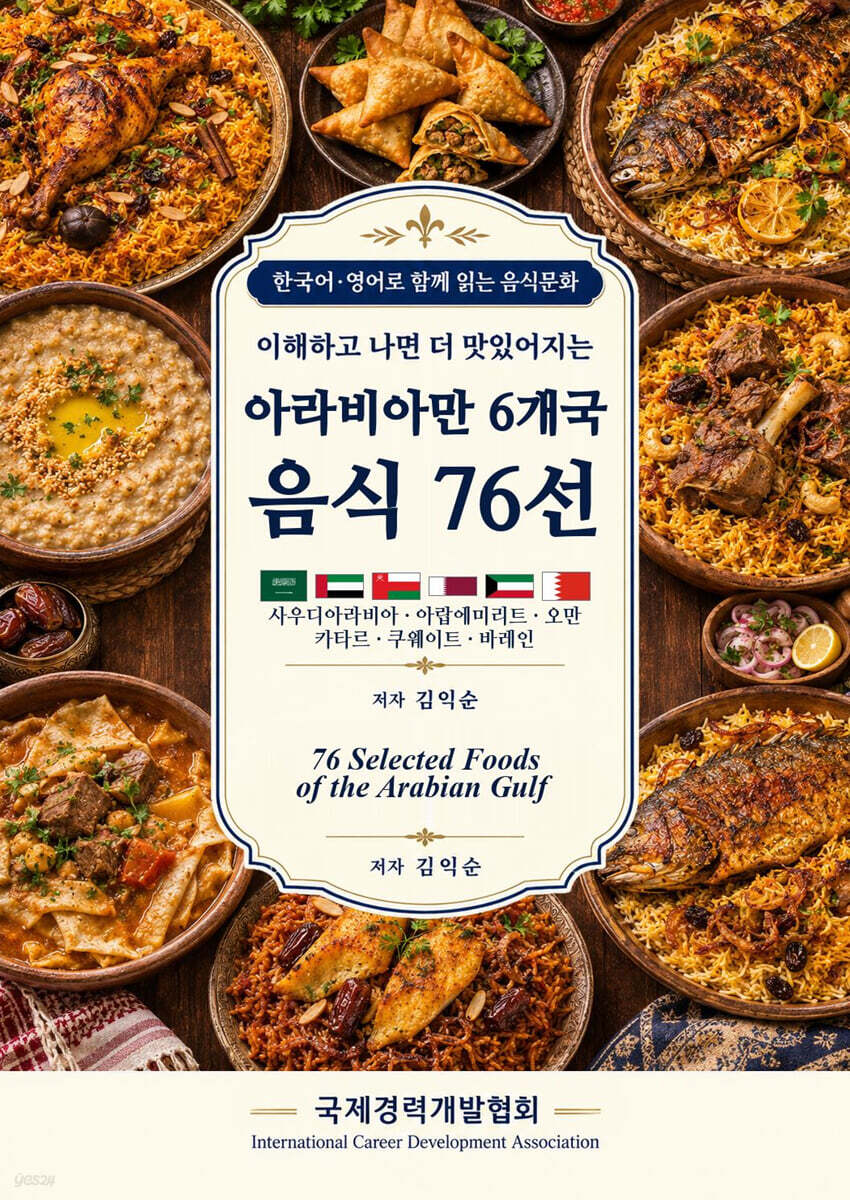
목차 제1부 사우디아라비아 제2부 아랍에미리트 제3부 오만 제4부 카타르 제5부 쿠웨이트 제6부 바레인 |
저자 소개 1
저자는 특이한 경력의 소유자다. ‘삼성전자(대기업)+한소프트넷(벤처기업)+창업+겸임교수’ 업무를 경험하였고, 그동안의 경험을 실전 현장인 자동차 금형 제조공장에서 공장장으로 근무하면서 바코드를 활용한 무인화된 재고관리, 구글 계정을 활용한 전자결재 및 중앙 데이터베이스화, 자체 온라인 교육센터 구축 및 평가 보상 체계 마련, 셀프 리더십으로 함께하는 5S3정 시행, 실시간 공정 협업이 실무적으로 가능한 스마트 팩토리 체계 등을 도입하였다.
코로나19 사태로 ‘기업의 패러다임도 바뀌어야 한다.’며 국제경력개발협회 산하 기업역량강화센터를 이러닝으로 구축하여 널리 보급하고자 활동하고 있다.
김익순의 다른 상품
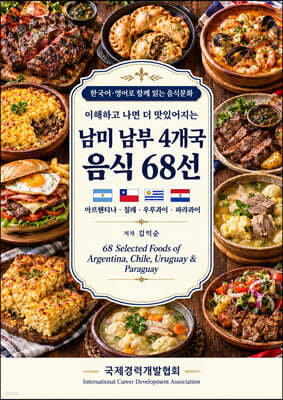
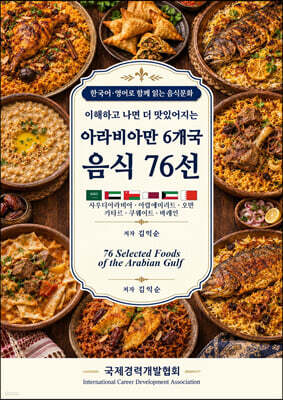
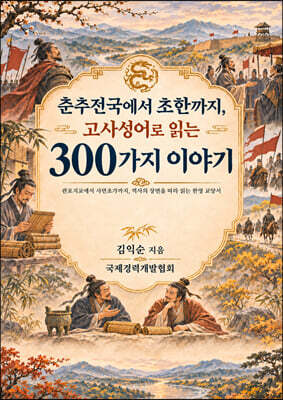


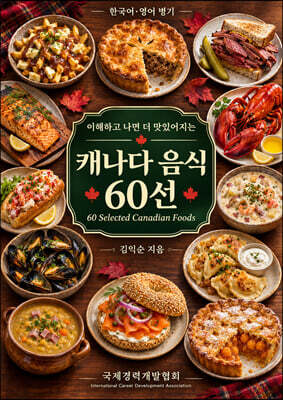
저자는 삼성전자 본사 전략기획총괄 인사팀에서 인사 업무를 담당했으며, 외국계 제조기업의 경영지원 임원으로 활동했습니다. 또한 기업을 직접 창업하고 운영하면서 인적자원개발, 조직관리, 교육, 경력개발 및 직장 내 의사소통 분야에서 폭넓은 경험을 쌓았습니다. 현재 국제경력개발협회 협회장으로 활동하며 국가와 지역의 문화, 음식, 언어, 생활 관습을 이해하는 데 도움이 되는 교육 콘텐츠와 도서를 기획·집필하고 있습니다.
저자는 서로 다른 국가와 지역의 문화를 이해하는 일이 원활한 의사소통과 국제적 교류의 중요한 출발점이라는 관점에서 집필 활동을 이어가고 있습니다. 특히 음식은 한 지역의 자연환경과 역사, 생활방식, 사람들의 가치관을 이해할 수 있는 친숙한 문화적 매개체라는 점에 주목합니다. 『아라비아만 6개국 음식 76선』에서는 사우디아라비아, 아랍에미리트, 오만, 카타르, 쿠웨이트, 바레인의 음식에 담긴 재료와 조리법, 지역별 식문화와 식사 관습을 살펴봅니다. 비슷한 음식의 공통점과 차이점을 구체적인 사례로 설명하고, 독자가 현지의 음식과 문화를 이해하며 자연스럽게 대화를 이어갈 수 있도록 구성했습니다.
주요 저서로는 『필리핀문화 300: 문화공감력 인증』, 『일본문화 300: 문화공감력 인증』, 『글로벌 문화 실수 100』, 『대한민국 다문화가족 실무백과 2026』, 『직장생활 A+ 이럴 땐, 어떻게』 등이 있습니다. 국가별 문화와 생활, 다문화 이해, 조직관리 및 경력개발에 이르는 다양한 주제를 독자의 실제 생활과 연결하여 설명하는 저술 활동을 지속하고 있습니다.
The author worked in human resources at Samsung Electronics' Corporate Strategic Planning Office and later served as a management support executive at a foreign-owned manufacturing company. He also founded and managed businesses, gaining extensive experience in human resource development, organizational management, education, career development, and workplace communication. He currently serves as president of the International Career Development Association, where he develops educational content and books designed to help readers understand the cultures, cuisines, languages, and everyday customs of different countries and regions.
His writing is guided by the view that understanding different cultures is an important foundation for effective communication and international exchange. He pays particular attention to food as an accessible way to explore a region's natural environment, history, lifestyle, and cultural values. In 76 Selected Foods of the Arabian Gulf, he examines the ingredients, cooking methods, regional food traditions, and dining customs of Saudi Arabia, the United Arab Emirates, Oman, Qatar, Kuwait, and Bahrain. Through specific examples, the book explains similarities and differences among related dishes and helps readers develop a deeper understanding of local food cultures while finding natural opportunities for conversation.
His major publications include 『필리핀문화 300: 문화공감력 인증』, 『일본문화 300: 문화공감력 인증』, 『글로벌 문화 실수 100』, 『대한민국 다문화가족 실무백과 2026』, and 『직장생활 A+ 이럴 땐, 어떻게』. He continues to write across a range of subjects, including national cultures, everyday life, multicultural understanding, organizational management, and career development, with an emphasis on connecting knowledge to practical situations.
관련 분류
- 카테고리 분류
품목정보
- 발행일
- 2026년 11월 19일
- 지원기기
- 크레마, PC(윈도우 - 4K 모니터 미지원), 아이폰, 아이패드, 안드로이드폰, 안드로이드패드
- 파일/용량
- PDF(DRM) | 78.01MB ?
- 글자 수/ 페이지 수
- 약 430쪽 ?
- ISBN13
- 9791123178257
출판사 리뷰
|
이 책의 특징은 익숙하지 않은 음식 이름을 단순히 번역하거나 사진에 설명을 붙이는 데서 멈추지 않고, 재료의 상태와 조리 순서가 맛의 차이를 만드는 과정을 따라간다는 데 있다. 자리시와 살리그는 모두 부드러운 곡물 음식이지만 부순 밀의 입자와 쌀이 흡수한 육수라는 서로 다른 기준으로 설명된다. 마르쿠크와 마타지즈를 구별할 때에는 반죽의 크기와 형태, 국물에 넣는 방법을 살핀다. 독자는 외형이 비슷한 음식을 구체적인 조리 기술로 구분하는 방식을 배울 수 있다. 또 다른 강점은 국가별 목록을 단절된 요리 모음으로 만들지 않는 점이다. 마치부스와 하리스, 마드루바처럼 여러 나라에서 만나는 음식을 반복해서 다루되, 어느 나라의 어떤 재료와 식사 장면을 기준으로 설명하는지 밝힌다. 두바이의 비리야니와 샤와르마, 도하의 차파티와 레반트식 음식은 현지의 식탁이 전통 음식만으로 이루어져 있지 않다는 사실을 드러낸다. 바레인의 무함마르에서는 단맛을 낸 쌀과 짭짤한 생선의 조합이 한 지역의 맛을 이해하는 실마리가 된다. 설명은 대표 음식이라는 문화적 인정과 최초 발명 지역이라는 역사적 주장을 구별하는 신중한 태도를 유지한다. 정부·관광·문화 기관의 기록을 근거로 소개하면서도 한 자료를 모든 가정의 표준 조리법으로 일반화하지 않으려는 점이 눈에 띈다. 글 끝의 질문은 읽은 정보를 단순 암기에 머무르게 하지 않고, 현지에서 무엇을 물어볼지 생각하게 한다. 중동 음식이 생소한 독자에게는 기본 어휘와 식재료를 익히는 길잡이가 되고, 여행 경험이 있는 독자에게는 같은 요리 이름 뒤에 남아 있는 지역적 차이를 다시 살펴보는 계기가 된다. The distinguishing feature of this book is that it does more than translate unfamiliar dish names or describe what food looks like. It follows the way the condition of an ingredient and the order of cooking produce differences in taste. Jareesh and Saleeg are both soft grain-based dishes, but the book explains them through different culinary principles: the texture of cracked wheat and rice infused with stock. When comparing Marqooq and Matazeez, it examines the size and shape of the dough and how that dough enters the broth. Such comparisons help readers distinguish similar-looking foods by their preparation methods. Another strength is that the country-by-country arrangement does not present six isolated collections of recipes. Related dishes, including Machboos, Harees, and Madrooba, recur across national sections, but the text identifies the ingredients and dining contexts relevant to each account. Biryani and shawarma in Dubai, together with chapati and Levantine dishes in Doha, show that contemporary local tables are not limited to food labeled traditional. In Bahrain, the combination of sweetened Muhammar rice and savory fish illustrates how a distinctive pairing can reveal the character of a regional meal. The explanations carefully distinguish cultural recognition of a national or regional dish from historical claims about its place of invention. Although government, tourism, and cultural records are used as sources, the book refrains from treating any single recorded recipe as a universal standard for every household. Its closing questions encourage readers to consider what they might ask while dining rather than merely memorizing facts. For readers unfamiliar with Arabian Gulf food, the work provides an entry point into ingredients and culinary vocabulary. For those who have already visited the region, it offers a framework for revisiting differences concealed by shared dish names. |