
소득공제
수입
직수입양서
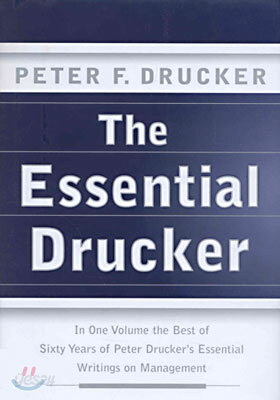
The Essential Drucker: In One Volume the Best of Sixty Years of Peter Drucker's Essential Writings on Management
In One Volume the Best of Sixty Years of Peter Drucker's Essential Writings on Management
Hardcover
Harper Business
2001.09.01.
이미 소장하고 있다면 판매해 보세요.
- 국내배송만 가능
- 해외 거래처 사정에 의하여 품절/지연 가능
- 도서 정보 중 미표기 사항 안내?
- 문화비소득공제 가능
책소개
목차
|
1. Management
Management as Social Function and Liberal Art The Dimensions of Management The Purpose and Objectives of a Business What the Nonprofits Are Teaching Business Social Impacts and Social Problems Management's New Paradigms The Information Executives Need Today Management by Objectives and Self-Control Picking People - The Basic Rules The Entrepreneurial Business The New Venture Entrepreneurial Strategies 2. The Individual Effectiveness must Be Learned Focus on Contribution Know Your Strengths and Values Know Your Time Effective Decisions Functioning Communications Leadership as Work Principles of Innovation The Second Half of Your Life The Educated Person 3. Society A Century of Social Transformation - Emergence of Knowledge Society Citizenship Through the Social Sector From Analysis to Perception - The New Worldview |
저자 소개 1
Peter Ferdinand Drucker, Peter F. Drucker,ドラッカ-, ピ-タ-.F.
시대를 앞서가는 경영철학과 미래사회에 대한 탁월한 통찰력으로 널리 알려진 피터 드러커는 1909년 11월 오스트리아 빈에서 공무원인 아버지와 의사인 어머니 사이에 장남으로 태어났다. 1931년 프랑크푸르트 대학에서 국제 법학박사 학위를 받았으며, 1933년 영국으로 건너가 은행, 보험회사, 증권회사 등에 근무했다. 1937년 미국으로 이주한 뒤에는 사라 로렌스 대학, 베닝턴 대학, 뉴욕 대학에서 강의하는 한편 GM, GE와 같은 기업들에 대한 컨설팅을 담당했다.
1939년 최초의 저서 『경제인의 종말』을 출판한 이래 드러커는 정치, 경제, 그리고 사회 문제에 대해 날카로운
시대를 앞서가는 경영철학과 미래사회에 대한 탁월한 통찰력으로 널리 알려진 피터 드러커는 1909년 11월 오스트리아 빈에서 공무원인 아버지와 의사인 어머니 사이에 장남으로 태어났다. 1931년 프랑크푸르트 대학에서 국제 법학박사 학위를 받았으며, 1933년 영국으로 건너가 은행, 보험회사, 증권회사 등에 근무했다. 1937년 미국으로 이주한 뒤에는 사라 로렌스 대학, 베닝턴 대학, 뉴욕 대학에서 강의하는 한편 GM, GE와 같은 기업들에 대한 컨설팅을 담당했다.
1939년 최초의 저서 『경제인의 종말』을 출판한 이래 드러커는 정치, 경제, 그리고 사회 문제에 대해 날카로운 시각을 제시하며, 현대 조직 및 현대 경영학계의 가장 영향력 있는 사상가로 자리매김했다. 1971년부터 캘리포니아 주 클레어몬트 대학의 피터 드러커 경영대학원에서 경영학과 사회과학을 강의했으며, 피터 드러커 비영리 재단의 명예 이사장을 역임했다. 30년 이상 국내외에 걸쳐 기업, 공공기관, 정부 등에 대해 전략을 수립하고 또 분석해주는 자문 교수 및 컨설턴트로 일했으며, 세계 5개국으로부터 10개의 명예박사 학위를 받았다. 2005년 11월 11일 96세의 나이로 별세했다. 저서로는 『넥스트 소사이어티』 『기업가 정신』 『위대한 혁신』 『혼란기의 경영』 『경영의 실제』 『리더의 도전』 『피러 드러커 자서전』 등이 있다.
1939년 최초의 저서 『경제인의 종말』을 출판한 이래 드러커는 정치, 경제, 그리고 사회 문제에 대해 날카로운 시각을 제시하며, 현대 조직 및 현대 경영학계의 가장 영향력 있는 사상가로 자리매김했다. 1971년부터 캘리포니아 주 클레어몬트 대학의 피터 드러커 경영대학원에서 경영학과 사회과학을 강의했으며, 피터 드러커 비영리 재단의 명예 이사장을 역임했다. 30년 이상 국내외에 걸쳐 기업, 공공기관, 정부 등에 대해 전략을 수립하고 또 분석해주는 자문 교수 및 컨설턴트로 일했으며, 세계 5개국으로부터 10개의 명예박사 학위를 받았다. 2005년 11월 11일 96세의 나이로 별세했다. 저서로는 『넥스트 소사이어티』 『기업가 정신』 『위대한 혁신』 『혼란기의 경영』 『경영의 실제』 『리더의 도전』 『피러 드러커 자서전』 등이 있다.
피터 F. 드러커의 다른 상품
-
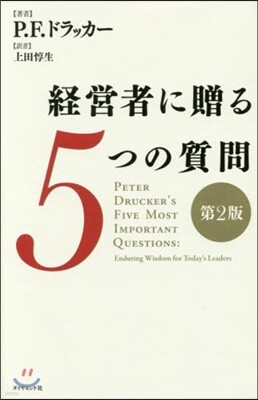
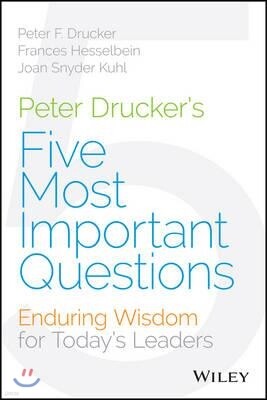
Peter Drucker's Five Most Important Questions: Enduring Wisdom for Today's Leaders 이동Peter Drucker's Five Most Important Questions: Enduring Wisdom for Today's Leaders33,000원 18%




관련 분류
품목정보
예스24 리뷰
|
기업 경영 뿐 아니라 경영자나 직장인 등 개인의 자기 관리, 나아가 사회의 관리 조직 등 경영의 원칙에 있어 폭넓은 시각을 제시해온 피터 드러커가 처음 책을 출간한지 60 여년이 흘렀다.
그동안 그는 경영분야와 더불어 경제학, 정치학, 미래학에 있어서 날카로운 분석력과 통찰력으로 수많은 기초 원칙들을 밝혀왔다. 지금까지 총 12권의 저서를 출간했고, 이 책 『The Essential Drucker』에서 우리의 사고에 많은 영향을 주어온 그간의 이론들을 총정리해놓았다. 이 책은 조직과 개인, 사회에서의 경영 이론들이 총 26개의 섹션으로 나뉘어 설명되어 있고, 기초 원리에서부터 발생하는 문제점들과 해결방안 등이 광범위하게 제시된다. 1954년 『The Practice of Management』에서부터 1999년 『Management Challenges for the 21st Century』에 이르기까지 60년에 걸친 드러커의 이론과 사상, 체계가 집약되어 있는 이 책에서 드러커는 경영의 원리와 함께 자신이 제시해온 이론을 개론식으로 설명하고 있어 경영학자 뿐 아니라 일반인들에게도 드러커의 이론과 경영학의 기초를 이해하는데 큰 도움을 줄 것이다. |
책 속으로
|
More and more people in the workforce and most knowledge workers will have to manage themselves. They will have to place themselves where they can make the greatest contirbution; they will have to learn to develop themselves. They will have to learn to stay young and mentally alive during a fifty-year working life. They will have to learn how and when to change what they do, how they do it, and when they do it.
Knowledge workers are likely to outlive their employing organization. Even if knowledge workers postpone entry into the labor force as long as possible - if, for instance, they stay in school till their late twenties to get a doctorate - they are likely, with present life expectancies in the developed countries, to live into their eighties. And they are likely to have to keep working, of only part-time, until they are around seventy-five or older. The average working life, in other words, is likely to be fifty years, especially for knowledge workers. But the average life expectancy of a successful business is only thirty years - and in a period of great turbulence such as the one we are living in, it is unlikely to be even that long. Increasingly, therefore, workers, and especially knowledge workers, will outlive any one employer, and will have to be prepared for more than one job, more than one assignment, more than one career. --- pp.217-218 |
사락 별점0
혜택 및 유의사항밑줄0
혜택 및 유의사항상품정보안내
직수입외서의 경우, 해외거래처에서 제공하는 정보가 부족하여 제목, 표지, 가격, 유통상태 등의 정보가 미비하거나 변경되는 경우가 있습니다. 정확한 확인을 원하시는 경우, 일대일 상담으로 문의하여 주시면 답변 드리겠습니다.
(판형과 판수 등이 다양한 도서는 찾으시는 도서의 ISBN을 알려 주시면 보다 빠르고 정확한 안내가 가능합니다.)
해외거래처에서 품절인 경우, 2차 거래선을 통해 유럽과 미국 출판사로 직접 수입이 진행될 수 있습니다.
수입 진행 시점으로 부터 2~3주가 추가로 소요되며, 해외에서도 유통이 원활하지 않은 도서는 품절 안내가 지연될 수 있습니다.
해당 경우, 문자와 메일로 별도 안내를 드리고 있사오니 마이페이지에서 휴대전화번호와 메일주소를 다시 한번 확인해주시기 바랍니다.
(판형과 판수 등이 다양한 도서는 찾으시는 도서의 ISBN을 알려 주시면 보다 빠르고 정확한 안내가 가능합니다.)
해외거래처에서 품절인 경우, 2차 거래선을 통해 유럽과 미국 출판사로 직접 수입이 진행될 수 있습니다.
수입 진행 시점으로 부터 2~3주가 추가로 소요되며, 해외에서도 유통이 원활하지 않은 도서는 품절 안내가 지연될 수 있습니다.
해당 경우, 문자와 메일로 별도 안내를 드리고 있사오니 마이페이지에서 휴대전화번호와 메일주소를 다시 한번 확인해주시기 바랍니다.