이미 소장하고 있다면 판매해 보세요.
- 국내배송만 가능
- 문화비소득공제 가능
책소개
저자 소개 1
Umberto Eco,움베르트 에코
철학자이자 기호학자 및 소설가. 1975년부터 볼로냐 대학에서 기호학 교수로 건축학, 기호학, 미학 등을 강의했다. 유럽과 미국의 여러 대학에서 총 42개에 달하는 명예박사 학위를 받았으며 세계 각지에서 수많은 명예 훈장을 받았다. 유럽 문명의 역사를 다룬 멀티미디어 백과사전 엔사이클로미디어Encyclomedia를 기획, 제작했다.
에코의 이름을 알린 소설 『장미의 이름』은 40여 개국에 번역돼 3천만 부 이상이 판매되었다. 이 소설로 프랑스 메디치 상을 비롯해 각종 문학상을 휩쓸며 세계적 작가로 발돋움하게 된다.
그러나 그의 학문적 출발점은 철학이었다. 토리노 대학에
철학자이자 기호학자 및 소설가. 1975년부터 볼로냐 대학에서 기호학 교수로 건축학, 기호학, 미학 등을 강의했다. 유럽과 미국의 여러 대학에서 총 42개에 달하는 명예박사 학위를 받았으며 세계 각지에서 수많은 명예 훈장을 받았다. 유럽 문명의 역사를 다룬 멀티미디어 백과사전 엔사이클로미디어Encyclomedia를 기획, 제작했다.
에코의 이름을 알린 소설 『장미의 이름』은 40여 개국에 번역돼 3천만 부 이상이 판매되었다. 이 소설로 프랑스 메디치 상을 비롯해 각종 문학상을 휩쓸며 세계적 작가로 발돋움하게 된다.
그러나 그의 학문적 출발점은 철학이었다. 토리노 대학에서 토마스 아퀴나스의 미학에 관한 논문으로 박사 학위를 받은 뒤, 볼로냐 대학에서 기호학 교수가 되었고, 『일반 기호학 이론』, 『구조의 부재』 등 기호학 분야의 고전으로 평가받는 책을 펴냈다. 소설가이자 학자로서 그는 스스로를 ‘주말에는 소설을 쓰는 진지한 철학자’라고 생각했고, 자신의 백과사전적 지식을 분야와 장르에 구애받지 않고 마음껏 펼쳤다.
작품으로 장편소설 『장미의 이름』과 『푸코의 진자』, 『전날의 섬』 , 이론서 『토마스 아퀴나스의 미학의 문제』, 『대중의 슈퍼맨(대중문화의 이데올로기)』, 『논문 잘 쓰는 방법』 등이 있다.
에코의 이름을 알린 소설 『장미의 이름』은 40여 개국에 번역돼 3천만 부 이상이 판매되었다. 이 소설로 프랑스 메디치 상을 비롯해 각종 문학상을 휩쓸며 세계적 작가로 발돋움하게 된다.
그러나 그의 학문적 출발점은 철학이었다. 토리노 대학에서 토마스 아퀴나스의 미학에 관한 논문으로 박사 학위를 받은 뒤, 볼로냐 대학에서 기호학 교수가 되었고, 『일반 기호학 이론』, 『구조의 부재』 등 기호학 분야의 고전으로 평가받는 책을 펴냈다. 소설가이자 학자로서 그는 스스로를 ‘주말에는 소설을 쓰는 진지한 철학자’라고 생각했고, 자신의 백과사전적 지식을 분야와 장르에 구애받지 않고 마음껏 펼쳤다.
작품으로 장편소설 『장미의 이름』과 『푸코의 진자』, 『전날의 섬』 , 이론서 『토마스 아퀴나스의 미학의 문제』, 『대중의 슈퍼맨(대중문화의 이데올로기)』, 『논문 잘 쓰는 방법』 등이 있다.
움베르토 에코의 다른 상품
-
The Name of the Rose: Introduction by David Lodge 이동The Name of the Rose: Introduction by David Lodge44,600원 18%


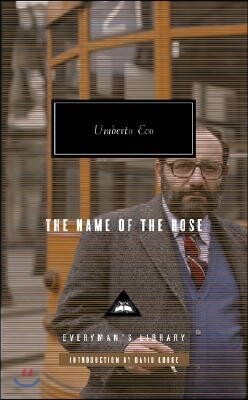

품목정보
- 발행일
- 1994년 09월 01일
- 쪽수, 무게, 크기
- 536쪽 | 630g | 134*203*36mm
- ISBN13
- 9780156001311
예스24 리뷰
|
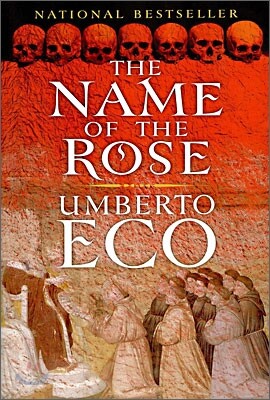
움베르트 에코가 1980년 『Il nome della rosa』라는 제목을 달아 이탈리아판으로 출간한 이 책은 그 유명한『장미의 이름』의 영문판이다. 살인사건을 다룬 소설이긴 하지만, 단순한 추리소설이라기보다는 철학과 역사의 관점에서 "진리란 무엇인가"라는 질문에 대한 해답을 찾는 인문서에 가깝다는 평을 듣고 있다.
50세의 수도사 윌리엄이 베네딕트 수도원에서 일어난 의문의 죽음을 조사하기 위해 잠입하면서 이야기는 시작된다. 조사가 진행되면서 묵시록의 예언에 따라 연쇄적으로 수도사들이 죽어가는데... 중세 암흑시대의 암울한 분위기 속에서 진리 탐구의 희열와 인간 내면에 숨겨진 은밀한 본성을 탁월하게 표현하고 있는 역작이다. |
책 속으로
|
"The library is testimony to truth and to error," Jorge said.
"Undoubtedly Apuleius and Lucian were reputed to be magicians," William said. "But this fable, beneath the veil of its fictions, contains also a good moral, for it teaches how we pay for our errors, and furthermore, I believe that the story of the man transformed into an ass refers to the metamorphoses of the soul that falls into sin." "That may be," Jorge said. "But now I understand why, during that conversation of which I was told yesterday, Venantius was so interested in the problems of comedy; in fact, fables of this sort can also be considered kin to the comedies of the ancients. Both tell not of men who really exested, as tragedies do; on the contrary, as Isidore says, they are fiction; 'fabulas poetae a fando nominaverunt, quia non sunt res factae sed tantum loquendo fictae..." (중략) "Baths are a good thing," Jorge said, "and Aquinas himself advises them for dispelling sadness, which can be a bad passion when it is not addressed to an evil that can be dispelled through boldness. Baths restore the balance of the humors. Laughter shakes the body, distorts the features of the face, make man similar to the monkey." "Monkeys do not laugh; laughter is proper to man, it is a sign of his rationality," William said. ---pp.130-131 |
|
"The library is testimony to truth and to error," Jorge said.
"Undoubtedly Apuleius and Lucian were reputed to be magicians," William said. "But this fable, beneath the veil of its fictions, contains also a good moral, for it teaches how we pay for our errors, and furthermore, I believe that the story of the man transformed into an ass refers to the metamorphoses of the soul that falls into sin." "That may be," Jorge said. "But now I understand why, during that conversation of which I was told yesterday, Venantius was so interested in the problems of comedy; in fact, fables of this sort can also be considered kin to the comedies of the ancients. Both tell not of men who really exested, as tragedies do; on the contrary, as Isidore says, they are fiction; 'fabulas poetae a fando nominaverunt, quia non sunt res factae sed tantum loquendo fictae..." (중략) "Baths are a good thing," Jorge said, "and Aquinas himself advises them for dispelling sadness, which can be a bad passion when it is not addressed to an evil that can be dispelled through boldness. Baths restore the balance of the humors. Laughter shakes the body, distorts the features of the face, make man similar to the monkey." "Monkeys do not laugh; laughter is proper to man, it is a sign of his rationality," William said. ---pp.130-131 |
사락 별점0
혜택 및 유의사항밑줄0
혜택 및 유의사항상품정보안내
직수입외서의 경우, 해외거래처에서 제공하는 정보가 부족하여 제목, 표지, 가격, 유통상태 등의 정보가 미비하거나 변경되는 경우가 있습니다. 정확한 확인을 원하시는 경우, 일대일 상담으로 문의하여 주시면 답변 드리겠습니다.
(판형과 판수 등이 다양한 도서는 찾으시는 도서의 ISBN을 알려 주시면 보다 빠르고 정확한 안내가 가능합니다.)
해외거래처에서 품절인 경우, 2차 거래선을 통해 유럽과 미국 출판사로 직접 수입이 진행될 수 있습니다.
수입 진행 시점으로 부터 2~3주가 추가로 소요되며, 해외에서도 유통이 원활하지 않은 도서는 품절 안내가 지연될 수 있습니다.
해당 경우, 문자와 메일로 별도 안내를 드리고 있사오니 마이페이지에서 휴대전화번호와 메일주소를 다시 한번 확인해주시기 바랍니다.
(판형과 판수 등이 다양한 도서는 찾으시는 도서의 ISBN을 알려 주시면 보다 빠르고 정확한 안내가 가능합니다.)
해외거래처에서 품절인 경우, 2차 거래선을 통해 유럽과 미국 출판사로 직접 수입이 진행될 수 있습니다.
수입 진행 시점으로 부터 2~3주가 추가로 소요되며, 해외에서도 유통이 원활하지 않은 도서는 품절 안내가 지연될 수 있습니다.
해당 경우, 문자와 메일로 별도 안내를 드리고 있사오니 마이페이지에서 휴대전화번호와 메일주소를 다시 한번 확인해주시기 바랍니다.