
소득공제
외서
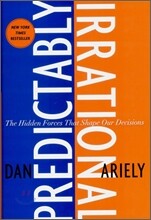
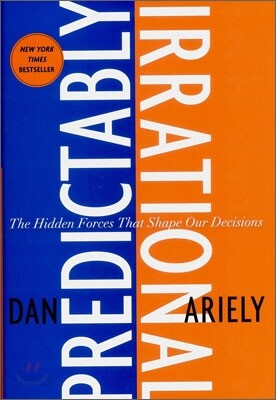
Predictably Irrational
The Hidden Forces That Shape Our Decisions
Hardcover, Rough-Cut Edition
댄 애리얼리 저
HarperCollins
2008.02.19.
- 번역서
- 상식 밖의 경제학
- 옆면을 일부러 거칠게 편집한 소장용 Rough Cut 판본입니다.
이미 소장하고 있다면 판매해 보세요.
- 국내배송만 가능
- 문화비소득공제 가능
책소개
목차
|
Introduction: How an Injury Led Me to Irrationality and to the Research Described Here
The Truth about Relativity: Why Everything Is Relative-Even When It Shouldn't Be The Fallacy of Supply and Demand: Why the Price of Pearls-and Everything Else-Is Up in the Air The Cost of Zero Cost: Why We Often Pay Too Much When We Pay Nothing The Cost of Social Norms: Why We Are Happy to Do Things, but Not When We Are Paid to Do Them The Influence of Arousal: Why Hot Is Much Hotter Than We Realize The Problem of Procrastination and Self-Control: Why We Can't Make Ourselves Do What We Want to Do The High Price of Ownership: Why We Overvalue What We Have Keeping Doors Open: Why Options Distract Us from Our Main Objective The Effect of Expectations: Why the Mind Gets What It Expects The Power of Price: Why a 50-Cent Aspirin Can Do What a Penny Aspirin Can't The Context of Our Character, Part I: Why We Are Dishonest, and What We Can Do about It The Context of Our Character, Part II: Why Dealing with Cash Makes Us More Honest Beer and Free Lunches: What Is Behavioral Economics, and Where Are the Free Lunches? Thanks List of Collaborators Notes Bibliography and Additional Readings Index |
저자 소개 1
Dan Ariely
듀크대학교 심리학 및 행동경제학부 교수로 경영대학원, 인지신경센터, 의학부 등에서 강의와 연구 활동을 펼치고 있다. 텔아비브대학교를 졸업하고 노스캐롤라이나대학교에서 인지심리학 박사 학위를, 듀크대학교에서 경영학 박사 학위를 받았다. 듀크대학교 내에 있는 ‘고급통찰센터The Center for Advanced Hindsight’를 설립해 운영하고 있기도 하다. 그의 다양한 연구 업적은 〈뉴욕타임스〉 〈월스트리트저널〉 〈워싱턴포스트〉 〈보스턴글로브〉 등 유수의 매체에 소개되어 큰 반향을 일으켰다. 행동경제학 분야의 세계적 권위자인 그는 “인간은 비합리적이지만 그 행동 패턴을 예측할
듀크대학교 심리학 및 행동경제학부 교수로 경영대학원, 인지신경센터, 의학부 등에서 강의와 연구 활동을 펼치고 있다. 텔아비브대학교를 졸업하고 노스캐롤라이나대학교에서 인지심리학 박사 학위를, 듀크대학교에서 경영학 박사 학위를 받았다. 듀크대학교 내에 있는 ‘고급통찰센터The Center for Advanced Hindsight’를 설립해 운영하고 있기도 하다. 그의 다양한 연구 업적은 〈뉴욕타임스〉 〈월스트리트저널〉 〈워싱턴포스트〉 〈보스턴글로브〉 등 유수의 매체에 소개되어 큰 반향을 일으켰다. 행동경제학 분야의 세계적 권위자인 그는 “인간은 비합리적이지만 그 행동 패턴을 예측할 수 있다”는 주장을 기발한 실험들로 입증해 보이며 ‘경제학계의 코페르니쿠스’라는 별명까지 얻었다. 경제 주체는 늘 합리적인 존재라는 기존 경제학의 근본 전제를 정면에서 반박했기 때문이다.
이런 자신의 주장을 다양하고 기발한 실험을 통해 보여준 첫 책 『상식 밖의 경제학』은 행동경제학의 새로운 열풍을 불러일으키며 세계적인 베스트셀러가 됐다. 인간의 비이성이 갖는 긍정적 영향에 주목하고 이를 합리적으로 활용하는 방법을 제시한 『경제 심리학』 역시 〈뉴욕타임스〉 베스트셀러에 오르며 극찬을 받았다. 이 외에도 인간의 부정행위가 경제성이 아닌 도덕성에 의해 좌우된다는 사실을 밝힌 『거짓말하는 착한 사람들』과 사람들의 비합리적인 소비 심리를 다룬 『댄 애리얼리 부의 감각』을 통해 우리가 마주치게 되는 다양한 일상의 문제들을 행동경제학으로 풀어가며 전 세계의 독자들과 만나고 있다.
이런 자신의 주장을 다양하고 기발한 실험을 통해 보여준 첫 책 『상식 밖의 경제학』은 행동경제학의 새로운 열풍을 불러일으키며 세계적인 베스트셀러가 됐다. 인간의 비이성이 갖는 긍정적 영향에 주목하고 이를 합리적으로 활용하는 방법을 제시한 『경제 심리학』 역시 〈뉴욕타임스〉 베스트셀러에 오르며 극찬을 받았다. 이 외에도 인간의 부정행위가 경제성이 아닌 도덕성에 의해 좌우된다는 사실을 밝힌 『거짓말하는 착한 사람들』과 사람들의 비합리적인 소비 심리를 다룬 『댄 애리얼리 부의 감각』을 통해 우리가 마주치게 되는 다양한 일상의 문제들을 행동경제학으로 풀어가며 전 세계의 독자들과 만나고 있다.
댄 애리얼리의 다른 상품
-
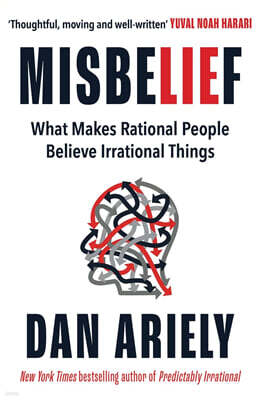
Misbelief : What Makes Rational People Believe Irrational Things 이동Misbelief : What Makes Rational People Believe Irrational Things18,480원 20%
-
Misbelief: What Makes Rational People Believe Irrational Things 이동Misbelief: What Makes Rational People Believe Irrational Things27,860원 18%
-
Misbelief: What Makes Rational People Believe Irrational Things 이동Misbelief: What Makes Rational People Believe Irrational Things40,800원 15%
-
Payoff: The Hidden Logic That Shapes Our Motivations 이동Payoff: The Hidden Logic That Shapes Our Motivations34,830원 18%
-
Dollars and Sense: How We Misthink Money and How to Spend Smarter 이동Dollars and Sense: How We Misthink Money and How to Spend Smarter27,200원 15%
품목정보
- 발행일
- 2008년 02월 19일
- 쪽수, 무게, 크기
- 280쪽 | 548g | 163*236*27mm
- ISBN13
- 9780061353239
출판사 리뷰
|
* Why do our headaches persist after taking a one-cent aspirin but disappear when we take a 50-cent aspirin?
* Why does recalling the Ten Commandments reduce our tendency to lie, even when we couldn't possibly be caught? * Why do we splurge on a lavish meal but cut coupons to save twenty-five cents on a can of soup? * Why do we go back for second helpings at the unlimited buffet, even when our stomachs are already full? * And how did we ever start spending $4.15 on a cup of coffee when, just a few years ago, we used to pay less than a dollar? When it comes to making decisions in our lives, we think we're in control. We think we're making smart, rational choices. But are we? In a series of illuminating, often surprising experiments, MIT behavioral economist Dan Ariely refutes the common assumption that we behave in fundamentally rational ways. Blending everyday experience with groundbreaking research, Ariely explains how expectations, emotions, social norms, and other invisible, seemingly illogical forces skew our reasoning abilities. Not only do we make astonishingly simple mistakes every day, but we make the same types of mistakes, Ariely discovers. We consistently overpay, underestimate, and procrastinate. We fail to understand the profound effects of our emotions on what we want, and we overvalue what we already own. Yet these misguided behaviors are neither random nor senseless. They're systematic and predictable-making us predictably irrational. From drinking coffee to losing weight, from buying a car to choosing a romantic partner, Ariely explains how to break through these systematic patterns of thought to make better decisions. Predictably Irrational will change the way we interact with the world-one small decision at a time. |
사락 별점0
혜택 및 유의사항밑줄0
혜택 및 유의사항상품정보안내
직수입외서의 경우, 해외거래처에서 제공하는 정보가 부족하여 제목, 표지, 가격, 유통상태 등의 정보가 미비하거나 변경되는 경우가 있습니다. 정확한 확인을 원하시는 경우, 일대일 상담으로 문의하여 주시면 답변 드리겠습니다.
(판형과 판수 등이 다양한 도서는 찾으시는 도서의 ISBN을 알려 주시면 보다 빠르고 정확한 안내가 가능합니다.)
해외거래처에서 품절인 경우, 2차 거래선을 통해 유럽과 미국 출판사로 직접 수입이 진행될 수 있습니다.
수입 진행 시점으로 부터 2~3주가 추가로 소요되며, 해외에서도 유통이 원활하지 않은 도서는 품절 안내가 지연될 수 있습니다.
해당 경우, 문자와 메일로 별도 안내를 드리고 있사오니 마이페이지에서 휴대전화번호와 메일주소를 다시 한번 확인해주시기 바랍니다.
(판형과 판수 등이 다양한 도서는 찾으시는 도서의 ISBN을 알려 주시면 보다 빠르고 정확한 안내가 가능합니다.)
해외거래처에서 품절인 경우, 2차 거래선을 통해 유럽과 미국 출판사로 직접 수입이 진행될 수 있습니다.
수입 진행 시점으로 부터 2~3주가 추가로 소요되며, 해외에서도 유통이 원활하지 않은 도서는 품절 안내가 지연될 수 있습니다.
해당 경우, 문자와 메일로 별도 안내를 드리고 있사오니 마이페이지에서 휴대전화번호와 메일주소를 다시 한번 확인해주시기 바랍니다.
