
- 본 도서는 영문으로 되어 있습니다.
이미 소장하고 있다면 판매해 보세요.
- 해외배송 가능?
- 문화비소득공제 가능
이화 한국학 국제화 총서

이 상품의 태그
책소개
목차
|
Ⅰ. Prehistoric Era
1. Art 1) Petroglyphs, the Origin of Painting 2) Clay Figures and Earthenware: Neolithic Period, Bronze Age, Iron Age 3) The Bronze Age Ritual vessels and Weapons 4) Habitation and Home 2. Dance 1) The Beginning of Korean Dance 2) The Course of Dance in the Prehistoric Era 3. Music 1) Music of the Prehistoric Era 2) String Instruments of the Prehistoric Era Ⅱ. Three Kingdoms Period and Unified Silla 1. Art 1) Painting 2) Sculpture 3) Metal Work, Ceramics and Lacquer Ware 4) Architecture in Wood, Pagodas and Habitation 2. Dance 1) Dance of the Goguryeo Kingdom 2) Dance of the Baekje Kingdom 3) Dance of the Silla Kingdom 4) Dance of the Unified Silla Kingdom 3. Music 1) Music of the Goguryeo Kingdom 2) Music of the Baekje Kingdom 3) Music of the Silla Kingdom 4) Music of the Unified Silla Kingdom Ⅲ. Goryeo Period 1. Art 1) Painting 2) Buddhist Sculptures 3) Ceramics, lacquerware, and Metal Craft 4) Royal Palaces and Buddhist Temples 2. Dance 1) Gungjung jeongjae (Court Song and Dance) 2) The Development of Buddhist Ritualistic Dance 3) The Introduction of Daeseong-aak and the Development of Confucian Ritualistic Dance 4) Dances based on Folk Religion 3. Music 1) Hyangak, the indigenous music 2) Dangak, music of the Tang Dynasty 3) Aak, the Confucian Ritual Music Ⅳ. Early Joseon Period (14th-16th Century) 1. Art 1) Painting 2) Sculpture 3) Buncheong ware, White Porcelain and Wood work 4) Architecture of Royal Palaces, Seowons (Private Academies) and Burial Tombs 2. Dance 1) Reorganization and Establishment of Gungjung jeongjae (Court Song and Dance) 2) The Development of Confucian Ritualistic Dance 3) Dance based on Folk Religion 3. Music 1) Establishment of Music Theory 2) Restructuring Court Music 3) Court Ceremonial Music 4) Court Musicians Ⅴ. Late Joseon Period (17th-19th Century) 1. Art 1) Painting 2) Sculpture 3) Versatility in White Porcelain, Wood and Metal work 4) Wood Architecture 2. Dance 1) The Golden Age of Gungjung jeongjae (Court Music and Dance) 2) The Development of Folk Dance 3. Music 1) Decline of Court Music 2) Establishment of Pungnyu Music 3) Rise of Folk Music Ⅵ. Modern Era (Late 19th century-early 20th century) 1. Art 1) Painting 2) Sculpture 3) Craft 4) Architecture 2. Dance 1) Re-establishment of Traditional Dance 2) Emergence of New Dance 3. Music 1) Rise and Decline of Joseonak, the Traditional Music 2) Influx of Western Music Ⅶ. Contemporary Age (Late 20th Century-Present) 1. Art 1) 1960s-70s: Aesthetics of Modernism and Experimental Avant-Garde 2) 1980s: Critical Realism 3) 1990s: Era of Diversification 2. Dance 1) The Development of Dramatic Dance and University Education in the Field 2) Succession of Traditional Dance and the Trends of Korean Creative Dance 3. Music 1) Preservation and Transmission of Gugak, the Traditional Music 2) Western Music in Korea Korean Art History Quick Reference 1. Art 2. Dance 3. Music |
품목정보
출판사 리뷰
|
국제화시대에 한국문화, 특히 한국예술에 대한 해외의 관심은 증대되었다. 그러나 현재 공연예술이나 한국유물의 전시 같은 분야에 관심이 높은 반면 한국문화를 전공하는 해외 연구자는 절대적으로 부족하여, 새롭고 깊이 있는 연구 성과의 수렴은 상대적으로 매우 더딘 형편이다. 한국예술에 관한 영어 자료조차 찾기 힘든 현실에서 영어로 된 개설교재의 출간은 해외 연구자들의 연구 확대에 자극이 됨은 물론, 해외에 한국예술 전반에 대한 관심을 고조시키는 데 크게 기여할 것이다. 이 책은 텍스트자료뿐 아니라 예술분야의 주요 용어와 설명, 이미지 자료, 음원자료, 도면 등을 함께 제공함으로써, 한국문화 교육에 필요한 기초적이면서 구체적인 콘텐츠를 제시하려 하였다.
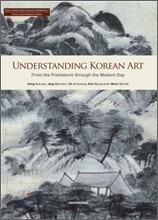
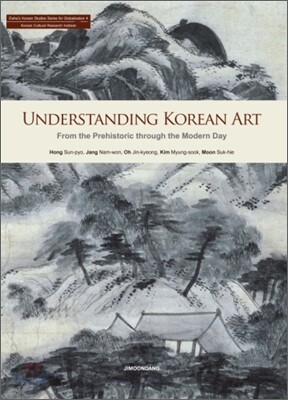
본서는 ‘이화 한국학 국제화 총서 4’로 선사시대부터 현대에 이르는 한국예술을 역사적 흐름에 따라 선사시대, 삼국시대와 통일신라, 고려 왕조, 조선 전기, 조선 후기, 근대, 현대의 7장으로 나누어 설명했다. 또한 각 시대별로 미술, 음악, 무용 등의 장르를 함께 다룸으로써 한국예술 문화의 시대적 특성을 통합적으로 이해할 수 있도록 하였다. 특히 해외에 소개된 기존의 한국예술 분야 서적들에서 다루지 않았던 근, 현대 예술까지 소개한 점은 이 책의 장점이라고 할 것이다. As the world becomes smaller, overseas interest in Korean arts has been on the increase. Korean performing arts and the exhibition of Korea's artifacts have been actively introduced and promoted abroad. However, it is difficult to find overseas academic researchers who specialize in Korean arts and thus contribute to rapid progress in this area through in-depth studies. Overseas research on Korean arts, music and dance has primarily been conducted by Eastern art experts as a subsidiary part of their studies, not by Korean art specialists. Given the current situation in which few English references on Korean arts exist, the publication of a textbook on the art of Korea will assist overseas researchers in expanding their studies and taking more interest in this field. The textbook is equipped with a plethora of images, audio data, drawings and glossaries as well as text, offering basic and specific contents needed to present Korean arts. Understanding Korean Arts, Ewha's Korean Studies Series for Globalization 4 diachronically explores the arts of Korean seven chapters: Prehistoric Age; Three Kingdoms Period and Unified Silla; Goryeo Dynasty; Early Joseon Period; Late Joseon Period, and; Modern Era and Contemporary Period. Each chapter covers various art genres including fine arts, music and dance to help readers comprehend integrated characteristics of Korean arts and culture through history. It is particularly noteworthy that modern and contemporary art in Korea are discussed in this book, which have not been explored enough in other overseas publications on Korea. |
사락 별점0
혜택 및 유의사항밑줄0
혜택 및 유의사항
35,000원
총 1개
35,000원