



이 상품의 시리즈 4
이 상품의 시리즈 알림신청



이 상품의 태그



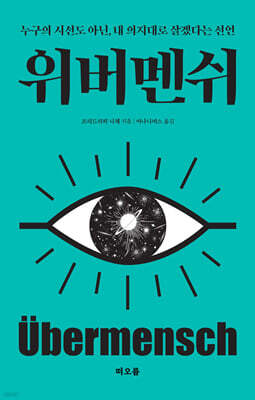





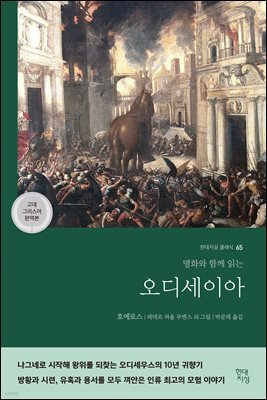






소개
목차
|
PART III
I. II. III. IV. V. VI. VII. VIII. IX. X. |
저자 소개
Fyodor Dostoyevsky (1821?1881) was a renowned Russian novelist known for his deep exploration of human psychology. His major works, including Crime and Punishment, The Brothers Karamazov, The Idiot, and Demons, are rich in philosophical and psychological themes, delving into the complexities of human existence. In his youth, he was involved in revolutionary activities and was arrested, sentenced to death, and later pardoned, leading to years of exile in Siberia. These experiences, along with his struggles with poverty and gambling addiction, shaped his literary focus on suffering and redemption. His novels explore inner conflicts, moral dilemmas, faith versus atheism, and free will, offering profound insights into human nature. Crime and Punishment examines themes of morality and guilt, while The Brothers Karamazov delves into philosophical debates on faith and free will. His work significantly influenced existentialism, psychological fiction, and modern literature, leaving a lasting impact on thinkers like Nietzsche, Freud, and Kafka. Dostoyevsky remains one of the most influential figures in world literature, with his novels continuing to resonate across generations.
품목정보
- 발행일
- 2025년 02월 14일
- 지원기기
- 크레마,PC(윈도우 - 4K 모니터 미지원),아이폰,아이패드,안드로이드폰,안드로이드패드,전자책단말기(저사양 기기 사용 불가),PC(Mac)
- 파일/용량
- EPUB(DRM) | 29.29MB ?
- 글자 수/ 페이지 수
- 약 25만자, 약 5.6만 단어, A4 약 157쪽 ?
- ISBN13
- 9791173365850