
소득공제
수입
직수입양서
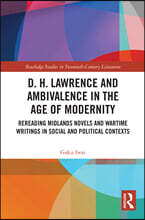
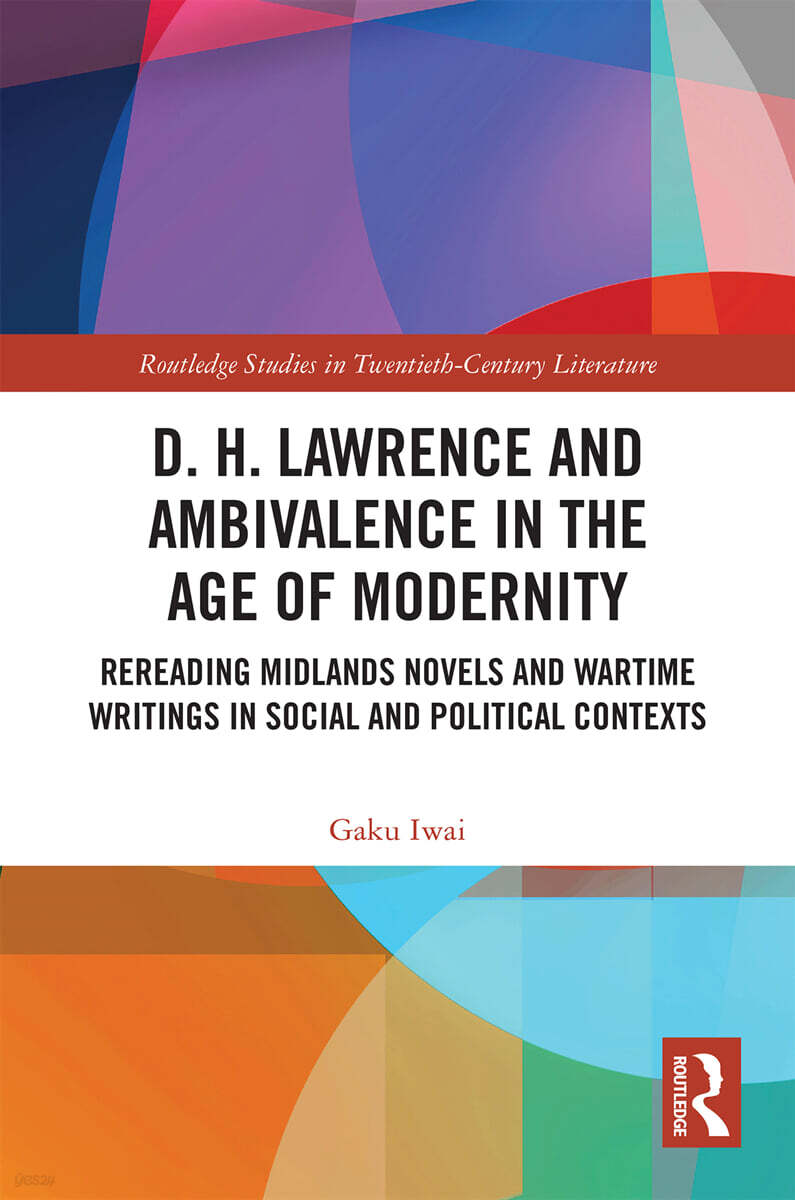
D. H. Lawrence and Ambivalence in the Age of Modernity
Rereading Midlands Novels and Wartime Writings in Social and Political Contexts
Paperback, 1st Edition
Gaku Iwai
Routledge
2025.10.26.
이미 소장하고 있다면 판매해 보세요.
- 국내배송만 가능
- 해외 거래처 사정에 의하여 품절/지연 가능
- 도서 정보 중 미표기 사항 안내?
- 문화비소득공제 가능
Routledge Studies in Twentieth-Century Literature
-
 Lacanian Non-Rapport in the Novels of John Fowles 이동Lacanian Non-Rapport in the Novels of John Fowles10% 356,010원
 -
Music in Modern Japanese and Hebrew Literatures 이동Music in Modern Japanese and Hebrew Literatures10% 99,330원
-
Indeterminacy and the Reader’s Engagement in the Italian Novel 이동Indeterminacy and the Reader’s Engagement in the Italian Novel10% 356,010원
-
Feminist Science Fiction’s Sartorial Spaces 이동Feminist Science Fiction’s Sartorial Spaces10% 356,010원
-
Joseph Conrad and the Intersection of Narrative, Epistemology, and Cosmology 이동Joseph Conrad and the Intersection of Narrative, Epistemology, and Cosmology10% 356,010원
-
Literary Legacy of the Kennedy Assassination 이동Literary Legacy of the Kennedy Assassination10% 356,010원
-
Contemporary Japanese American and Mexican American Poets 이동Contemporary Japanese American and Mexican American Poets10% 356,010원
-
Palestinian Memory and Identity in Modern Children’s Literature 이동Palestinian Memory and Identity in Modern Children’s Literature10% 99,330원
-
Theodore Dreiser and the Cultures of Travel 이동Theodore Dreiser and the Cultures of Travel10% 356,010원
-
Silent Film Adaptations of Novels by British and American Women Writers, 1903-1929 이동Silent Film Adaptations of Novels by British and American Women Writers, 1903-192910% 99,330원
-
Understanding Sublimation in Freudian Theory and Modernist Writing 이동Understanding Sublimation in Freudian Theory and Modernist Writing10% 99,330원
-
Analysis of Jean-Paul Sartre’s Plays in Théâtre complet 이동Analysis of Jean-Paul Sartre’s Plays in Théâtre complet10% 99,330원
-
Disability, Illness, and the Vampire in Literature and Culture 이동Disability, Illness, and the Vampire in Literature and Culture10% 356,010원
-
D. H. Lawrence and Ambivalence in the Age of Modernity 이동D. H. Lawrence and Ambivalence in the Age of Modernity10% 99,330원
책소개
목차
|
Introduction Annihilating Borders: Nature, Human Beings, Machinery in “Odour of Chrysanthemums” Chapter 1. Degeneration, Aestheticism and Empire: Middle-Class Ideology and The White Peacock Chapter 2. Bestwood and the Morels under Evolution: Parallelism through Procreation and Evolution in Sons and Lovers Chapter 3. The Brangwens and Construction of the Towns in The Rainbow Chapter 4. Lawrence and War: Historical Contexts I. Lawrence and the First World War II. Lawrence and Anti-German Propaganda III. History Books in Context Chapter 5. Wartime Discourses on War and Peace in Movements in European History I. The Germanic Race II. The Huns III. The Unification of Germany Chapter 6. To Produce, or Not to Produce, That is the Question: Materialism, Democracy and War in Women in Love Chapter 7. Wartime Short Stories from “The Thimble” to “The Blind Man” and “Tickets Please” I. Popular Wartime Romance and Lawrence’s Anti-Romance: Berta Ruck’s “The Infant-in Arms” and Lawrence’s “The Thimble” II. The Path to Resurrection or Becoming a War Machine in “New Heaven and Earth”, “Eloi, Eloi, Lama Sabachthani” and “England, My England” III. Short Fiction in 1918: “The Fox”, “The Blind Man” and “Tickets Please” Chapter 8. Class Conflicts in Ambivalence from “Daughters of the Vicar” and “Hadrian” to Lady Chatterley’s Lover I. Middle-Class Anxiety and its Solution in “Daughters of the Vicar” II. Returned Soldier and Working-Class Threat in “Hadrian” III. Lady Chatterley’s Lover: Temptation to the Bourgeois Myth Epilogue. Which Class Do Lawrence’s Texts Belong To? |
품목정보
- 발행일
- 2025년 10월 26일
- 쪽수, 무게, 크기
- 218쪽 | 320g | 150*230mm
- ISBN13
- 9781032675688
리뷰/한줄평0
상품정보안내
직수입외서의 경우, 해외거래처에서 제공하는 정보가 부족하여 제목, 표지, 가격, 유통상태 등의 정보가 미비하거나 변경되는 경우가 있습니다. 정확한 확인을 원하시는 경우, 일대일 상담으로 문의하여 주시면 답변 드리겠습니다.
(판형과 판수 등이 다양한 도서는 찾으시는 도서의 ISBN을 알려 주시면 보다 빠르고 정확한 안내가 가능합니다.)
해외거래처에서 품절인 경우, 2차 거래선을 통해 유럽과 미국 출판사로 직접 수입이 진행될 수 있습니다.
수입 진행 시점으로 부터 2~3주가 추가로 소요되며, 해외에서도 유통이 원활하지 않은 도서는 품절 안내가 지연될 수 있습니다.
해당 경우, 문자와 메일로 별도 안내를 드리고 있사오니 마이페이지에서 휴대전화번호와 메일주소를 다시 한번 확인해주시기 바랍니다.
(판형과 판수 등이 다양한 도서는 찾으시는 도서의 ISBN을 알려 주시면 보다 빠르고 정확한 안내가 가능합니다.)
해외거래처에서 품절인 경우, 2차 거래선을 통해 유럽과 미국 출판사로 직접 수입이 진행될 수 있습니다.
수입 진행 시점으로 부터 2~3주가 추가로 소요되며, 해외에서도 유통이 원활하지 않은 도서는 품절 안내가 지연될 수 있습니다.
해당 경우, 문자와 메일로 별도 안내를 드리고 있사오니 마이페이지에서 휴대전화번호와 메일주소를 다시 한번 확인해주시기 바랍니다.
99,330원
총 1개
99,330원