
소득공제
수입
직수입양서
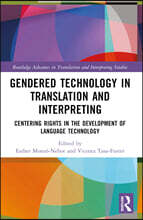
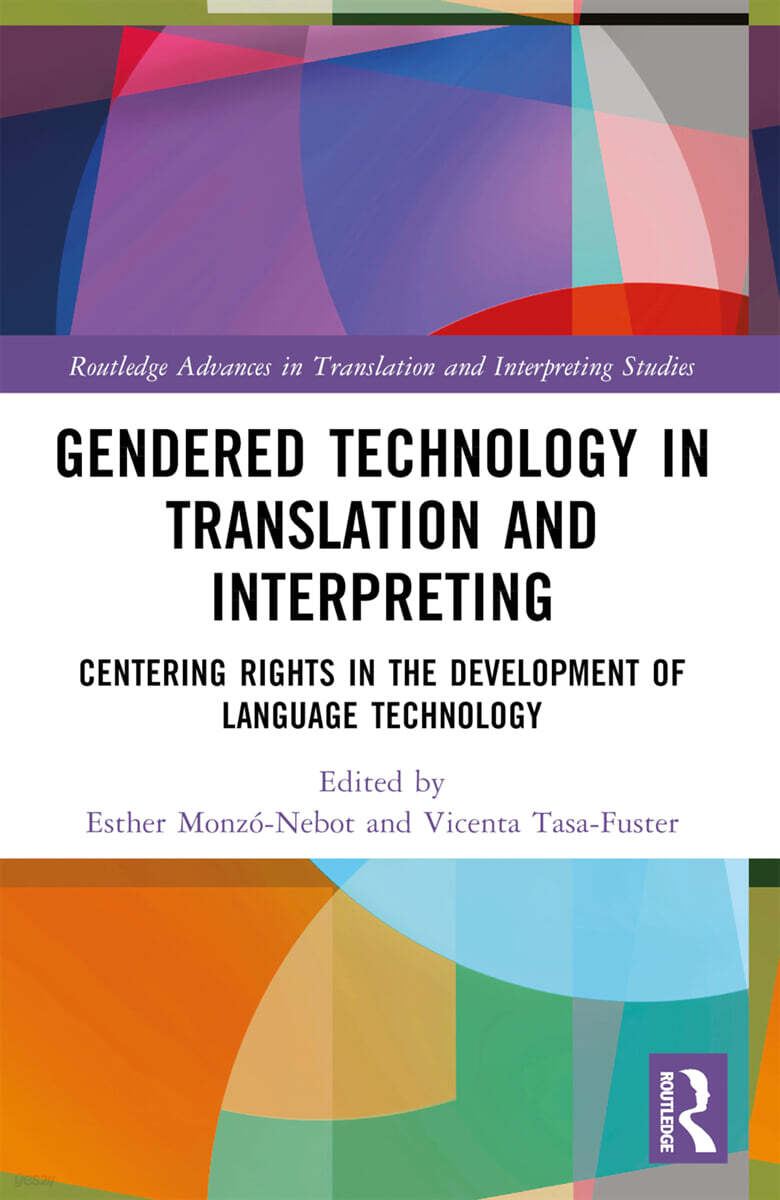
Gendered Technology in Translation and Interpreting
Centering Rights in the Development of Language Technology
Paperback, 1st Edition
Esther Monzó-Nebot, Vicenta Tasa-Fuster
Routledge
2025.11.27.
- 가격
-
112,170원10 100,950
- YES포인트?
-
5,050원 (5%) 마니아추가적립5만원 이상 구매 시 2천원 추가 적립
이미 소장하고 있다면 판매해 보세요.
- 국내배송만 가능
- 해외 거래처 사정에 의하여 품절/지연 가능
- 도서 정보 중 미표기 사항 안내?
- 문화비소득공제 가능
Routledge Advances in Translation and Interpreting Studies
-
 Multilingual Practices and Monolingual Mindsets 이동Multilingual Practices and Monolingual Mindsets10% 100,950원
 -
Chinese Political Discourse in Translation 이동Chinese Political Discourse in Translation10% 100,950원
-
Perspectives on Technology and Interpreting 이동Perspectives on Technology and Interpreting10% 361,810원
-
Reimagining Conference Interpreting in the Age of AI 이동Reimagining Conference Interpreting in the Age of AI20% 321,610원
-
Lessons Experimental Translators Can Learn from Finnegans Wake 이동Lessons Experimental Translators Can Learn from Finnegans Wake20% 46,720원
-
Self-Care, Translation Professionalization, and the Translator’s Ethical Agency 이동Self-Care, Translation Professionalization, and the Translator’s Ethical Agency20% 89,730원
-
Bergsonian Approach to Translation and Time 이동Bergsonian Approach to Translation and Time20% 89,730원
-
Mapping the Research Landscape of Interpreter and Translator Education 이동Mapping the Research Landscape of Interpreter and Translator Education20% 89,730원
-
Mapping Crowdsourcing Translation in China 이동Mapping Crowdsourcing Translation in China20% 89,730원
-
Canonisation through Translation and Retranslation 이동Canonisation through Translation and Retranslation20% 321,610원
-
Mapping Meaning in Translation through Force Dynamics 이동Mapping Meaning in Translation through Force Dynamics20% 321,610원
-
Languages, Cultures, and Health in a Global City 이동Languages, Cultures, and Health in a Global City20% 321,610원
-
Translation and the Myth of Universal Cinema 이동Translation and the Myth of Universal Cinema20% 321,610원
책소개
목차
|
Part I: Introduction 1. The Omnirelevance of Gendered Technology: Translation, Interpreting, and the Law Esther Monzo-Nebot and Vicenta Tasa-Fuster 2. The Legal Rationales of the Leading Technological Models: The Challenges of Regulating Linguistic and Gender Biases Vicenta Tasa-Fuster Part II: Interpreting and Gendered and Gendering Technology 3. Deconstructing the En-Gendering Binary Mechanisms of Interpreting Technologies: A Posthumanist Feminist Inquiry Deborah Giustini 4. Remote Interpreting and the Politics of Diversity: The Lived Experiences of LGBTIQ+ Interpreters in International Organizations Esther Monzo-Nebot 5. Gendered Approaches to Remote Interpreting: A Booth of One’s Own Ozum Arzik-Erzurumlu 6. Is Self-care a Gendered Behavior for Interpreters? Self-reported Practices of Australian and New Zealand Community Interpreters Going Remote During the Pandemic Ineke H. Crezee and Miranda Lai Part III: Present and Future of Gendered and Gendering Automated Translation 7. The Role of Human Translators in the Human-Machine Era: Assessing Gender Neutrality in Galician Machine and Human Translation Marta Garcia Gonzalez 8. Gender Bias and Women’s Rights in the Workplace: The Potential Impact of English?German Translation Tools Jasmina P. đorđevi? 9. Gender Bias in Machine Translation and The Era of Large Language Models Eva Vanmassenhove 10. Exploring Gender Bias in Machine Translation of Legal Texts Celia Rico Perez and Antonio Jesus Martinez Pleguezuelos 11. Misgendering and Assuming Gender in Machine Translation when Working with Low-Resource Languages Sourojit Ghosh and Srishti Chatterjee Part IV: Conclusion 12. The Tech Landscape in Translation and Interpreting: Gender Inequalities, Language Hierarchies, and the Call for a Level Playing Field Esther Monzo-Nebot and Vicenta Tasa-Fuster |
품목정보
- 발행일
- 2025년 11월 27일
- 쪽수, 무게, 크기
- 314쪽 | 460g | 150*230mm
- ISBN13
- 9781032736976
리뷰/한줄평0
상품정보안내
직수입외서의 경우, 해외거래처에서 제공하는 정보가 부족하여 제목, 표지, 가격, 유통상태 등의 정보가 미비하거나 변경되는 경우가 있습니다. 정확한 확인을 원하시는 경우, 일대일 상담으로 문의하여 주시면 답변 드리겠습니다.
(판형과 판수 등이 다양한 도서는 찾으시는 도서의 ISBN을 알려 주시면 보다 빠르고 정확한 안내가 가능합니다.)
해외거래처에서 품절인 경우, 2차 거래선을 통해 유럽과 미국 출판사로 직접 수입이 진행될 수 있습니다.
수입 진행 시점으로 부터 2~3주가 추가로 소요되며, 해외에서도 유통이 원활하지 않은 도서는 품절 안내가 지연될 수 있습니다.
해당 경우, 문자와 메일로 별도 안내를 드리고 있사오니 마이페이지에서 휴대전화번호와 메일주소를 다시 한번 확인해주시기 바랍니다.
(판형과 판수 등이 다양한 도서는 찾으시는 도서의 ISBN을 알려 주시면 보다 빠르고 정확한 안내가 가능합니다.)
해외거래처에서 품절인 경우, 2차 거래선을 통해 유럽과 미국 출판사로 직접 수입이 진행될 수 있습니다.
수입 진행 시점으로 부터 2~3주가 추가로 소요되며, 해외에서도 유통이 원활하지 않은 도서는 품절 안내가 지연될 수 있습니다.
해당 경우, 문자와 메일로 별도 안내를 드리고 있사오니 마이페이지에서 휴대전화번호와 메일주소를 다시 한번 확인해주시기 바랍니다.
100,950원
총 1개
100,950원
