
이미 소장하고 있다면 판매해 보세요.
- 국내배송만 가능
- 해외 거래처 사정에 의하여 품절/지연 가능
- 도서 정보 중 미표기 사항 안내?
- 문화비소득공제 가능
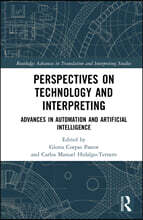
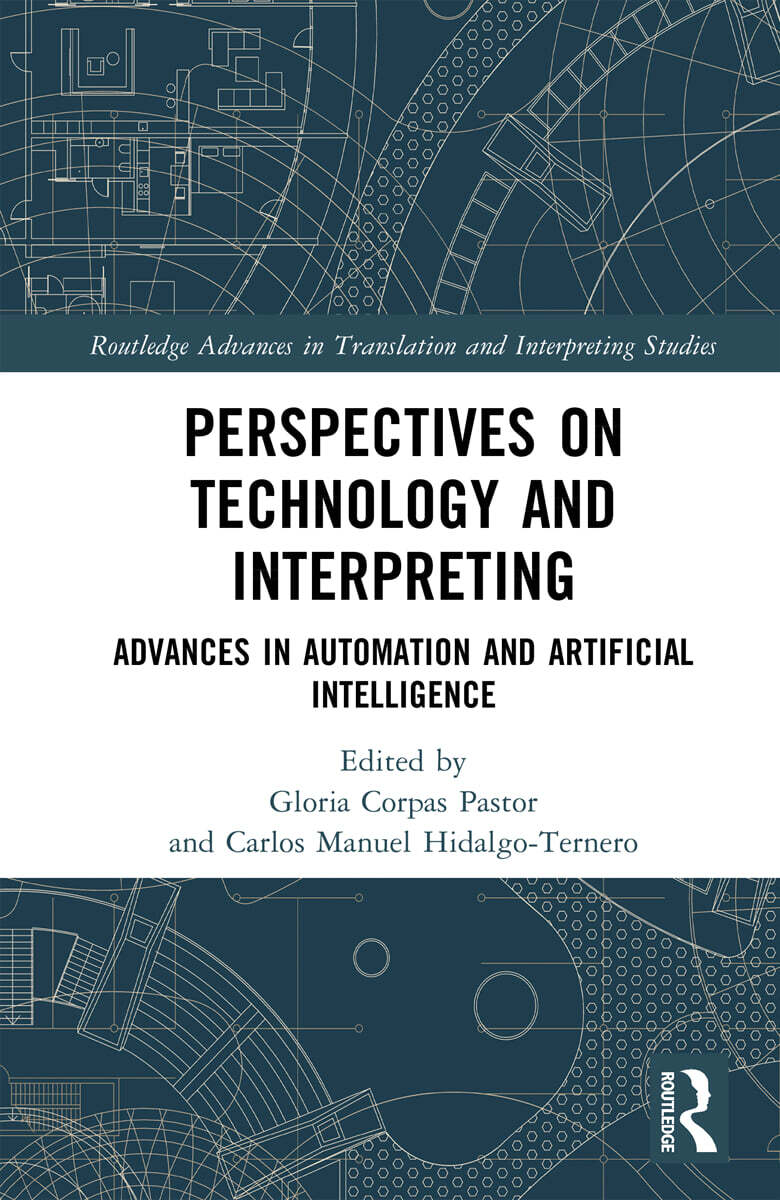
Routledge Advances in Translation and Interpreting Studies
-
 Multilingual Practices and Monolingual Mindsets 이동Multilingual Practices and Monolingual Mindsets10% 96,630원
 -
Chinese Political Discourse in Translation 이동Chinese Political Discourse in Translation10% 96,630원
-
Perspectives on Technology and Interpreting 이동Perspectives on Technology and Interpreting10% 346,330원
-
Reimagining Conference Interpreting in the Age of AI 이동Reimagining Conference Interpreting in the Age of AI15% 327,090원
-
Lessons Experimental Translators Can Learn from Finnegans Wake 이동Lessons Experimental Translators Can Learn from Finnegans Wake15% 47,520원
-
Self-Care, Translation Professionalization, and the Translator’s Ethical Agency 이동Self-Care, Translation Professionalization, and the Translator’s Ethical Agency15% 91,260원
-
Bergsonian Approach to Translation and Time 이동Bergsonian Approach to Translation and Time15% 91,260원
-
Mapping the Research Landscape of Interpreter and Translator Education 이동Mapping the Research Landscape of Interpreter and Translator Education15% 91,260원
-
Mapping Crowdsourcing Translation in China 이동Mapping Crowdsourcing Translation in China15% 91,260원
-
Canonisation through Translation and Retranslation 이동Canonisation through Translation and Retranslation15% 327,090원
-
Mapping Meaning in Translation through Force Dynamics 이동Mapping Meaning in Translation through Force Dynamics15% 327,090원
-
Languages, Cultures, and Health in a Global City 이동Languages, Cultures, and Health in a Global City15% 327,090원
책소개
목차
|
Foreword (Maria Chiara Russo), Introduction (Gloria Corpas Pastor and Carlos Manuel Hidalgo-Ternero), PART I AI, LANGUAGE TECHNOLOGIES, AND INTERPRETING, Chapter 1 Artificial Intelligence and Multilingual Communication: The Generative AI Challenge (Enrique Alba), Chapter 2 Speech-to-Text Translation in the New Age of Interpreting Technologies: A Comparative Evaluation of the Interprefy AI Speech Translation System (Dora Murgu, Gloria Corpas Pastor and Francisco Javier Lima-Florido), Chapter 3 Exploration of Machine Interpretation and Multimodal Cognitive Computing (Xiaojun Zhang), Chapter 4 The Transition from Human to Automatic Live Captions and Its Impact on Quality Assessment (Pablo Romero-Fresco and Oscar Alonso-Amigo), Chapter 5 Speech-to-Text Interpreting: Intersection of Interpreting, Technology and Accessibility (Daniela Eichmeyer-Hell), PART II AI-DRIVEN TOOLS FOR INTERPRETER PREPARATION, Chapter 6 Artificial Intelligence and the Future of Language Interpreting: Big Data and Digital Solutions (Jun Pan), Chapter 7 AI-generated gamified activities with Ray: A technological tool for the interpreter preparation phase (Marta Alcaide-Martinez), Chapter 8 PracticeAI vs. ChatGPT: which tool can offer better speeches in Chinese for interpreting training? (Xiaoqing Zhou-Lian and Carlos Manuel Hidalgo-Ternero), Chapter 9 Exploring ChatGPT for the design of training materials in consecutive and bilateral interpreting: first attempts and results (Ingrid Caceres-Wursig, Raquel Lazaro Gutierrez, and Dario Mantrana Gallego), PART III COMPUTER-ASSISTED INTERPRETING AND COGNITIVE DIMENSIONS, Chapter 10 Technology across Interpreting Phases: A Comparative Study among Professionals and Students (Laura Noriega-Santianez), Chapter 11 Computer-assisted interpreting tools and cognition: a sight translation study using eye-tracking technology (Jorge Lucas-Perez), Chapter 12 Interpreting technologies to improve stress management in the student learning process (Encarnacion Postigo Pinazo and Presentacion Aguilera Crespillo), Chapter 13 Term Extraction Methodology Based on Ad Hoc Parallel Corpora for Conference Interpreting Training in the English?Arabic Language Pair (Mahmoud Gaber), Chapter 14 The Technologisation of Interpreting: A User-Centred Road Map from Digitalisation to Human?AI Synergy (Gloria Corpas Pastor), PART IV REMOTE AND TECHNOLOGY-ENABLED INTERPRETING, Chapter 15 New RSI tools, new training implications: the case of a general-purpose videoconferencing platform applied to conference interpreter training (Michela Bertozzi and Francesco Cecchi), Chapter 16 Interpreting the Manner of Speech in Technology-Enabled Remote Court Hearings in Australia (Ran Yi, Ling Yan, and Jinhua Sun), Chapter 17 Lexical borrowing in refugee protection situations of social and remote interpreting: German, Spanish, Arabic and Russian combinations (Olga Koreneva Antonova and Hanan Saleh Hussein), Chapter 18 Remote Interpreting Systems, Machine Interpreting, and Multiword Units: A Melting Pot (Isabel Penuelas Gil and Maria Teresa Ortego Anton), Index |
품목정보
- 발행일
- 2026년 07월 01일
- 쪽수, 무게, 크기
- 416쪽 | 960g | 150*230mm
- ISBN13
- 9781032852607
사락 별점0
혜택 및 유의사항밑줄0
혜택 및 유의사항상품정보안내
(판형과 판수 등이 다양한 도서는 찾으시는 도서의 ISBN을 알려 주시면 보다 빠르고 정확한 안내가 가능합니다.)
해외거래처에서 품절인 경우, 2차 거래선을 통해 유럽과 미국 출판사로 직접 수입이 진행될 수 있습니다.
수입 진행 시점으로 부터 2~3주가 추가로 소요되며, 해외에서도 유통이 원활하지 않은 도서는 품절 안내가 지연될 수 있습니다.
해당 경우, 문자와 메일로 별도 안내를 드리고 있사오니 마이페이지에서 휴대전화번호와 메일주소를 다시 한번 확인해주시기 바랍니다.