
소득공제
강력추천
외서
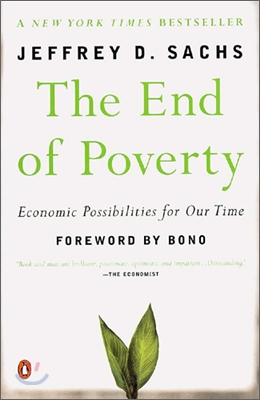
The End of Poverty: Economic Possibilities for Our Time
Economic Possibilities for Our Time
Paperback
Penguin Books
2006.03.01.
- 번역서
- 빈곤의 종말 (2006)
이미 소장하고 있다면 판매해 보세요.
- 국내배송만 가능
- 문화비소득공제 가능
책소개
목차
|
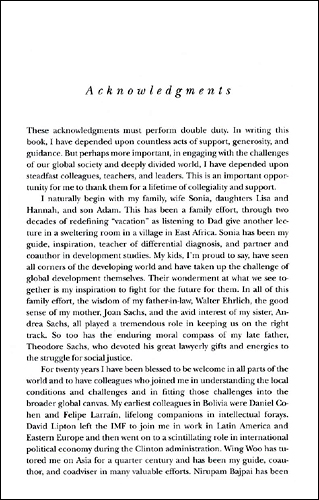
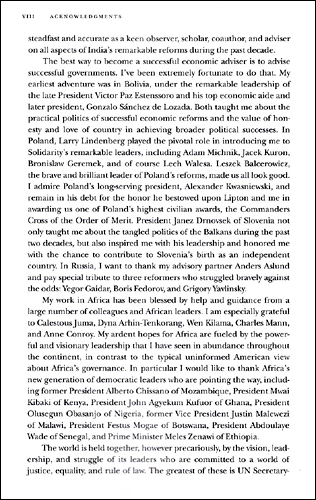
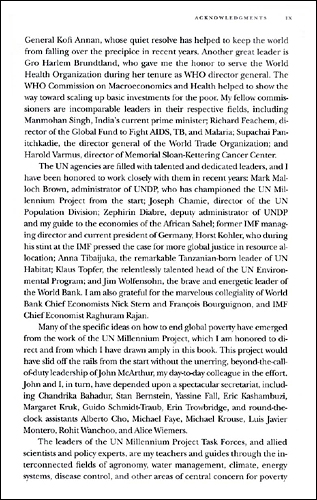
Acknowledgements
Foreword by Bono Preface to the Paperback Edition Introduction 1. Global Family Portrait 2. The Spread of Economic Prosperity 3. Why Some Countries Fail to Thrive 4. Clinical Economics 5. Bolivia's High-Altitude Hyperinflation 6. Poland's Return to Europe 7. Reaping the Whirlwind: Russia's Struggle for Normalcy 8. China: Catching Up After Half a Millenium 9. India's Market Reforms: The Triumph of Hope Over Fear 10. The Voiceless Dying: Africa and Disease 11. The Millennium, 9/11, and the United Nations 12. On-the-Ground Solutions for Ending Poverty 13. Making the Investments Needed to End Poverty 14. A Global Compact to End Poverty 15. Can the Rich Afford to Help the Poor? 16. Myths and Magic Bullets 17. Why We Should Do It 18. Our Generation's Challenge Works Cited Further Reading Notes Index |
저자 소개 1
Jeffrey D, Sachs
경제학자 · 세계에서 가장 영향력 있는 100인(〈타임〉 선정, 2004, 2005)
국제금융, 거시경제정책에 관해 탁월한 능력을 인정받고 있는 세계적인 경제학자. 미국 컬럼비아대학 교수이자 반기문 유엔사무총장 특별자문관이기도 하다. 하버드대를 최우등으로 졸업하고 1980년에 박사 학위를 받았다. 이후 29세인 1983년에 하버드대 최연소 정교수가 되었다. 하버드 국제개발연구소장으로 있으면서 개도국 거시경제정책 및 경제개발이론에 대해 많은 연구를 하였으며 IMF, OECD, UNDP, 세계은행 등 국제기구 자문위원을 역임했다. 또한 1986년부터 5년간 볼리비아 대통령 자문
경제학자 · 세계에서 가장 영향력 있는 100인(〈타임〉 선정, 2004, 2005)
국제금융, 거시경제정책에 관해 탁월한 능력을 인정받고 있는 세계적인 경제학자. 미국 컬럼비아대학 교수이자 반기문 유엔사무총장 특별자문관이기도 하다. 하버드대를 최우등으로 졸업하고 1980년에 박사 학위를 받았다. 이후 29세인 1983년에 하버드대 최연소 정교수가 되었다. 하버드 국제개발연구소장으로 있으면서 개도국 거시경제정책 및 경제개발이론에 대해 많은 연구를 하였으며 IMF, OECD, UNDP, 세계은행 등 국제기구 자문위원을 역임했다. 또한 1986년부터 5년간 볼리비아 대통령 자문역을 맡았으며, 당시 인플레이션을 40,000%에서 10%대로 끌어내리고 1980년대에 처음으로 부채 감축 프로그램을 성공시킨 것으로 유명하다. 〈뉴욕 타임스〉로부터 '세계에서 가장 중요한 이코노미스트'라는 평을 받은 바 있고, 2004년과 2005년 〈타임〉지로부터 2년 연속 ‘세계에서 가장 영향력 있는 100인’ 선정되기도 했다.
주요 저서로는 《세계경제의 거시경제학》, 《커먼 웰스》가 있다.
국제금융, 거시경제정책에 관해 탁월한 능력을 인정받고 있는 세계적인 경제학자. 미국 컬럼비아대학 교수이자 반기문 유엔사무총장 특별자문관이기도 하다. 하버드대를 최우등으로 졸업하고 1980년에 박사 학위를 받았다. 이후 29세인 1983년에 하버드대 최연소 정교수가 되었다. 하버드 국제개발연구소장으로 있으면서 개도국 거시경제정책 및 경제개발이론에 대해 많은 연구를 하였으며 IMF, OECD, UNDP, 세계은행 등 국제기구 자문위원을 역임했다. 또한 1986년부터 5년간 볼리비아 대통령 자문역을 맡았으며, 당시 인플레이션을 40,000%에서 10%대로 끌어내리고 1980년대에 처음으로 부채 감축 프로그램을 성공시킨 것으로 유명하다. 〈뉴욕 타임스〉로부터 '세계에서 가장 중요한 이코노미스트'라는 평을 받은 바 있고, 2004년과 2005년 〈타임〉지로부터 2년 연속 ‘세계에서 가장 영향력 있는 100인’ 선정되기도 했다.
주요 저서로는 《세계경제의 거시경제학》, 《커먼 웰스》가 있다.
제프리 D. 삭스의 다른 상품
-
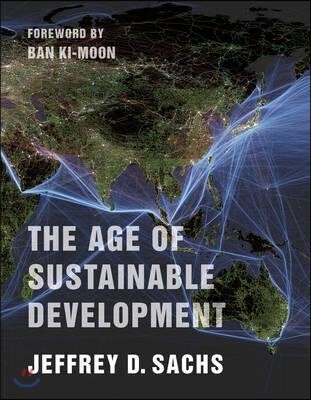
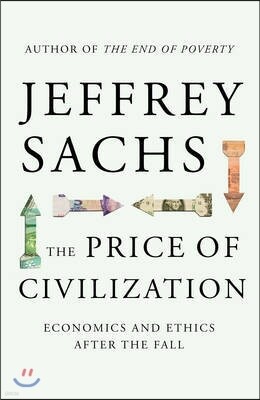
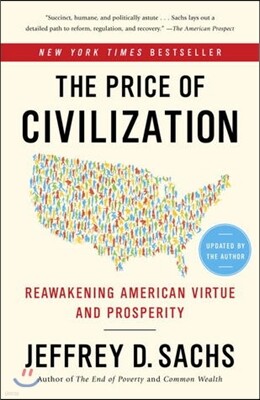
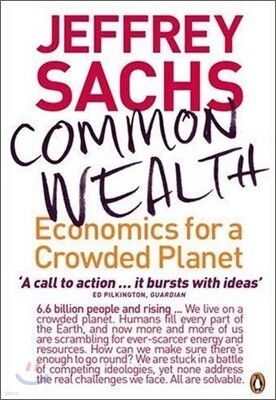
The Price of Civilization: Reawakening American Virtue and Prosperity 이동The Price of Civilization: Reawakening American Virtue and Prosperity40,800원
품목정보
- 발행일
- 2006년 03월 01일
- 쪽수, 무게, 크기
- 398쪽 | 141*214*30mm
- ISBN13
- 9780143036586
출판사 리뷰
|
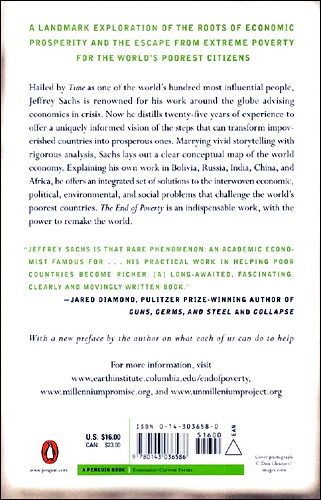
"Jeffrey Sachs is that rare phenomenon: an academic economist famous for his theories about why some countries are poor and others rich, and also famous for his successful practical work in helping poor countries become richer. In this long awaited, fascinating, clearly and movingly written book, he distills his experience to propose answers to the hard choices now facing the world." -Jared Diamond, Pulitzer Prize winning author of Guns, Germs and Steel and Collapse
He has been cited by The New York Times Magazine as "probably the most important economist in the world" and by Time as "the world's best-known economist." He has advised an extraordinary range of world leaders and international institutions on the full range of issues related to creating economic success and reducing the world's poverty and misery. Now, at last, he draws on his entire twenty-five-year body of experience to offer a thrilling and inspiring big-picture vision of the keys to economic success in the world today and the steps that are necessary to achieve prosperity for all. Marrying vivid eyewitness storytelling to his laserlike analysis, Jeffrey Sachs sets the stage by drawing a vivid conceptual map of the world economy and the different categories into which countries fall. Then, in a tour de force of elegance and compression, he explains why, over the past two hundred years, wealth has diverged across the planet in the manner that it has and why the poorest nations have been so markedly unable to escape the cruel vortex of poverty. The groundwork laid, he explains his methods for arriving, like a clinical internist, at a holistic diagnosis of a country's situation and the options it faces. Rather than deliver a worldview to readers from on high, Sachs leads them along the learning path he himself followed, telling the remarkable stories of his own work in Bolivia, Poland, Russia, India, China, and Africa as a way to bring readers to a broad-based understanding of the array of issues countries can face and the way the issues interrelate. He concludes by drawing on everything he has learned to offer an integrated set of solutions to the interwoven economic, political, environmental, and social problems that most frequently hold societies back. In the end, he leaves readers with an understanding, not of how daunting the world's problems are, but how solvable they are-and why making the effort is a matter both of moral obligation and strategic self-interest. A work of profound moral and intellectual vision that grows out of unprecedented real-world experience, The End of Poverty is a road map to a safer, more prosperous future for the world. |
사락 별점0
혜택 및 유의사항밑줄0
혜택 및 유의사항상품정보안내
직수입외서의 경우, 해외거래처에서 제공하는 정보가 부족하여 제목, 표지, 가격, 유통상태 등의 정보가 미비하거나 변경되는 경우가 있습니다. 정확한 확인을 원하시는 경우, 일대일 상담으로 문의하여 주시면 답변 드리겠습니다.
(판형과 판수 등이 다양한 도서는 찾으시는 도서의 ISBN을 알려 주시면 보다 빠르고 정확한 안내가 가능합니다.)
해외거래처에서 품절인 경우, 2차 거래선을 통해 유럽과 미국 출판사로 직접 수입이 진행될 수 있습니다.
수입 진행 시점으로 부터 2~3주가 추가로 소요되며, 해외에서도 유통이 원활하지 않은 도서는 품절 안내가 지연될 수 있습니다.
해당 경우, 문자와 메일로 별도 안내를 드리고 있사오니 마이페이지에서 휴대전화번호와 메일주소를 다시 한번 확인해주시기 바랍니다.
(판형과 판수 등이 다양한 도서는 찾으시는 도서의 ISBN을 알려 주시면 보다 빠르고 정확한 안내가 가능합니다.)
해외거래처에서 품절인 경우, 2차 거래선을 통해 유럽과 미국 출판사로 직접 수입이 진행될 수 있습니다.
수입 진행 시점으로 부터 2~3주가 추가로 소요되며, 해외에서도 유통이 원활하지 않은 도서는 품절 안내가 지연될 수 있습니다.
해당 경우, 문자와 메일로 별도 안내를 드리고 있사오니 마이페이지에서 휴대전화번호와 메일주소를 다시 한번 확인해주시기 바랍니다.
11,160원
총 1개
11,160원