
소득공제
수입
직수입양서
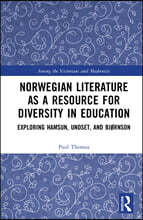
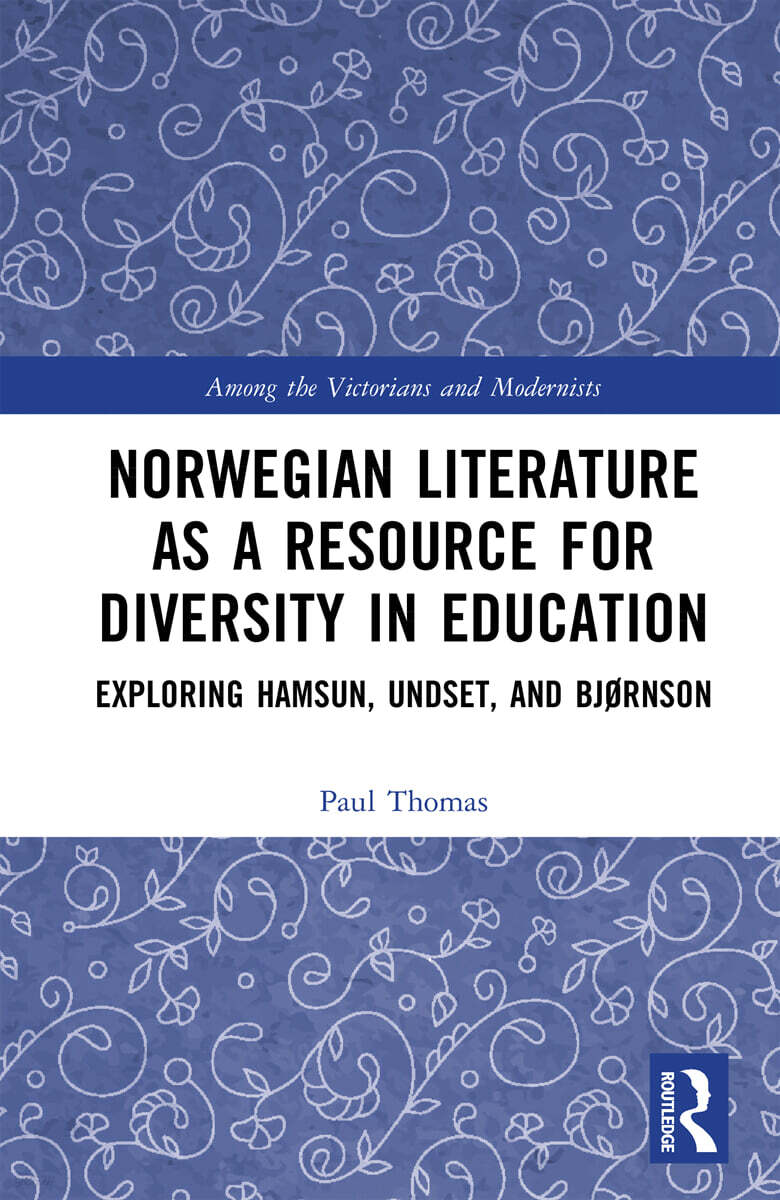
Norwegian Literature as a Resource for Diversity in Education
Exploring Hamsun, Undset, and Bjørnson
Hardback, 1st Edition
Paul Thomas
Routledge
2026.09.17.
- 국내배송만 가능
- 예약도서와 함께 주문 시 도서 출간일에 함께 배송됩니다. (출판사의 사정으로 출간 지연 가능)
- 해외 거래처 사정에 의하여 품절/지연 가능
- 도서 정보 중 미표기 사항 안내?
- 문화비소득공제 가능
Among the Victorians and Modernists
-
 Norwegian Literature as a Resource for Diversity in Education 이동Norwegian Literature as a Resource for Diversity in Education10% 356,010원
 -
Love, Despair, and Modernism in Literature 이동Love, Despair, and Modernism in Literature10% 356,010원
-
Form and Modernity in Women’s Poetry, 1895–1922 이동Form and Modernity in Women’s Poetry, 1895–192210% 99,330원
-
Towards an Aisthetics of the Victorian Novel 이동Towards an Aisthetics of the Victorian Novel10% 99,330원
-
Gender, Crime, and Murder in Victorian England 이동Gender, Crime, and Murder in Victorian England10% 122,100원
-
Maternal Image of God in Victorian Literature 이동Maternal Image of God in Victorian Literature10% 91,050원
-
Social Imagination of the Romantic Wife in Literature 이동Social Imagination of the Romantic Wife in Literature10% 356,010원
-
Form and Modernity in Women’s Poetry, 1895–1922 이동Form and Modernity in Women’s Poetry, 1895–192210% 356,010원
-
Critical Essays on Arthur Morrison and the East End 이동Critical Essays on Arthur Morrison and the East End10% 91,050원
-
Towards an Aisthetics of the Victorian Novel 이동Towards an Aisthetics of the Victorian Novel10% 356,010원
-
Gender, Crime, and Murder in Victorian England 이동Gender, Crime, and Murder in Victorian England10% 356,010원
-
Maternal Image of God in Victorian Literature 이동Maternal Image of God in Victorian Literature10% 356,010원
책소개
목차
|
Introduction PART I 1. Hamsun’s Growth of the Soil: Celebrating Self-Reliance 2. Johann Gottlieb, Teutonic Ideals and Hamsun’s racism 3. Hamsun, Luther, and the Sacredness of Whiteness 4. Inger’s Journey in Hamsun’s Forest: Bound but Strong 5. Isak as Homo Economicus: Capitalism and Colonial Mindsets 6. White mobility: Village to Forest and Sellenrå to the USA 7. Applying Dialogic Theory to Hamsun’s Growth of the Soil PART II 8. Garlands of Honor: Kristin Lavransdatter and Izzat 9. Kristin Lavransdatter: A Mirror of Religious and Cultural Evolution 10. Father-Daughter Bonds in Kristin Lavransdatter 11. Foucault, Kristin Lavransdatter, and the Patriarchal Panopticon 12. Romantic Hierarchies: Class in the Garland 13. Lady Åshild: A Postcolonial Challenge to Religious Hegemony 14. Applying a Pedagogy of Discomfort to Kristin Lavransdatter Part III 15. Solbakken & Granliden: Bjørnson’s Intercultural Shadows 16. Rural Roots, Urban Realities: Synnøve Solbakken and Intercultural Identity 17. Words as Weapons: Symbolic Violence in Bjørnson’s Tale 18. The Scars of Abandonment: From Aslak to Afghanistan 19. Church and School in Synnøve Solbakken: Norway’s Civilizing Missions 20. Reclaiming Emigration: From Synnøve Solbakken to Coming to America 21. Applying Postcolonial Pedagogy to Bjørnson’s Synnøve Solbakken Conclusion |
품목정보
- 발행일
- 2026년 09월 17일
- 쪽수, 무게, 크기
- 256쪽 | 150*230mm
- ISBN13
- 9781041342823
리뷰/한줄평0
상품정보안내
직수입외서의 경우, 해외거래처에서 제공하는 정보가 부족하여 제목, 표지, 가격, 유통상태 등의 정보가 미비하거나 변경되는 경우가 있습니다. 정확한 확인을 원하시는 경우, 일대일 상담으로 문의하여 주시면 답변 드리겠습니다.
(판형과 판수 등이 다양한 도서는 찾으시는 도서의 ISBN을 알려 주시면 보다 빠르고 정확한 안내가 가능합니다.)
해외거래처에서 품절인 경우, 2차 거래선을 통해 유럽과 미국 출판사로 직접 수입이 진행될 수 있습니다.
수입 진행 시점으로 부터 2~3주가 추가로 소요되며, 해외에서도 유통이 원활하지 않은 도서는 품절 안내가 지연될 수 있습니다.
해당 경우, 문자와 메일로 별도 안내를 드리고 있사오니 마이페이지에서 휴대전화번호와 메일주소를 다시 한번 확인해주시기 바랍니다.
(판형과 판수 등이 다양한 도서는 찾으시는 도서의 ISBN을 알려 주시면 보다 빠르고 정확한 안내가 가능합니다.)
해외거래처에서 품절인 경우, 2차 거래선을 통해 유럽과 미국 출판사로 직접 수입이 진행될 수 있습니다.
수입 진행 시점으로 부터 2~3주가 추가로 소요되며, 해외에서도 유통이 원활하지 않은 도서는 품절 안내가 지연될 수 있습니다.
해당 경우, 문자와 메일로 별도 안내를 드리고 있사오니 마이페이지에서 휴대전화번호와 메일주소를 다시 한번 확인해주시기 바랍니다.
356,010원
총 1개
356,010원