
- PDF 안내
-
이 상품은 구매 후 지원 기기에서 예스24 eBook앱 설치 후 바로 이용 가능한 상품입니다.
이 상품의 태그







상세 이미지

소개
목차
|
제1부. 한 잔으로 시작하는 대한민국 전통주 | PART 1. Discovering Korean Sool 제1장. 전통주를 알면 한국이 보입니다 | Chapter 1. Understanding Korea through Sool 001. 전통주는 무엇인가: 법률의 정의와 문화의 의미는 왜 다른가 | What Is Traditional Korean Sool? Legal Definition vs. Cultural Meaning 002. 전통주·우리술·한국술은 모두 같은 말일까 | Traditional Sool, Our Sool and Korean Sool: Are They the Same? 003. ‘술’이라는 한 글자에 담긴 한국의 음주문화 | The Korean Word “Sool” and the Culture It Carries 004. 막걸리만 알면 한국 전통주를 절반도 모르는 이유 | Why Korean Sool Is Much More Than Makgeolli 005. 쌀 한 톨이 술 한 잔이 되기까지 | From a Grain of Rice to a Glass of Sool 006. 발효주는 어떻게 증류주가 되는가 | How Fermented Sool Becomes Distilled Spirits 007. 탁주·약주·청주·소주·과실주를 한눈에 구분하기 | A Quick Guide to Takju, Yakju, Cheongju, Soju and Fruit Wine 008. 전통주 이름에는 왜 ‘주·로·고·춘’이 자주 붙을까 | Why Traditional Liquor Names Often End in Ju, Ro, Go or Chun 009. 술 이름만 읽어도 원료와 지역이 보이는 경우 | When a Sool’s Name Reveals Its Ingredient or Hometown 제2장. 맛을 알기 전에 술을 읽는 법 | Chapter 2. Learning to Read Sool Before Tasting It 010. 알코올 도수만으로 술의 세기를 판단하면 안 되는 이유 | Why Alcohol Percentage Does Not Tell the Whole Story 011. 단맛·신맛·쓴맛·감칠맛으로 전통주를 읽는 방법 | Reading Sool through Sweetness, Acidity, Bitterness and Umami 012. 술에서 꽃향·과일향·곡물향이 나는 이유 | Why Sool Can Smell of Flowers, Fruit and Grain 013. 맑은 술과 흐린 술은 무엇이 다른가 | Clear Sool and Cloudy Sool: What Is the Difference? 014. 생주와 살균주는 맛과 보관법이 어떻게 다른가 | Unpasteurized vs. Pasteurized Sool 015. 병 아래 가라앉은 침전물은 무엇일까 | What Is the Sediment at the Bottom of the Bottle? 016. 전통주 라벨에서 꼭 확인해야 할 정보 | How to Read a Korean Sool Label 017. 지역 농산물이 술의 개성을 만드는 방법 | How Local Ingredients Give Sool Its Identity 018. 외국인에게 한국 전통주를 설명할 때 먼저 알려줄 다섯 가지 | Five Things to Explain When Introducing Korean Sool to Foreigners 제2부. 신화가 아니라 기록으로 읽는 우리 술의 시작 | PART 2. The Origins of Korean Sool through Records, Not Myths 제3장. 고대의 제천행사와 술 | Chapter 3. Rituals, Feasts and Sool in Ancient Korea 019. 술의 시작을 제천행사와 공동체 잔치에서 살펴보는 이유 | Why Ancient Rituals and Communal Feasts Matter in the History of Sool 020. 고고자료로 고대의 술을 어디까지 알 수 있을까 | What Archaeology Can and Cannot Tell Us about Ancient Korean Alcohol 021. 『삼국사기』와 『삼국유사』에서 만나는 술 이야기 | Sool in Samguk Sagi and Samguk Yusa 022. 고구려 벽화의 연회 장면으로 보는 음식과 술 | Food and Drink in Goguryeo Banquet Murals 023. 백제의 식문화와 술을 기록으로 추적하기 | Tracing Baekje Drinking Culture through Historical Records 024. 신라 왕실의 연회와 술은 어떤 모습이었을까 | Royal Banquets and Sool in Silla 025. 경주 포석정과 유상곡수연: 흐르는 물에 술잔을 띄우다 | Poseokjeong and the Floating-Cup Banquet 026. 동궁과 월지의 주령구: 신라인의 술자리 놀이를 엿보다 | The Jureongu Drinking Game Die from Donggung and Wolji 027. 주령구의 벌칙 문구로 읽는 신라의 놀이문화 | What the Jureongu Tells Us about Silla Party Games 028. 토기와 술잔은 고대인의 음주생활을 어떻게 보여주는가 | What Ancient Drinking Vessels Reveal about Daily Life 제4장. 제사·잔치·공동체 속의 술 | Chapter 4. Sool in Rituals, Feasts and Communities 029. 제사에서 술이 빠지지 않았던 이유 | Why Sool Became Central to Ancestral Rites 030. 술은 신에게 올리는 음식이면서 사람이 나누는 음식이었습니다 | Sool as an Offering to the Spirits and a Drink for the Living 031. 혼례와 잔치에서 술이 맡았던 역할 | The Role of Sool in Weddings and Celebrations 032. 농사와 술은 왜 떨어질 수 없었을까 | Why Farming and Brewing Grew Together 033. 풍년을 빌고 수확을 나누던 술 | Sool for Harvest Rituals and Community Sharing 034. 마을 공동체의 술은 누가 빚고 누가 마셨을까 | Who Brewed and Shared Village Sool? 035. 계절에 따라 빚는 술이 달랐던 이유 | Why Koreans Brewed Different Sool by Season 제5장. 고려, 술과 문학이 만나다 | Chapter 5. Goryeo: Where Sool Met Literature 036. 고려시대의 궁중 연회와 술 | Royal Banquets and Sool in Goryeo 037. 고려의 사찰과 술 문화는 어떤 관계가 있었을까 | Buddhist Temples and Sool in Goryeo 038. 고려청자 술병과 술잔이 보여주는 술의 미학 | Goryeo Celadon and the Aesthetics of Drinking 039. 고려의 귀족들은 어떤 술을 즐겼을까 | What Did Goryeo Aristocrats Drink? 040. 이규보와 술: 시·거문고·술을 좋아한 ‘삼혹호선생’ | Yi Gyubo, the Man Who Loved Poetry, Geomungo and Sool 041. 이규보의 글에서 만나는 고려의 술자리 | Drinking Scenes in the Writings of Yi Gyubo 042. 임춘의 『국순전』: 술을 사람처럼 그려낸 고려 문학 | Guksunjeon: A Goryeo Tale that Turned Sool into a Character 043. 술을 의인화한 문학은 왜 등장했을까 | Why Did Korean Writers Personify Alcohol? 044. 고려의 시와 한문학 속에서 술은 무엇을 뜻했을까 | The Meaning of Sool in Goryeo Poetry 045. 소주는 언제 한반도에 들어왔을까: 원 간섭기 증류기술 유입설과 남은 쟁점 | When Did Soju Arrive? The Yuan-Period Distillation Theory and Its Questions 제3부. 조선 오백 년, 집집마다 다른 술이 있었습니다 | PART 3. Joseon: Five Centuries of Household Brewing 제6장. 왕실의 술과 나라의 술 | Chapter 6. Royal and State Drinking Culture 046. 조선 왕실에서 술은 언제 사용되었을까 | When Was Sool Used in the Joseon Royal Court? 047. 종묘와 제례에서 술잔이 갖는 의미 | The Meaning of the Ritual Wine Cup at Jongmyo 048. 국가 의례에서 술을 올리는 절차 | How Sool Was Offered in State Rituals 049. 왕의 잔치와 신하의 술자리에는 어떤 질서가 있었을까 | Order and Hierarchy at Royal Drinking Feasts 050. 조선의 금주령은 왜 반복해서 내려졌을까 | Why Joseon Repeatedly Issued Alcohol Prohibitions 051. 흉년과 곡물 부족이 술 빚기를 막았던 이유 | Famine, Grain Shortages and Restrictions on Brewing 052. 술을 금하면서도 제사용 술은 필요했던 조선의 딜레마 | Joseon’s Dilemma: Restricting Alcohol while Preserving Ritual Sool 제7장. 선비의 술과 향음주례 | Chapter 7. Scholars, Etiquette and Hyangeumjurye 053. 향음주례란 무엇인가: 술로 배우는 어른 공경과 공동체 질서 | Hyangeumjurye: Learning Respect and Community through Sool 054. 향음주례는 단순한 술잔치가 아니었습니다 | Why Hyangeumjurye Was More Than a Drinking Party 055. 손님과 주인이 술잔을 주고받는 ‘헌수’의 의미 | Heonsu: The Ritual Exchange of Drinks 056. 조선 선비들은 술을 많이 마시는 것을 어떻게 보았을까 | How Joseon Scholars Viewed Excessive Drinking 057. 풍류와 절제는 어떻게 함께 존재했을까 | How Pleasure and Restraint Coexisted 058. 시를 짓고 술을 마시는 시주문화 | Poetry, Sool and the Scholar’s Life 059. 산수유람과 술 한 잔 | Sool on Scholarly Excursions into Nature 제8장. 가양주, 집에서 빚는 술의 시대 | Chapter 8. Gayangju: The Age of Household Brewing 060. 가양주란 무엇인가: 집집마다 술맛이 달랐던 이유 | What Is Gayangju? Why Every Household’s Sool Tasted Different 061. 술 빚기는 왜 여성의 생활기술로 전승된 경우가 많았을까 | Why Household Brewing Was Often Transmitted through Women 062. 종가와 양반가의 술은 어떻게 이어졌을까 | How Clan and Aristocratic Household Sool Traditions Survived 063. 손님을 대접하는 술과 집안의 체면 | Hospitality, Sool and Family Reputation 064. 혼례를 앞두고 술부터 빚었던 이유 | Why Families Brewed Sool before Weddings 065. 제사 날짜에 맞추어 술을 익히는 기술 | Timing Fermentation for Ancestral Rites 제9장. 옛 조리서에서 술 레시피를 찾다 | Chapter 9. Brewing Recipes in Historic Korean Cookbooks 066. 『수운잡방』에서 만나는 조선 전기의 술 | Sool Recipes in Suunjapbang 067. 『음식디미방』 속 술 빚기와 조선 여성의 지식 | Brewing Knowledge in Eumsik Dimibang 068. 『규합총서』가 전하는 술과 살림의 지혜 | Sool and Household Knowledge in Gyuhap Chongseo 069. 『임원경제지』로 읽는 조선 후기의 양조 지식 | Brewing Knowledge in Imwon Gyeongjeji 070. 옛 술책의 ‘한 되·한 말’을 그대로 따라 하면 안 되는 이유 | Why Old Brewing Measurements Need Interpretation 071. 같은 이름의 술도 문헌마다 만드는 법이 다른 이유 | Why the Same Historic Sool Can Have Different Recipes 제10장. 이름만 들어도 궁금한 조선의 술 | Chapter 10. Fascinating Sool Names from Joseon 072. 이화주: 배꽃이 필 때 빚었다는 이름의 술 | Ihwaju: The Sool Named for Pear-Blossom Season 073. 삼해주: 해일에 맞추어 여러 번 빚는 술의 시간 | Samhaeju and the Rhythm of Brewing Days 074. 동정춘: 봄을 기다리듯 천천히 빚는 술 | Dongjeongchun: Brewing with Time and Patience 075. 청명주: 절기 이름이 술 이름이 된 까닭 | Cheongmyeongju: When a Seasonal Term Becomes a Sool Name 제4부. 금주와 밀주를 지나 다시 살아난 우리 술 | PART 4. Survival and Revival of Korean Sool 제11장. 세금과 면허가 술 문화를 바꾸다 | Chapter 11. How Taxes and Licensing Changed Sool 076. 조선 말기 시장의 성장과 술의 상품화 | Markets and the Commercialization of Sool in Late Joseon 077. 근대 주세제도가 가양주 문화에 가져온 변화 | How Modern Liquor Taxation Changed Household Brewing 078. 일제강점기 주류 면허제와 자가양조의 위축 | Liquor Licensing and the Decline of Home Brewing under Colonial Rule 079. 지역 양조장은 새로운 제도 속에서 어떻게 살아남았을까 | How Local Breweries Adapted to a New Regulatory System 080. 집에서 빚던 술이 공장에서 만드는 술로 바뀌기까지 | From Home Brewing to Commercial Production 제12장. 쌀이 귀했던 시대의 막걸리 | Chapter 12. Makgeolli in an Age of Rice Shortages 081. 해방 이후 양조장은 어떤 술을 만들었을까 | Korean Breweries after Liberation 082. 한국전쟁과 식량 부족이 술에 남긴 흔적 | How War and Food Shortages Changed Sool 083. 쌀 사용 제한 시대에 등장한 밀가루 막걸리 | Flour-Based Makgeolli during Rice Restrictions 084. 보리·밀 등 대체 곡물이 막걸리 맛을 바꾼 방법 | How Alternative Grains Changed Makgeolli 085. 쌀 막걸리가 다시 돌아오기까지 | The Return of Rice Makgeolli 086. 산업화 시대에 동네 양조장이 줄어든 이유 | Why Neighborhood Breweries Disappeared during Industrialization 087. 희석식 소주의 대중화가 한국 술문화에 미친 영향 | How Diluted Soju Reshaped Korean Drinking Culture 제13장. 전통주 부활의 시대 | Chapter 13. The Revival of Korean Sool 088. 1980~1990년대 전통주 복원 움직임은 어떻게 시작되었을까 | The Beginnings of the Modern Sool Revival 089. 국순당과 백세주가 약주를 다시 대중에게 알린 과정 | Kooksoondang, Baekseju and the Return of Yakju 090. 배상면주가가 보여준 전통주의 현대적 상품화 | Baesangmyun Brewery and the Modernization of Korean Sool 091. 2000년대 막걸리 붐은 왜 일어났을까 | Why the Makgeolli Boom Happened 092. 일본 시장의 막걸리 인기가 한국 양조장에 미친 영향 | The Japanese Makgeolli Boom and Korean Breweries 093. 작은 양조장이 다시 늘어나기 시작한 이유 | Why Small Craft Breweries Returned 094. 전통주는 왜 다른 술보다 온라인에서 만나기 쉬울까 | Why Traditional Sool Has Unique Online Sales Channels 095. 2021년 ‘막걸리 빚기’가 국가무형유산이 된 의미 | Why Makgeolli Making Became National Intangible Heritage in 2021 제5부. 쌀·누룩·물·시간이 술을 만듭니다 | PART 5. Rice, Nuruk, Water and Time 제14장. 술의 첫 번째 재료, 곡물 | Chapter 14. Grain: The Foundation of Korean Sool 096. 멥쌀과 찹쌀은 술맛을 어떻게 바꾸는가 | How Non-Glutinous and Glutinous Rice Change Sool 097. 쌀 품종이 달라지면 술맛도 달라질까 | Does Rice Variety Affect Flavor? 098. 햅쌀과 묵은쌀은 양조에서 무엇이 다른가 | New Rice vs. Aged Rice in Brewing 099. 밀·보리·조·수수도 전통주의 재료가 됩니다 | Wheat, Barley, Millet and Sorghum in Korean Sool 100. 지역에서 나는 곡물이 지역 술을 만드는 방법 | How Local Grain Shapes Local Sool 101. 곡물을 씻고 불리고 찌는 과정이 중요한 이유 | Why Washing, Soaking and Steaming Grain Matter 제15장. 한국 술의 심장, 누룩 | Chapter 15. Nuruk: The Heart of Korean Sool 102. 누룩은 무엇이며 왜 한국 술에서 중요한가 | What Is Nuruk and Why Does It Matter? 103. 누룩이 곡물을 단맛으로 바꾸는 원리 | How Nuruk Turns Grain Starch into Sugar 104. 전통 누룩 속에는 어떤 미생물이 살고 있을까 | The Microbial World inside Traditional Nuruk 105. 누룩의 모양과 크기가 제각각인 이유 | Why Nuruk Comes in Different Shapes and Sizes 106. 집과 지역에 따라 누룩 맛이 달라질 수 있는 이유 | Why Nuruk Can Taste Different by Household and Region 107. 전통 누룩과 입국·코지 방식은 무엇이 다른가 | Traditional Nuruk, Ip-guk and Koji: What Is Different? 108. 좋은 누룩을 판단한다는 것은 무엇을 뜻할까 | What Makes a Good Nuruk? 109. 누룩 냄새를 ‘나쁜 냄새’로만 보면 안 되는 이유 | Why Nuruk Aroma Should Not Be Dismissed as an Off-Smell 제16장. 물과 미생물이 만드는 발효 | Chapter 16. Water and Microbes in Fermentation 110. 양조장에서 물을 중요하게 말하는 이유 | Why Brewers Care So Much about Water 111. 효모는 술 속에서 무슨 일을 하는가 | What Yeast Does in Sool 112. 젖산균은 전통주 맛에 어떤 영향을 줄까 | How Lactic Acid Bacteria Influence Flavor 113. 당화와 발효가 함께 일어나는 한국 술의 특징 | Simultaneous Saccharification and Fermentation 114. 발효 온도가 달라지면 술맛이 달라지는 이유 | How Fermentation Temperature Changes Flavor 115. 여름 술과 겨울 술의 발효가 다른 이유 | Brewing in Summer vs. Winter 116. 술독에서 거품이 오르는 것은 무엇을 뜻할까 | What Bubbling Fermentation Tells the Brewer 117. 발효가 끝났다는 것을 옛사람들은 어떻게 알았을까 | How Brewers Traditionally Judged Fermentation 제17장. 한 번 빚느냐 세 번 빚느냐 | Chapter 17. One Brew, Two Brews or Three? 118. 단양주란 무엇인가 | What Is Danyangju? 119. 이양주가 두 번에 나누어 빚는 이유 | Why Iyangju Is Brewed in Two Stages 120. 삼양주는 왜 맛과 향이 깊어질 수 있을까 | Why Samyangju Can Develop Greater Complexity 121. 밑술과 덧술은 각각 무엇을 하는가 | The Roles of Mitsul and Deotsul 122. 죽·범벅·백설기·고두밥을 술에 사용하는 이유 | Porridge, Beombeok, Rice Cake and Steamed Rice in Brewing 123. 같은 쌀과 누룩으로도 술맛이 달라지는 이유 | Why the Same Rice and Nuruk Can Produce Different Sool 제18장. 거르고, 증류하고, 숙성합니다 | Chapter 18. Filtering, Distilling and Aging 124. 발효된 술을 거르면 막걸리와 맑은 술은 어떻게 나뉘는가 | How Filtering Separates Cloudy and Clear Sool 125. 막걸리 병 밑에 지게미가 가라앉는 이유 | Why Makgeolli Sediment Settles 126. 생막걸리에서 자연 탄산이 만들어지는 과정 | How Natural Carbonation Develops in Live Makgeolli 127. 살균하면 술맛과 유통은 어떻게 달라지는가 | How Pasteurization Changes Flavor and Shelf Life 128. 증류란 무엇이며 왜 도수가 높아지는가 | What Is Distillation and Why Does Alcohol Strength Increase? 129. 소줏고리는 어떻게 술을 증류했을까 | How the Traditional Sojugori Still Worked 130. 옹기·유리·스테인리스·나무통 숙성은 무엇이 다른가 | Aging Sool in Onggi, Glass, Steel and Wood 제6부. 막걸리에서 소주까지, 우리 술의 얼굴들 | PART 6. The Many Faces of Korean Sool 제19장. 흰 술, 맑은 술 | Chapter 19. Cloudy and Clear Rice Wines 131. 탁주는 왜 탁한가 | Why Is Takju Cloudy? 132. 막걸리와 탁주는 완전히 같은 말일까 | Are Makgeolli and Takju Exactly the Same? 133. 동동주에 밥알이 떠 있는 이유와 이름의 의미 | Dongdongju and Its Floating Rice Grains 134. 약주는 약으로 마시는 술일까 | Does Yakju Really Mean “Medicinal Wine”? 135. 청주는 무엇이며 약주와 어떻게 구별되는가 | What Is Cheongju and How Is It Different from Yakju? 136. 법률상의 주종과 전통적인 술 이름이 다른 이유 | Why Legal Categories and Traditional Names Do Not Always Match 137. 이화주는 숟가락으로 떠먹는 술이라는 말이 나오는 이유 | Why Ihwaju Is Sometimes Described as a Spoonable Sool 제20장. 오래 기억되는 이름난 술 | Chapter 20. Historic Sool with Memorable Names 138. 한산소곡주: 작은 누룩에서 시작되는 깊은 술 | Hansan Sogokju and Its Distinctive Brewing Tradition 139. 과하주: 여름을 넘기기 위해 태어난 술 | Gwahaju: Sool Made to Survive the Summer 140. 두견주: 진달래꽃이 술이 되는 과정 | Dugyeonju: Brewing with Azalea Blossoms 141. 연잎주: 연꽃과 연잎을 술에 담는 문화 | Yeonyeopju: Lotus in Korean Sool 142. 인삼주: 인삼 산지와 술이 만났을 때 | Insamju: When Ginseng Country Meets Brewing 143. 구기자주: 지역 약용작물이 술이 되는 방법 | Gugijaju: Turning Local Goji Berries into Sool 144. 오미자주: 다섯 가지 맛을 가진 열매와 술 | Omija Sool: The Five-Flavored Berry in a Bottle 145. 복분자주: 한국 과실주의 대표 주자가 된 이유 | Bokbunja Wine and the Rise of Korean Fruit Sool 제21장. 불을 만나 탄생한 증류주 | Chapter 21. Korean Distilled Spirits 146. 전통 소주와 희석식 소주는 무엇이 다른가 | Traditional Distilled Soju vs. Diluted Soju 147. 쌀로 빚은 술을 다시 증류하면 어떤 맛이 남을까 | What Remains after Rice Sool Is Distilled? 148. 안동소주는 왜 높은 도수로 유명해졌을까 | Why Andong Soju Became Known for Its Strength 149. 문배 없이 문배 향이 난다는 문배주의 수수께끼 | The Mystery of Munbaeju’s Pear-Like Aroma 150. 감홍로: 붉은빛과 향신료가 만나는 증류주 | Gamhongro: A Fragrant Red-Hued Spirit 151. 이강주: 배·생강·울금이 만드는 향 | Igangju: Pear, Ginger and Turmeric in a Distilled Sool 152. 죽력고: 대나무와 증류주의 독특한 만남 | Jukryeokgo: Bamboo and Distillation 153. ‘조선 3대 명주’라는 표현은 어디에서 왔을까 | What Does “Joseon’s Three Great Spirits” Really Mean? 제22장. 과일과 꽃이 술이 됩니다 | Chapter 22. Fruit, Flowers and Modern Korean Sool 154. 포도·사과·오미자·복분자가 지역 술이 되는 방법 | How Local Fruit Becomes Regional Sool 155. 한국 과실주는 와인과 전통주 사이에서 어떻게 발전하고 있을까 | Korean Fruit Wine between Wine Culture and Traditional Sool 제7부. 서울·경기·강원·충청의 술길 | PART 7. Sool Routes of Seoul, Gyeonggi, Gangwon and Chungcheong 제23장. 서울과 경기의 술 | Chapter 23. Sool of Seoul and Gyeonggi 156. 한양의 술 문화: 사람이 모이는 도시에는 술도 모였습니다 | Drinking Culture in Old Hanyang 157. 서울 삼해주: 세 번의 ‘해일’에 빚는 가양주의 기억 | Seoul Samhaeju and the Tradition of Brewing on Hae Days 158. 전통주갤러리에서 한눈에 만나는 오늘의 우리 술 | Discovering Today’s Sool at The Sool Gallery 159. 김포 문배주: 평양의 술 전통이 이어져 온 증류주 | Gimpo Munbaeju and a Northern Korean Brewing Lineage 160. 파주 감홍로: 붉고 향기로운 전통 증류주의 귀환 | Paju Gamhongro: The Return of a Fragrant Spirit 161. 경기 옥로주: 찹쌀과 율무로 빚는 무형유산 증류주 | Gyeonggi Okroju: A Heritage Spirit of Rice and Job’s Tears 162. 남양주 계명주: 새벽 닭이 울 때 익는다는 이름의 술 | Namyangju Gyemyeongju: The Sool Named for the Rooster’s Call 163. 포천 이동막걸리: 지명이 막걸리 브랜드가 된 과정 | Pocheon Idong Makgeolli and the Power of Place Names 164. 경기평야의 쌀과 새로운 막걸리 양조장들 | Gyeonggi Rice and a New Generation of Makgeolli Breweries 제24장. 강원의 술 | Chapter 24. Sool of Gangwon 165. 홍천 옥선주: 강원 산골에서 이어진 전통주 | Hongcheon Okseonju 166. 횡성의 양조산업과 국순당의 우리술 연구 | Hoengseong and Kooksoondang’s Modern Sool Industry 167. 강원도의 산과 약초가 지역 술에 들어오는 방법 | Mountain Herbs and Local Sool in Gangwon 168. 영동과 영서의 기후 차이는 술에도 영향을 줄까 | Can Gangwon’s Regional Climate Shape Sool? 169. 강원 지역 농산물로 빚는 현대 지역특산주 | Contemporary Local Sool Made from Gangwon Produce 제25장. 충북의 술 | Chapter 25. Sool of Chungcheongbuk-do 170. 충주 청명주: 봄의 절기 이름을 품은 술 | Chungju Cheongmyeongju 171. 청주 신선주: 지역에 이어져 온 약주 전통 | Cheongju Sinseonju 172. ‘청주’라는 도시와 ‘청주’라는 술은 관계가 있을까 | Cheongju the City and Cheongju the Drink: Are They Related? 173. 충북의 쌀과 과실이 만드는 새로운 우리 술 | Rice, Fruit and New Sool in Chungcheongbuk-do 제26장. 충남의 술 | Chapter 26. Sool of Chungcheongnam-do 174. 당진 면천두견주: 진달래꽃을 빚어 온 마을의 술 | Myeoncheon Dugyeonju of Dangjin 175. 면천두견주와 복지겸 설화: 역사와 전승을 구분해 읽기 | Dugyeonju and the Bok Jigyeom Legend: History vs. Tradition 176. 충남 연잎주: 연잎 향을 담아 이어 온 술 | Chungcheongnam-do Yeonyeopju: Sool with the Fragrance of Lotus Leaves 177. 서천 한산소곡주: ‘앉은뱅이 술’이라는 별명은 어떻게 생겼을까 | Hansan Sogokju and the Story behind Its Famous Nickname 178. 금산 인삼주: 인삼의 고장에 술이 더해지다 | Geumsan Insamju 179. 청양 구기자주: 붉은 구기자가 술이 되기까지 | Cheongyang Gugijaju 180. 논산 가야곡왕주: 지역 가양주가 이름난 술이 되기까지 | Gayagok Wangju of Nonsan 181. 공주 계룡백일주: 백일이라는 이름에 담긴 시간 | Gyeryong Baegilju of Gongju 182. 예산 사과와인과 사과 증류주: 과수원이 양조장이 되다 | Yesan Apple Wine and Apple Spirits 183. 대전·세종의 새로운 소규모 양조장 문화 | The New Craft Sool Scene of Daejeon and Sejong 184. 충청도 술은 왜 꽃·약초·과실 이야기가 풍부할까 | Flowers, Herbs and Fruit in Chungcheong Sool 185. 수도권에서 충청까지 전통주 여행 코스 짜기 | Planning a Sool Journey from the Capital Region to Chungcheong 제8부. 호남·영남·제주, 지역이 곧 술맛입니다 | PART 8. Sool of Honam, Yeongnam and Jeju 제27장. 전북의 술 | Chapter 27. Sool of Jeonbuk 186. 전주 이강주: 배·생강·울금이 빚어내는 전주의 향 | Jeonju Igangju 187. 정읍 죽력고: 대나무에서 얻은 재료가 술이 되기까지 | Jeongeup Jukryeokgo 188. 완주 송화백일주: 솔과 약재, 긴 시간이 만나는 술 | Wanju Songhwa Baegilju: Pine, Herbs and Time 189. 전주 모주: 전통주와 해장문화가 만나는 독특한 음료 | Jeonju Moju and Korea’s Hangover Culture 190. 전북의 종가와 가양주 문화 | Clan Houses and Household Sool in Jeonbuk 191. 전주의 풍성한 음식상이 술을 부르는 이유 | Why Jeonju’s Food Culture Pairs So Naturally with Sool 제28장. 전남과 광주의 술 | Chapter 28. Sool of Jeonnam and Gwangju 192. 담양 추성주: 대나무의 고장에서 이어진 술 이야기 | Damyang Chuseongju 193. 강진 병영소주: 남도에서 이어진 증류주의 계보 | Byeongyeong Soju of Gangjin 194. 진도홍주: 붉은빛은 어디에서 오는가 | Jindo Hongju: Where Does the Red Color Come From? 195. 고창 복분자주: 검붉은 열매가 지역 산업이 되기까지 | Gochang Bokbunja Wine 196. 남도의 풍부한 농산물과 가향주의 세계 | Flavored Sool and the Agricultural Richness of Southern Korea 197. 남도 한정식과 전통주의 궁합 | Jeolla Cuisine and Korean Sool 198. 광주·전남의 막걸리 문화와 푸짐한 술상 | Makgeolli Tables of Gwangju and Jeonnam 제29장. 경북과 대구의 술 | Chapter 29. Sool of Gyeongbuk and Daegu 199. 안동소주: 안동을 대표하는 증류주는 어떻게 살아남았을까 | How Andong Soju Survived 200. 안동소주의 기원을 말할 때 몽골군 이야기만으로 설명하면 안 되는 이유 | Why Andong Soju’s Origins Are More Complex Than the Mongol Story 201. 경주교동법주: 최부자집에서 이어진 술 | Gyeongju Gyo-dong Beopju 202. 김천과하주: 여름을 넘기는 술의 지혜 | Gimcheon Gwahaju 203. 칠곡 설련주: 백련과 곡물이 만나는 전통 약주 | Chilgok Seollyeonju: A Traditional Yakju with White Lotus 204. 문경 오미자주: 오미자가 지역 술의 주인공이 되다 | Mungyeong Omija Sool 205. 안동의 밀과 현대 증류주: 지역 농업을 술로 연결하는 방법 | Andong Wheat and Modern Distilling: Linking Local Farming with Sool 206. 경북 종가의 제사와 가양주 문화 | Rituals and Household Sool in Gyeongbuk Clan Houses 207. 대구·경북의 새로운 크래프트 전통주 | The New Craft Sool of Daegu and Gyeongbuk 제30장. 부산·울산·경남의 술 | Chapter 30. Sool of Busan, Ulsan and Gyeongnam 208. 부산 산성막걸리: 금정산 자락에서 이어진 막걸리 | Busan Sanseong Makgeolli 209. 산성막걸리와 누룩마을의 기억 | Sanseong Makgeolli and the Memory of a Nuruk Village 210. 울산 복순도가: 자연 발효 탄산으로 세계의 관심을 받은 막걸리 | Ulsan Boksoondoga and Naturally Sparkling Makgeolli 211. 함양 솔송주: 지리산 자락의 소나무 향을 담은 술 | Solsongju of Hamyang 212. 경남의 산림자원과 전통주 | Forest Ingredients and Sool in Gyeongnam 213. 항구도시 부산의 음식과 막걸리·약주 | Busan Food Culture and Korean Sool 214. 영남의 전통주가 현대적인 브랜드로 변하는 방법 | How Yeongnam Sool Is Being Reimagined 제31장. 제주에서는 술도 섬의 방식으로 빚습니다 | Chapter 31. Jeju: Island Sool 215. 제주 오메기술: 좁쌀과 오메기떡이 술로 이어지는 과정 | Jeju Omegisul 216. 제주 고소리술: 섬의 증류주 | Jeju Gosorisul 217. ‘고소리’라는 증류도구는 어떻게 생겼을까 | The Traditional Jeju Gosori Still 218. 쌀이 귀했던 제주에서 좁쌀이 중요한 술 재료가 된 이유 | Why Millet Mattered in Jeju Brewing 219. 제주 제사와 마을행사에서 술이 맡았던 역할 | Sool in Jeju Ritual and Village Life 220. 제주 감귤이 현대 증류주가 되는 방법 | From Jeju Citrus to Modern Spirits 221. 제주 바람과 기후는 발효에 어떤 조건을 만들까 | Jeju Climate and Fermentation 222. 제주 음식과 오메기술·고소리술 함께 즐기기 | Pairing Jeju Food with Omegisul and Gosorisul 제32장. 사라진 지역 술과 이어진 기억 | Chapter 32. Lost Regions, Surviving Traditions 223. 평양·개성 등 북부지역의 옛 술 기록을 읽는 방법 | Reading Historic Sool Records from Northern Korea 224. 문배주가 분단 이후 남쪽에서 전승된 과정 | How Munbaeju Was Transmitted after Division 225. 실향민의 음식문화와 술의 기억 | Sool in the Food Memories of Displaced Koreans 226. 사라진 술은 옛 조리서에서 다시 살아날 수 있을까 | Can Lost Sool Be Reconstructed from Old Texts? 227. 복원한 술과 실제로 끊이지 않고 전승된 술은 어떻게 다른가 | Reconstructed Sool vs. Continuously Transmitted Sool 228. 지역명만으로 전통성을 판단하면 안 되는 이유 | Why a Place Name Alone Does Not Prove Tradition 229. 지역특산주는 어떻게 지역 농업과 연결되는가 | How Regional Specialty Sool Supports Local Agriculture 230. 대한민국 전통주 지도를 만드는 가장 좋은 방법 | How to Build a Meaningful Map of Korean Sool 제9부. 술을 지켜 온 사람들 | PART 9. The People Who Kept Korean Sool Alive 제33장. 국가무형유산과 대한민국식품명인 | Chapter 33. Intangible Heritage and Korean Food Masters 231. 국가무형유산으로 전승되는 술에는 무엇이 있을까 | Which Korean Sool Traditions Are National Intangible Heritage? 232. 문배주 전승자들이 지켜 온 증류기술 | The Distilling Tradition behind Munbaeju 233. 면천두견주가 공동체의 유산으로 이어지는 의미 | Myeoncheon Dugyeonju as a Community Heritage 234. 경주교동법주와 최씨 가문의 전승 | Gyo-dong Beopju and the Choi Family Tradition 235. ‘막걸리 빚기’는 왜 특정 한 사람의 기술로만 볼 수 없을까 | Why Makgeolli Making Is a Shared Cultural Practice 236. 대한민국식품명인 제도는 전통주를 어떻게 지키는가 | How Korean Food Masters Preserve Traditional Sool 237. 주류 분야 식품명인에게서 볼 수 있는 지역 술의 다양성 | The Diversity of Sool among Korean Food Masters 238. 한 사람의 장인보다 전승 체계를 함께 봐야 하는 이유 | Why Transmission Systems Matter as Much as Individual Masters 239. 어머니에서 딸로, 스승에서 제자로 이어진 술 기술 | Brewing Knowledge Passed through Families and Apprenticeships 240. 오래된 제조법을 오늘의 위생·품질 기준과 함께 지키는 방법 | Preserving Tradition with Modern Quality Standards 제34장. 전통을 현대 산업으로 바꾼 양조장들 | Chapter 34. Breweries Reimagining Tradition 241. 국순당과 옛 문헌 속 전통주 복원 프로젝트 | Kooksoondang and the Revival of Historic Sool 242. 백세주는 어떻게 현대 약주의 상징이 되었을까 | How Baekseju Became a Modern Yakju Icon 243. 배상면주가와 산사춘이 보여준 전통주의 새로운 시장 | Baesangmyun Brewery, Sansachun and a New Sool Market 244. 산사원에서 술 박물관과 양조문화를 함께 체험하기 | Experiencing Sool Culture at Sansawon 245. 복순도가가 막걸리를 ‘스파클링’ 이미지로 바꾼 방법 | How Boksoondoga Reframed Makgeolli as a Sparkling Drink 246. 문경 오미나라가 오미자를 와인과 증류주로 확장한 방법 | How Omynara Expanded Omija into Wine and Spirits 247. 예산 사과와인이 과수농업과 양조를 연결하는 방법 | How Yesan Apple Wine Links Orchards and Brewing 248. 전통 누룩을 다시 연구하는 현대 양조인들 | Modern Brewers Returning to Traditional Nuruk 249. 대한민국 우리술 품평회는 어떤 술을 평가하는가 | Understanding the Korea Sool Awards 250. 국가유산·식품명인·지역특산주·일반 전통주를 혼동하지 않는 방법 | Heritage Sool, Master Sool and Regional Specialty Sool: Know the Difference 제10부. 시와 소설, 그림 속에서 술을 만납니다 | PART 10. Sool in Korean Literature and Art 제35장. 옛 문인들은 왜 술을 노래했을까 | Chapter 35. Why Korean Writers Wrote about Sool 251. 임춘의 『국순전』: 술이 주인공이 된 고려 소설 | Im Chun’s Guksunjeon: When Sool Became the Main Character 252. 이규보의 ‘삼혹호선생’: 시와 거문고와 술 | Yi Gyubo, the “Master of Three Passions” 253. 이규보의 시에서 술은 벗이었을까 위로였을까 | Sool as Friend and Consolation in Yi Gyubo’s Poetry 254. 정철의 「장진주사」: 인생의 허무와 술 한 잔 | Jeong Cheol’s Jangjinjusa 255. 정철의 술 관련 작품과 일화: 작품과 후대 전승을 구분해 읽기 | Jeong Cheol and Sool: Separating Literary Texts from Later Anecdotes 256. 윤선도의 시조에서 만나는 자연과 술 | Nature and Sool in the Poetry of Yun Seondo 257. 권주가는 왜 사람들에게 술을 권했을까 | Gwonjuga: Korea’s Traditional Drinking Songs 258. 시조와 가사에서 술은 풍류인가 현실도피인가 | Sool in Sijo and Gasa: Pleasure or Escape? 259. 한시 속의 달·친구·술이 자주 함께 등장하는 이유 | Moonlight, Friendship and Sool in Classical Poetry 260. 김삿갓과 술 이야기: 기록과 후대의 전설을 구분해 읽기 | Kim Satgat and Sool: Separating Record from Legend 제36장. 근현대 문학의 술 | Chapter 36. Sool in Modern Korean Literature 261. 현진건의 『술 권하는 사회』: 술을 권한 것은 정말 사회였을까 | Hyeon Jin-geon’s A Society That Drives You to Drink 262. 변영로의 『명정 40년』: 술꾼의 자서전인가 시대의 풍자인가 | Byeon Yeong-ro’s Forty Years of Drunkenness 263. 양주동의 『문주반생기』: 문학과 술로 돌아본 반평생 | Yang Ju-dong’s Munju Bansaenggi 264. 양주동과 염상섭의 ‘주우’ 이야기 | Yang Ju-dong and Yeom Sang-seop as Drinking Companions 265. 근대 문인의 술자리를 낭만화하면 안 되는 이유 | Why We Should Not Romanticize Writers’ Drinking 266. 근현대 소설의 주막과 술집은 어떤 공간이었을까 | Taverns and Bars in Modern Korean Fiction 267. 판소리와 고전소설의 잔치 장면에서 술 찾기 | Sool in Pansori and Classical Fiction 268. 풍속화에 그려진 술상과 사람들 | Drinking Scenes in Korean Genre Painting 269. 청자·백자·분청사기로 보는 술그릇의 미학 | The Beauty of Korean Drinking Vessels 270. 한국 영화와 드라마의 술 장면이 세계인에게 보여주는 한국 | Korean Drinking Scenes on Film and Television 제11부. 술은 어떻게 따르고, 받고, 함께 먹을까요 | PART 11. Korean Drinking Etiquette and the Sool Table 제37장. 술에도 예법이 있었습니다 | Chapter 37. Etiquette in the Korean Drinking Tradition 271. 향음주례에서 배우는 ‘즐기되 지나치지 않는’ 술자리 | Drinking with Restraint: Lessons from Hyangeumjurye 272. ‘수작을 부리다’의 수작과 술잔 주고받기는 어떤 관계가 있을까 | Sujak: The Old Language of Exchanging Drinks 273. 윗사람에게 두 손으로 술을 따르고 받는 문화는 어떻게 이어졌을까 | Pouring and Receiving Sool with Two Hands 274. 어른 앞에서 고개를 돌려 술을 마시는 관습은 무엇을 뜻할까 | Why Some Koreans Turn Away When Drinking before Elders 275. 술잔이 비기 전에 채우면 실례일까: ‘첨잔 금기’를 다시 보기 | Is Topping Up a Glass Really Rude? 276. ‘원샷’은 전통적인 한국 음주예법일까 | Is “One Shot” Really Traditional Korean Drinking Etiquette? 277. 건배와 건배사는 어떻게 한국 술자리의 문화가 되었을까 | Toasts and Toasting Phrases in Korea 278. 술잔을 돌려 마시던 관습에서 개인 잔 문화로 | From Shared Cups to Individual Glasses 279. 술을 못 마실 때 예의를 지키며 거절하는 방법 | How to Decline Alcohol Politely in Korea 280. 외국 손님과 술을 마실 때 굳이 강요하지 않아도 되는 한국식 예법 | Korean Drinking Etiquette without Pressure 제38장. 술 한 잔에는 술상이 따라옵니다 | Chapter 38. The Korean Sool Table 281. 주안상이란 무엇인가: 술을 위한 작은 밥상 | What Is a Juansang? 282. 막걸리와 전은 언제부터 ‘찰떡궁합’이 되었을까 | How Makgeolli and Jeon Became a Famous Pair 283. 비 오는 날 파전과 막걸리가 생각나는 이유 | Why Rainy Days Mean Pajeon and Makgeolli 284. 두부·김치·수육이 탁주와 잘 어울리는 이유 | Why Tofu, Kimchi and Pork Pair with Takju 285. 회·해산물에는 어떤 약주와 청주가 어울릴까 | Pairing Yakju and Cheongju with Seafood 286. 구이와 증류식 소주는 어떻게 맞추면 좋을까 | Pairing Grilled Food with Distilled Soju 287. 산나물·발효음식과 전통주의 궁합 | Pairing Sool with Mountain Greens and Fermented Foods 288. 봄꽃·여름 과실·가을 햅쌀·겨울 숙성주로 계절을 마시다 | Drinking with the Seasons 289. 이화주와 달콤한 술은 디저트와도 어울릴까 | Can Ihwaju and Sweet Sool Pair with Dessert? 290. 여러 종류를 시음할 때 어떤 순서로 마시면 좋을까 | The Best Order for a Korean Sool Tasting 제12부. 2026 K-Sool, 한류의 새로운 한 잔 | PART 12. K-Sool 2026: A New Pour of the Korean Wave 제39장. 전통주가 K-Sool이 되다 | Chapter 39. From Traditional Sool to K-Sool 291. 2026년 ‘K-Sool’은 무엇을 세계에 보여주려 하는가 | What Does K-Sool Mean in 2026? 292. Makgeolli·Yakju·Fruit Wine·K-Soju: 세계에 우리 술 이름을 알리는 방법 | Naming Korean Sool for the Global Market 293. 한식과 전통주를 함께 소개해야 하는 이유 | Why K-Food and K-Sool Belong Together 294. 재외공관의 건배주와 외국인 시음행사: 술도 문화외교가 됩니다 | K-Sool as Cultural Diplomacy 295. 전통주 칵테일과 저도주가 젊은 세대를 만나는 방법 | Sool Cocktails, Low-ABV Drinks and a New Generation 제40장. 직접 보고 마시고 여행합니다 | Chapter 40. Experience, Taste and Travel 296. ‘찾아가는 양조장’으로 떠나는 대한민국 술 여행 | Traveling Korea through Visiting Breweries 297. 전통주갤러리에서 외국인과 함께 시음하는 방법 | Tasting Korean Sool with Foreign Visitors at The Sool Gallery 298. 온라인·보틀숍·양조장에서 전통주를 살 때 확인할 것 | Buying Sool Online, at Bottle Shops and Breweries 299. 생막걸리를 안전하게 열고 보관하고 가장 맛있게 마시는 방법 | Opening, Storing and Serving Live Makgeolli 300. 한 잔으로 한국을 설명하다: 전통주가 한류의 다음 문화콘텐츠가 되는 방법 | Korea in a Glass: How K-Sool Can Become the Next Korean-Wave Cultural Experience |
저자 소개
김익순은 기업의 인사·전략기획·경영지원·교육·컨설팅 분야에서 활동해 왔습니다.
삼성전자 본사 전략기획총괄 인사팀에서 근무했으며, 현재 국제경력개발협회 협회장으로 활동하고 있습니다.
기업 현장에서 쌓은 기획과 교육 경험을 바탕으로 복잡한 정보를 일반 독자가 쉽게 이해할 수 있도록 정리하는 데 관심을 두고 있습니다. 직장생활과 경력개발에 관한 실용서뿐 아니라 여러 나라의 역사와 생활문화, 음식, 인물, 유네스코 유산 등을 다루는 교양 콘텐츠를 집필해 왔습니다.
한국어 교원 자격을 갖추고 있으며, 문화와 제도에 관한 어려운 용어를 쉽게 풀어 설명하고 사실로 확인되는 기록과 후대에 전해지는 이야기를 구분하는 집필 방식을 중요하게 생각합니다.
주요 이력 및 저서
현 국제경력개발협회 협회장
전 삼성전자 본사 전략기획총괄 인사팀 근무
한국어 교원 2급 자격
『한국문화 300: 문화공감력 인증』
『필리핀문화 300: 문화공감력 인증』
『일본문화 300: 문화공감력 인증』
『대한민국 퇴직 전환 매뉴얼』
『직장생활 A+ 이럴 땐, 어떻게』
『지적수다를 위한 잡학사전』
『캠타시아 활용 전문가되기』
『구글활용전문가되기』
About the Author
Kim Iksoon has worked in corporate human resources, strategic planning, management support, education, and consulting. He previously served on the human resources team within Samsung Electronics' headquarters strategic-planning organization and currently serves as president of the International Career Development Association.
Drawing on his experience in planning and education, he writes accessible books that help general readers understand complex information. His publications cover practical subjects such as working life and career development, as well as the histories, cultures, food, people, and UNESCO heritage of different countries.
He holds a Level 2 Korean-language teaching qualification. His writing emphasizes clear explanations of unfamiliar concepts and careful distinctions between documented facts and stories passed down through tradition.
품목정보
- 발행일
- 2026년 10월 13일
- 지원기기
- 크레마, PC(윈도우 - 4K 모니터 미지원), 아이폰, 아이패드, 안드로이드폰, 안드로이드패드, 전자책단말기(저사양 기기 사용 불가), PC(Mac)
- 파일/용량
- PDF(DRM) | 182.28MB ?
- 글자 수/ 페이지 수
- 약 1573쪽 ?
- ISBN13
- 9791124956175
출판사 리뷰
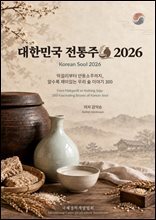
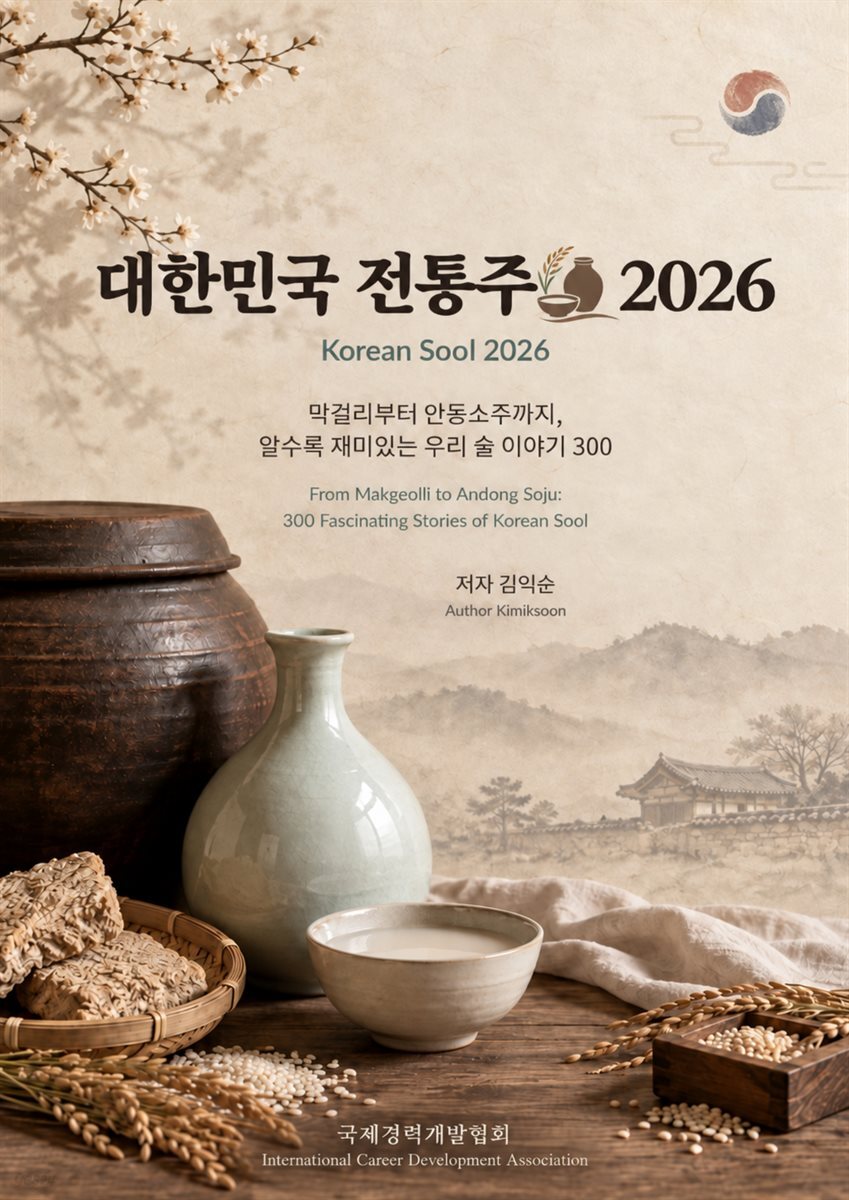
출판사 서평한국의 전통주는 술 한 병만으로 설명하기 어렵습니다. 지역의 농산물과 발효기술, 집안의 손맛과 제례문화, 문학과 예술, 양조장을 지켜 온 사람들의 이야기가 함께 담겨 있기 때문입니다. 『대한민국 전통주 2026 | Korean Sool 2026』은 한국 술의 이름을 나열하는 도감을 넘어, 한 잔 뒤에 놓인 역사와 사람, 지역의 문화를 이해하도록 안내하는 책입니다. 고대 제천행사와 조선의 가양주, 일제강점기 이후의 주류제도 변화, 술의 발효와 증류기술, 전국에 남아 있는 이름난 술, 현대의 양조장과 명인, 전통주가 등장하는 문학과 예술, 한국의 술자리 예법까지 300개 주제를 하나의 흐름으로 연결합니다. 특히 역사적 기록과 민간 설화, 오래된 제조법과 오늘날의 상품을 구분하는 접근이 특징입니다. 유명한 술이라는 평가를 반복하기보다 어떤 재료로 만들었고, 어느 지역에서 전해졌으며, 누가 어떻게 그 기술을 지켜 왔는지 질문하도록 이끕니다. 한국어와 영어를 나란히 수록한 구성도 눈여겨볼 만합니다. 한국의 술을 처음 접하는 외국인뿐 아니라 한국의 역사와 음식문화를 소개하는 교육자와 관광 안내자에게도 활용도가 높습니다. 술을 마시는 즐거움을 넘어 술에 담긴 한국의 문화와 생활을 이해하려는 독자에게 폭넓은 읽을거리를 제공하는 종합 교양서입니다. Korean Sool 2026 goes beyond a catalog of alcoholic beverages to examine the histories, people, and places behind Korea’s brewing traditions. From ancient communal rituals and household brewing during Joseon to modern liquor regulations, fermentation science, regional traditions, literature, art, and contemporary K-Sool, the book brings together 300 topics in one comprehensive cultural journey. Its distinctive approach is to separate documented history from folklore, inherited methods from modern commercial products, and cultural traditions from legal classifications. Rather than simply praising famous drinks, it invites readers to explore their ingredients, origins, techniques, and lines of transmission. With Korean and English presented side by side, this volume offers a practical reference for general readers, cultural educators, and guides introducing Korea to international visitors. It opens an engaging route into Korea’s history, food, and everyday culture through the world of Korean sool. |
