
- PDF 안내
-
이 상품은 구매 후 지원 기기에서 예스24 eBook앱 설치 후 바로 이용 가능한 상품입니다.
상세 이미지

소개
목차
|
서문 | Preface 제1부 장소에 남은 세계유산 | Part 1 · World Heritage in the landscape
제1장 땅과 유적에서 읽는 오랜 삶 | Chapter 1 · Lives traced through archaeology
제2장 신앙과 지혜가 머문 공간 | Chapter 2 · Places of faith and learning
제3장 사람들이 살아온 도시와 건축 | Chapter 3 · Cities and the buildings people inhabited
제4장 길과 기술이 이어 준 생활과 경관 | Chapter 4 · Routes, technology and landscape
제5장 사람과 자연이 함께 만든 유산 | Chapter 5 · A sacred landscape of people and nature
제6장 자연의 시간과 함께 살아가는 풍경 | Chapter 6 · Environments shaped over time 제2부 사람을 통해 이어지는 무형유산 | Part 2 · Living heritage in practice
제7장 손과 기술로 전하는 생활문화 | Chapter 7 · Knowledge passed from hand to hand
제8장 말과 음악과 축제로 만나는 사람들 | Chapter 8 · Voices, music and festivals 제3부 기록으로 만나는 세계기록유산 | Part 3 · d-ocumentary heritage and memory
제9장 문서와 예술과 지식이 건네는 목소리 | Chapter 9 · d-ocuments, arts and knowledge
제10장 기록으로 마주하는 사회와 기억 | Chapter 10 · Society and memory in the archives 부록 | a-ppendix
방문·체험·열람 안내 | Visits and Collection Access |
저자 소개 1
저자는 특이한 경력의 소유자다. ‘삼성전자(대기업)+한소프트넷(벤처기업)+창업+겸임교수’ 업무를 경험하였고, 그동안의 경험을 실전 현장인 자동차 금형 제조공장에서 공장장으로 근무하면서 바코드를 활용한 무인화된 재고관리, 구글 계정을 활용한 전자결재 및 중앙 데이터베이스화, 자체 온라인 교육센터 구축 및 평가 보상 체계 마련, 셀프 리더십으로 함께하는 5S3정 시행, 실시간 공정 협업이 실무적으로 가능한 스마트 팩토리 체계 등을 도입하였다.
코로나19 사태로 ‘기업의 패러다임도 바뀌어야 한다.’며 국제경력개발협회 산하 기업역량강화센터를 이러닝으로 구축하여 널리 보급하고자 활동하고 있다.
김익순의 다른 상품
-
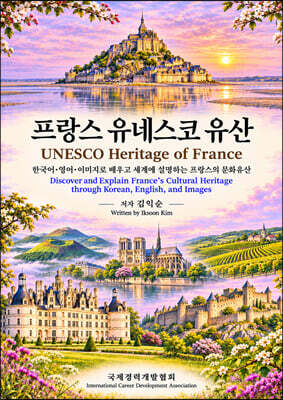
eBook[대여] 프랑스 유네스코 유산 UNESCO Heritage of France 이동[대여] 프랑스 유네스코 유산 UNESCO Heritage of France9,900원
-
eBook[대여] 인도네시아·말레이시아·싱가포르 유네스코 유산 UNESCO Heritage of Indonesia, Malaysia and Singapore 이동[대여] 인도네시아·말레이시아·싱가포르 유네스코 유산 UNESCO Heritage of Indonesia, Malaysia and Singapore9,900원
저자는 삼성전자 본사 전략기획총괄 인사팀에서 전략기획과 인사 업무를 맡았고, 외국계 제조기업에서 경영지원 임원으로 근무한 뒤 기업을 창업해 운영했다. 서로 다른 배경을 가진 사람들이 같은 장소와 사건을 이해하는 방식에 관심을 두고, 여행과 일상의 대화에서 활용할 수 있는 문화·역사 콘텐츠를 집필해 왔다.
관련 저서로는 『미국 문화 300』, 『글로벌 문화 실수 100』, 『인물과 사건으로 읽는 한국 독립운동 300』, 『쉽게 읽는 조선왕조실록 300』이 있다. 국가별 문화와 생활의 차이를 살피는 집필 활동과 역사적 장소·사건을 설명하는 작업은 이 책에서 유산의 가시적 모습뿐 아니라 그것을 남긴 사람과 기록을 함께 살피는 접근과 이어진다.
The author worked in strategic planning and human resources at Samsung Electronics headquarters, subsequently served as a corporate support executive at a foreign-affiliated manufacturing company, and later founded and operated a business. The author's writing has addressed culture and history with an interest in how people from different backgrounds understand places and events and communicate during travel and everyday life.
Related titles include 『미국 문화 300』, 『글로벌 문화 실수 100』, 『인물과 사건으로 읽는 한국 독립운동 300』 and 『쉽게 읽는 조선왕조실록 300』. These areas of cultural and historical writing connect with the present book's attention to the people and records behind the visible forms of heritage.
품목정보
- 발행일
- 2026년 11월 25일
- 지원기기
- 크레마, PC(윈도우 - 4K 모니터 미지원), 아이폰, 아이패드, 안드로이드폰, 안드로이드패드, 전자책단말기(저사양 기기 사용 불가)
- 파일/용량
- PDF(DRM) | 73.18MB ?
- 글자 수/ 페이지 수
- 약 564쪽 ?
- ISBN13
- 9791123178196
출판사 리뷰
|
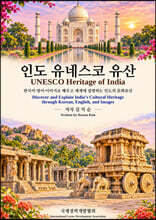
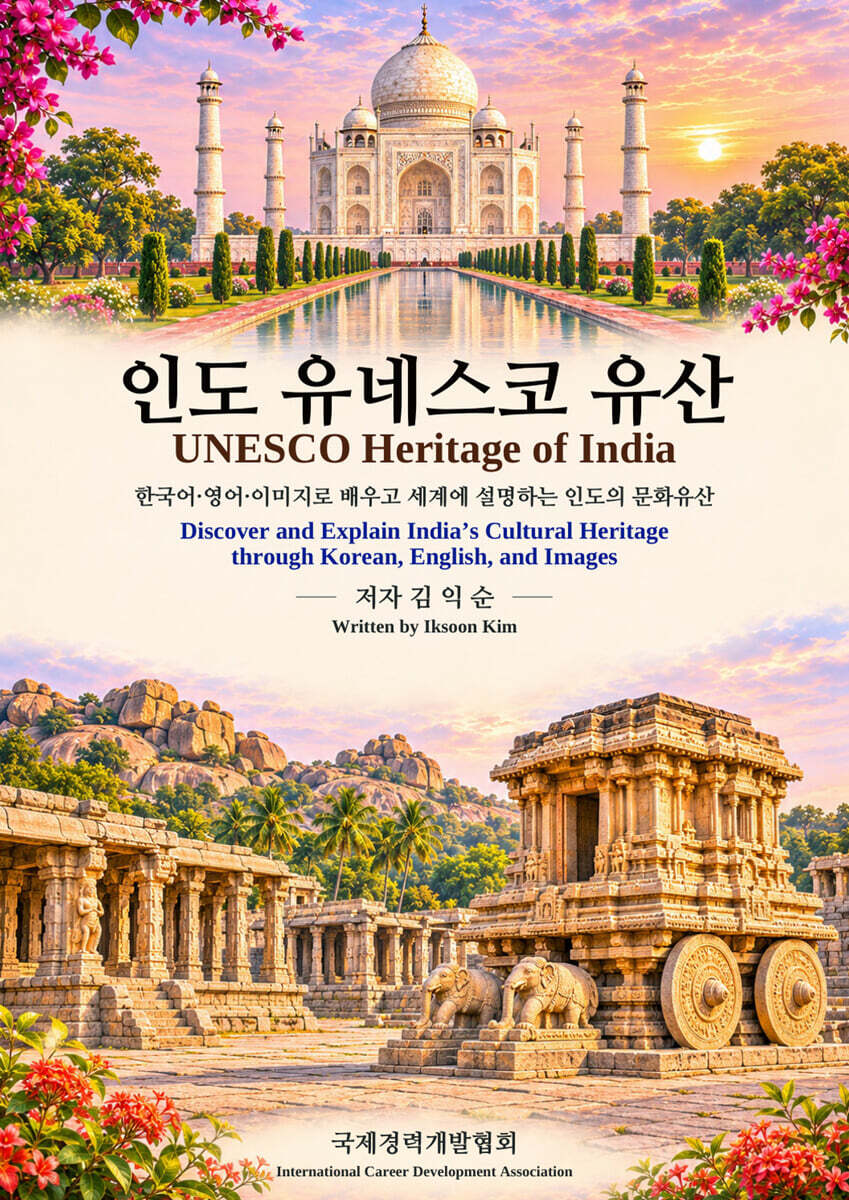
이 책의 특징은 유산의 이름이나 등재 연도를 전달하는 데 머물지 않고, 장소의 구조·사람의 움직임·기록의 생성과 보관 방식을 통해 그 유산을 왜 함께 살펴야 하는지 설명한다는 점이다. 문화재를 한눈에 알아볼 만한 사진으로 소개하면서도 사진 한 장에 드러나지 않는 생활과 노동, 보존의 과정을 질문으로 되돌려 놓는다. 세계유산·무형유산·기록유산이라는 구분은 단순한 분류표가 아니라, 서로 다른 종류의 증거를 읽는 방식의 차이로 작동한다. 아잔타 석굴을 다룬 부분에서는 예배굴의 스투파와 그곳으로 향하는 동선, 승원의 작은 방과 공동 공간을 나란히 설명한다. 벽화의 제작 재료와 시기별 조성 배경까지 더해, 같은 절벽의 유적도 기능과 후원 관계에 따라 다르게 읽을 수 있음을 드러낸다. 카지랑가에서는 코뿔소의 사진에서 출발하지만 홍수·퇴적·습지의 변화, 이동통로와 도로의 공존 문제를 다룬다. 유산의 가치를 아름다운 외형이나 상징 동물 하나로 환원하지 않는 설명이 돋보인다. 구자라트의 가르바를 다루는 방식도 무형유산을 이해하는 데 중요한 구별을 제공한다. 원형 춤의 중심에 놓인 등불이나 여신상은 신앙적 의미를, 손뼉과 노래는 여러 참가자가 리듬을 공유하는 방식을 보여 준다. 동시에 음악가, 의상·장신구 제작자, 행사를 준비하는 사람들의 역할도 살핀다. 독자는 무용 동작을 보았다는 사실과 공동체가 전통을 이어 가는 조건을 이해했다는 사실이 서로 다를 수 있음을 깨닫게 된다. 기록유산 편에서는 ‘문헌이 쓰인 시대’와 ‘오늘 남아 있는 사본의 시기’, ‘기록이 만들어진 곳’과 ‘현재 소장처’를 구분하는 태도가 일관된다. 길기트 필사본을 하나의 완전한 책으로 오인하지 않도록 설명하고, 제1차 비동맹운동 정상회의 기록에서는 문서·사진·음성·영화가 각기 다른 정보의 층위를 제공함을 비교한다. 여러 나라 기록관에 흩어진 자료를 함께 읽는 까닭도 사건에 관한 기억과 행정기록의 관점이 서로 다르기 때문임을 보여 준다. 한국어와 영어의 대응 항목, 사진·설명도, 짧은 대화 질문, 공식 자료와 지도 검색 링크는 이 내용을 독서 밖으로 잇는다. 특히 지도 검색 결과를 검증된 출입구와 동일시하지 않고, 온라인 목록을 자유로운 원본 열람으로 혼동하지 않도록 안내한 점은 실제 방문과 자료 탐색에서 필요한 구별이다. 여행자나 문화교류에 참여하는 독자는 상대에게 한 유산을 단정적으로 설명하기보다 보인 장면을 질문할 수 있고, 학습자는 소장기관의 자료를 대조하며 더 정확한 설명을 준비할 수 있다. The book's distinctive approach lies in explaining why heritage should be examined through spatial organisation, human practice and the making and keeping of records, rather than through names and inscription dates alone. A photograph may introduce a site, but the questions return to activities, labour and conservation processes that the image cannot show. The division into World Heritage, living heritage and d-ocumentary heritage also becomes a way to distinguish kinds of evidence. At Ajanta, the stupa and circulation routes of a worship hall are compared with the cells and shared hall of a monastery. Materials used to make the wall paintings and the different historical phases add further depth. At Kaziranga, a rhinoceros photograph leads to the shifting relations of floods, sediments and habitats, and to the difficulties of maintaining animal corridors near roads. Neither site is reduced to a picturesque façade or a single emblematic species. The account of Garba offers another useful distinction. A lamp or goddess image at the centre of the circle points to ritual meaning, while clapping and song show how dancers share rhythm. The text also considers musicians, makers of clothes and ornaments, and people who organise events. Seeing a dance and understanding how a community sustains it are not treated as identical experiences. The d-ocumentary chapters consistently distinguish the age of a composition from the date of a surviving copy, and a record's place of origin from its present repository. The Gilgit manuscripts are not presented as a single complete book. For the first Non-Aligned Movement summit, textual files, photographs, sound and film provide different layers of evidence. Their distribution across several national archives makes comparison important: administrative records do not necessarily preserve an event from the same perspective. Parallel entry numbers in Korean and English, photographs, diagrams, brief conversation questions and linked institutional references offer ways to continue beyond the text. The distinction between a map search and a verified entrance, or between a collection catalogue and permission to consult or reproduce an original, is particularly practical. Travellers and participants in intercultural exchanges can begin with observations and questions rather than assumptions students can compare holdings and prepare more precise accounts of what the evidence shows. |
