
- PDF 안내
-
이 상품은 구매 후 지원 기기에서 예스24 eBook앱 설치 후 바로 이용 가능한 상품입니다.
상세 이미지

소개
목차
|
서문 | Preface 제1부 장소에 남은 세계유산
|
저자 소개 1
저자는 특이한 경력의 소유자다. ‘삼성전자(대기업)+한소프트넷(벤처기업)+창업+겸임교수’ 업무를 경험하였고, 그동안의 경험을 실전 현장인 자동차 금형 제조공장에서 공장장으로 근무하면서 바코드를 활용한 무인화된 재고관리, 구글 계정을 활용한 전자결재 및 중앙 데이터베이스화, 자체 온라인 교육센터 구축 및 평가 보상 체계 마련, 셀프 리더십으로 함께하는 5S3정 시행, 실시간 공정 협업이 실무적으로 가능한 스마트 팩토리 체계 등을 도입하였다.
코로나19 사태로 ‘기업의 패러다임도 바뀌어야 한다.’며 국제경력개발협회 산하 기업역량강화센터를 이러닝으로 구축하여 널리 보급하고자 활동하고 있다.
김익순의 다른 상품
-
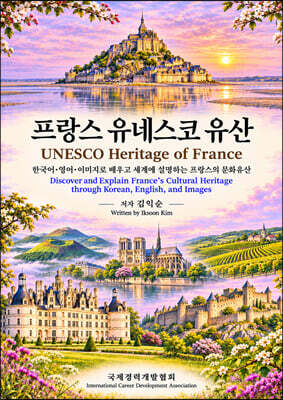
eBook[대여] 프랑스 유네스코 유산 UNESCO Heritage of France 이동[대여] 프랑스 유네스코 유산 UNESCO Heritage of France9,900원
-
eBook[대여] 인도네시아·말레이시아·싱가포르 유네스코 유산 UNESCO Heritage of Indonesia, Malaysia and Singapore 이동[대여] 인도네시아·말레이시아·싱가포르 유네스코 유산 UNESCO Heritage of Indonesia, Malaysia and Singapore9,900원
저자는 여행과 일상에서 다른 문화권의 사람들과 대화를 나눌 때 곁에 두고 읽을 수 있는 책을 쓴다. 삼성전자 본사 전략기획총괄 인사팀에서 전략기획과 인사 업무를 맡았고, 외국계 제조기업에서 경영지원 임원으로 일했다. 서로 다른 배경을 지닌 사람들이 같은 장소를 보고도 무엇을 다르게 기억하는지, 그 차이에 관해 어떻게 대화를 나눌 수 있는지에 관심을 두어 왔다.
문화적 차이를 다룬 『글로벌 문화 실수 100』을 썼으며, 『스위스 유네스코 유산』과 『스페인 유네스코 유산』에서는 건물의 쓰임, 사람들이 전하는 기술, 지난 일을 증언하는 기록을 따라 각 나라의 역사와 생활을 살폈다. 이집트 편에서는 코샤리에 어떤 양념을 곁들이는지, 손인형극에서 관객이 대답하면 무엇이 달라지는지 묻는다. 읽은 바를 자신의 말로 설명하고 상대가 직접 겪은 이야기를 들을 수 있도록 질문을 열어 두는 것이 이 책에도 이어지는 집필 방향이다.
The author writes for readers who want to talk with people from other cultures on their travels and in everyday life. He handled planning and personnel matters on the strategic planning division’s human resources team at Samsung Electronics headquarters, then served as a corporate support executive at a foreign-affiliated manufacturing company. His writing explores what people from different backgrounds remember about the same place and how they can talk about those differences.
His books include 글로벌 문화 실수 100, on cultural differences. In UNESCO Heritage of Switzerland and UNESCO Heritage of Spain, he explored each country’s history and everyday life through the uses of buildings, skills passed between people and records of past events. In the Egypt volume he asks which seasonings a diner likes with koshary and what changes when a member of the audience answers a hand puppet. Such questions give readers room to describe what they have learned in their own words and to listen to someone else’s experience.
품목정보
- 발행일
- 2026년 11월 26일
- 지원기기
- 크레마, PC(윈도우 - 4K 모니터 미지원), 아이폰, 아이패드, 안드로이드폰, 안드로이드패드, 전자책단말기(저사양 기기 사용 불가)
- 파일/용량
- PDF(DRM) | 10.89MB ?
- 글자 수/ 페이지 수
- 약 174쪽 ?
- ISBN13
- 9791123178219
출판사 리뷰
|
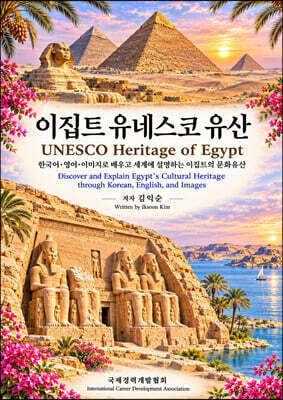
이 책의 특징은 유산을 설명할 때 무엇을 증거로 삼을 수 있는지 독자가 따라가게 한다는 데 있다. 사막에서 고래의 뼈를 발견했다면 그 동물이 어떤 바다에 살았는지 어떻게 알 수 있을까? 와디 알히탄 편은 뼈 주위로 시야를 넓힌다. 함께 묻힌 상어 이빨과 다른 해양생물의 화석, 그것들을 감싼 퇴적층이 쌓인 순서가 당시의 환경을 짐작할 근거가 된다. 이 설명을 읽고 나면 화석 둘레의 줄과 정해진 탐방로에도 이유가 있음을 알게 된다. 돌 하나를 옮기는 일로도 표본이 어느 층에서 어떤 상태로 발견됐는지 되짚을 단서가 사라질 수 있다. 상부 이집트의 수공 직조를 다룬 글은 완성된 직물에서는 보이지 않던 시간을 드러낸다. 날실 사이로 씨실이 지나가면 천이 된다는 원리는 그림 한 장으로 알 수 있다. 천의 폭을 고르게 유지하고 실이 얽히기 전에 순서를 바로잡는 감각은 숙련자 곁에서 손을 움직여야 배운다. 여기에 실을 살 돈과 베틀을 놓을 공간, 완성된 천을 팔고 받을 대가가 얽힌다. 하루를 들여 일해도 수입이 적다면 누가 다음 사람을 가르칠 시간을 낼 수 있을까? ‘긴급보호’라는 말이 직조인의 생계를 지키면서 다음 세대가 연습할 자리를 마련하는 구체적인 과제로 다가온다. 외교 기록을 다룬 마지막 글에서는 질문에 따라 펼쳐야 할 자료가 달라진다. 1961년 벨그라드에서 열린 제1차 비동맹운동 정상회의의 사진에는 참석자와 회의장의 모습이 남았다. 이집트가 회의를 어떻게 준비했는지 알려면 카이로 예비회의의 문서를 찾아야 한다. 회의가 끝난 뒤 다른 나라에서 어떤 기사가 나왔는지는 현지 언론의 반응을 본국에 알린 이집트 외교관의 보고서에서 추적할 수 있다. 이렇게 한 가지 질문의 답을 찾아 자료 사이를 옮겨 다니다 보면, 왜 다섯 나라 기관의 기록을 한데 묶었는지 납득하게 된다. 이처럼 근거를 따지는 태도는 다른 사람에게 말을 건네는 방식으로도 이어진다. 손인형극 편의 “관객이 대답하면 무엇이 달라지나요?”라는 짧은 질문이 그렇다. 공연을 본 사람은 관객석에서 들려온 한마디나 그에 응한 인형의 다음 대사를 떠올려 답할 수 있다. 그 사람이 직접 보고 들은 장면에는 다른 관객이 미처 알아차리지 못한 이야기가 담길 수도 있다. 이집트를 처음 만나는 독자도 공연이 끝나면 곁에 앉았던 사람에게 이 질문을 건넬 수 있다. 같은 무대를 보고도 각자가 무엇을 기억하는지 듣는 데까지 독서가 이어진다. One of the book’s strengths is that readers can follow the reasoning behind an account of heritage. If whale bones turn up in a desert, how can we tell what kind of sea the animal lived in? The chapter on Wadi Al-Hitan widens the field of view around the bones. Shark teeth and other marine fossils buried nearby, the sediments around them and the order in which the layers accumulated provide evidence of the environment. The rope around the fossil and the designated visitor paths make sense in light of this evidence. Moving a single rock can erase a clue to the layer in which a specimen was found and its condition there. The account of handweaving in Upper Egypt brings into view time that a finished textile conceals. A diagram can show how the weft passing through the warp makes cloth. Keeping the cloth an even width and setting threads in order before they tangle take practice beside a skilled weaver. The cost of yarn, room for a loom and the price the finished cloth will fetch all enter the picture. If a day at the loom yields little income, who can spare the time to teach? The term “urgent safeguarding” comes to describe a practical task of protecting weavers’ livelihoods and giving the next generation a place to practise. In the final entry, on diplomatic records, each question calls for a particular source. Photographs of the first Non-Aligned Movement summit, held in Belgrade in 1961, show delegates and the setting. To learn how Egypt helped prepare for it, a reader can turn to d-ocuments from the preliminary meeting in Cairo. To trace coverage abroad after the summit, there are reports that Egyptian diplomats sent home on local press reactions. Following a question from one source to another makes it clear why materials held by institutions in five countries belong together. This care with evidence also shapes how the book invites a conversation. The hand-puppetry entry asks what changes when the audience answers back. Someone who saw a performance can recall a remark from the crowd or the puppet’s next line. A scene that one person remembers may hold something another spectator missed. Even a first-time visitor to Egypt could put that question to the person in the next seat after a performance. The reading continues in a conversation about what each of them remembers from the same stage. |
