
- PDF 안내
-
이 상품은 구매 후 지원 기기에서 예스24 eBook앱 설치 후 바로 이용 가능한 상품입니다.
상세 이미지

소개
목차
|
서문 | Preface 제1부 장소에 남은 세계유산
|
저자 소개 1
저자는 특이한 경력의 소유자다. ‘삼성전자(대기업)+한소프트넷(벤처기업)+창업+겸임교수’ 업무를 경험하였고, 그동안의 경험을 실전 현장인 자동차 금형 제조공장에서 공장장으로 근무하면서 바코드를 활용한 무인화된 재고관리, 구글 계정을 활용한 전자결재 및 중앙 데이터베이스화, 자체 온라인 교육센터 구축 및 평가 보상 체계 마련, 셀프 리더십으로 함께하는 5S3정 시행, 실시간 공정 협업이 실무적으로 가능한 스마트 팩토리 체계 등을 도입하였다.
코로나19 사태로 ‘기업의 패러다임도 바뀌어야 한다.’며 국제경력개발협회 산하 기업역량강화센터를 이러닝으로 구축하여 널리 보급하고자 활동하고 있다.
김익순의 다른 상품
-
eBook[대여] 프랑스 유네스코 유산 UNESCO Heritage of France 이동[대여] 프랑스 유네스코 유산 UNESCO Heritage of France9,900원
-
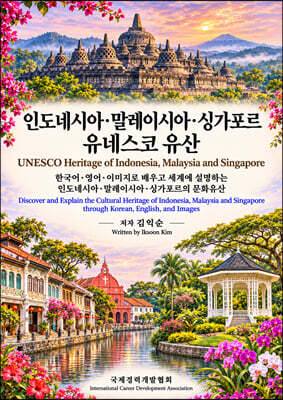
eBook[대여] 인도네시아·말레이시아·싱가포르 유네스코 유산 UNESCO Heritage of Indonesia, Malaysia and Singapore 이동[대여] 인도네시아·말레이시아·싱가포르 유네스코 유산 UNESCO Heritage of Indonesia, Malaysia and Singapore9,900원
저자는 삼성전자 본사 전략기획총괄 인사팀에서 전략기획과 인사 업무를 수행했으며, 외국계 제조기업의 경영지원 임원으로 일했다. 기업을 창업하고 운영한 경험도 있다. 조직의 의사결정과 구성원의 업무·경력 변화를 살핀 경험을 바탕으로, 사람과 사회에 관한 지식을 실제 학습과 의사소통에 활용하는 글쓰기에 관심을 두고 있다.
관련 집필 도서로는 『미국문화300』과 『글로벌 문화 실수 100』이 있다. 서로 다른 문화의 사람들이 교류할 때 상대의 언어와 생활을 이해하고, 같은 사건이나 행동도 다른 관점에서 볼 수 있음을 알아가는 주제와 연결된다. 이번 책에서도 프랑스의 유산을 이름과 연도의 목록으로만 다루지 않고, 건물과 기술, 기록에 남은 사람들의 활동을 설명한다.
『프랑스 유네스코 유산』은 이러한 관심을 문화유산 읽기와 대화로 이어 간 집필 작업이다. 한국어·영어 해설과 질문을 통해 독자가 관찰한 내용을 자신의 말로 설명하고, 상대의 경험을 존중하며 이야기를 나눌 수 있도록 구성했다.
The author worked in strategic planning and human resources in the HR team within the strategic planning organisation at Samsung Electronics headquarters, and as a corporate support executive at a foreign-affiliated manufacturing company. He also has experience founding and running a business. Having observed organisational decisions and changes in employees’ work and careers, he is interested in writing that brings knowledge of people and society into practical learning and communication.
Related books he has written include 『미국문화300』 and 『글로벌 문화 실수 100』. These connect with understanding other people’s languages and ways of life, and recognising that the same event or action can be viewed from different cultural perspectives. In the present book, he likewise moves beyond a list of heritage names and dates to explain human activities preserved in buildings, skills and records.
UNESCO Heritage of France extends these interests into reading and discussing cultural heritage. Its Korean and English explanations and questions are designed to help readers describe observations in their own words and exchange ideas with respect for others’ experiences.
품목정보
- 발행일
- 2026년 11월 25일
- 지원기기
- 크레마, PC(윈도우 - 4K 모니터 미지원), 아이폰, 아이패드, 안드로이드폰, 안드로이드패드, 전자책단말기(저사양 기기 사용 불가)
- 파일/용량
- PDF(DRM) | 33.03MB ?
- 글자 수/ 페이지 수
- 약 748쪽 ?
- ISBN13
- 9791123178240
출판사 리뷰
|
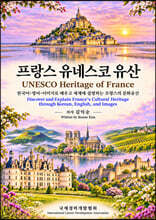
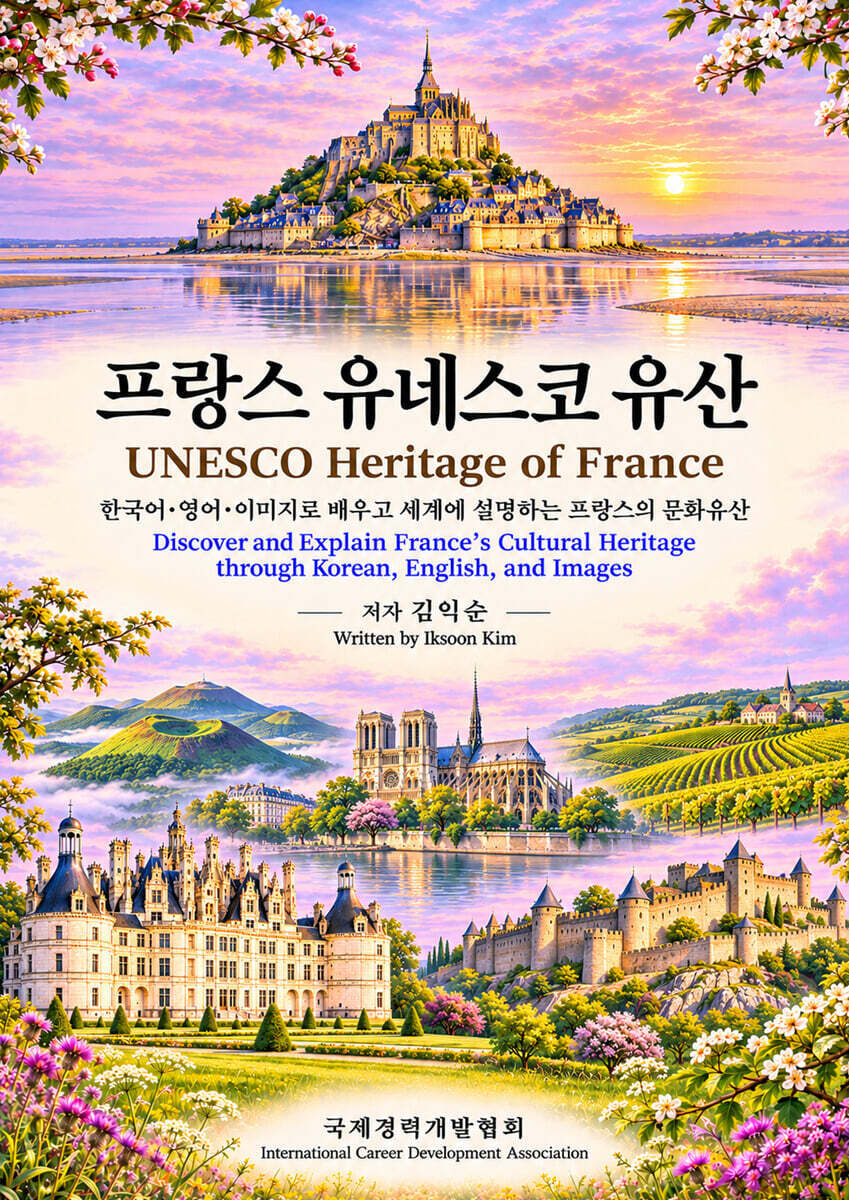
이 책의 특징은 유산을 바라보는 시선을 이름에서 관계로 옮긴다는 데 있다. 웅장한 건물이나 유명한 작품을 소개하면서도 누가 공간을 사용했고, 무엇을 만들었으며, 어떤 흔적으로 그 사실을 알아낼 수 있는지 묻는다. 건축과 생활문화, 기록을 한 책에 묶은 구성은 서로 다른 대상을 같은 방식으로 단순화하기보다, 대상에 따라 살펴야 할 증거가 달라진다는 점을 드러낸다. 독자는 유산의 명칭을 기억하는 데서 한 걸음 더 나아가 설명의 근거를 찾게 된다. 미디 운하를 다룬 글이 이를 잘 보여 준다. 배가 지나가는 물길만 보면 갑문이 높은 곳으로 배를 옮겨 준다는 설명에서 멈추기 쉽다. 이 책은 가장 높은 구간에 물을 계속 공급해야 한다는 문제를 먼저 짚고, 산지의 물과 급수로, 저수지, 분수계의 관계를 설명한다. 갑문을 보는 일이 보이지 않는 물 공급 체계를 이해하는 일로 확장되는 것이다. 이어지는 나무의 병해와 재식재 이야기는 보존이 과거의 모습을 고정하는 작업만이 아니라 시설의 기능과 생태를 함께 고려하는 현재의 판단임을 보여 준다. 코르시카의 칸투 인 파그젤라에서는 듣는 방법과 전승의 조건을 함께 다룬다. 주선율을 시작하는 목소리, 낮게 받치는 목소리, 높게 합류하는 목소리의 역할을 구분하면 실제 노래를 들을 때 주의를 둘 지점이 생긴다. 여기서 설명을 마치지 않고, 녹음이 남아 있어도 사람들이 만나 배우고 부를 자리가 줄면 전승이 약해질 수 있음을 짚는다. 소리의 형식과 공동체의 생활을 함께 이해하게 하는 대목이다. 공식 영상으로 이어지는 안내도 이러한 관찰을 직접 이어 갈 수 있게 한다. 드골의 6월 18일 호소를 다룬 글은 유명한 역사적 사건과 그것을 전하는 자료를 구별하는 읽기를 보여 준다. 18일의 자필 원고, 22일의 방송 녹음, 여름의 포스터는 같은 저항의 메시지와 연결되지만 제작 시점과 전달 방식이 다르다. 이를 나누어 설명함으로써 독자는 익숙한 음성이 사건 당일의 녹음인지, 널리 알려진 포스터가 최초 방송의 원문인지 다시 물을 수 있다. 기록유산을 오래된 물건의 가치만으로 평가하지 않고, 사실을 확인하는 과정과 연결한 점이 의미 있다. 이런 설명은 현장에서 무엇을 볼지 정하려는 여행자와 자료를 더 찾아 읽으려는 독자에게 각각 다른 출발점을 준다. 한영 해설과 대화 질문은 관찰을 말로 옮기는 데 사용할 수 있고, 방문·열람 안내는 전시를 보는 일과 원본을 조사하는 일을 구별해 준다. 한 사람의 경험을 공동체 전체의 생활로 일반화하지 않도록 안내하는 태도 역시 문화에 관한 대화를 준비하는 독자에게 유용하다. 유산을 감상한 뒤 질문을 남기고, 그 질문을 자료와 만남으로 이어 가려는 독서에 어울리는 책이다. The book’s distinctive approach is to shift attention from heritage names to relationships. Even when introducing monumental buildings or renowned works, it asks who used a space, what people made and which surviving traces support our understanding. Bringing architecture, living practices and records together does not flatten their differences. It demonstrates that different objects require different kinds of evidence, encouraging readers to move beyond remembering names towards examining explanations. The discussion of the Canal du Midi illustrates this approach. Looking only at the navigable channel can leave a reader with the simple idea that locks carry boats uphill. The book first identifies the need to keep supplying the summit reach, then connects mountain water, feeder channels, reservoirs and the watershed. Observing a lock becomes an opportunity to understand infrastructure beyond what is immediately visible. The subsequent account of tree disease and replacement planting shows conservation as a present-day judgement involving function and ecology, as well as the appearance inherited from the past. The account of Cantu in paghjella combines ways of listening with the conditions of transmission. Distinguishing the voice that begins the melody, the lower supporting part and the higher voice that joins them gives readers something specific to attend to in a performance. The discussion then explains why recordings alone cannot sustain a tradition if opportunities to meet, learn and sing diminish. Musical form and community life become connected subjects of inquiry. Links to an official film allow readers to continue that listening for themselves. The treatment of de Gaulle’s Appeal of 18 June demonstrates how to distinguish a familiar historical event from the sources that convey it. The manuscript of 18 June, the recording of 22 June and the summer poster all relate to resistance, yet differ in date and medium. Separating them encourages readers to ask whether a familiar voice was recorded on the day of the event, or whether a widely circulated poster reproduces the first broadcast. d-ocumentary heritage is thus connected with the process of establishing facts, rather than valued only as a collection of old objects. These explanations offer different starting points for travellers deciding what to observe and readers wishing to investigate further. Korean and English discussions and questions can help turn observations into conversation, while access guidance distinguishes viewing an exhibition from consulting originals. The care taken not to generalise one person’s experience to an entire community also supports conversations about culture. The book suits readers who want an encounter with heritage to lead to further questions, sources and exchanges. |